I have worked with rare livestock for decades, and the Bilberry Goat holds a truly legendary spot in my heart. This incredible feral goat herd roams Bilberry Goat Rock overlooking historic Waterford City in Ireland. Many historians believe French Huguenots brought these animals over centuries ago, creating a unique ecotype that adapted to harsh coastal hills.
Today, conservationists consider them a critically endangered primitive herd of Landrace Bilberry Goats. In this guide, I will share my hands-on insights into their fascinating history, striking physical traits, dietary needs, and complex care requirements. Whether you admire rare breeds like the Old Irish Bilberry Goat, Arapawa goat, or Chappar goat, understanding this semi-wild lineage will deepen your appreciation for living heritage.
History & Origin of Bilberry Goat
When I first stepped onto Bilberry Rock in Waterford City, I felt connected to centuries of livestock history. Local lore suggests Huguenots brought these animals from France in the late seventeenth century. These settlers settled near Waterford and established a distinct genetic line of Landrace breed animals. Over hundreds of years, this semi-wild group survived harsh Irish winters and urban expansion on sheer coastal cliffs. The herd maintained its isolation, developing strong, resilient traits that set them apart from standard domestic Bilberry Goat.
Scientific Research and Modern Conservation Efforts
Genetic analyses conducted by researchers at University College Dublin (UCD) shed vital light on this unique primitive herd. Using the Illumina GoatSNP50 BeadChip and detailed genomic studies, scientists analyzed their DNA work and run of homozygosity (ROH) patterns. The results showed high homozygosity, low admixture, and remarkable persistence despite intense historical bottlenecks.
Organizations like the Bilberry Goat Heritage Trust, alongside experts like Dr. Ray Werner, work tirelessly to safeguard these animals. Protection Status under the Wildlife Act 2000 and support from the Waterford City and County Council help shield this tiny population from extinction vortices.
Read More: Gorki Goose Care: Ultimate Farming Guide
Characteristics of Bilberry Goat
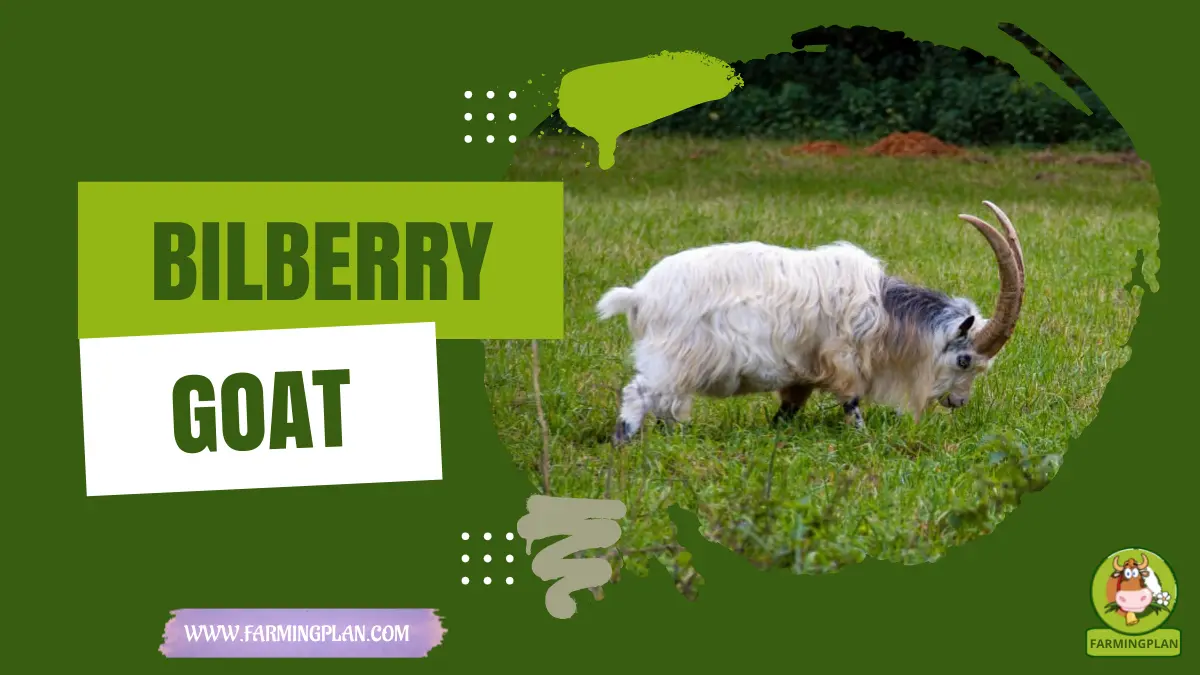
In my years evaluating livestock, I have rarely seen animals as visually striking as these native pucks and nannies. They feature massive, sweeping horns that flare outward in an impressive arch, unlike the parallel horns seen on modern commercial dairy breeds. Their shaggy coats display diverse colors ranging from pale cream and tan to dark chocolate brown. Their dense underfur keeps them warm during heavy rainstorms, serving as a natural shield against damp weather.
Comparing Landrace Traits to Other Rare Breeds
When you compare these animals to the Old Irish Goat, Arapawa goat, Patha goat, or Zing Bilberry Goat, you notice distinct landrace traits shaped by rugged terrain. They stand slightly taller and possess leaner, firmer muscles suited for jumping across rock faces. Unlike modern Saanen dairy goats or soft Cashmere goats, these animals carry no heavy production breeding. Their strong hooves resist foot rot on wet ground, making them hardy survivors on rocky hilltops.
Nature/Temperament of Bilberry Goat
Working with a semi-wild animal requires a completely different mindset than handling a calm farm pet. A dominant nanny leads the group, deciding where the herd browses, rests, and seeks shelter from fierce winds. The pucks, or adult males, form bachelor groups outside the main mating season. They display intense alertness, keeping a watchful eye on their surroundings and bounding away up steep cliffs if they sense any danger.
Handling Challenges and Herd Stewardship
You cannot expect these animals to act like gentle lap pets. Their feral persistence means they remain cautious around human handlers, requiring patience and quiet movements during welfare checks. When I work with feral stock, I use low-stress stockmanship techniques to avoid panicking the herd. Understanding their natural desire for space prevents unnecessary stress and keeps both the handler and the animals safe.
Food & Diet of Bilberry Goat
In the wild, these animals eat a rich diet of native shrubs, gorse, briars, and wild herbs growing on rocky outcrops. They love coarse vegetation that domestic sheep or cattle usually ignore. Their digestive systems thrive on rough fiber, which keeps their rumens healthy and active. This broad herb and mineral composition in their diet helps them stay strong without needing expensive commercial feed mixes.
Feeding Dos and Don’ts for Semi-Wild Stock
When managed in sanctuary settings or conservation herds, feeding requires careful balance. You must provide clean pasture, dry hay, and essential loose minerals. Never give them rich, starchy grains, as these cause severe bloating and dangerous metabolic problems. Fresh, clean water must remain available at all times, especially during summer dry spells or when local water restrictions occur.
- Do: Provide high-fiber brush, brambles, and coarse meadow hay.
- Do: Offer free-choice loose minerals formulated specifically for goats.
- Don’t: Feed heavy cereal grains, alfalfa pelleting, or sweet feeds.
- Don’t: Allow access to toxic garden plants like rhododendron or yew.
Usage/Purpose of Bilberry Goat
These animals serve a vital role in genetic conservation rather than intensive meat or milk production. Geneticists study their isolated lineage to understand historical gene flow and long-term population survival. Maintaining this pure genetic line protects valuable traits like disease resistance and hardiness, which commercial breeds often lose over time.
Habitat Management and Conservation Grazing
I often recommend landrace stock for conservation grazing projects on sensitive sites. Their natural browsing habits help control overgrown gorse, brambles, and invasive weeds without chemical sprays. By clearing thick brush, they create open spaces where native wildflowers and ground-nesting birds can thrive. This balanced grazing approach makes them valuable partners in restoring wild landscapes.
Special Features of Bilberry Goat
The physical resilience of these animals never fails to amaze me. Their thick, double-layered shaggy coats shed rain effortlessly, keeping their skin dry even during heavy storms. Their hooves feature hard outer rims and soft center pads that grip wet rocks securely. This physical build allows them to navigate steep cliffs safely, finding food where other animals cannot balance.
High Genetic Uniqueness and Cultural Value
Beyond their physical traits, these animals represent a living connection to Ireland’s rich cultural past. Their genetic isolation over hundreds of years created a distinct ecotype found nowhere else on earth. Protecting this herd preserves a irreplaceable piece of agricultural history for future generations.
“Preserving Rare Landrace Breeds Protects Our History, Strengthens Native Biodiversity, And Secures Living Heritage For Future Generations To Cherish.”
Health Issues & Prevention of Bilberry Goat
While extremely hardy, these goats face specific health risks when moved into domestic environments. In closed groups, internal parasites like roundworms and liver flukes can build up on wet pastures. Inbreeding depression also poses a risk due to small herd sizes, potentially lowering kid survival rates or causing dental issues if left unmanaged.
Preventive Care and Welfare Management
To maintain a healthy herd, I rely on regular welfare checks and practical preventive management. Rotate pastures frequently to break parasite lifecycles and reduce worm buildup. Provide clean footbaths with zinc sulfate to keep hooves strong during rainy seasons. Regular fecal testing helps treat specific parasites without causing drug resistance, keeping your stock healthy year-round.
Step-by-Step Farming Guide/Pet Owner Care Guide
Managing rare landrace livestock requires practical planning, safe facilities, and consistent daily care. Whether you oversee a conservation sanctuary or maintain a small heritage herd, setting up your land correctly keeps your animals safe and secure. Below, I have laid out my proven step-by-step framework to help you manage these semi-wild goats successfully.
Step 1: Secure Your Perimeter Fencing
Feral goats jump and climb extraordinarily well, so weak fences will not hold them. I build five-foot woven wire fencing topped with an electric wire offset to keep animals safely inside. Make sure your wire mesh spacing stays tight near the ground so kids cannot push their heads through. Inspect fence lines weekly for erosion, fallen branches, or gaps, as these clever animals quickly find and use any weakness to escape.
Step 2: Build Rugged Three-Sided Shelters
These animals handle cold weather well, but driving rain and strong winds require proper shelter. Build a sturdy, three-sided shelter facing away from prevailing winds, using treated timber or heavy corrugated metal sheets. Keep the interior bedded with fresh, dry wheat straw to insulate them from cold, damp ground. Ensure high roof vents allow moisture and ammonia to escape, protecting their lungs from respiratory issues.
Step 3: Establish Rotational Grazing Zones
Divide your pasture land into smaller paddocks using strong internal fencing to create a rotational grazing system. Move your herd to new paddocks every three to four weeks to give forage time to grow back and disrupt internal parasite cycles. Encourage natural browsing by leaving areas with wild brambles, gorse, and brush intact. Rotational grazing provides varied forage while keeping pastures clean and healthy.
Step 4: Construct Safe Low-Stress Handling Facilities
You need a safe handling setup to conduct health checks, apply tags, or perform routine care. Build a solid wooden sweep tub leading into a narrow chute where you can hold individual animals securely without causing panic. Avoid bright metal panels or dead-end corners that startle semi-wild stock. A well-designed handling chute lets you check hooves and perform medical treatments safely and efficiently.
Step 5: Implement Daily Health Monitoring Protocols
Set up a consistent daily routine to observe your herd from a calm, non-threatening distance. Watch how the animals move across pastures, checking that every goat keeps up with the main group easily. Look for early signs of illness, such as drooping ears, limping, or isolating from the herd. Maintaining daily records of births, health treatments, and pasture moves helps keep your conservation herd organized and thriving.
Expert Tips & Best Practices of Bilberry Goat
Managing landrace livestock successfully requires balancing wild instincts with proper agricultural care. Over my years working with rare breeds, I have developed key strategies that keep herds healthy while preserving their natural traits.
- Practice Low-Stress Handling: Move quietly and avoid direct eye contact, which semi-wild stock interpret as a predator threat.
- Provide Dedicated Goat Minerals: Offer free-choice minerals containing proper copper levels, as sheep minerals lack necessary amounts.
- Maintain Clean Deep Bedding: Add clean straw over old layers during wet months to generate gentle pack heat and keep floors dry.
- Keep Detailed Genetic Records: Log all births, horn shapes, and parental stock to manage breeding lines and preserve genetic health.
- Enforce Strict Quarantine Rules: Isolate any new stock for thirty days before joining the main herd to prevent introducing disease.
Read More: Giriraja Chicken Ultimate Guide for Backyard Farmers
FAQs
What is a Bilberry Goat?
The Bilberry Goat is a rare, semi-wild landrace goat ecotype found on Bilberry Rock in Waterford City, Ireland. Local tradition holds that French Huguenots brought their ancestors over centuries ago.
Are Bilberry Goats available for sale as pets?
No, these animals are critically endangered and protected as a rare heritage conservation herd. They carry wild, feral instincts that make them unsuitable as standard household pets.
How many Bilberry Goats remain today?
The population remains critically small, often numbering fewer than fifty individuals in the primary herd. Active management by conservation groups helps protect them from total extinction.
What do Bilberry Goats eat in the wild?
They browse on native coastal brush, gorse, briars, wild herbs, and rough grasses. Their digestive systems process coarse, fibrous plants that domestic stock often refuse.
How do conservationists protect this rare herd?
Groups like the Bilberry Goat Heritage Trust work alongside local councils and veterinarians to manage habitats, conduct health checks, and track genetic diversity to ensure the herd’s long-term survival.
Conclusion
The Bilberry Goat stands as a magnificent symbol of natural resilience, rich history, and agricultural heritage. From their arrival in Waterford centuries ago to their survival on steep rocky cliffs, these rare animals show the strength of old landrace breeds. Protecting this ancient population requires constant care, dedicated habitat safeguards, and active community involvement. By raising public awareness and supporting conservation groups, we can keep these living legends roaming their native hills for generations to come. Please share this article with fellow animal lovers, leave a comment below with your thoughts, and get involved with local heritage trust efforts today!