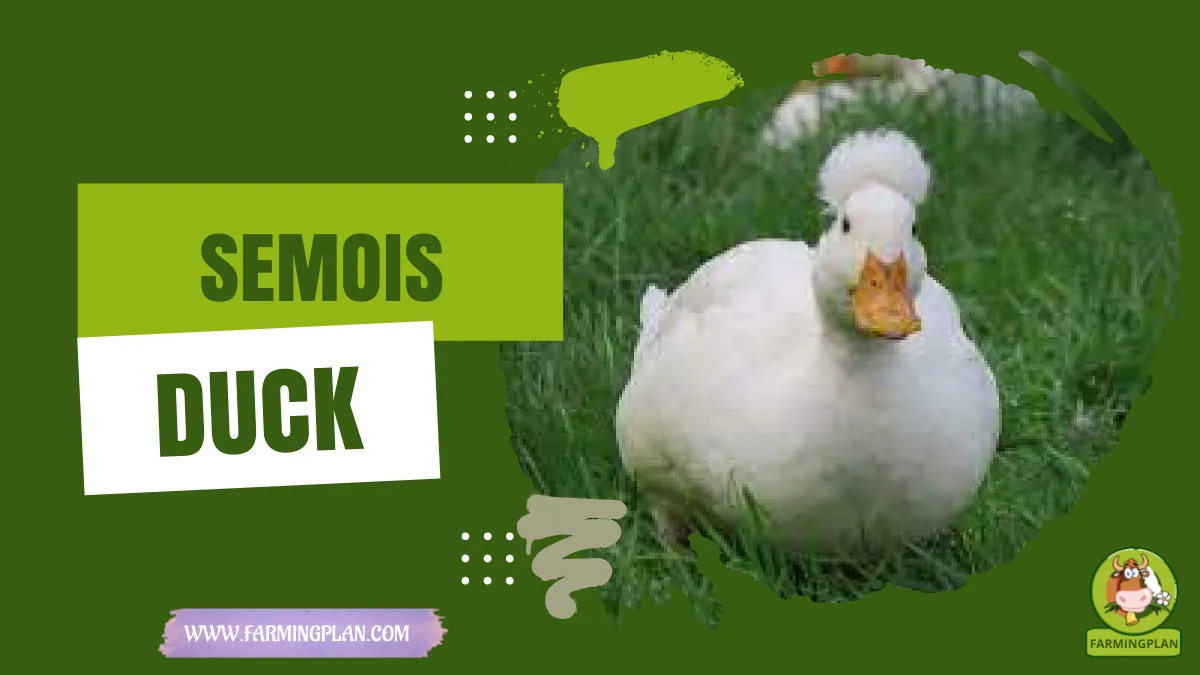
I love walking out to my poultry yard every morning to greet my rare waterfowl flock. The Semois Duck stands out as a remarkable domestic bird with deep roots in the lush European countryside. As a dedicated farming specialist, I have spent years observing how these hardy birds thrive in diverse farm environments. Originating from Belgium near the beautiful Semois river and the scenic Ardennes, this heavy duck breed shares close ancestral ties with the domesticated Muscovy duck, scientifically known as Cairina moschata.
Whether you want a calm land bird for your homestead or a multi-purpose bird for meat and egg production, this fowl delivers incredible performance. Female Semois ducks display wonderful maternal instincts, while the drakes show a remarkably docile temperament toward other farm animals. Let us explore everything you need to know about raising, feeding, and breeding these fantastic utility birds on your own farm today.
History & Origin
My journey with regional waterfowl breeds began when I researched historical European farm birds. The Semois duck traces its heritage straight to the forested valleys of Wallonia in Belgium, specifically around Bouillon, Gaume, and the Southern Ardenne. Local farmers developed this strain in villages like Laforêt and Alle-sur-Semois, where the birds ranged freely along rivers, marshes, and rich beech forests. Breeders originally selected local landrace ducks and crossed them with sturdy domestic Muscovy stock to create a hardy bird suited for the cool, damp climate of the Semois Valley National Park. This regional selection produced a heavier bird that excelled at foraging in rugged terrain without requiring complex artificial shelters.
Evolution as a Multi-Purpose Farm Bird
Over the decades, smallholders across the Belgian countryside valued these birds for their reliable yield of rich meat and large eggs. Unlike wild diving ducks, blue-winged teal, Northern pintail, or the American black duck, this domesticated strain focused entirely on farm utility. While wild species like the Smew (Mergellus albellus) navigate northern taiga wetlands, Belgian farmers selected a calm, low-maintenance bird that stayed close to the barnyard. Unfortunately, changing agricultural trends after the mid-twentieth century reduced population numbers, placing this unique strain among threatened domesticated duck breeds. Today, dedicated conservationists and heritage poultry enthusiasts work tireless initiatives to protect this living piece of agricultural history.
Read More: Savannah Cats: The Exotic Pet with Wild Charm
Characteristics
When you first inspect a Semois duck, you will notice its long, broad body and heavy musculature. The plumage typically presents a clean, bright white or mixed carunculated pattern similar to classic Muscovy stock. Drakes carry significant mass, often weighing between 8 to 10 pounds, while a mature female reaches around 5 to 7 pounds. Their broad heads feature moderate caruncles around the eyes and bill, giving them a distinct profile that sets them apart from standard Mallard-derived breeds. Their strong, webbed feet enable powerful movement across muddy pastures, riverbanks, and slippery barnyards.
Gender Differences and Unique Color Variations
Telling a Muscovy duck male vs female apart remains quite easy once they mature. Males grow much larger than females and develop more pronounced red carunculated skin around their eyes and bill base. The Semois duck female remains smaller, sleeker, and exhibits far lighter facial caruncles. While white plumage remains the standard, some regional lines exhibit dark or blue-green sheen highlights across their wing feathers. Unlike wild divers or dabblers that molt into specialized eclipse plumage, these domestic farm birds maintain their striking appearance year-round in their homestead coops.
Nature and Gentle Temperament
I always tell new poultry owners that temperament matters just as much as egg production. The Semois duck earns top marks for its quiet, gentle, and highly docile nature. These birds rarely make loud quacking noises, choosing instead to communicate through soft huffing sounds, gentle tail wags, and quiet chirps. This low-noise trait makes them absolute favorites for small acreage farms, suburban homesteads, or peaceful rural properties where noisy quackers might bother close neighbors. They mix peacefully with chickens, geese, and other farm animals without causing yard drama.
Social Dynamics and Human Interaction
In my daily farm chores, I notice how easily these ducks build trust with their human handlers. They move in calm, cohesive flocks across open pastures, rarely panicking when you approach with feed buckets. Females show excellent broodiness, sitting patiently on nests tucked away in quiet corners of your chicken house or coop. Drakes exhibit protective yet gentle behavior toward their ducklings and flock mates. If you want a serene, kid-friendly bird that enjoys steady routine, this heritage strain will fit seamlessly into your daily farm life.
Nutrition, Food Requirements, and Diet Guidelines
Feeding your Semois flock requires a thoughtful approach to balanced nutrition throughout the year. I start young ducklings on a clean, unmedicated starter crumble like Mazuri Waterfowl Starter to build strong bones and thick feathers. As they grow into adulthood, switch them to a quality 16% to 18% protein feed formulation. Because these heavy birds carry significant muscle mass, they need adequate calcium and mineral supplementation for solid eggshell formation and feather maintenance. Always provide fresh, clean water right beside their feeding troughs so they can wash down dry grain safely.
| Life Stage | Protein Requirement | Primary Recommended Feed | Essential Feed Supplements |
| Duckling (0–4 Weeks) | 20% – 22% | Unmedicated Waterfowl Starter | Niacin, Clean Fresh Water |
| Grower (4–16 Weeks) | 16% – 18% | Waterfowl Grower Pellets | Grit, Fresh Forage, Clean Water |
| Adult Layer | 16% – 17% | Commercial Layer Pellets | Oyster Shell, Coarse Grit, Greens |
| Breeding Stock | 18% – 20% | High-Protein Breeder Pellets | Probiotics, Live Protein Treats |
Natural Foraging, Treats, and Feeding Don’ts
These birds excel at foraging across natural pasture, snatching up insects, grass, and aquatic treats. I love watching my flock forage near wetlands, snapping up live mealworms, frozen bloodworms, and brine shrimp as protein treats. However, you must avoid feeding them dry bread, sugary snacks, or molded grains, which cause serious digestive issues like angel wing or impaction. Always clear away old feed from coops to discourage wild rodents and keep feeding areas completely sanitary.
Usage and Farm Purpose
Farmers originally bred the Semois duck as an outstanding dual-purpose bird with superior meat quality. Muscovy meat carries a famous reputation for being remarkably lean, tender, and deep red, tasting more like fine sirloin or veal than traditional greasy duck meat. Famous chefs across Europe prize this high-protein meat for refined culinary recipes. Because these birds produce large, meaty breast yields, raising a small seasonal batch provides high-quality protein for your family freezer while keeping production costs low.
Egg Production and Exhibition Value
Beyond meat production, these birds supply a steady harvest of nutritious eggs throughout the breeding season. A healthy female lays between 80 to 120 Muscovy duck eggs every year, each featuring a thick shell and a rich, creamy yolk. Their eggs typically range in size from Large to Extra Large, featuring colors from pale off-white to subtle Blue-green hues. Poultry shows and agricultural fairs also appreciate these heritage birds for their impressive size, smooth white plumage, and stately posture, making them popular entries for heritage fowl breeders.
Special Features
One remarkable trait of the Semois duck involves its raw physical stamina in tough weather. Derived from strains forged in the chilly Ardennes region, these birds tolerate cold winds, snow, and rain far better than delicate tropical breeds. Their thick down layer keeps them dry and warm even when temperature drops sharply. Furthermore, their sturdy feet and claws allow them to roost on elevated perches, logs, and ramps, a unique perching waterfowl behavior inherited from their tree-dwelling ancestors.
Pest Control Superiority and Hybrid Potential
If you suffer from pest issues around your garden or farm, these ducks offer natural pest management. They actively hunt down flies, mosquitoes, ticks, slugs, and garden snails, keeping your homestead free of unwanted bugs. Additionally, when crossed with Mallard-derived domestic breeds like Pekins, they produce the famous sterile Mulard hybrid, valued worldwide for rapid growth and high-quality meat. This genetic flexibility makes them a valuable asset for small hatcheries and breeding programs alike.
Health Issues, Prevention, and Care Tips
Keeping your flock healthy demands proactive management and clean coop sanitation. While the Semois duck boasts natural disease resistance, damp bedding and dirty water tubs cause health issues. Watch out for bumblefoot, an infection on the foot pads caused by sharp rocks or rough roosts. Respiratory ailments like aspergillosis can occur if mold builds up in wet straw or old hay. Ducks also face risks from duck viral enteritis or botulism if they ingest stagnant, contaminated pond water.
Preventive Health Guidelines and Biosecurity
I rely on simple daily precautions to protect my flock from common poultry diseases. Keep coop bedding dry by using fresh pine shavings and clean out wet spots every morning. Provide regular access to clean water deep enough for ducks to submerge their entire heads, allowing them to clear their eyes and nostrils. Isolate any new birds brought from farm stores or hatcheries for at least thirty days before introducing them to your main flock.
“Clean Water And Dry Bedding Prevent Eight Out Of Ten Common Waterfowl Ailments.”
Step-by-Step Farming & Care Guide
Raising a healthy flock of Semois ducks requires careful planning, proper shelter design, and robust fencing. I always advise beginners to establish their housing setup long before their first batch of hatchlings arrives from the hatchery or farm store. These heavy birds need spacious coops, dry bedding, safe outdoor runs, and consistent management routines to thrive. By following a structured approach, you can easily maintain a productive, low-stress waterfowl setup on your property.
Step 1: Coop Preparation and Brooder Setup
Before introducing your birds, thoroughly scrub and disinfect your poultry coop or chicken house. Lay down a six-inch layer of clean, dust-free pine shavings across the floor to absorb moisture effectively. Position elevated nest boxes in quiet, dark corners of the coop, lining them with fresh straw to encourage comfortable egg laying. For young ducklings, set up a warm brooder box with a secure radiant heat plate set to 90 degrees Fahrenheit during their first week of life. Lower the temperature by five degrees each week as their true feathers develop.
Step 2: Fencing and Secure Predator Protection
Ducks need strong protection against night predators like foxes, raccoons, coyotes, and stray dogs. Build a tall, fully enclosed outdoor run using half-inch hardware cloth attached to heavy-duty fence posts. Bury the wire fence at least twelve inches underground to prevent digging predators from entering the yard. Provide plenty of shaded areas inside the run using wooden shelters or simple canvas tarps to protect your flock from intense summer sun and overhead hawks.
Step 3: Water Station and Forage Management
Waterfowl need constant access to clean, fresh water for drinking, preening, and digestion. Place sturdy rubber water tubs inside the outdoor run, emptying and scrubbing them every single day. If you lack a natural pond or stream, set up a plastic child-sized swimming pool for swimming exercise. Rotate your ducks across different grass pastures weekly to let pastures recover, reduce mud build-up, and maximize natural insect foraging opportunities across your farm setup.
Step 4: Daily Feeding and Nesting Maintenance
Establish a rigid daily schedule to keep your birds happy, productive, and healthy. Fill clean feed hoppers with high-protein waterfowl pellets early in the morning before releasing birds into the outdoor run. Collect fresh eggs every morning to keep them clean and prevent broody ducks from gathering massive clutches prematurely. Check water containers twice daily to ensure they remain completely unfrozen during winter and clean during warm summer months.
Step 5: Flock Observation and Winterizing Routines
Spend ten minutes every evening observing your flock as they return to the coop to rest. Healthy birds show bright eyes, clean feathers, active movements, and strong appetites. Before severe winter weather arrives, seal up cold drafts in your coop while leaving high vents open for proper air circulation. Add extra dry straw bedding across the coop floor to insulate their feet against frozen ground during heavy winter spells.
Read More: Chausie Cat: The Bold Beauty of the Wild
Expert Tips & Best Practices for Poultry Success
- Always purchase starter feed rich in added niacin to support strong, straight leg bone development in heavy ducklings.
- Install low wooden ramps leading into coops and water tubs to prevent foot injuries on heavy mature birds.
- Provide clean oyster shell in a separate feeder so laying females can regulate their calcium intake naturally.
- Keep broody females undisturbed in secluded nest boxes during their lengthy 35-day incubation period.
- Use deep bedding methods during winter to generate natural warmth while keeping coop floors completely dry.
- Offer live mealworms in shallow water pans as a fun, healthy treat to build trust during daily handling.
FAQs
What is the scientific name and origin of the Semois duck?
The Semois duck belongs to the domestic Cairina moschata lineage, sharing direct roots with South American Muscovy ducks. Local farmers in the Semois River valley of Belgium refined this sturdy strain for local farm utility.
How long is the incubation period for Semois duck eggs?
Unlike standard Mallard-derived duck breeds whose eggs hatch in 28 days, Semois duck eggs require an incubation period of 35 days. Broody females make exceptional mothers and will faithfully guard their nest throughout this full timeframe.
What do Semois ducks eat on a small farm?
They thrive on high-quality waterfowl pellets balanced with fresh pasture greens, grains, and live insects. Providing coarse grit and fresh drinking water next to feed pans ensures smooth digestion and healthy growth.
Are Semois ducks loud compared to other farm ducks?
No, these birds remain remarkably quiet because they do not possess a loud, repetitive quack. They only make soft huffing noises, gentle whispers, and quiet tail-wagging gestures, making them ideal for peaceful farmyards.
Can Semois ducks fly away from my property?
Because males grow heavy, they rarely fly more than a few feet off the ground. Lighter females can fly short distances, but trimming wing feathers or building secure fencing keeps them safe on your farm.
Conclusion
Raising the rare Semois duck brings immense satisfaction, rich history, and great utility to any farm homestead. These hardy Belgian birds supply delicious lean meat, rich eggs, and effective pest control while remaining quiet and gentle. By providing dry housing, balanced nutrition, and clean water, your flock will flourish for years to come. I encourage you to support heritage poultry conservation by adding these wonderful waterfowl to your own backyard flock today! Share your experiences, leave a comment below, or pass this guide along to fellow poultry enthusiasts!