As a longtime poultry specialist, I love sharing insights about unique livestock breeds. Today, we focus on the Gorki goose, an outstanding Russian domestic breed with incredible utility. If you ever wondered about domestic geese breeds or how many types of goose exist, you are in the right place! The Gorki goose stands out among utility goose varieties because it combines rapid gosling growth with excellent seasonal egg yields.
I have raised many geese, from the chatty African goose (a goose named for its call) to sexually dimorphic heritage breeds like the Pilgrim Geese, Normandy Goose, Shetland Goose, and West of England Goose. Still, the Gorki holds a special place in my heart for small and state-farm style production systems. In this article, I will share everything you need to know to raise a healthy, thriving flock on your own land.
History & Origin of Gorki Goose
I remember when I first read historical records from the Food and Agriculture Organization of the United Nations (FAO) regarding European waterfowl. Russian breeders developed this fantastic utility goose in the Gorky region, which we know today as Nizhny Novgorod. Local poultry experts wanted a hardy bird that could handle rough winters while producing plenty of meat and eggs. They carefully crossed local geese with heavier or more productive types to build a balanced, resilient bird.
Development in Local Production Systems
Over several decades, regional breeding programs refined these birds for maximum efficiency. Farmers needed an animal that thrived on simple pasture and local forage without requiring expensive commercial feeds. The result was a remarkable success for small and state-farm style production systems. Today, poultry associations around the globe recognize the historic effort that went into establishing this reliable strain.
Read More: Giriraja Chicken Ultimate Guide for Backyard Farmers
Characteristics of Gorki Goose
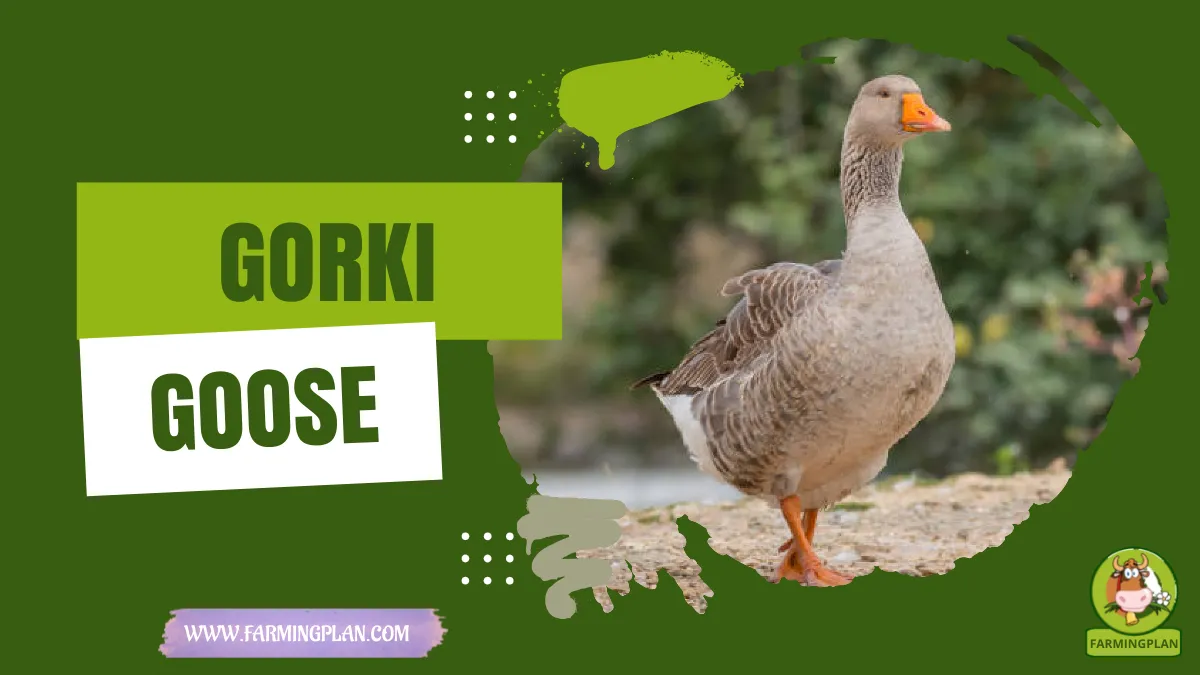
When you walk up to a Gorki Goose flock, you immediately notice their strong, upright posture. They sport clean white plumage that stays surprisingly neat even when they spend all afternoon foraging in muddy pastures. Their beaks and legs feature a bright orange color that stands out against their soft feathers. While they are not auto-sexing like color-sexing goose breeds such as the Pilgrim or Shetland, mature ganders are visibly larger than female birds.
Weight, Growth, and Egg Output
Ganders usually weigh between 7 and 8 kilograms, while adult females weigh around 6 to 7 kilograms. Their rapid gosling growth always impresses me every spring. These birds reach a solid market weight in just a few months. On top of their impressive body mass, females lay a generous batch of seasonal eggs each spring, usually averaging 40 to 50 large eggs.
Nature & Temperament of Gorki Goose
In my years on the farm, I have found this strain to be far calmer than many other domestic geese. While an African goose might trumpet loudly at every passing shadow, this breed keeps a peaceful composure. They get along great with other farm animals and quickly learn to trust their human handlers. You will find that adult ganders guard their flock dutifully without showing unnecessary aggression toward you.
Handling and Owner Compatibility
If you have children or beginner farm hands, this strain is an ideal choice. They enjoy routine and will happily waddle up to you if you carry a handful of fresh greens or grain treats. Their gentle nature makes daily flock management a pleasure rather than a chore. Just treat them with care, talk to them softly, and they will follow you around the yard like loyal puppies.
Food & Diet of Gorki Goose
Geese are natural grazers that thrive when they have constant access to lush pasture. I feed my flock a balanced mix of high-quality grains, fresh greens, and waterfowl pellets. During the spring laying season, I always provide extra calcium, such as crushed oyster shells, to keep their eggshells strong. Clean water is just as vital as feed; they require fresh water deep enough to submerge their entire heads to clear their nostrils.
Dos and Don’ts of Goose Feeding
- Do allow them to forage on fresh pasture every single day.
- Do offer coarse grit to help their gizzards grind up tough plant fibers.
- Don’t feed them stale bread, moldy grains, or sugary kitchen scraps.
- Don’t restrict their water access while they are consuming dry feed pellets.
Usage & Purpose of Gorki Goose
I always tell new homesteaders that dual-purpose waterfowl give you the best return on your effort. Breeders specifically selected this strain for meat yield and egg productivity. Their high meat-to-bone ratio makes them a staple for farm dinners, while their high egg production supports steady flock replacement every year.
Down Feathers and Weed Control
Beyond food production, these birds offer incredible secondary benefits. Their soft down feathers make fantastic insulation for bedding and winter clothing. Furthermore, they act as natural lawnmowers and weed controllers. I often turn my flock into orchard rows, where they happily clear out grass and fallen fruit without harming the sturdy tree trunks.
Special Features of Gorki Goose
Living through harsh northern winters demands extraordinary toughness. These birds possess dense plumage and thick fat layers that protect them against freezing temperatures and bitter winds. I have watched my flock happily march through cold snow showers while other poultry breeds huddle shivering inside the barn.
Foraging Efficiency
Another remarkable trait is their incredible foraging efficiency. They extract maximum nutritional value from simple grass pastures. This trait cuts down your feed bill significantly during the spring and summer months. Their low-maintenance lifestyle makes them a dream for self-sufficient homesteading.
Health Issues & Prevention of Gorki Goose
Even the hardiest waterfowl can encounter health troubles if farm sanitation slips. Watch out for internal parasites, wet feather disease, and respiratory infections caused by damp bedding. As waterfowl, they can also pick up bacterial problems if forced to swim in stagnant or dirty ponds.
Preventive Care Guidelines
- Clean and bed the night shelter with fresh, dry straw daily.
- Clean and refill all water troughs twice every day.
- Schedule regular vet checkups and perform routine worming.
- Isolate any sick birds immediately to prevent disease transmission.
Step-by-Step Farming Guide of Gorki Goose
Setting up a successful waterfowl operation requires careful planning, proper equipment, and daily attention. Over the years, I have refined a step-by-step system that guarantees healthy birds, high egg hatches, and minimal stress. Whether you raise a small backyard flock or manage a large homestead, following these structured steps will keep your birds thriving year-round.
Step 1: Secure Housing and Shelter Setup
First, build a predator-proof night shelter with solid walls and good ventilation. Gorki Goose need protection from foxes, raccoons, and wild dogs. I line the floor with a thick layer of clean wood shavings or straw to absorb moisture. Make sure the shelter allows at least six square feet of floor space per adult bird so they do not feel overcrowded during winter nights.
Step 2: Pasture and Water Area Management
Next, prepare a clean pasture area with strong perimeter fencing. Provide fresh, running water or clean troughs where your birds can dip their heads and bathe safely. If you build a pond, ensure the banks slope gently so young birds can climb out easily. Rotate your pasture plots frequently to prevent overgrazing and maintain lush green forage.
Step 3: Breeding and Nesting Preparation
During early spring, set up secluded nesting boxes in quiet corners of your coop. Fill each box with fresh straw and keep the area dark and calm. Maintain a breeding ratio of one gander to three or four females for high egg fertility. Collect fresh eggs daily if you plan to use an artificial incubator, or leave them if you prefer a broody female to hatch them naturally.
Step 4: Daily Health Checks and Sanitation
Finally, establish a consistent morning and evening routine. Check each bird every morning for signs of injury, limping, or dull eyes. Clean out wet bedding daily to stop mold growth, and scrub water containers thoroughly. A clean home keeps your flock happy, healthy, and producing at their very best.
Read More: Jinding Duck Guide for Ultimate Success
Expert Tips & Best Practices of Gorki Goose
- Keep fresh, clean water near feeding stations at all times to prevent choking.
- Rotate grazing fields every two weeks to keep grass healthy and reduce parasite buildup.
- Provide plenty of coarse granite grit to assist their natural digestive process.
- Socialize young goslings early by handling them gently every day.
- Secure coops before dusk because night predators target sleeping waterfowl.
“Raising A Happy Flock Starts With Quality Feed, Fresh Water, And Loving Daily Care.”
FAQs
How many eggs does a Gorki goose lay each year?
A female typically lays between 40 and 50 large eggs per season. They produce most of these eggs during the spring breeding month.
Are Gorki geese aggressive toward humans?
No, this breed is generally docile, friendly, and easy to handle. Male ganders may act protective during breeding season, but regular gentle handling keeps them calm.
Can Gorki geese survive in cold winter climates?
Yes, they possess thick down feathers and strong bodies built for cold weather. They thrive in freezing temperatures as long as you provide dry, draft-free shelter.
What do Gorki goslings eat during their first month?
Young goslings require an unmedicated chick starter or waterfowl starter crumb paired with fresh grass. Always ensure they have clean water right next to their feed.
Do Gorki geese need a large pond to survive?
They do not require a massive natural pond to stay healthy. A deep water trough or clean plastic wading pool works great for their daily bathing needs.
Conclusion
Raising this historic breed is a rewarding journey for any farmer, homesteader, or poultry enthusiast. These wonderful birds bring robust health, steady production, and calm personalities to your homestead. By offering secure shelter, clean water, and rich pasture, you will enjoy a thriving flock for years to come. I encourage you to share your thoughts, ask questions in the comments, and share this guide with fellow poultry keepers today!