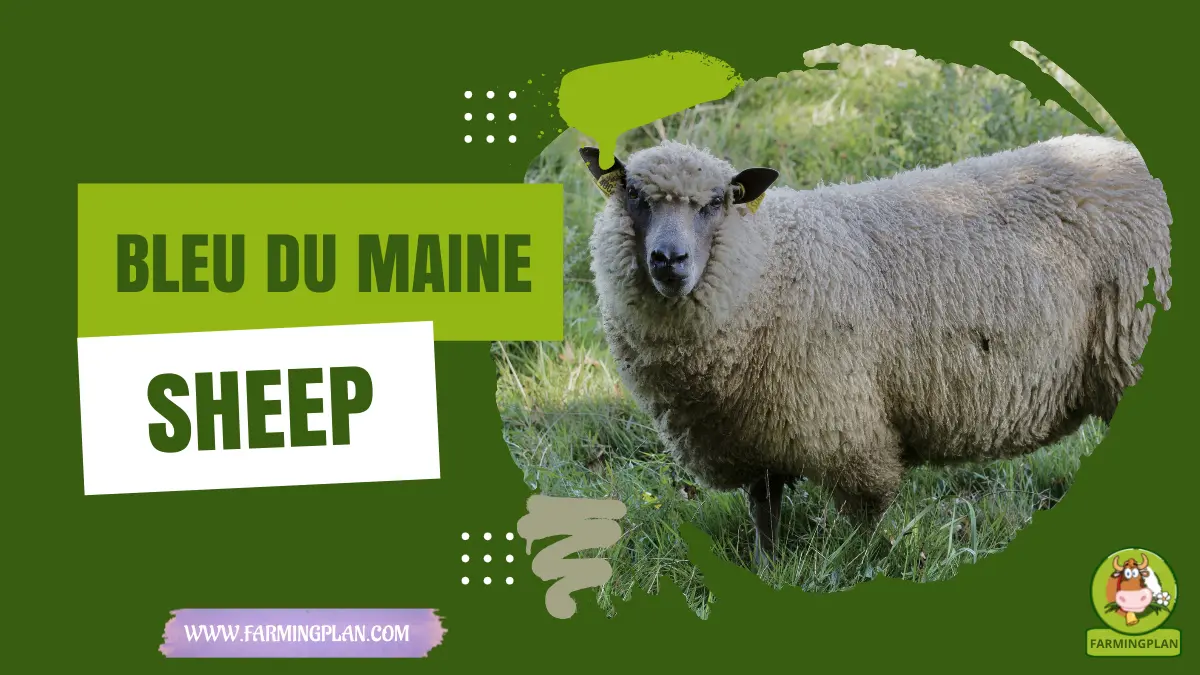
The Bleu du Maine sheep represents one of the finest livestock breeds you can bring to your farm. As a seasoned farming specialist, I always feel excited when introducing this incredible animal to fellow breeders. Originating in Western France, this large, polled sheep features a distinctive slate-blue head and an exceptionally friendly demeanor. Farmers love these animals because they combine impressive milk production, outstanding mothering traits, and rapid lamb growth. Whether you manage a small homestead or run a commercial breeding flock, these versatile sheep bring immense value to your pastures.
Their fine fleece and lean carcasses make them top-tier performers in crossbreeding programs and wool markets alike. Let us explore everything you need to know about raising these remarkable animals successfully. When you raise the Bleu du Maine sheep, you benefit from a versatile animal that excels both as a purebred stock and in commercial crossbreeding programs. Choosing the Bleu du Maine sheep guarantees strong, healthy lambs and high-quality fine wool, making the Bleu du Maine sheep one of the most rewarding investments any farmer or homestead breeder can ever make.
History & Origin of Bleu du Maine Sheep
The history of this breed traces back to the Mayenne, Maine-et-Loire, and Sarthe regions of Western France. During the 19th century, French farmers wanted to improve their local breeds, so they imported British mutton breeds like the Leicester Longwool and Wensleydale. By crossing these English sheep with native French stock, breeders created the Race Ovine Bleu du Maine. The goal was simple: produce a hardy, prolific animal with high milk yield and fast-growing lambs. Over generations, selective breeding refined these traits into the famous blue-headed sheep we recognise today.
Managing a flock of Bleu du Maine sheep is a genuine pleasure because of their calm disposition and easy handling. Ewes of the Bleu du Maine sheep breed display exceptional mothering instincts, easily raising multiples without needing artificial milk replacers. Furthermore, using a Bleu du Maine sheep ram as a terminal sire yields fast-growing, lean market lambs that perform exceptionally well in crossbreeding programs.
Official breeding registers began tracking pedigree stock in France during the mid-20th century. Recognizing their exceptional commercial value, breeders in the United Kingdom, Ireland, and Netherlands imported stock starting in the late 1970s. The Bleu du Maine Sheep Society established clear pedigree standards, performance recording databases, and export rules. Today, international agencies like the Food and Agriculture Organization of the United Nations track these animals through the Domestic Animal Diversity Information System. Despite historical agricultural changes, these sheep remain a premier choice for farmers who demand high-performing terminal sires and maternal lines.
Read More: Africanized Honey Bees: The Killer Bee Invasion of America
Characteristics of Bleu du Maine Sheep
When you look at this breed, the first thing you notice is the striking slate blue head and dark ears. They are completely polled, meaning neither rams nor ewes grow horns. They have a broad muzzle, bold eyes, and strong pasterns supporting a large, well-muscled frame. Mature rams often weigh between 100 to 120 kilograms, while ewes average around 80 to 90 kilograms. Their long bodies and wide pelvises make lambing surprisingly easy, which saves you countless sleepless nights during the spring season.
The fine fleece produced by the Bleu du Maine sheep offers another profitable dimension for breeders and hand-spinners alike. Free of dark kemp fibers, the wool from the Bleu du Maine sheep commands great appreciation in soft yarn markets. Investing in the Bleu du Maine sheep provides strong genetics, robust health, and long-term agricultural success for any serious livestock grower.
Their fleece is another outstanding characteristic that hand spinners and commercial markets love. The wool is fine, soft, and remarkably free of dark kemp fibers, making it ideal for spinning high-quality knitting yarns. Each fleece yields a solid staple length with excellent crimp and texture. In addition to purebred traits, breeders often cross them with Beltex rams to produce the famous Millennium Bleu. This cross combines the muscular conformation of the Beltex with the growth and prolificacy of the French blue-faced stock.
Nature/Temperament of Bleu du Maine Sheep
I always tell new farmers that handling these animals is a true pleasure because of their calm disposition. Unlike some nervous or aggressive breeds, these sheep display a quiet, curious personality that makes farm chores smooth and enjoyable. Their tranquil nature reduces stress levels across the entire flock during routine health checks, shearing, and pasture rotation. Even mature rams remain manageable when you treat them with steady, gentle care on a regular basis.
Their mild temperament makes them ideal for smallholders, hobby farmers, and family-run operations with young children. Ewes demonstrate exceptional mothering instincts and produce abundant milk, keeping their newborn lambs content and thriving. When you introduce new animals into your existing herd, they adapt quickly without causing aggressive fighting or pasture dominance issues. Their cooperative attitude saves you time, prevents fence damage, and creates a peaceful environment across your agricultural property.
Food & Diet of Bleu du Maine Sheep
Proper nutrition forms the foundation of a healthy, productive flock. These sheep thrive on high-quality pasture forage, clean grass, and well-managed rotational grazing fields. During the spring and summer months, lush grass provides most of the energy and protein your animals need for growth and milk production. You must provide clean, fresh water at all times, alongside balanced mineral blocks containing essential copper, selenium, and zinc.
During winter or late gestation, you must supplement their diet with good quality hay and balanced concentrate feeds. Lactating ewes need higher protein levels to support strong milk production for their fast-growing offspring. Avoid feeding spoiled silage or moldy grain, as these cause severe digestive upsets and metabolic disorders. Monitor their body condition scores regularly so you can adjust feed portions before animals become overly thin or excessively fat.
Usage/Purpose of Bleu du Maine Sheep
Farmers value these sheep primarily for their dual-purpose commercial benefits in meat and crossbreeding programs. Rams serve as outstanding terminal sires because they pass rapid, lean growth traits onto crossbred lambs. Commercial lamb producers cross these rams with native hill or lowland ewes to create heavy, high-conformation market lambs. The resulting offspring reach slaughter weight quickly while maintaining exceptionally low carcase fat levels.
Beyond meat production, ewes excel as top-tier maternal stock due to their prolificacy and heavy milk yield. They routinely produce twins and triplets while maintaining enough milk to feed every lamb without artificial milk replacers. Furthermore, their high-grade fleece provides fine wool for specialty yarn makers, craft enthusiasts, and textile markets. This combination of strong meat traits, top mothering performance, and quality wool makes them a profitable choice for modern agriculture.
Special Features of Bleu du Maine Sheep
One remarkable quality of this breed is its phenomenal lambing ease, which stems from their naturally broad pelvis and smooth shoulders. Ewes give birth with minimal human intervention, dramatically lowering mortality rates during busy lambing seasons. Furthermore, their lambs display great vigor at birth, standing up and suckling within minutes of entering the world. This early strength gives them a massive advantage in cold spring weather.
Another special feature involves their resistance to common foot problems and resilient physical stamina. Their dark hooves stay hard and tough even when grazing on damp pastures, reducing your workload for hoof trimming and footbath treatments. Additionally, their high milk-producing capacity allows them to raise fast-growing crossbred lambs like the Millennium Blue with incredible speed. These unique traits consistently set them apart from standard commercial mutton breeds.
Health Issues & Prevention of Bleu du Maine Sheep
Maintaining a healthy flock requires proactive disease prevention and sharp observational skills. Like all domestic sheep, these animals can encounter health challenges such as parasitic worms, flystrike, foot rot, and respiratory infections. You must implement a strategic deworming program based on fecal egg counts rather than arbitrary calendars to prevent parasite resistance. Inspect their fleece during warm weather to stop flystrike before larvae damage skin tissue.
Vaccination against clostridial diseases and pasteurellosis forms an essential baseline for flock protection. Administer annual booster shots to pregnant ewes six weeks before lambing to pass protective antibodies to newborn lambs through colostrum. Clean bedding, well-ventilated housing, and routine quarantine for new arrivals protect your herd against infectious diseases like Scrapie or contagious foot conditions. Regular body scoring helps you catch metabolic issues like pregnancy toxemia early.
“A Strong Flock Starts With Superior Breed Selection and Daily Passionate Care.”
Step-by-Step Farming Guide/Pet Owner Care Guide
Raising a thriving flock requires a structured approach from setup through daily management. By following a step-by-step system, you guarantee that your sheep remain healthy, productive, and secure throughout every season of the year. The Bleu du Maine sheep is truly an extraordinary breed, and integrating the Bleu du Maine sheep into your agricultural operation can completely transform your flock’s productivity. As a livestock specialist, I often recommend the Bleu du Maine sheep because the Bleu du Maine sheep combines incredible milk yields, rapid lamb growth, and an exceptionally gentle temperament.
The Bleu du Maine sheep remains one of the most versatile and high-performing breeds you can bring onto your land. As a farming specialist, I have watched the Bleu du Maine sheep consistently outperform expectations, whether on commercial acreage or small family homesteads. The Bleu du Maine sheep brings together rapid lamb growth, high prolificacy, and superb milk-producing abilities, ensuring that lambs thrive from their very first day.
Step 1: Secure Farm Setup and Fenced Pasture Preparation
Before bringing your first animals home, you must prepare secure, clean pastures equipped with strong boundary fencing. Install woven wire sheep fencing at least four feet high to prevent escapes and keep out stray dogs or predators. Divide your grazing land into multiple paddocks so you can practice rotational grazing, which breaks parasite life cycles and keeps forage fresh.
Provide sturdy field shelters or barn spaces where animals can escape heavy rain, strong winds, and scorching sun. Ensure every shelter features dry, clean straw bedding and excellent ventilation without cold drafts. Set up heavy-duty feed troughs, hay racks, and automatic waterers raised off the ground to keep feed and water contamination to a minimum.
Step 2: Selecting and Purchasing Healthy Breeding Stock
Choosing top-quality stock sets the trajectory for your entire farming operation for years to come. Buy your sheep directly from registered breeders or official society sales where you can inspect pedigree records and health history. Look for bright eyes, clean muzzles, strong teeth aligned correctly with the dental pad, and clean, alert ears. Examine the feet carefully to ensure the pasterns are upright and free from lameness or foul odors. Check rams for two well-developed, soft testicles, and inspect ewes to ensure their udders feel soft, healthy, and free from hard lumps caused by past mastitis. Always quarantine new arrivals in an isolated pen for 30 days before integrating them into your primary herd.
Step 3: Daily Feeding routines and Pasture Management
Establish a consistent daily routine for feeding and watering to keep your animals content and stress-free. Inspect your water troughs every morning to clear out debris and ensure a continuous supply of clean drinking water. During active grazing seasons, move your flock to fresh paddocks every few weeks based on grass height and pasture recovery.
Provide high-quality grass hay during winter or when dry conditions reduce pasture growth across your fields. Measure out feed concentrate portions carefully based on each animal’s age, pregnancy status, and body condition score. Always offer loose sheep minerals formulated without excess copper to keep their metabolic systems operating at peak health.
Step 4: Breeding Management and Lambing Preparation
Plan your breeding season carefully by calculating your target lambing dates based on a 147-day gestation period. Introduce healthy rams to your ewes during late autumn when natural fertility peaks across northern climates. Mark your ram with a chest harness and color crayon to track which ewes get bred and identify expected lambing dates.
As lambing approaches, move heavily pregnant ewes into clean, well-bedded indoor pens provided with fresh water and hay. Prepare a complete lambing kit containing iodine spray for navels, clean towels, sterile lubricant, lamb colostrum replacer, and stomach tubes. Monitor lambing ewes closely while allowing natural birth to proceed without unnecessary interference.
Step 5: Newborn Lamb Care and Early Management
Immediately after birth, check that the newborn lamb is breathing clearly and spray its navel with a 10% iodine solution to prevent infection. Ensure every lamb receives adequate warm colostrum within the first six hours of life to build vital immunity against diseases. Weigh newborn lambs and record their birth weights, gender, tag numbers, and parentage in your farm management database. Dock tails neatly using rubber rings within the first week of life according to local animal welfare standards. Keep ewes and their new lambs in individual bonding pens for 24 to 48 hours before turning them out into group nursery paddocks.
Step 6: Seasonal Health Checks, Shearing, and Maintenance
Schedule routine maintenance checks across every season to keep your flock operating at peak physical health. Trim hooves twice a year using sharp foot shears to prevent foot rot and maintain proper foot alignment. Schedule professional shearing in early summer to remove the heavy wool fleece before hot weather causes heat stress. Administer routine vaccinations and parasite control products based on actual flock health diagnostics and veterinary guidance. Keep detailed records of all treatments, shearing yields, lamb growth rates, and sales to track the financial progress of your farm.
Read More: Madagascar Honey Bee Mastery: Ultimate Beekeeping Guide
Expert Tips & Best Practices for Bleu du Maine Sheep
- Implement rotational grazing every three to four weeks to break intestinal worm life cycles and boost grass recovery.
- Handle your animals with calm, quiet movements to build trust and lower handling stress during routine chores.
- Test your pasture soil and forage annually to identify mineral deficiencies and adjust your supplement strategy.
- Cull ewes with poor udder health or persistent foot issues to build long-term flock resilience.
- Weigh lambs monthly to monitor daily liveweight gains and optimize market sale timing.
- Keep clean, dry straw in lambing pens at all times to prevent bacterial infections among newborns.
FAQs
How rare is a Bleu du Maine sheep?
They are considered a specialized breed outside their native France, making them relatively rare in standard commercial markets. However, active breed societies in the UK and Europe maintain strong pedigree herds.
What is the defining characteristic of this sheep breed?
The most defining feature is its dark slate-blue, hairless head combined with a polled, large-framed body. They also feature exceptional mothering ability, high prolificacy, and very fine white wool.
Are these sheep good for commercial crossbreeding?
Yes, they make excellent terminal and maternal sires for commercial lamb production. Crossing them with other breeds produces fast-growing, lean crossbred lambs with superb carcass quality.
How much wool does one sheep produce per year?
A healthy mature animal yields approximately 4 to 6 kilograms of high-quality fleece annually. Their wool features good staple length and fine fiber diameter that hand spinners highly value.
What is the temperament of this breed compared to others?
They possess an exceptionally calm, friendly, and docile temperament compared to most commercial sheep. This gentle nature makes them easy to manage during routine handling, shearing, and lambing.
Conclusion
Raising the Bleu du Maine sheep offers a rewarding and profitable journey for any passionate livestock breeder. Their unique blend of docile temperaments, outstanding milk production, rapid lamb growth, and premium wool makes them a standout addition to modern farms. By implementing proper pasture management, balanced nutrition, and structured health care, you can build a resilient flock that thrives for years to come. If you want to elevate your breeding program and experience the joys of raising this exceptional breed, reach out to your local breed society today! Share your thoughts in the comments below, pass this guide to fellow farmers, and start planning your flock improvements right away!