
Dharane Kalo Sungur pig farming offers an incredible opportunity for smallholders across the eastern hills of Nepal. As a farming specialist who has spent years working alongside smallholders, I love sharing how this remarkable black pig transforms rural homesteads. This indigenous landrace handles rugged terrain and climate challenges effortlessly, thriving where commercial breeds struggle.
Smallholders across Nepal rely on these resilient animals because they turn cheap crop byproducts, seasonal forage, and kitchen scraps into premium meat. Whether you run semi-intensive systems or traditional backyard systems, this hardy breed provides outstanding meat quality and reliable income. In this guide, I will share my hands-on insights to help you build a flourishing piggery from day one.
History and Origin of Dharane Kalo Sungur pig
The story of the Dharane Kalo Sungur pig connects deeply with the agricultural heritage of the eastern hills and eastern terai of Nepal. Local communities in Dharan recognized the value of this native black pig centuries ago. Farmers bred these animals naturally to endure steep mountain trails, unpredictable weather, and limited feed resources. Over generations, this landrace adapted to forage through local forests and farm plots, developing unbelievable survival traits.
While exotic options like the Tamworth or Saddleback entered Nepalese agricultural discussions through institutions like the National Pig Research Programme, the local Dharane Kalo Banggur remained the true heart of indigenous livestock management. Organizations like FAO Farmers Hand Book on Pig Production and dsm-firmenich emphasize preserving local breeds through DNA profiling and strategic branding. Protecting the market identity of Pakhribas Kalo Bangur and Dharane strains safeguards genetic diversity while supporting small-scale farmers across rural regions.
Read More: Bleu du Maine Sheep Breed Essential Care
Characteristics of Dharane Kalo Sungur pig
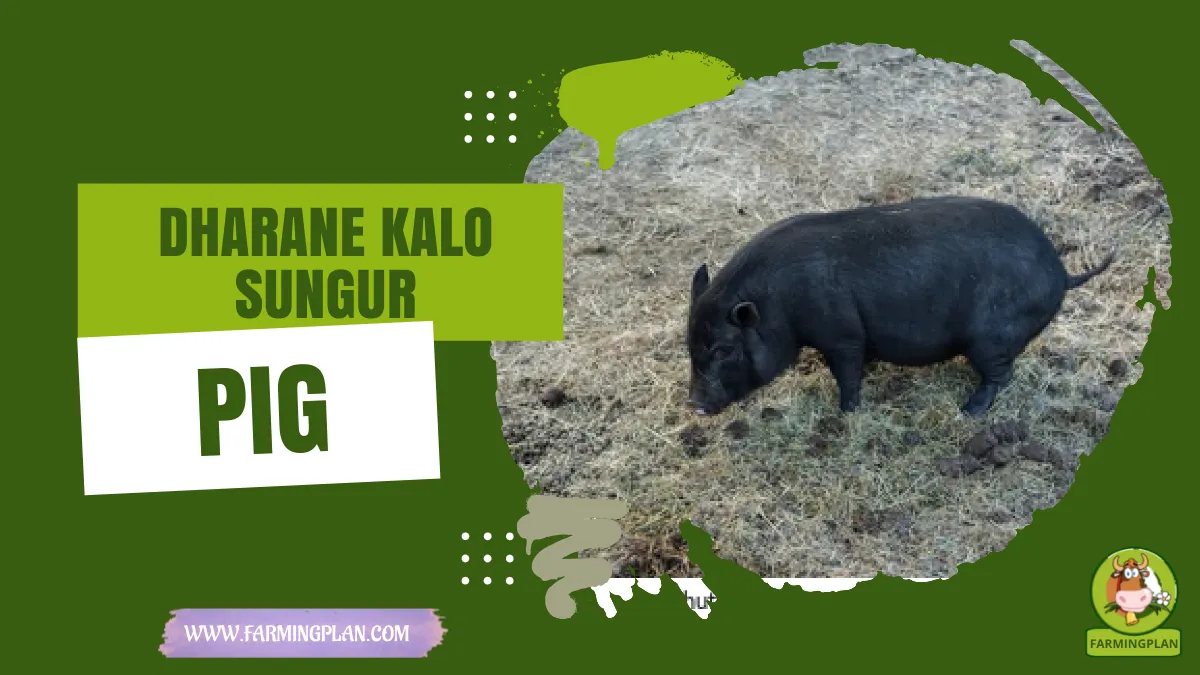
Recognizing an authentic Dharane Kalo Bangur is easy once you know what physical traits to inspect. The most famous characteristic is its deep black coat, which shields the animal from intense sunlight in both hill and terai regions. They sport a distinct long body structure built over strong legs made for walking rugged terrain. Their heads feature large ear dropping upward structures, giving them a sharp, alert appearance while protecting their eyes from field debris.
| Feature | Dharane Kalo Sungur Standard |
| Coat Color | Solid black, dense bristle coverage |
| Body Frame | Long body, lean and muscular build |
| Ears | Large ear dropping upward design |
| Average Litter Size | 7 to 10 piglets per farrowing |
| Feeding Style | Exceptional scavenging ability on roughage |
These pigs possess high natural resistance to disease, outperforming delicate imported breeds when exposed to local pathogens. Female sows maintain a great average litter size alongside a remarkable weaning rate, ensuring strong population growth for your farm. They utilize locally available feed resources efficiently, converting tough vegetable matter into lean muscle without requiring expensive commercial concentrates.
Nature and Temperament of Dharane Kalo Sungur pig
Working with Dharane Kalo Sungur pigs on a daily basis is a genuine pleasure due to their docile personality. These animals display a calm demeanor around human handlers, making routine chores like feeding, washing, and health checks stress-free. Sows show deep maternal instincts, caring for their litter attentively while allowing farmers to handle young piglets without aggression.
Their social structure fits perfectly into mixed agricultural operations alongside poultry, fish breed projects, or cattle. Their high scavenging ability keeps them active and curious during range time, yet they return quietly to their pens at sunset. Beginners and seasoned livestock handlers alike appreciate how cooperative these black pigs remain throughout their lives.
Food and Diet of Dharane Kalo Sungur pig
Feeding your Dharane Kalo Sungur pig does not require spending high amounts on commercial feed bags. These pigs excel at digesting seasonal forage, wild greens, farm weeds, and diversified crop byproducts. I always advise farmers to mix crop by products like rice bran, maize flour, and pulse husks with fresh kitchen scraps to create a balanced, cost-effective daily ration.
- Recommended Foods: Rice bran, wheat middlings, cooked tuber crops, seasonal forage, fresh kitchen scraps, and agricultural waste.
- Foods to Avoid: Moldy grains, salty raw foods, spoiled food waste, raw green potatoes, and toxic wild plants.
Ensure your herd receives abundant fresh water throughout the day. Supplementing their diet with locally sourced mineral mixtures guarantees strong bone development and boosts overall growth rates naturally.
Usage and Primary Purpose in Dharane Kalo Sungur pig
The primary purpose of raising Dharane Kalo Sungur pigs centres on high-value pork production and sustainable farm income. Pork from this black pig commands premium prices in eastern Nepalese markets due to its rich flavor, ideal fat distribution, and traditional culinary significance. Local butchers and consumers seek out Dharane branding specifically for festival feasts and cultural celebrations.
Beyond meat sales, these pigs contribute immensely to integrated farming systems. Their nutrient-dense manure serves as organic fertilizer for vegetable crops, reducing the need for synthetic inputs. Additionally, breeding stock sales offer steady revenue as demand for high-quality, disease-resistant local piglets continues to grow across the country.
Special Features of Dharane Kalo Sungur pig
The absolute superpower of the Dharane Kalo Sungur pig lies in its extraordinary environmental adaptability. It thrives across extreme elevation changes, handling cold mountain winds in the eastern hills as easily as the sweltering heat of the eastern terai. Their dark pigmentation protects them from sunburn, while their thick skin resists pest bites better than pale exotic breeds.
Another special strength involves their digestive efficiency. While commercial swine require precise protein balances, this landrace extracts maximum nutrition from low-protein farm wastes and wild roots. Their strong immune systems save farmers thousands of rupees in veterinary intervention over the lifetime of the herd.
“Raising Resilient Livestock Brings Great Joy And Steady Profits To Every Dedicated Farmer.”
Health Issues and Preventive Care of Dharane Kalo Sungur pig
Keeping your Dharane Kalo Sungur pig healthy requires proactive herd management rather than reactive emergency treatments. Although this breed boasts superior disease resistance, poor sanitation can still introduce internal and external parasites, swine fever, or respiratory infections. Implementing strict biosecurity measures ensures your animals remain vigorous and productive year-round.
- Parasite Control: Deworm your entire herd every three to four months using approved oral treatments to eliminate roundworms and flukes.
- Vaccination Schedules: Coordinate with local veterinary support to administer timely vaccines against Classical Swine Fever and Foot-and-Mouth Disease.
- Pen Sanitation: Scrub concrete floors regularly, apply lime wash to walls, and clear manure daily to prevent bacterial buildup.
- Skin Care: Provide mud wallows during hot summers to help pigs naturally shed external parasites like lice and mites.
Inspect your herd every morning during feeding. Look for early warning signs like loss of appetite, lethargy, skin discoloration, or heavy breathing, and isolate sick animals immediately for treatment.
Step-by-Step Farming Guide for Beginners
Building a successful swine enterprise requires systematic planning, proper pen architecture, and consistent daily execution. Following these detailed steps ensures high piglet survival, rapid growth, and steady profit margins. Starting a successful swine enterprise requires careful planning, proper structural setup, and consistent routine execution. Following a structured roadmap ensures high piglet survival rates and maximum financial returns.
Step 1: Planning Farm Location and Pen Construction
Choosing the right site for your swine barn determines long-term success. Select elevated ground with reliable drainage, easy road access, and protection from prevailing cold winds. Construct pens using durable materials, incorporating smooth concrete floors with a gentle slope toward drainage gutters for effortless cleaning. Ensure the roof provides adequate shade while allowing plenty of natural ventilation to control moisture and ammonia levels. Provide separate areas for boars, pregnant sows, farrowing mothers, and growing piglets to prevent overcrowding.
Build pens using low-cost local materials, incorporating smooth, gently sloped concrete floors that allow wash water and waste to drain quickly into external collection pits. Equip every pen with sturdy feeding troughs made from cement or metal to minimize food waste. Ensure fresh, clean drinking water flows continuously through automatic nipple drinkers or heavy concrete basins that pigs cannot tip over easily.
Step 2: Selecting Healthy Breeding Stock
Acquiring superior foundation stock sets the genetic potential of your entire herd. Purchase young boars and gilts from reputable breeding farms or experienced smallholders who track animal performance. Look for active, alert piglets displaying vibrant black coats, clear eyes, straight legs, and well-developed quarters free from structural defects.
Inspect the sow’s history to confirm good litter size traits and strong maternal behavior. Choose boars with masculine features, active movement, and excellent body length. Avoid purchasing animals from unverified markets where disease exposure risks are high, and isolate new arrivals for three weeks before introducing them to existing pens.
Step 3: Managing Daily Nutrition and Foraging Routines
Establish a strict daily feeding schedule to keep your animals content and growing steadily. Combine morning kitchen scraps and crop byproducts with afternoon green forage or agricultural waste. Provide lactating sows and growing piglets with higher protein rations, utilizing boiled legumes, maize meal, and essential mineral powders to support rapid development.
Allow pigs access to secure outdoor foraging yards whenever possible. Scavenging on fresh grass, roots, and fallen fruits provides exercise, reduces stress, and cuts overall feed expenditures significantly. Always verify that water containers remain clean and full, as restricted water intake severely hampers digestions and growth rates.
Step 4: Mastering Farrowing and Piglet Care
Preparing for farrowing requires clean, warm, and draft-free quarters. Thoroughly disinfect the farrowing pen two weeks prior to the sow’s expected due date and line it with clean, dry straw bedding. Guard rails installed along pen walls prevent the heavy sow from accidentally crushing small neonates during her first days post-delivery.
Monitor the birth process closely without causing unnecessary stress to the sow. Ensure newly born piglets clear their airways immediately and consume vital colostrum milk within their first two hours of life. Keep the nest warm, trim needle teeth if necessary to protect the sow’s teats, and apply iodine to umbilical cords to prevent infections.
Step 5: Implementing Routine Sanitation and Biosecurity
Maintaining flawless cleanliness around the farm building acts as your primary defense against costly disease outbreaks. Sweep out manure twice daily and wash pens thoroughly with clean water. Apply safe disinfectants weekly across all walkways, gates, and equipment to neutralize bacteria and viruses.
Restrict unauthorized visitors from entering animal quarters, and establish footbaths filled with disinfectant solutions at pen entrances. Keep wild birds, rodents, and stray animals away from feed storage bins to eliminate cross-contamination hazards. Proper carcass disposal and quarantine practices protect your investments from devastating regional outbreaks.
Step 6: Marketing and Business Expansion
Building strong market identity around your Dharane Kalo Sungur products guarantees higher profit margins. Establish relationships with local butchers, restaurant owners, and regional livestock traders well before your pigs reach market weight. Highlight the organic, free-range nature of your pork to target health-conscious consumers willing to pay premium prices.
Reinvest farm profits into modern equipment from vendors like Aarsiya Engineering Agri Machinery Solutions to streamline feed processing and daily labor. Explore expanding into high-quality breeding stock sales, selling verified piglets to fellow smallholders across the eastern terai. Strategic herd expansion coupled with smart marketing creates a highly sustainable agribusiness.
Read More: Africanized Honey Bees: The Killer Bee Invasion of America
Expert Tips and Best Practices for Swine Success
- Optimize Feed Ratios: Mix cheap local crop byproducts with small amounts of protein supplements to maximize weight gain without inflating costs.
- Maintain Detailed Records: Track mating dates, litter sizes, vaccination schedules, and sales figures to identify your most profitable breeding lines.
- Utilize Modern Equipment: Invest in feed grinders and modern waste management tools to reduce manual labor requirements dramatically.
- Integrate Farm Operations: Combine swine farming with fish culture or crop production to turn pig manure into valuable farm resources.
- Engage with Local Networks: Join local livestock cooperatives to share insights, access bulk veterinary supplies, and command better market prices.
FAQs
What makes Dharane Kalo Sungur pigs superior to exotic breeds?
This indigenous landrace offers extraordinary disease resistance, exceptional scavenging ability, and high tolerance to local climate challenges. They thrive on low-cost crop byproducts, making them far cheaper to raise than delicate exotic pigs.
What is the ideal diet for growing Dharane Kalo Sungur pigs?
A balanced diet consists of local crop byproducts like rice bran and maize flour mixed with fresh kitchen scraps, tubers, and seasonal forage. Providing clean water and essential mineral supplements ensures steady, healthy growth rates.
How many piglets does a Dharane Kalo Sungur sow yield per litter?
Sows typically produce an average litter size of 7 to 10 strong piglets per farrowing. They exhibit excellent maternal instincts, leading to a high weaning rate under simple management systems.
What housing setup works best for smallholder black pig farming?
A simple semi-intensive setup with a well-ventilated, well-drained concrete pen connected to a secure outdoor foraging yard works best. This design keeps pigs healthy while allowing them to forage naturally.
Where can I purchase genuine Dharane Kalo Sungur breeding stock?
You can acquire authentic breeding stock from established smallholders in the eastern hills around Dharan or certified government research stations. Always inspect the physical traits and health status of animals before purchase.
Conclusion
Raising Dharane Kalo Sungur pigs remains one of the most rewarding livestock investments for smallholders across Nepal today. By combining traditional hardiness with modern sanitary practices and structured feeding, you build an efficient, highly profitable enterprise. The market demand for authentic, high-quality local pork continues to rise, opening fantastic economic avenues for dedicated breeders. Take the first step today by building your foundation pens, sourcing resilient stock, and joining the growing community of successful swine farmers! Share your thoughts or questions in the comments below to start your journey!


