I love working with waterfowl, and the West Indian duck always steals the show with its stunning presence. Also known as the West Indian Whistling Duck or Dendrocygna arborea, this remarkable species holds a special place in my heart. You can easily spot this bird across the Greater Antilles, the Bahamas, and various wetland habitats throughout the Caribbean.
They thrive near coastal mangroves, marshes, and wooded ponds where they search for food. Sadly, loss of habitat and heavy predation from invasive species like the mongoose threaten their wild numbers. Today, I want to share my direct hands-on experience so you can understand their unique world, support conservation actions, and learn how we protect this iconic waterbird.
History and Origin of the West Indian Duck
I have spent years tracking waterbirds, and the historical background of this large duck is truly fascinating. Naturalists first classified the species under the binomial name Dendrocygna arborea in early scientific literature like Systema Naturae. Carl Linnaeus cataloged many species, but this bird became famous for its distinct distribution across the West Indies. Historically, large populations thrived in the Cayman Islands, Long Island in the Bahamas, and across Cuba. Local communities often referred to it as the Cuban Whistling Duck or the Mangrove Duck because of its favorite roosting spots.
Over the decades, environmental changes altered their natural range significantly. Human settlement reduced the quiet salt ponds and freshwater swamps these birds depend on for survival. Historical records from ornithology groups like the Cornell Lab of Ornithology and eBird show that early hunting and agricultural expansion shrank their territory. Today, research and monitoring program efforts help us map their current eBird Status Map. Understanding where this bird came from helps us design better protection strategies for its future.
Read More: Britannia Petite Rabbit: Best Farming Business
Characteristics of West Indian Duck
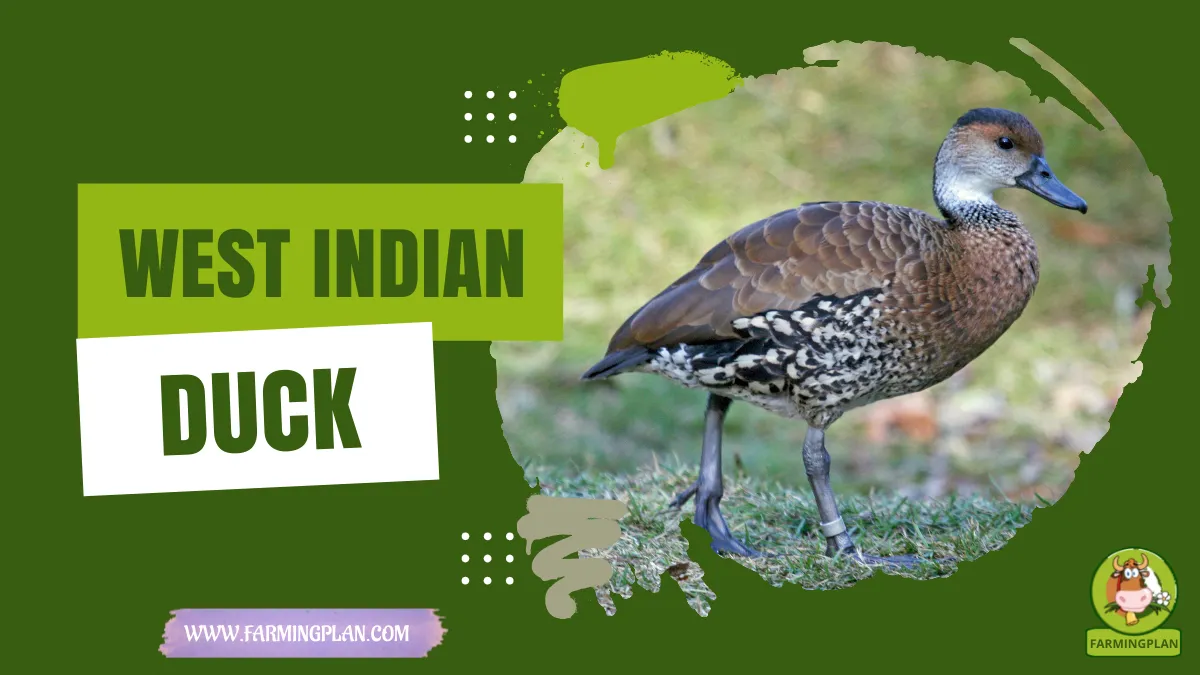
When you look at this magnificent bird, several striking visual features immediately grab your attention. It stands out as the largest member of its genus, featuring a long black bill and a light brown face. The bird sports a pale fore-neck that contrasts beautifully with heavy black markings along its flanks and belly. Its body displays rich brown and black feathers that provide excellent camouflage among root systems. Unlike the related Fulvous Whistling-Duck, this species has a darker overall plumage and distinct facial patterns.
Both males and females look remarkably similar, which often surprises new birdwatchers and caretakers. You cannot easily tell a West Indian duck male vs female just by looking at their feathers. Both sexes share the same tall posture, long legs, and dark bill structure. Their wings are broad and rounded, allowing them to fly smoothly between roosting trees and feeding sites. Observing these subtle physical details makes field identification an exciting challenge for any bird lover.
Nature and Temperament in West Indian Duck
I always tell folks that these birds possess a very secretive and gentle nature. They are primarily nocturnal, which means they spend most of the day hiding quietly in dense vegetation. During the day, they love to perch in trees or rest deep within coastal mangroves to avoid direct sunlight. When dusk settles over the marshes, they become active and move out toward their feeding grounds. Their shy behavior makes them difficult to spot unless you know exactly where to look.
These birds display a strong social bond within their flocks, often vocalizing to keep in touch. Their unique call sounds like a high-pitched, musical whistle that echoes through the night. When raised in managed habitats or sanctuaries, they remain calm as long as they feel secure. However, sudden noises or unexpected visitors will make them retreat into dark cover quickly. Respecting their quiet temperament is the key to managing them successfully in any wildlife setting.
Food and Diet Guidelines for West Indian Duck
Feeding these specialized waterbirds requires a deep understanding of their natural foraging habits. In the wild, their diet consists mainly of plant matter, seeds, fallen palm fruit, and small aquatic invertebrates. They love grazing on the fruit of the Royal Palm and foraging through shallow wetland habitats at night. If you manage them in a sanctuary, you must mimic this natural diet to keep them healthy. Provide high-quality waterfowl pellets mixed with fresh greens, cracked corn, and natural grains.
Proper nutrition prevents severe health issues and supports strong feather development. Clean, fresh water must always sit right next to their feeding stations because they swallow food with water. Avoid giving them processed bread, sugary snacks, or spoiled grains, as these items cause fatal digestive blockages. Adding small amounts of grit to their food helps them digest tough seeds efficiently. A balanced diet keeps their immune system strong and ensures vibrant plumage year-round.
Usage and Purpose of West Indian Duck
In the natural world, this species plays a vital role as an environmental indicator and seed disperser. By feeding on various fruits and aquatic plants, they spread seeds across different island wetland ecosystems. This process helps maintain diverse plant life throughout coastal mangroves and wooded ponds. For wildlife sanctuaries and conservationists, keeping these birds serves an educational purpose that inspires local environmental protection.
They also drive eco-tourism in regions like Inagua National Park and the Royal Palm Reserve. Birdwatchers from all over the world travel to spot this rare species on their eBird life lists. Raising awareness through responsible viewing helps fund broader conservation actions for endangered island species. Every single bird acts as an ambassador for the fragile Caribbean wetlands they call home.
Special Features of West Indian Duck
One of the most extraordinary traits of this species is its perching ability. Unlike standard dabbling ducks, these birds feature long toes that grip tree branches with ease. You will often see them resting high off the ground on mangrove limbs to stay safe from ground predators. This arboreal habit gives them a major advantage when selecting safe roosting locations at night.
Another unique trait is their loud, whistling voice that carries long distances over open water. Their distinctive vocalizations help flock members stay connected during night flights between islands. Furthermore, their dark brown and black patterned feathers offer supreme camouflage inside shadowy swamps. These specialized physical and behavioral adaptations make them one of the most intriguing waterfowl species in the world.
Health Issues and Preventive of West Indian Duck
Keeping these birds healthy demands constant vigilance against common avian ailments and environmental hazards. They are susceptible to internal parasites, respiratory infections, and bacterial diseases like botulism if their water supply becomes stagnant. Pesticides washed into marshes from nearby farms also pose a severe threat to their long-term health. I always monitor my birds for signs of lethargy, drooping wings, or abnormal droppings.
Preventive care starts with maintaining pristine water quality and clean living conditions. Regularly sanitize all feeding troughs and clear away rotting organic material from their enclosures. Quarantine any new bird before introducing it to an established group to prevent disease outbreaks. Working closely with an experienced avian veterinarian ensures your birds receive proper vaccinations and deworming treatments on schedule.
“Protecting Every West Indian Duck Preserves Our Island Wetland Ecosystems Forever.”
Step-by-Step Pet Owner and Care Guide of West Indian Duck
Managing this rare species requires careful preparation, dedication, and strict adherence to local regulations. Before starting, ensure you hold all required permits, as this species receives protection under policy instruments like CITES Appendix II. Here is my complete, practical guide to raising and housing these amazing waterbirds safely.
Step 1: Setting Up the Habitat Enclosure
Creating the right physical environment forms the foundation of excellent care. You need a large, predator-proof outdoor aviary that measures at least twenty feet long by ten feet wide per pair. Build the frame using heavy-gauge wire mesh to keep out invasive predators like feral dogs, cats, and rats. The floor should feature a mix of natural grass, gravel paths, and soft soil to protect their webbed feet from sores.
Incorporate plenty of vertical space inside the enclosure to accommodate their natural perching behavior. Install sturdy tree branches, wooden perches, and elevated platforms at varying heights off the ground. Plant dense, non-toxic shrubbery or potted palms inside the space to mimic their natural mangrove environment. Providing deep shade and private hiding spots allows the birds to feel secure during daylight hours.
Step 2: Installing Pure Water Systems
Water management is the most critical element when caring for any wild duck species. You must build a shallow pond or install large, durable water basins inside the enclosure. The water depth should range from six inches to two feet, allowing them to swim and bathe naturally. Ensure the pond edges feature gentle slopes so the birds can enter and exit the water without slipping or stressing their joints.
Install a continuous filtration system or commit to changing the water entirely every single day. Stagnant water quickly harbors dangerous bacteria, algae, and parasites that cause severe illness. Position freshwater drinking stations near their feeding areas, completely separate from their bathing pools. Clean, flowing water keeps their feathers waterproof and prevents dangerous skin and feather infections.
Step 3: Establishing the Feeding Routine
Setting up a consistent, high-quality feeding schedule keeps your birds energetic and healthy. Offer a commercial floating waterfowl pellet containing roughly sixteen percent crude protein for adult birds. Supplement their core diet with fresh leafy greens like romaine lettuce, spinach, and aquatic plants like duckweed. Place food in clean, elevated trays off the ground to keep pests away from their meal area.
Feed your birds twice daily, focusing mainly on late afternoon feedings to match their natural nocturnal activity. Never leave uneaten wet food inside the enclosure overnight, as it attracts wild rodents and grows dangerous mold. Provide a separate bowl of insoluble chick grit to aid their internal digestion process. Fresh, clean water must always stand right beside their food trays during every feeding session.
Step 4: Managing Breeding and Nesting Setup
If you plan to breed these birds, you must offer specialized nesting facilities that match their wild preferences. Place large wooden nest boxes elevated three to six feet off the ground attached to strong posts or trees. Fill the bottom of each box with clean wood shavings, dry leaves, or soft hay. Make sure the nest box entry hole sits high enough to give the laying female total privacy.
The female usually lays clutches containing six to twelve pale eggs over two weeks. Both parents share incubation duties, which last approximately thirty days until hatching. Keep the surrounding area extremely quiet during incubation to prevent the parents from abandoning the nest. Provide extra protein and calcium supplements to the female during the egg-laying period to maintain her bone strength.
Step 5: Raising Fledglings and Daily Maintenance
Once the eggs hatch, keep the ducklings in a warm, draft-free brooder for their first few weeks. Use low-sided water dishes so tiny fledglings can drink without any risk of drowning. Feed them a specialized starter crumble designed for waterfowl, moving gradually toward adult pellets as they grow. Monitor their growth daily and check for any signs of weakness or developmental issues.
Daily maintenance for adult birds involves checking wire mesh for breaches, cleaning water basins, and inspecting food supplies. Spend time quietly observing your flock every day to catch subtle changes in their behavior or physical appearance. Maintaining clean conditions and a low-stress environment ensures your birds live a long, healthy life under your care.
Read More: Czech Solver Rabbit Is an Amazing Breed Secret
Expert Tips and Success Strategies for West Indian Duck
- Install motion-activated lights around the perimeter of your aviary to deter nocturnal predators like raccoons and stray cats.
- Keep detailed records of egg production, hatch dates, and weight changes to track the overall health of your flock.
- Offer live mealworms or small feeder shrimp occasionally to provide mental stimulation and natural foraging practice.
- Use natural gravel around water stations to prevent mud build-up and keep feather footpads clean and healthy.
- Consult with local wildlife authorities regularly to stay updated on legal requirements and conservation guidelines.
FAQs
What is the average lifespan of a West Indian duck?
In well-managed captive environments, these birds can live between 15 to 20 years with proper care and nutrition. Wild birds often face shorter lifespans due to severe predation, habitat loss, and environmental stressors.
How can you tell a West Indian duck male vs female apart?
Males and females look virtually identical in their feather patterns, size, and bill structure. DNA feather testing or vent sexing by an experienced professional remains the most accurate way to confirm their sex.
What do these birds eat in their natural habitat?
Their natural diet consists mainly of fruit from Royal Palms, aquatic seeds, tender plant shoots, and small invertebrates. They search for food primarily at night in shallow coastal wetlands and marshes.
Why is the wild population of this species declining?
Invasive alien species like the small Indian mongoose, cane rats, and feral dogs destroy nests and prey on young chicks. Severe wetland destruction and water pollution also shrink their natural breeding territory.
Are these birds protected by international conservation laws?
Yes, they receive strict protection under international agreements, including CITES Appendix II and the Specially Protected Areas and Wildlife Protocol. These measures strictly control trade, hunting, and habitat destruction to save the species.
Conclusion
Caring for the West Indian duck is a rewarding experience that directly connects us to the vital mission of Caribbean wetland conservation. Throughout this guide, we explored their historical roots, physical traits, nocturnal habits, and detailed management steps. Protecting these waterbirds requires continuous effort, clean habitat preservation, and strong community support. By taking actionable steps today, we ensure future generations can hear the musical whistle of this beautiful species across island marshes. I encourage you to join local conservation groups, share this knowledge, and help protect our precious wetland ecosystems today! Discover how to care for the rare West Indian duck with expert tips on diet, habitat, and conservation methods.