I still remember the first time an Alaskan Malamute dog stole my heart with its majestic presence and gentle spirit. These large, powerful dogs belong to the oldest sled canine lines, combining raw athletic strength with an incredibly affectionate nature that endears them to families everywhere. When you welcome this breed into your home, you gain a loyal companion that thrives on human interaction, active daily outdoor adventures, and structured guidance.
They display remarkable endurance, a plush weather-resistant coat, and a distinctive heavy-boned structure built for hauling heavy loads across freezing landscapes. While their impressive size and wolf-like appearance might seem intimidating at first glance, their true temperament is friendly, outgoing, and deeply devoted. Throughout this guide, I will share my personal experience to help you understand their specific needs, behavioral traits, and health requirements so you can raise a happy, well-adjusted pet.
History & Origin of Alaskan Malamute Dog
The story of these heavy-duty working dogs begins thousands of years ago in the frozen Arctic regions of North America. Indigenous Paleo-Eskimo groups and later the Mahlemut tribe of northwestern Alaska bred these powerful animals to haul heavy freight across vast ice fields. Unlike smaller racing breeds that developed for sheer speed, these giants focused on strength, endurance, and surviving extreme cold climates. They worked side-by-side with human hunters to track large game, transport vital camp equipment, and protect families against harsh wilderness threats. Their historical lineage connects directly to ancient Arctic working strains rather than wild wolves, despite their stunning wild physical appearance.
During the historic Klondike Gold Rush, prospectors actively sought these capable working dogs for heavy transport across treacherous mountain passes. This high demand unfortunately led to crossbreeding with other large dogs, which temporarily endangered the pure bloodlines of the original Mahlemut working dogs. However, dedicated breeders step in during the early twentieth century to preserve the distinct AKC bloodline and official breed standard that we recognize today. The American Kennel Club officially recognized the breed in the 1930s, highlighting its historical contribution to Antarctic expeditions and wartime search-and-rescue operations. Today, modern mushers and domestic owners celebrate this rich heritage, preserving their natural working instincts through weight pull competitions, cani-cross sports, and structured sledding events.
Read More: Fengjing Pig Secrets for Master Breeders
Characteristics of Alaskan Malamute Dog
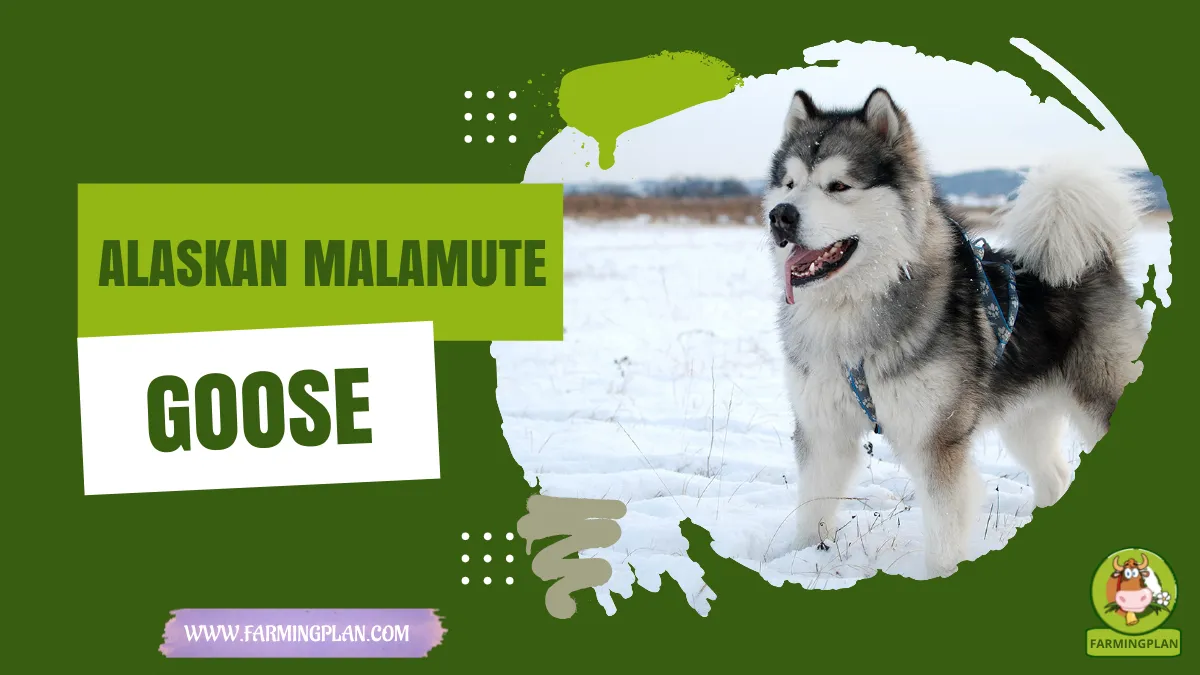
When you observe an adult Malamute, you immediately notice a deep chest, powerful shoulders, and a heavy-boned frame built for work. Males typically stand around twenty-five inches tall at the shoulder and weigh approximately eighty-five pounds, while females are slightly smaller and sleeker. Their striking face features cap-like markings, a strong muzzle, and medium-sized erect ears that remain alert to every surrounding sound. Their eyes express warmth and curiosity, always displaying rich brown tones because blue eyes represent an undesirable trait within the established AKC breed standard. Their plush tail curls gracefully over the spine, acting like a warm feather boa when they curl up in freezing snow.
Their dense double coat features a rough outer layer over a thick, oily undercoat designed to repel moisture and freezing cold air. Coat colors range from light grey shading to a rich saddle black and white coat, along with striking seal and white combinations. Some rare long-coats appear within certain litters, though standard short to medium plush coats offer the best natural protection against harsh elements. Owners must prepare for intense shedding seasons twice a year when the dense undercoat blows out completely. Regular brushing helps manage this massive hair loss while keeping their skin healthy, clean, and free from painful mats.
Nature, Temperament & Personality of Alaskan Malamute Dog
Living with these magnificent animals means welcoming a social, highly energetic pack member into your household. They possess a friendly, dignified personality that loves human interaction, making them notoriously terrible guard dogs despite their impressive physical size. They greet visitors with enthusiastic tail wags and affectionate grunts rather than protective aggression. However, their strong prey drive remains very high, meaning small neighborhood animals, outdoor cats, and tiny pets require careful management. I always remind new owners that these dogs view smaller creatures as potential game due to their primitive hunting instincts.
Their intelligence shines through every interaction, but they also possess a stubborn, independent streak that tests inexperienced handlers. They require confident leadership, clear house rules, and consistent reward-based guidance from day one. Without adequate mental stimulation and daily exercise, they easily develop destructive behavior like digging massive holes in the yard or chewing household items. They rarely bark in a traditional sense, choosing instead to communicate through expressive howls, vocal grunts, and “talking” noises. With proper socialization, they form deep bonds with children, serving as patient, playful family members that love outdoor activities.
Food & Diet Guidelines of Alaskan Malamute Dog
Proper nutrition forms the absolute foundation for keeping a large, active dog healthy throughout its life. Because these dogs possess efficient metabolisms originally suited for sparse Arctic rations, overfeeding easily leads to unwanted weight gain. High-quality commercial kibble designed for large breeds provides balanced levels of protein, healthy fats, calcium, and essential amino acids. Premium food options like Orijen LBP, Nutro LBP Lamb & Rice, or NV Instinct Rabbit deliver excellent fuel for active working muscles. Puppies require carefully measured formulas like CC Open Sky or NV Prairie LBP to ensure controlled, steady bone and joint development.
- Protein Sources: Focus on rich meats like salmon, venison, lamb, and chicken for muscle maintenance.
- Healthy Fats: Include omega-3 fatty acids to maintain a shiny fur coat and protect sensitive skin.
- Calculated Minerals: Balance calcium and phosphorus levels carefully to support heavy bone structure.
- Interactive Feeding: Use a slow feeder or toy feeding approach to provide essential mental stimulation.
Feeding adult dogs two measured meals daily helps prevent gastric torsion, a serious life-threatening stomach condition common in deep-chested breeds. Avoid free-feeding, as these dogs will happily eat far past the point of full satiation. Fresh water must remain available at all times, especially during warm weather or intense exercise sessions. I like rotating wholesome grain-inclusive recipes like Prairie Venison & Barley with grain-free options to keep their digestive systems resilient and happy. Always consult your veterinarian to adjust caloric intake based on your dog’s age, weight, and daily physical activity level.
Purpose, Sports & Modern Usage of Alaskan Malamute Dog
Historically bred for heavy transport, these powerful working dogs still excel in various modern harness sports and physical activities. They thrive when given a clear job, making them stellar competitors in weight pull contests, sledding trials, and long-distance backpacking journeys. Engaging your dog in cani-cross running or pulling a wheeled cart down rural trails provides the ultimate outlet for their natural drives. Participating in organized events, like those hosted by the Alaskan Malamute Club of Wisconsin, allows owners to connect while challenging their dogs. Spectator attendance at these dog shows highlights just how much these canine athletes love working under heavy harness pressure.
Beyond physical draft work, they occasionally serve as comforting therapy animals due to their calm, affectionate demeanor with humans. However, their independent mind and strong instinct to pull usually make them unsuitable candidates for traditional service dogs tasks. They shine brightest as rugged outdoor partners for hikers, campers, and endurance runners who explore snowy mountain trails. Keeping their working heritage alive through structured sport keeps their minds sharp and prevents boredom-related household issues. When you give them a clear pulling purpose, their entire posture brightens with proud satisfaction.
Features & Special of Alaskan Malamute Dog
One unique characteristic of this breed involves their incredible thermal efficiency, allowing them to sleep comfortably outside in sub-zero temperatures. Their dense double fur coat insulates against freezing snow while protecting delicate skin from intense summer ultraviolet rays. Their broad, snowshoe-like paws feature tough pads and webbed toes, distributing weight evenly across soft snowdrifts and icy terrain. Unlike many other large domestic breeds, their vocalizations consist of charming melodic howls that sound like ancient wilderness songs. Their physical strength remains truly astonishing, as a conditioned adult can pull heavy weight far exceeding its own body mass.
Another special feature lies in their remarkable physical endurance over extreme distances compared to fast sprinting breeds. They maintain a steady, ground-covering gait that saves energy while hauling heavy loads over difficult mountain landscapes. Their faces feature unique white mask patterns contrast against darker fur, giving every single animal a distinctive personal appearance. Their incredible problem-solving ability means they learn how to open simple door latches, push gates, and clear low fence barriers easily. These traits highlight their primitive survival instincts, reminding us of the resilient northern working heritage that shaped their evolution.
Health Issues, Prevention & Veterinary Care of Alaskan Malamute Dog
While generally robust and athletic, these large dogs suffer from specific hereditary conditions that owners must monitor carefully. Hip dysplasia and elbow dysplasia rank high among orthopedic concerns, requiring early genetic markers evaluation from responsible breeders. Conditions like progressive retinal atrophy, inherited polyneuropathy, and hypothyroidism also occur within certain family lineages. Working with breeders who utilize screening from the Orthopedic Foundation for Animals helps ensure you receive a healthy puppy. Regular veterinary wellness visits keep vaccinations current against dangerous diseases like Parvo and Distemper while maintaining reliable heartworm prevention schedules.
Preventive healthcare includes maintaining a slim physical weight to reduce stress on heavy joints as your dog ages. Rapid growth in young puppies requires careful dietary monitoring to prevent painful structural bone deformities. I recommend joint supplements containing glucosamine and chondroitin starting in early adulthood to keep cartilage smooth and mobile. Monthly heartworm prevention and flea treatments guard against environmental pests that easily hide inside their thick fur coat. By staying proactive with routine vet checkups, you help your beloved companion enjoy a long, active, and painless life.
“A Loyal Alaskan Malamute Dog Brightens Every Single Day With Boundless Love And Energy.”
Step-by-Step Care Guide of Alaskan Malamute Dog
Raising a healthy, happy companion requires patience, proper equipment, and structured daily routines right from the start. I designed this step-by-step framework to guide you through every phase of ownership, ensuring your puppy grows into a confident, well-behaved family member.
Step 1: Secure Home and Yard Setup
Before bringing your new puppy home, you must prepare a escape-proof living environment that accounts for their natural digging and jumping abilities. Install sturdy physical fencing at least six feet tall, ensuring the base buries deep into the soil to prevent underground escape routes. Do not rely on electric fences, as these dogs will easily charge right through the correction barrier if their high prey drive triggers. Check all gates for heavy-duty deadbolts, as clever paws can lift standard latches with surprising ease. Secure indoor trash cans, lift hazardous items off low tables, and set up a clean puppy play room for quiet times.
Step 2: Positive Crate Training Implementation
Crate training provides your dog with a safe, cozy den while protecting your home from natural destructive tendencies when left alone. Begin by introducing the enclosure gradually, placing delicious treats, soft blankets, and fun puzzle toys inside to build pleasant memories. Never use the kennel as a harsh punishment area, which creates fear of the kennel and leads to chronic anxiety issues. Practicing positive crate training helps establish housebreaking routines faster while giving your pet a peaceful retreat during stormy weather. Consistent kennel training ensures your dog stays calm, safe, and secure during emergency veterinary visits or travel journeys.
Step 3: Daily Exercise and Mental Stimulation Routine
An energetic working dog requires at least two hours of vigorous physical activity every single day to stay calm and settled indoors. Mix up your daily routines with long walking hikes, running sessions, weight pull games, or interactive fetch sessions in fenced areas. Incorporate food puzzles, obedience games, and scent work into your daily routine to provide vital mental stimulation that burns excess brain energy. Never leave a bored dog alone in a yard for hours, or they will dig deep holes and howl continuously. Keeping their minds and bodies busy turns a wild working dog into a quiet, contented house pet.
Step 4: Systematic Grooming and Coat Maintenance Routine
Maintaining that stunning double coat requires consistent grooming effort to keep hair loss under control throughout the changing seasons. Brush your dog at least three times a week using a sturdy slicker brush and an undercoat rake that reaches deep skin layers. During seasonal coat blowouts, prepare for daily brushing sessions to remove dense dead undercoat hair before it mats up tightly. Bathe your dog only when necessary using gentle shampoo, ensuring you dry the thick undercoat thoroughly to prevent skin hot spots. Regular grooming sessions also give you a great chance to check ears, clean teeth, and trim long nails.
Read More: Guinea Hog Pig: Full life of Guinea Hog pig
Expert Pro Tips & Best Practices of Alaskan Malamute Dog
- Establish Leadership Early: Show firm, calm guidance through positive reinforcer techniques to earn your dog’s natural respect.
- Prevent Escape Attempts: Check fence lines weekly for dug holes, loose boards, or faulty deadbolts that might let a loose dog escape.
- Keep Summer Cool: Provide shaded resting areas, cool drinking water, and air-conditioned indoor spaces during hot, humid summer days.
- Start Grooming Young: Get your puppy comfortable with paw touching, nail clipping, and brush handling during their first few weeks home.
- Socialize Constantly: Expose your young dog to diverse people, busy environments, new sounds, and other large dogs regularly.
- Avoid Over-Exercising Puppies: Protect developing joint plates by avoiding hard pavement running until your dog reaches two years of age.
FAQs
How much does an Alaskan Malamute dog price usually run for buyers?
Buying a purebred puppy from a reputable breeder typically costs between $1,200 and $2,500 depending on AKC bloodline quality. Show-quality pedigrees with extensive health clearances may cost significantly more. Always factor in ongoing costs for premium food, large crate gear, and routine veterinary care.
What are the primary differences when looking at Malamute vs Husky?
Malamutes are significantly larger, heavier-boned draft dogs built for hauling heavy loads slowly over long distances. Siberian Huskies are smaller, leaner racing dogs bred for fast running across long distances. Additionally, Huskies can have striking blue eyes, while purebred Malamutes only have brown eyes according to official standards.
Are these large dogs suitable for life in apartment spaces?
Due to their immense size, high energy levels, and tendency to howl loudly, they generally do not thrive in cramped apartments. They require spacious homes with large, securely fenced yards where they can burn off energy safely. Without room to stretch, they easily become frustrated and destructively vocal.
How often do these dogs shed their thick fur coats?
They shed moderately year-round, but they completely “blow” their dense undercoat twice a year during seasonal temperature shifts. During these periods, heavy clumps of loose hair drop constantly, requiring daily brushing with specialized rakes. Investing in a powerful vacuum cleaner is essential for keeping household floors hair-free.
Can these strong dogs work effectively as family guard animals?
Despite their powerful physical size and wolf-like appearance, they make terrible guard animals because they love human interaction. They typically greet strangers with friendly tail wags and affectionate vocalizations rather than defensive protective behavior. They might look intimidating, but their true heart remains completely warm and social toward people.
Conclusion
Welcoming an Alaskan Malamute dog into your family offers a deeply rewarding journey filled with active outdoor adventures, loyal companionship, and heartwarming daily moments. These powerful working dogs bring incredible energy, physical beauty, and affectionate charm into any home ready to meet their exercise and leadership needs. By providing structured training, nutritious meals, regular grooming, and plenty of love, you unlock the absolute best qualities this ancient northern breed offers. If you feel ready to open your heart and home to an unforgettable companion, share your thoughts below or reach out to local breed rescues to meet your new best friend today! Discover how the Alaskan Malamute dog brings joy to your home