I love walking into my pasture every morning to greet my gentle Meishan Pig herd as they grunt softly near the feeding trough. Raising these remarkable heritage animals on my homestead completely changed how I look at modern pork production and sustainable farming. In this comprehensive guide, I will share my personal journey, practical advice, and essential breed facts so you can decide if these incredible hogs fit your farm goals.
Whether you want to explore the Meishan pig price for investment, check out Meishan pig for sale listings, or learn about Meishan pig meat quality, I have got you covered. From understanding their gentle nature and unique Meishan pig weight potential to maximizing Meishan pig meat yields on low-input pasture, we will explore every single detail together. Grab a cup of coffee and join me as we look into the fascinating world of this historic Chinese swine breed!
History & Origin of Meishan Pig
When I first brought this Chinese breed of pig to my farm, I spent hours researching its fascinating historic background. These Asian pig breeds originate from the temperate Lake Taihu region in Jiangsu Province, China. Chinese farmers carefully developed these pigs over hundreds of years to thrive on small holder farms with high-roughage diets. In the late twentieth century, institutions like USDA Agricultural Research Service, Iowa State, and the University of Illinois imported purebred meishans to study their exceptional reproductive efficiency and unique digestive system.
Today, conservation effort organizations like The Livestock Conservancy and the American Meishan Breeders Association (AMBA) work tirelessly to protect these animals. Because they hold a Threatened conservation status, buying a registered Meishan pig supports vital genetic diversity. Their history shows incredible adaptation, making them a crucial piece of living agricultural history that modern homesteaders must treasure and preserve.
Read More: Deoni Cattle: Master The Ultimate Hardy Breed
Characteristics of Meishan Pig
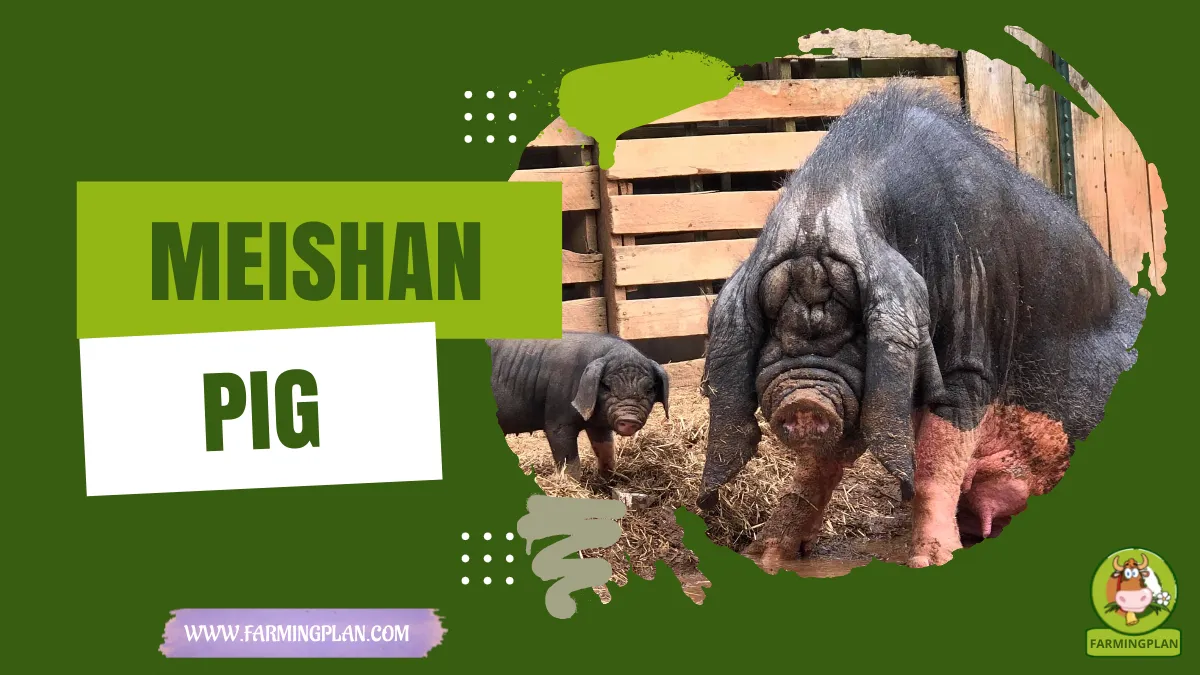
If you walk past my swine pens, you instantly notice the iconic look of the Meishan hog. These animals possess striking black skin, heavy facial wrinkles, and large drooping ears that cover their faces. When people ask me about Meishan pigs size and average Meishan Pig lifespan, I always point to their hardy frame and docile lifestyle. A mature sow or boar can easily reach a substantial Meishan pig weight of 400 to 600 pounds, yet their low center of gravity makes them look wonderfully compact and sturdy.
Underneath their thick coat, their unique genomic traits and structural variations set them apart from standard commercial pigs. Genetic studies involving the Duroc genome, Tibetan pig, and reference genome reference MSCAAS v1 show key genetic changes in developmental markers like IGF2R. These traits explain their extraordinary coat color, slow growth rate, and remarkable micro marbling potential. Every time I evaluate a breeding pair, I marvel at how these distinct physical traits contribute to their overall health and longevity.
Nature/Temperament of Meishan Pig
I often tell new swine breeders that working with these hogs feels totally different from handling skittish modern breeds. Their calm nature makes them ideal for families, hobbyists, and homesteaders who want a stress-free livestock experience. Sows display extraordinary maternal instincts, staying relaxed even during farrowing when tiny piglets scramble around the nesting area. I rarely need heavy gates or aggressive handling techniques because my boars respond so well to gentle words and treats.
Homesteading Tip: Treat Your Animals With Kindness Every Day And They Will Reward You With Unmatched Trust And Calm Behavior.
Their friendly personality reduces farm stress significantly for everyone involved. Kids can walk through the pasture safely without fearing sudden aggressive outbursts from protective mothers. This quiet demeanor also translates to lower fence maintenance, as they seldom attempt to break out or cause trouble. If you value peace and quiet on your farm, this gentle heritage breed offers an unbeatable experience.
Food & Diet of Meishan Pig
Feeding my herd stays affordable because their specialized digestive system processes fiber far better than typical white hogs. I feed my pigs a balanced mix of forage, pasture grasses, and high-quality feeds while avoiding unnecessary chemical additives. They thrive on soy free feed and Non-GMO corn blends, converting roughage into high-value meat efficiently. You must monitor their intake carefully because their efficient metabolism can cause excess fat accumulation if you overfeed concentrated grain rations.
- Dos: Provide unlimited fresh water daily to support healthy digestion and hydration.
- Dos: Offer high-quality pasture grasses, vegetables, and alfalfa hay during winter months.
- Don’ts: Do not feed moldy grain, salty scraps, or processed garbage to your swine.
- Don’ts: Avoid overfeeding heavy grain rations to growing stock, which causes excessive backfat.
Balancing their diet ensures strong bone growth and maintains ideal body condition without soaring feed bills. I love watching my pigs happily graze alongside cows, turning natural pasture growth into valuable farm resources. By managing their feed plan correctly, you maximize herd health while keeping your homestead feed costs manageable year-round.
Usage/Purpose of Meishan Pig
Farmers raise these remarkable animals primarily for high-end culinary pork, artificial insemination projects, and conservation breeding programs. The Meishan pig meat quality stands out in the culinary world, offering incredible micro marbling that chefs crave for charcuterie license applications. When I process a fat hog, the deep red pork belly creates incredible char siu pork belly and mouthwatering slow-cooked pulled pork. Their high meat yield and rich fat profile make them popular for specialty butcher shops and premium farm sales.
Aside from meat production, these hogs excel in sustainable farming systems and small scale breeding enterprises. A high fecundity sow yields massive litters, giving breeders strong returns through piglet sales and breeding pair packages. Homesteaders also value their gentle soil tilling habits, which help clear garden plots without destroying the topsoil structure. Whether you focus on farm-to-table sales or rare genetics preservation, these versatile hogs fit every vision perfectly.
Special Features of Meishan Pig
The defining superpower of this breed lies in its astonishing reproductive capacity and extreme climate resilience. A healthy, mature pregnant sow often produces a massive litter size of 15 to 20 healthy piglets without assistance. Their early sexual maturity allows breeders to establish productive herds much faster than conventional commercial swine programs allow. Furthermore, their dark skin provides excellent sun resistance, preventing painful sunburns during hot summer months on open pasture.
In my experience, their strong disease resistance and calm mothering behaviors lower piglet mortality rates drastically. They adjust smoothly to freezing cold winters and humid summer weather without requiring expensive climate-controlled housing setups. Their unique capacity to turn low-grade forage into rich, tender pork makes them stand out among all heritage swine choices. Investing in these rare qualities brings long-term resilience and productivity to any agricultural operation.
Health Issues & Prevention of Meishan Pig
Maintaining a healthy herd requires consistent preventive care, clean bedding, and regular parasite management protocols. While these heritage hogs boast robust immune systems, they can still contract common swine ailments if kept in muddy, overcrowded pens. I inspect my herd every morning to catch early signs of illness before problems spread through the pasture.
- Erysipelas: Causes diamond-shaped skin lesions and fever; treat quickly with penicillin and vaccinate annually.
- Internal Parasites: Causes rough coats and poor weight gain; prevent by rotating pastures and deworming regularly.
- Mange Mites: Causes severe itching and hair loss; treat with topical sprays or injectable ivermectin promptness.
- Foot Rot: Results from wet bedding and standing mud; keep shelters clean, dry, and well-drained.
I keep a clean health logbook to track vaccinations, deworming schedules, and individual sow farrowing histories accurately. Providing well-ventilated shelters protects your herd from drafty conditions while maintaining dry bedding reduces foot problems significantly. Simple daily observations combined with proactive sanitary measures ensure your swine remain robust and profitable for years to come.
“Raising Pigs Brings Pure Joy When You Choose Friendly Heritage Genetics Every Single Morning.”
Step-by-Step Farming Guide for Meishan Pig
Starting your journey with this gentle heritage breed requires proper preparation, solid fencing, and comfortable housing arrangements. I remember setting up my first swine pen years ago, learning that simple, sturdy structures work far better than overly complicated designs. In this step-by-step section, I will guide you through every phase of raising these animals successfully on your land. From building secure paddocks to managing giant litters, these practical steps will save you time, money, and frustration down the road.
Step 1: Shelter Setup and Fencing Essentials
Before bringing your first piglets home, build secure fencing and a weather-tight shelter to protect your investment. I recommend woven wire fencing reinforced with one strand of electric wire near the ground to stop rooting behaviors. Your housing structure must offer clean bedding, proper roof ventilation, and shade during hot summer days. Make sure the shelter ground sits higher than the surrounding area to prevent rainwater accumulation inside the sleeping zone.
Provide at least 50 square feet of housing space per adult pig to ensure comfort and prevent crowding stress. Deep straw bedding keeps them warm during cold winter nights and helps cushion their joints as they rest comfortably. Ensure water troughs stay anchored securely, as even calm hogs love pushing loose buckets around the barnyard. Completing these setup tasks properly guarantees a smooth transition when your new stock arrives on the farm.
Step 2: Selecting Quality Breeding Stock and Genetics
Acquiring healthy, registered stock from reputable breeders ensures long-term success for your farm or homestead setup. Look for active animals with clear eyes, strong legs, soft skin, and classic breed facial wrinkles. Verify registration credentials through the American Meishan Breeders Association to guarantee pure genetics and support breed conservation goals. Ask the breeder about litter size histories, parental temperament, and overall herd health practices before making your final selection.
Examine the teat line on prospective sows carefully, ensuring she possesses at least 14 to 16 well-spaced, functional teats. Check young boars for strong conformation, sound hoof structure, and calm behavior toward humans during handling routines. Buying high-quality stock costs more initially, but exceptional genetics pay for themselves through healthy litters and superior pork yields. Taking time to source top-tier animals builds a strong foundation for your future agricultural enterprise.
Step 3: Daily Feeding Rations and Water Management
Establishing a consistent feeding routine promotes steady weight gain, robust health, and excellent gut function across your herd. Feed young growing stock a balanced 16% protein ration alongside fresh pasture or alfalfa hay for optimal development. Mature adults maintain body condition easily on lower protein feeds combined with quality pasture, surplus garden produce, and clean water. Always provide continuous access to fresh water, as a single adult pig drinks several gallons daily.
Monitor individual body condition scores weekly to avoid overfeeding fat onto breeding sows and boars. Adjust grain rations upward during freezing winter weather to help animals generate body heat naturally without losing weight. Clean out feed troughs regularly to prevent moldy grain buildup that causes digestive upset and respiratory issues. A well-managed feeding program preserves your feed budget while keeping your swine energetic, healthy, and growing predictably.
Step 4: Farrowing Preparation and Newborn Piglet Care
Preparing for a farrowing sow requires creating a clean, draft-free nesting box filled with dry straw bedding. Watch for natural nesting behaviors, swollen udders, and strong contractions, which signal that farrowing will begin shorty. Stay nearby during delivery to monitor progress, but let the sow work naturally unless severe complications arise. These sows make incredible mothers, carefully stepping around their newborn piglets to avoid crushing them in the nest.
Dip newborn umbilical cords in iodine solution to prevent bacterial infections and ensure piglets nurse colostrum promptly. Provide a heated creep area where tiny piglets can rest safely away from the sow’s larger body weight. Weigh piglets early to track individual growth rates and ensure every baby gets equal access to milk. Proper farrowing management guarantees high piglet survival rates and sets your herd up for fantastic productivity season after season.
Read More: Ankamali Pig Guide: Learn Essential Breeding Advice Today
Expert Tips & Best Practices for Meishan Pig
Over my years of raising these amazing animals, I have discovered small tricks that make daily herd management easier. Implementing these proven practices improves farm efficiency, safeguards pig health, and elevates your overall farming experience significantly.
- Rotate Pastures Regularly: Move your herd to fresh paddocks every few weeks to break parasite cycles naturally.
- Provide Mud Wallows: Create shallow wallows during summer heat to help pigs cool off and protect their skin.
- Handle With Treats: Train your hogs to follow buckets of fruit scraps for smooth, stress-free herd movements.
- Keep Precise Records: Track farrowing dates, weights, vaccinations, and sales details using a dedicated farm logbook.
- Socialize Young Piglets: Spend daily time petting young piglets so they grow into calm, easily managed adult swine.
Adopting these simple habits saves valuable time and minimizes potential problems around your agricultural homestead. Strong management practices produce happy animals, higher meat quality, and a deeply rewarding livestock experience every single day.
FAQs
What makes the Meishan pig meat quality so special?
The meat offers incredible micro marbling and deep crimson color that produces intense flavor and tender texture. Chefs love using this rich heritage pork for high-end charcuterie, slow-cooked dishes, and cured products.
How big do Meishan pigs get at maturity?
Mature sows and boars typically weigh between 400 and 600 pounds when fully grown. Despite their large weight, their low center of gravity keeps them compact and very manageable on pasture.
Are Meishan pigs suitable for small homesteads?
Yes, their exceptionally calm temperament and gentle grazing habits make them perfect choices for small homesteads. They cause less ground damage than commercial breeds and interact safely with family members and farm visitors.
How many piglets do Meishan sows usually have per litter?
A healthy sow routinely produces large litters averaging between 14 and 20 healthy piglets. Their abundant milk supply and strong maternal instincts ensure high survival rates for large litters.
How long do Meishan pigs live on average?
When given proper care, nutritious food, and secure housing, these heritage hogs live between 10 and 15 years. Their robust genetic health and resilient immune systems contribute significantly to their long lifespan.
Conclusion
Raising this rare Chinese swine breed offers an incredible opportunity to combine heritage conservation with rich farm productivity. Throughout this guide, we explored their historic Taihu Basin roots, docile temperament, efficient feeding habits, and world-class pork marbling. Adding these gentle, heavy-littering hogs to your homestead brings genuine joy, outstanding farm-to-table meat, and sustainable agricultural success. If you feel inspired to preserve rare livestock and upgrade your farm, start exploring local breeders today. Contact a certified AMBA breeder, visit a local farm, or join our community discussions below to share your experiences and start your own breeding journey now! Discover how the gentle Meishan pig boosts homestead productivity with incredible marbling, massive litters, and calm behavior. Read my complete guide!