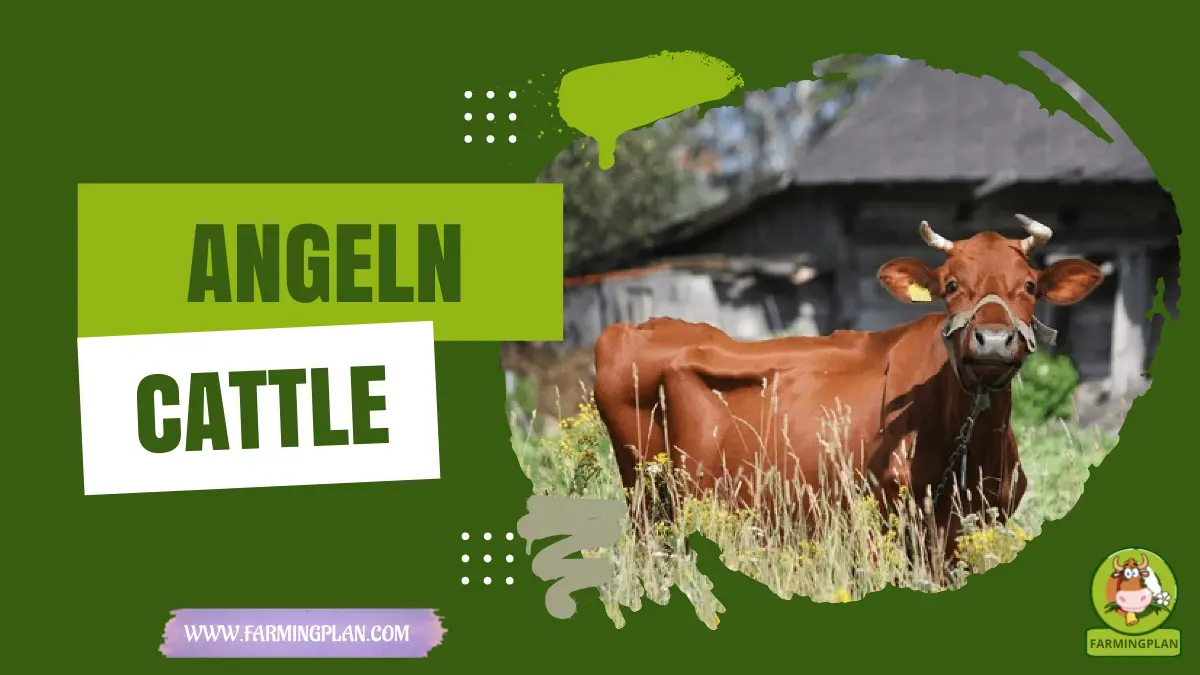
As a longtime livestock specialist, I always love talking about Angeln Cattle because they truly stand out in any pasture. This remarkable German breed comes from the scenic peninsula Angeln in Northern Germany near the Schlei Firth. Farmers praise this Red dairy breed for producing high butterfat and rich milk with excellent protein percentages.
Whether you compare them to Ayrshire cattle, Red Holstein breed, or Jersey cows, these red cows bring amazing value to your homestead. They offer high milk solids, incredible calving ease, and legendary hardiness that keeps calf losses low. In this detailed guide, I will share my hands-on experience with Angeln Cattle characteristics, feeding, daily care, and breeding success.
History & Origin of Angeln Cattle
I have spent years studying traditional farm animals, and the history behind this German Buttercow fascinates me every single time. Back in the 16th Century, farmers in the Angeln region began selecting local red cows for superior milk yield and rich butter production. They used simple water power and the legendary Rotary butter churn to craft premium butter for eager mail order customers across Central Europe. Historical illustrations at the Landschaftsmuseum Angeln show how deeply rooted these red cows are in rural European heritage.
Over the centuries, breeders focused on improving herdbook status and milk recording to track performance reliability. The breed gained worldwide fame for high butterfat, strong health testing standards, and a robust kappa-casein B gene that makes their milk perfect for local cheese production. In fact, livestock experts used Angeln cattle genetics to develop other famous stock like Byelorussian, Latvian, Lithuanian, Estonian, and Red Steppe cattle in the former Ukrainian SSR and Udmurt ASSR.
Today, conservation-minded keepers protect these traditional cows to prevent extinction and save vital farm biodiversity. The global Slow Food movement even recognized the breed in its prestigious Ark of Taste, managed alongside the University of Gastronomic Sciences in Pollenzo. While modern farms sometimes cross them with Swedish Red bulls or Viking Genetics, purebred Angeln cattle remain a true treasure of European agriculture.
Read More: Garbonosa Goose Care: Ultimate Farming Guide
Characteristics of Angeln Cattle
When you walk into my barn, you can instantly recognize Angeln cattle by their striking deep red coat. Their shiny coat ranges from light red to rich mahogany, giving them a beautiful look compared to Angus cows or spotted Holstein herds. They possess a strong, medium-sized frame with well-balanced legs and dark, hard hooves that resist rot. A well-built cow shows a well-attached udder with proper teat placement, which makes machine milking or hand milking very easy for farm workers.
Beyond their lovely red hair, their body shape reflects centuries of dedicated dairy breeding. They weigh enough to offer good meat value as fattening animals, displaying beef marbled with fat and excellent water holding capacity. Their genetic profile features the desirable kappa casein gene, which gives their milk top-tier cheese-making power. When I look at my herd, I see healthy animals built to thrive on simple pasture forage.
| Physical Feature | Angeln Cattle Specification |
| Coat Color | Deep Red to Mahogany |
| Average Cow Weight | 550 kg – 650 kg |
| Primary Use | High-Fat Dairy & Quality Beef |
| Milk Traits | High Butterfat & Protein (Kappa-Casein B) |
These compact cows move with grace across rocky fields or wet pastures. Their strong hide and dense hair protect them against harsh wind, biting rain, and sudden cold snaps. You will quickly notice how well their sturdy build fits both tiny hobby homesteads and big commercial dairy farms.
Nature/Temperament of Angeln Cattle
I always tell new farmers that temperament matters just as much as milk yield when picking farm animals. Angeln cattle shine brightly here because they display a quiet, friendly, and gentle personality every single day. They stay calm during routine milking, health checkups, and hoof trimming sessions. Even young farm kids can learn basic chores around these peaceful cows without feeling nervous or scared.
Their easygoing nature reduces stress in the barn, which naturally keeps your daily milk output high and steady. Mothers show great maternal instincts, caring for newborn calves with patience and tender affection. They integrate smoothly into mixed herds alongside Brown cows, Heck cattle, Cadzow cattle, or Corsican cattle without causing aggressive pasture fights. Their sensible behavior saves you time, prevents barn accidents, and makes everyday animal husbandry a genuine pleasure.
Food & Diet of Angeln Cattle
Proper nutrition keeps your dairy cows healthy, active, and productive through every season of the year. I feed my herd high-quality conserved forage, crisp grass hay, and fresh pasture crops to maintain top performance. These natural foragers turn simple green grass into rich, creamy milk loaded with milkfat and protein. You do not need expensive grain mixtures to keep them in peak physical condition.
Always provide clean, fresh water because milk production demands constant hydration throughout the day and night. During cold winter months, I supplement their feeding regimen with balanced mineral mix blocks to support their immune systems. Avoid sudden feed changes, moldy hay, or dirty water, as these mistakes disrupt rumen digestion and lower milk quality.
Usage/Purpose of Angeln Cattle
While most farmers raise them primarily as a top-tier dairy breed, these red cows offer wonderful dual-purpose value. Their rich milk yields impressive amounts of butterfat, perfect for farm-fresh butter, thick cream, and artisanal cheese. Local creameries love buying their milk because the high milk solids create smooth textures and incredible gourmet flavors.
In addition to legendary dairy production, cull cows and steers yield high-quality beef for direct farm sales. Their meat displays rich flavor, good marbling, and high water holding capacity that local butchers appreciate. Smallholders love this dual revenue stream because it creates financial stability throughout the entire farming year.
Special Features of Angeln Cattle
One major advantage I see in my herd is their incredible genetic resistance to common udder issues like mastitis. Their robust immune systems save farmers thousands of dollars in veterinary bills and medication costs every year. Furthermore, genomic breeding value estimation proves their high performance reliability across diverse climate conditions.
Another rare quality is their outstanding calving ease, which means you will rarely need emergency vet assistance during birth. Their high longevity allows cows to produce milk for many lactations without losing physical strength or structural integrity. These rare qualities make them a smart long-term investment for any forward-thinking farmer.
Raising Angeln Cattle brings rich milk and big rewards to your everyday farm routine.
Health Issues & Prevention of Angeln Cattle
Even though these cows boast exceptional genetic health, smart farmers always practice careful preventive management on the farm. Common cattle issues like bloat, hoof rot, and seasonal parasites can occasionally affect individual animals. I maintain strict health testing protocols, clean housing quarters, and regular rotational grazing to keep diseases away from my barn.
- Bloat Prevention: Introduce lush spring pastures slowly to prevent dangerous gas buildup in the rumen.
- Hoof Care: Inspect hooves twice a year and maintain dry bedding to stop bacterial foot infections.
- Parasite Control: Rotate pastures frequently and run scheduled fecal checks to direct your deworming strategy.
- Vaccination Schedule: Work closely with a local veterinarian to keep herd shots up to date.
Good airflow in the barn prevents respiratory trouble during humid summer months or damp winter spells. Regular milk recording helps you catch subtle drops in yield that might signal early health issues. By staying proactive, you preserve herd health and ensure top-quality milk output every day.
Read More: Aracena Cattle Guide: Discover Remarkable Spanish Breeds
Step-by-Step Farming Guide for Angeln Cattle
Starting your own livestock operation requires solid planning, clear steps, and practical daily execution strategies. I created this comprehensive step-by-step framework to guide you from initial farm setup to thriving daily management. Following these structured instructions helps you avoid costly beginner mistakes and builds a profitable farm setup.
Step 1: Planning Your Pasture and Secure Housing
Before bringing your first cows home, you must prepare secure fencing and clean pasture spaces. I recommend strong perimeter fencing with powered electric wire runs to keep cattle safe from local predators. Build a well-ventilated shelter or barn space that shields animals from harsh winter storms and blazing summer heat. Ensure every stall has dry straw bedding, sturdy feed bunks, and clean water troughs. Taking time to build solid farm infrastructure saves massive stress and prevents costly animal escapes later.
Step 2: Selecting Quality Foundation Stock
Selecting the right animals forms the core foundation of your future dairy success. Look for registered stock with strong herdbook status, clean health testing records, and proven genomic breeding value estimation background. Inspect the physical body structure, udder attachment, leg posture, and overall eye brightness before buying any animal. I always check maternal milk recording data to ensure strong milk yield and high butterfat potential. Purchasing high-quality starter stock pays off quickly through healthier calves and reliable dairy output.
Step 3: Establishing Daily Feeding and Milking Routines
Consistency is the absolute secret to managing happy, productive dairy animals on your homestead. Set fixed morning and evening times for feeding, watering, pasture turnout, and thorough milking sessions. Clean the teats carefully before milking to keep bacteria out of your fresh milk buckets or storage tanks. Provide clean, high-fiber forage and fresh water right after milking to keep cows content and relaxed. Sticking to a calm daily routine maximizes milk output while building great trust between you and your herd.
Step 4: Managing Breeding and Calving Care
Smart breeding management board protocols keep your herd expanding smoothly year after year. Monitor heat cycles carefully or coordinate with experts using Swedish Red bulls or Viking Genetics artificial insemination options. Keep detailed records of breeding dates so you can prepare cozy, clean calving stalls well before due dates. Provide extra nutrition during late pregnancy to support calf growth and prepare the mother for strong milk production. Thanks to their natural calving ease, most births happen smoothly without complicated manual intervention.
Expert Tips & Best Practices for Angeln Cattle
- Track Milk Metrics: Log daily milk yields to spot top-performing cows and detect early health changes.
- Maintain Pasture Rotations: Move cattle between paddocks regularly to optimize forage growth and control worm life cycles.
- Focus on Teat Hygiene: Clean and sanitize udders thoroughly before and after every single milking session.
- Offer Free-Choice Minerals: Keep high-quality loose minerals available to prevent metabolic deficiencies in high-producing cows.
- Invest in Good Genetics: Use top-rated bulls to continuously improve butterfat percentage and overall herd longevity.
FAQs
What makes Angeln Cattle milk special for cheese production?
Their milk contains high butterfat levels, rich milk solids, and the desirable kappa-casein B gene. This unique genetic combination dramatically improves cheese yield, coagulation speed, and final texture.
Are Angeln Cattle suitable for small family farms?
Yes, their calm temperament, medium frame size, and efficient foraging habits make them ideal for small homesteads. They convert pasture grass into high-value milk without requiring expensive commercial feed setups.
How does Angeln Cattle health compare to other dairy breeds?
They demonstrate superior disease resistance, low rates of mastitis, and exceptional hardiness compared to high-input modern breeds. Their strong legs and hard hooves keep them active and productive for many lactations.
How do Angeln cattle compare to Red Holsteins?
While Red Holsteins produce higher raw milk volume, Angeln cows offer richer milk solids and better butterfat content. Angeln cows also demonstrate higher disease resistance, superior hoof health, and better longevity on pasture-based systems. They require less intensive feed concentrates to maintain good body condition.
Where did the Angeln cattle breed originate?
The breed originated in the Angeln peninsula located in Schleswig-Holstein, Northern Germany along the Baltic coast. Local farmers bred these dark red cows for centuries to produce premium butter and cheese products. They represent one of the oldest recorded red dairy breeds in European history.
Conclusion
Raising these iconic red cows offers incredible rewards for modern homesteaders, dairy farmers, and conservationists alike. Their legendary butterfat levels, easy calving traits, and calm personalities make them an absolute joy to manage every single day. By following proper nutritional care, maintaining clean housing, and using smart breeding practices, you build a sustainable and highly profitable livestock operation. Join the growing community of dedicated breeders today by adding these magnificent red dairy cows to your pasture, and share your farming experiences with us in the comments below! Discover amazing Angeln cattle for high butterfat milk production.