Mallard Duck is one of the most familiar wild duck species you’ll see in lakes, ponds, and marshes across the Northern Hemisphere. I’ve worked with many duck breeds over the years, and I always find Mallards fascinating because they combine beauty, adaptability, and strong survival instincts. These dabbling ducks don’t dive deep like some species—they feed by tipping forward in water, searching for seeds, insects, and aquatic vegetation.
You might be curious about Mallard duck drawing ideas, cartoon styles, or even whether Mallard ducks can fly—and yes, they’re excellent flyers with strong migratory habits. From their iconic iridescent green head in males to the subtle brown tones of female mallards, they’re truly eye-catching. In this guide, I’ll walk you through everything—from their history and characteristics to feeding, breeding, and practical care tips for beginners and experienced farmers alike.
History & Origin
Mallards have a long and rich history that goes back thousands of years. Their scientific name, Anas platyrhynchos, was first classified by the famous taxonomist Carl Linnaeus in Systema Naturae. This species belongs to the Anatidae family, which includes ducks, geese, and swans. Mallards are native to the Northern Hemisphere, especially North America, Europe, and Asia.
Over time, humans began domesticating Mallards, and most domestic duck breeds today actually come from them. I’ve seen this firsthand—many farm ducks still show strong Mallard traits like bill shape, feather patterns, and behavior. Historically, they thrived in wetlands like the Prairie Pothole Region, which still plays a huge role in their breeding cycle today.
Migration, Adaptation, and Global Spread
Mallards are migratory birds. They follow major flyways across continents, moving between breeding and wintering grounds. Some populations stay as winter residents in warmer areas, while others travel long distances. Their adaptability amazes me—they live in wild marshes, city parks, streams, and even urban lakes. They also hybridize easily with species like the American Black Duck, which has raised concerns about genetic pollution. Still, their ability to adapt and survive in changing environments makes them one of the most successful waterfowl species in the world.
Read More: Harlequin Rabbit: A Perfect Family Pet Choice
Characteristics
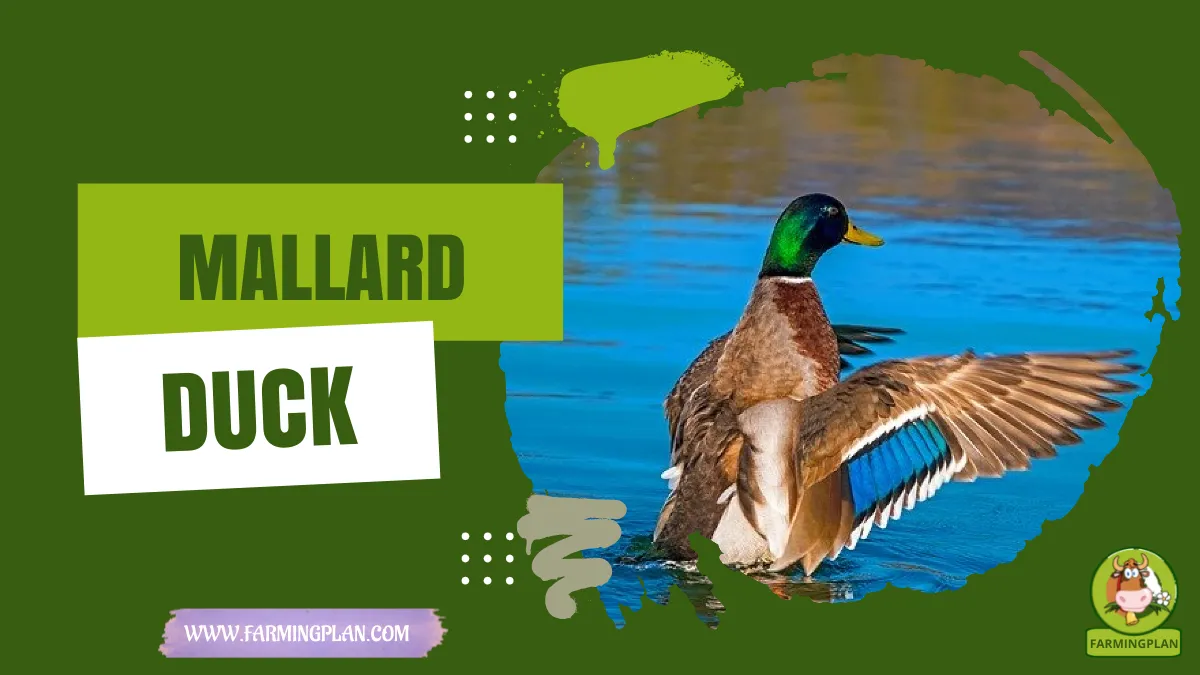
When I teach beginners, I always start with the basics—identifying male and female Mallard ducks. The adult male, often called a Mallard drake, has a shiny green head, white collar, chestnut chest, and a yellow bill. His wings show a bright blue speculum patch bordered by white lines, which becomes visible during flight. Female mallards, on the other hand, have mottled brown feathers that help them blend into nesting habitats. Their bill is usually orange with dark markings. This camouflage protects them while incubating eggs.
Size, Wingspan, and Feather Details
Mallards are medium-sized ducks. Their weight typically ranges from 0.7 to 1.6 kg, and their wingspan can reach up to 1 meter. I’ve handled many, and they feel sturdy but not heavy. Their feathers go through seasonal changes, including eclipse plumage, where males lose their bright colors temporarily after breeding. Molting happens regularly, including prebasic molt and juvenile molt. Feather growth is essential for flight and insulation, especially during migration.
Nature & Temperament
Mallards are highly social birds. I often see them moving in flocks, especially during migration. They communicate through quacks, with females being more vocal than males. Their call pattern is distinctive and easy to recognize. They form pair bonds during the mating season, although they don’t always mate for life. Courtship behavior includes head bobbing and synchronized swimming. It’s quite interesting to observe if you spend time around them.
Feeding and Daily Habits
Mallards are dabbling ducks, which means they feed by tipping forward in shallow water. They don’t fully submerge like diving ducks. I’ve watched them forage for seeds, aquatic plants, insects, and even small invertebrates. They adapt well to human presence, which is why you often find them in city parks. However, they still maintain wild instincts, especially when predators are nearby.
Food & Diet
In the wild, Mallards eat a wide variety of foods. Their diet includes seeds, acorns, aquatic vegetation, insects, and small aquatic invertebrates. During breeding season, they increase protein intake, which helps in egg production. I always tell farmers that ducks need a balanced diet just like chickens. Mallards also consume grains and sometimes small fish or larvae if available.
Feeding Tips for Farmers and Pet Owners
If you raise Mallards, provide a mix of grains, duck pellets, and fresh greens. Avoid feeding bread—it lacks nutrients and can harm their health. Clean water is essential because ducks eat and drink together. Make sure they have access to ponds or water containers for natural feeding behavior. This helps them stay active and reduces stress.
Usage & Purpose
Mallards are not just wild birds—they’re also used in farming. While they don’t produce as many eggs as some domestic breeds, they still offer decent egg production. Their meat is flavorful and often preferred in traditional dishes. I’ve seen farmers use Mallards for small-scale poultry systems, especially in areas with natural water sources.
Pet, Ornamental, and Wildlife Value
Mallards also serve as ornamental birds. Their beautiful feathers and calm behavior make them ideal for ponds and gardens. Some people even keep them as pets. They play an important role in ecosystems by controlling insects and spreading plant seeds. Wildlife conservation programs often monitor Mallard populations as indicators of wetland health.
Special Features
Mallards are strong flyers. They travel in V formation during migration, which helps conserve energy. Their migratory routes cover vast distances, showing their endurance. I admire their ability to adapt to different habitats—from remote wetlands to busy urban parks.
Hybridization and Genetic Diversity
Mallards can hybridize with other duck species, creating hybrid offspring. While this shows genetic flexibility, it can also lead to concerns about maintaining pure bloodlines. They also have an oil gland that keeps their feathers waterproof, which is essential for survival in aquatic environments.
Health Issues & Prevention
Mallards can face issues like parasitic infections, respiratory diseases, and feather loss. Symptoms include lethargy, poor feather condition, and reduced appetite. I always advise checking ducks regularly. Early detection helps prevent serious problems.
Prevention and Care Tips
Maintain clean water and housing to avoid infections. Provide balanced nutrition and avoid overcrowding. Protect them from predators and harsh weather. Vaccination and regular observation go a long way in keeping your flock healthy.
Read More: Cashmere Lop Rabbit: The Ultimate Adorable and Devoted Pet
Step-by-Step Farming Guide
Raising Mallard ducks can be simple if you follow the right steps. I’ve guided many beginners, and I always tell them to focus on habitat, feeding, and safety first. These ducks are hardy, but they still need proper care.
Step 1: Setting Up the Perfect Habitat
Start by creating a safe and comfortable environment. Mallards need access to water like ponds or large containers. I recommend natural water sources whenever possible. Provide shelter to protect them from rain, sun, and predators. Use dry bedding like straw inside shelters. Keep the area clean to prevent diseases.
Step 2: Choosing Healthy Ducklings or Adults
Always buy ducks from reliable breeders. Look for active, alert birds with clean feathers. Avoid ducks that appear weak or sick. If you start with ducklings, keep them warm and safe. Use a brooder with proper temperature control.
Step 3: Feeding and Nutrition Management
Feed ducks a balanced diet with grains, greens, and protein sources. Provide constant access to clean water. Avoid processed foods and bread. I always include natural items like insects and aquatic plants for better growth.
Step 4: Daily Care and Monitoring
Check your ducks every day. Observe their behavior, eating habits, and movement. Clean water containers regularly. Make sure they have enough space to move and forage. This reduces stress and improves health.
Step 5: Breeding and Nesting Management
Provide quiet nesting areas for females. Use soft materials like straw for nests. Female mallards handle incubation naturally. Keep nests safe from predators. Once ducklings hatch, ensure they have warmth and protection.
“Happy Ducks Start With Clean Water, Good Feed, And A Calm Space—Keep It Simple And They’ll Thrive.”
Expert Tips & Best Practices
Proven Tips from My Farming Experience
- Always provide clean water for feeding and bathing
- Use natural ponds if possible
- Avoid overcrowding your flock
- Monitor for early signs of disease
- Provide shade and shelter in hot climates
- Keep predators away with secure fencing
- Introduce new ducks gradually
FAQs
What is the scientific name of Mallard Duck?
The scientific name is Anas platyrhynchos. It belongs to the Anatidae family and is widely distributed across the Northern Hemisphere.
Can Mallard ducks fly?
Yes, Mallards are strong flyers. They migrate long distances and often fly in V formation.
Do Mallard ducks mate for life?
Mallards form seasonal pair bonds. They usually stay together during one breeding season but may choose new partners later.
What is the weight of a Mallard duck?
Adult Mallards weigh between 0.7 to 1.6 kg. Males are generally heavier than females.
How can you tell male vs female Mallards?
Males have a green head and yellow bill, while females have brown feathers and an orange bill with dark spots.
Conclusion
Mallard Duck is one of the most adaptable and fascinating waterfowl species I’ve worked with, offering a perfect mix of beauty, resilience, and practical value for farmers and pet owners alike. From their unique feeding behavior and migratory patterns to their easy care and strong survival instincts, they fit well into both natural and managed environments. If you’re thinking about raising ducks or simply want to understand them better, Mallards are a great place to start. If you found this guide helpful, share it with fellow farmers or animal lovers, and feel free to drop your questions or experiences in the comments—I’d love to hear from you!