I have spent many years raising domestic duck flocks on my farm, and I love sharing my personal experiences with aspiring breeders. The Jinding Duck stands out as a remarkable breed of ducks for high egg production and incredible adaptability. This special breed of ducks came from Southeast China, where farmers raised them for centuries along the coastal wetlands. If you compare them to the Pekin duck or Muscovy duck, these birds focus heavily on egg-laying capabilities rather than meat bulk.
They rival famous white layers like the Khaki Campbell duck and Indian Runner duck in sheer egg numbers. Throughout my career, I have seen how these active birds transform simple household duck production into a thriving, profitable business. In this detailed guide, I will share my personal knowledge so you can master Jinding duck farming with ease!
History & Origin of Jinding Duck
The Jinding duck originated on the south-east coast of Fujian Province in Southeast China. Local farmers developed this unique bird during the Ming Dynasty and refined its breeding through the Qing Dynasty. The coastal environment shaped a duck that could forage efficiently in saline wetlands and tidal estuaries. These birds survived along major river systems by eating wild snails, small fish, and marsh plants. Over centuries, Chinese breeders selected birds that showed incredible thermal tolerance and high egg yield. The result was a light-sized domestic duck perfect for integrated farming in warm coastal zones.
Expansion into South Asia and Global Farms
As word spread about their egg-laying power, these ducks traveled far beyond their native shores. Researchers and agricultural extension teams introduced them to South Asia, including regional hubs like Dhaka and Mirpur. The breed gained massive popularity on Hatia Island of Bangladesh due to its exceptional grazing ability in wet zones. Researchers like Mohammed Habibur Rahman documented their success in household duck production in local papers. Today, smallholders across Asia and North America praise this Chinese origin layer for its low feed cost and steady egg supply.
Read More: Bovec Sheep: Discover This Remarkable Alpine Gem
Characteristics of Jinding Duck
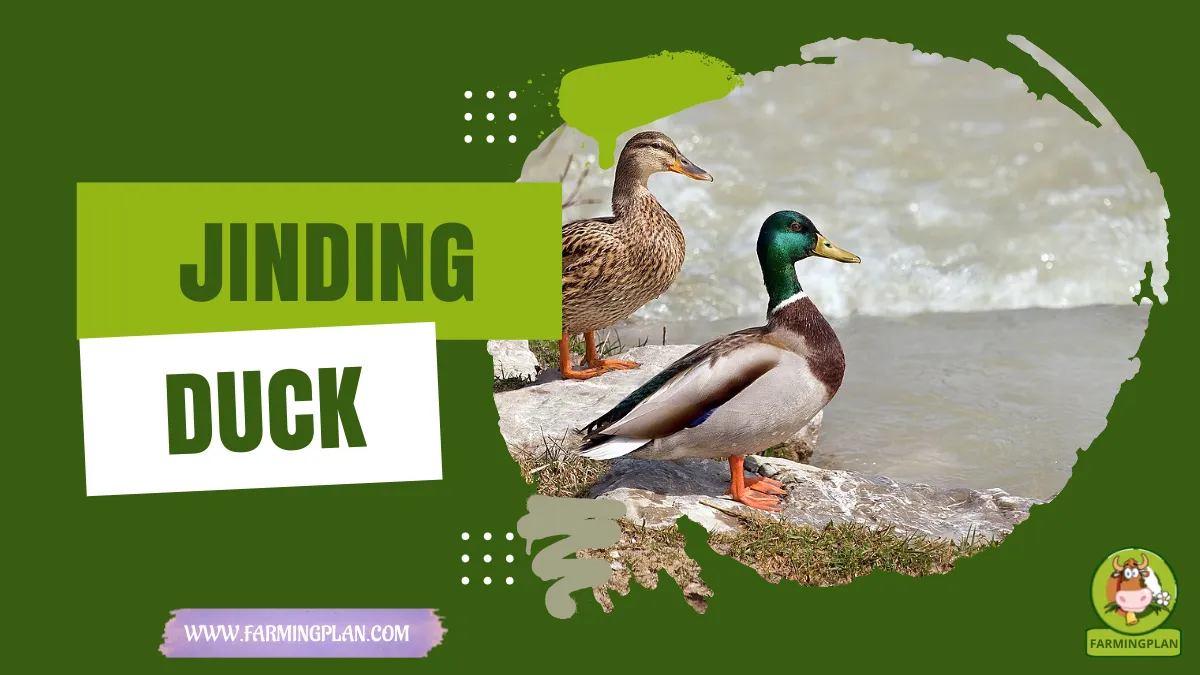
When I walk among my flock, I always admire their striking looks and slender body build. A standard Jinding duck features a narrow, upright posture that resembles an Indian Runner duck but with a slightly wider frame. Their feathers display a rich brownish-cinnamon tone with subtle iridescent plumage that shines under the bright summer sun. Their bill remains long and strong, usually yellow or greenish-yellow, while their feet and shanks carry a dark orange hue. They possess a light body weight, with adult females weighing around 1.5 kilograms and drakes reaching nearly 1.8 kilograms.
Egg Production and Thermal Tolerance
The egg-laying capabilities of these birds continue to amaze commercial egg producers worldwide. A healthy hen lays between 260 to 300 eggs every single year under standard conditions. Their eggs feature a high yolk-to-white ratio and come in shades of soft light green or pure white. These birds display incredible thermal tolerance, meaning they handle high day temperature spikes during mid-May heatwaves without dropping egg output. They also handle the cold winter chill far better than most tropical waterfowls. Their strong legs let them forage across rugged soil conditions all day long without tire.
Nature and Temperament of Jinding Duck
I love watching these energetic birds move across open pasture in tightly packed groups. Their active nature makes them world-class grazers that clear pests, insects, and snails from fields effortlessly. They possess a timid yet curious temperament, so they stay alert to avoid potential predators. Unlike noisy geese, they maintain a moderate noise level, making them suitable for small rural homesteads. Their strong flocking instinct keeps them together, which prevents straying during free-range grazing around local ponds.
Suitability for Different Farmers
These Jinding Ducks thrive in various climates and fit perfectly into small-scale or large-scale farming setups. Beginner farmers love them because they require minimal interference once you establish a daily rhythm. They display great social harmony with other domestic duck varieties like the Khaki Campbell duck or Peking duck. They do not show aggressive traits toward human handlers or farm pets like chickens. If you keep them in a secure perimeter, their calm group behavior will make daily management a stress-free chore.
Food and Diet of Jinding Duck
Feeding these productive layers requires a smart balance of natural foraging and commercial mixed feed. During peak production, your birds need a full price feed containing at least 16 to 18 percent crude protein. I supply fresh greens, grain mash, and commercial duck pellets every morning before releasing them into pasture. They require generous calcium levels to produce hard, smooth eggshells every single day. Always offer crushed oyster shells or limestone grit in separate feeders for free-choice consumption.
Daily Nutritional Needs:
* Crude Protein: 16% – 18% (Layer Mash)
* Calcium: 3.5% – 4.0% for shell strength
* Clean Water: Unlimited access, 24/7
Grazing and Feeding Utensils
When grazing near rivers, fields, or marshy areas, these birds actively consume wild insects, cob, and small marine life. You must provide clean, durable feeders and drinkers made of heavy plastic or stainless steel to prevent water contamination. Clean all feeding utensils daily to prevent deadly mold growth and bacterial buildup in wet feed. Never feed them moldy grain, salty household scraps, or toxic garden plants like raw nightshades. Maintain clean water nearby so they can submerge their bills while eating dry pellets.
“Raising Poultry Successfully Brings Daily Joy And Incredible Agricultural Wealth To Every Dedicated Farmer.”
Usage and Purpose
Primary egg production remains the main reason why farmers choose this incredible Chinese breed. Their high egg production rate provides a steady, year-round daily income for rural families. Gourmet food stores and traditional Chinese cuisine markets highly value these eggs for their rich flavor and large yolk size. In traditional culinary tradition, cooks use these nutrient-dense eggs to craft famous preserved century eggs and salted duck eggs. The eggs command high market prices in specialty markets across major cities.
Pest Control and Integrated Farming
Beyond egg production, these ducks serve as exceptional biological pest control agents for integrated agriculture. Farmers release them into wet rice paddies to devour destructive insects, weeds, and harmful snails. Their active grazing habits clear farm pests without chemical sprays, supporting organic farming practices and water conservation. Their rich manure acts as a natural soil fertilizer, boosting crop health without synthetic additives. Their light body weight ensures they do not trample sensitive crops while searching for food.
Special Features of Jinding Duck
One major advantage of this breed involves its strong resistance to harsh weather changes. These birds easily adapt to extreme day temperature fluctuations, surviving hot summer sun and cold winter nights. Their dense feathers provide excellent insulation against heavy rains, coastal winds, and high humidity levels. Their current heat exchange mechanism allows them to stay cool during acute heat stress periods. This durability reduces winter heating costs and expensive cooling equipment requirements in traditional duck houses.
Foraging Efficiency and Disease Resistance
The foraging drive of this duck exceeds almost every other domestic duck breed on the market. They search continuously for natural food sources, which slashes commercial feed costs dramatically for small farm owners. They also feature robust natural immunity against common duck health issues when given proper living space. Their high feed-conversion ratio turns simple forage into top-quality protein efficiently. These unique survival traits make them ideal candidates for low-cost, sustainable duck farming models worldwide.
Health Issues & Prevention of Jinding Duck
Even hardy birds require careful health monitoring to avoid sudden, devastating disease outbreaks. Watch for respiratory disease symptoms like nasal discharge, watery eyes, lethargy, and sudden drop in egg yield. Major bacterial threats include acute duck cholera and avian cholera vaccine preventable conditions. Viral hazards like duck plague can devastate an unvaccinated flock within days, causing high mortality. Parasitic infections, including internal helminth infection issues and external lice, can drain their energy and reduce egg output fast.
Preventive Care and Treatments
You can prevent major health disasters by keeping strict sanitation standards inside the duck house. Follow a precise vaccination schedule developed by a qualified veterinary medicine professional in your region. Use Tylosin Injection treatments for stubborn bacterial respiratory infections under direct expert veterinary guidance. Treat internal and external parasite outbreaks quickly using effective remedies like Ivermectin Injection. Keep bedding dry, clear standing waste, provide fresh water daily, and isolate sick birds immediately to stop disease transmission.
Step-by-Step Farming Guide of Jinding Duck
Starting a production flock requires clear planning, proper equipment setup, and dedicated daily care habits. I developed this step-by-step framework through years of real farm practice to guide you toward maximum egg yields. Following these proven steps will protect your investment and build a profitable, sustainable poultry operation.
Step 1: Designing and Constructing Proper Housing
You must build a clean, dry, well-ventilated Jinding Duck house that protects your flock from harsh weather and wild predators. Provide at least three to four square feet of dry floor space for every adult bird in the enclosure. Install thick layers of clean rice straw or wood shavings on the floor to absorb wet droppings efficiently. Ensure sturdy wire mesh covers all windows to block snakes, foxes, and wild rats from entering at night. Position the shelter on elevated land to prevent sudden interior flooding during heavy summer rains.
Step 2: Preparing the Incubator and Brooding Area
Select high-quality hatching eggs from healthy adult breeding stock to start your flock successfully. Maintain your Incubator temperature precisely around 37.5 degrees Celsius with a stable relative humidity level of 60 percent. Turn the eggs daily until day 25, then increase humidity slightly for the final hatching phase. Place newborn ducklings inside a pre-warmed brooder space equipped with safe heating lamps. Ensure young ducklings stay warm, dry, and free from direct cold air drafts during their first three weeks.
Step 3: Establishing Daily Feeding and Water Protocols
Offer balanced chick starter crumbles containing 20 percent protein for the first four weeks of life. Transition your growing birds to a quality layer mash as they approach 16 weeks of age. Provide continuous access to clean, non-freezing drinking water using deep drinkers so they can wash their eyes easily. Place feeders on elevated platforms to prevent wet mud and manure contamination inside the feeding area. Monitor daily feed intake closely so you can adjust rations quickly during cold winter weather.
Step 4: Managing Egg Collection and Nesting Boxes
Construct ground-level nesting boxes lined with soft, clean straw in quiet corners of your duck house. Provide one large nest box for every four laying hens to prevent egg breakage and competition. Collect fresh eggs twice daily, once early in the morning and again in the late afternoon. Clean dirty eggshells gently using dry sand or cloth rather than washing them with cold water. Store clean eggs in dark, cool rooms at consistent temperatures to maintain internal freshness for market sale.
Step 5: Implementing Routine Health Checks and Biosecurity
Inspect your flock every morning for signs of illness, limp walking, dull eyes, or unusual isolation behavior. Keep a strict biosecurity protocol by limiting outside visitor access to your primary poultry housing units. Clean all drinking troughs, feeding trays, and floor equipment weekly using safe disinfectant solutions. Spray interior wooden walls with lime wash annually to control pest breeding and destroy hidden bacteria. Quarantine new birds for at least three weeks before introducing them into your established laying flock.
Read More: Adal Sheep Care Secrets for Amazing Farm Success
Expert Tips & Best Practices of Jinding Duck
- Install Artificial Lighting: Add artificial supplementary lighting inside the duck house to maintain 16 hours of light daily for continuous winter egg production.
- Provide Grazing Access: Allow birds daily pasture access to lower commercial feed costs and boost egg yolk color naturally.
- Use Worm Composting: Turn wet duck manure into rich garden soil using simple Worm Composting techniques near your barn.
- Sanitize Utensils: Wash all feeding utensils every evening to stop bacterial growth and protect duck health.
- Check Water Quality: Keep water temperature comfortable during hot summer days to encourage drinking and reduce acute heat stress.
- Separate Breeding Drakes: Keep a balanced male-to-female ratio of one drake for every eight hens to maintain fertile hatching eggs.
FAQs
What is a Jinding duck?
The Jinding duck is a lightweight domestic duck breed originating from the coastal regions of Fujian Province in China. Farmers value this breed for its incredible egg-laying capacity, strong foraging skills, and hardiness. It produces bright green or white eggs consistently throughout the year.
How many eggs does a Jinding duck lay annually?
A healthy Jinding duck typically lays between 260 to 300 eggs per year under optimal farm management. Their consistent production rivals famous commercial layer breeds like the Khaki Campbell. Proper nutrition and light extension help maintain high yields year-round.
What do Jinding ducks eat?
Jinding ducks eat a balanced diet of commercial layer pellets, grains, fresh greens, and natural pasture forage. They actively hunt for wild insects, snails, worms, and aquatic plants when grazing outdoors. Always supply clean drinking water alongside dry feed.
Are Jinding ducks suitable for hot climates?
Yes, this breed possesses high thermal tolerance and handles hot summer temperatures exceptionally well. They adjust to heat stress better than many heavy meat-type waterfowl breeds. Providing shade and fresh cooling water keeps production steady in summer.
Can I raise Jinding ducks in small backyards?
You can raise Jinding ducks in backyards if you provide a secure coop, a clean run, and dry bedding. They require modest floor space due to their light body size and active temperament. Ensure they have access to water deep enough to submerge their bills.
Conclusion
Raising a high-producing flock of Jinding ducks offers incredible rewards for modern homesteaders, smallholders, and commercial farmers. These active birds combine exceptional egg yield with robust disease resistance, making them a sustainable choice for any rural property. By setting up clean housing, offering balanced feed, and following strict health routines, you can secure a steady supply of fresh eggs every day. I encourage you to take the next step in your farming journey by starting your own duck flock today. Join local poultry communities, share your personal experience in the comments below, and start building your successful farm business now!