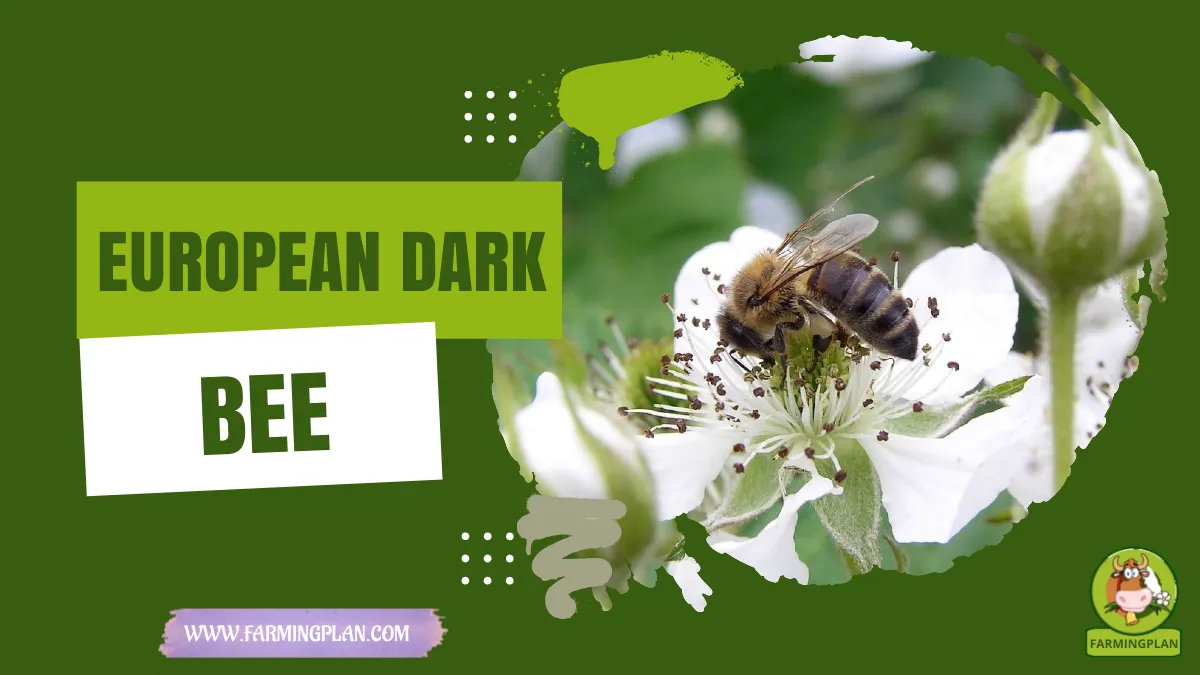
As a beekeeping specialist, I have spent many years working with different honey bee races, and the European Dark Bee remains one of the most fascinating bees I have ever managed. The European Dark Bee, scientifically known as Apis mellifera mellifera, belongs to the western honey bee family and has adapted to harsh climates for thousands of years. Many beekeepers call it the Black Bee, German Black Honey Bee, or Dunkle Biene. This native European subspecies survives cold winters, defends itself strongly, and maintains excellent honey stores.
I often recommend this bee to experienced beekeepers who value hardiness, biodiversity, and conservation. Throughout this guide, I will share my practical experience with colonies, breeding, feeding, health care, and management. Whether you are interested in European dark bee size, European dark bee queens, conservation projects, or comparisons with Italian and Carniolan honey bees, this guide will help you understand this remarkable bee.
History & Origin
The European Dark Bee originated thousands of years ago throughout northern and western Europe. Scientists classify it as Apis mellifera mellifera, one of the oldest European subspecies of the honey bee. Historical populations lived across France, Germany, Britain, Scandinavia, the Netherlands, and the Pyrenees region. These bees naturally adapted to long winters, cold climates, and short flowering seasons. Their dark coloration helped them absorb heat while their survival instincts allowed colonies to conserve food during difficult periods.
Spread Across Europe
For centuries, farmers kept these bees in log hives, straw skeps, and traditional beehives. Before modern beekeeping arrived, the European Dark Bee dominated much of northern Europe. Colonies played an important role in honey gathering, pollination, and food production. Organizations such as BIBBA, SICAMM, NIHBS, Mellifica, and various conservation groups later worked to protect these native populations from hybridization.
Modern Conservation Efforts
Today, conservation programs exist throughout Normandy, Scandinavia, Texel, the Pyrenees, and several Nordic countries. Organizations maintain mating stations, genetic surveys, and breeding programs to preserve pure genetic material. Researchers from genetic resource centers and universities continue studying mitochondrial DNA, genetic markers, and wing morphometry to protect these valuable populations.
Read More: Alentejana Cattle Powerful Heritage Breed Guide
Characteristics
The European Dark Bee has a very distinctive appearance. Workers display dark brown to black bodies with little yellow coloring. Fine brown hairs cover their thorax, giving them a velvety appearance. Typical workers measure approximately 11–13 mm long, while queens grow significantly larger. The European dark bee queen often appears darker than queens from Italian strains.
Wing And Body Features
Researchers frequently use wing morphometry and morphometric methods to identify this subspecies. The wings contain unique vein patterns that help distinguish them from:
- Apis mellifera ligustica
- Apis mellifera carnica
- Apis mellifera caucasia
The abdomen appears broader and darker than many commercial honey bees.
Colony Characteristics
Their colonies usually:
- Build strong winter populations.
- Store large honey reserves.
- Reduce brood production during harsh weather.
- Maintain excellent food management.
These adaptations help them survive severe winters better than many imported bees.
Nature & Temperament
From my experience, European Dark Bees possess exceptional survival instincts. They respond quickly to weather changes and adjust brood production according to available resources. Colonies conserve energy during winter and avoid unnecessary activity.
Defensive Behavior
Many beekeepers ask about the European dark bee sting. These bees can become defensive when disturbed. Their behavior varies greatly depending on breeding quality and management. Selective breeding programs have improved temperament in many populations. Modern breeding associations focus heavily on gentleness and manageable colonies.
Mating And Colony Behavior
Their mating behavior remains highly natural. Queens mate with several drones during flight, creating genetic diversity. Some breeding programs use artificial insemination and controlled mating stations to preserve pure bloodlines.
The bees also display:
- Strong grooming behavior.
- Excellent hygienic behaviour.
- Good orientation ability.
- Efficient honey gathering.
Food & Diet
European Dark Bees rely primarily on nectar and pollen. They forage from:
- Wildflowers
- Trees
- Heather
- Clover
- Fruit blossoms
- Forest plants
These pollinators support biodiversity and local food supplies.
Seasonal Feeding
I always monitor food stores carefully before winter. Colonies require sufficient honey reserves because they experience long inactive periods.
During shortages, I provide:
- Sugar syrup.
- Fondant.
- Pollen substitutes.
- Protein supplements.
Foods To Avoid
Never feed:
- Moldy syrup.
- Fermented honey.
- Unknown honey from other apiaries.
- Contaminated sugar.
Poor feeding practices can spread diseases such as European Foulbrood or Nosema infections.
Winter Nutrition
Winter survival depends heavily on stored honey. European Dark Bees naturally store larger quantities of food than many hybrid honeybees, which contributes to their excellent cold resistance.
Usage & Purpose
European Dark Bees serve as excellent honey makers. Although they may not always produce maximum yields, they produce reliable harvests under difficult conditions. Their ability to work during cooler weather gives them an advantage in northern regions.
Pollination Services
These honeybees act as highly effective pollinators. They support:
- Fruit crops.
- Forest ecosystems.
- Wildflowers.
- Agricultural crops.
Bee pollination directly contributes to food supply systems.
Conservation Beekeeping
Many beekeepers maintain these colonies for conservation biology purposes. Preserving native genes protects biodiversity and reduces dependence on imported strains.
Research And Breeding
Researchers study these bees for:
- Genetic analysis.
- Disease resistance.
- Hygienic behavior.
- Climate adaptation.
- Varroa tolerance.
Special Features
One feature I admire most is winter survival. These bees survive cold climates better than many European honeybees. Their hygienic behavior helps remove infected brood and reduce disease pressure. Several populations show promising responses against Varroa destructor. Grooming behavior and hygienic actions may reduce parasite levels.
Genetic Importance
The genetic pool of Apis mellifera mellifera contains valuable traits that modern beekeeping needs. Conservation programs protect this genetic material from hybridization. The European Dark Bee adapts well to climate changes, harsh winters, and unstable weather patterns.
“Native bees often survive local conditions better than imported bees.”
Health Issues & Prevention
Varroa mites remain the biggest threat. Varroa destructor attacks brood and adult bees while spreading viruses.
Symptoms include:
- Weak colonies.
- Deformed wings.
- Reduced honey production.
Nosema Diseases
Nosema apis and Nosema ceranae infect digestive systems. Infected colonies show:
- Poor population growth.
- Weak spring development.
- Reduced lifespan.
European Foulbrood
European Foulbrood affects larvae and weakens colonies. Early detection prevents severe damage.
Other Threats
Additional risks include:
- Asian hornets.
- Pesticides.
- Neonicotinoïdes.
- Inbreeding.
- Hybridization.
- Climate breakdown.
Prevention Methods
I recommend:
- Regular Varroa monitoring.
- Hygienic queen selection.
- Proper ventilation.
- Good nutrition.
- Clean equipment.
- Controlled breeding.
Step-By-Step European Dark Bee Care Guide
Managing European Dark Bees requires patience and understanding. Their natural instincts differ from many commercial bees. I always encourage beginners to study the behavior of their colonies before making management decisions. Strong colonies depend on good genetics, healthy queens, proper nutrition, and disease prevention. Each step below reflects the methods I personally use.
Step 1: Select Quality Queens
Purchase queens from reputable breeding associations or conservation programs.
Look for:
- Pure genetics.
- Hygienic behavior.
- Calm temperament.
- Good brood patterns.
Avoid unknown hybrid queens because hybridization can weaken desirable traits.
Step 2: Choose Suitable Hive Styles
European Dark Bees perform well in:
- Langstroth hives.
- Traditional hives.
- Log hives.
I prefer insulated hives in cold regions. Proper ventilation prevents moisture buildup during winter.
Step 3: Install Colonies Carefully
Install colonies during spring when nectar becomes available. Allow bees to settle before performing inspections. Keep entrances reduced during early weeks.
Step 4: Monitor Food Supplies
Check honey stores regularly.
Provide:
- Syrup during shortages.
- Protein supplements.
- Winter fondant.
Never allow colonies to starve.
Step 5: Perform Regular Inspections
Inspect colonies every 7 to 14 days during active seasons.
Check:
- Queen performance.
- Brood health.
- Disease signs.
- Food reserves.
- Varroa levels.
Step 6: Control Varroa Mites
Use approved treatments when necessary. Conduct regular monitoring throughout the season. Strong colonies handle parasites better than weak colonies.
Step 7: Prepare For Winter
Reduce entrances, protect hives from wind, and ensure adequate honey stores. Healthy winter colonies provide strong spring populations.
Read More: Bilgorey Goose Powerful Farming Guide
Expert Tips & Best Practices
Practical Advice From My Apiary
- Select locally adapted queens.
- Avoid unnecessary inspections.
- Practice regular Varroa monitoring.
- Support conservation programs.
- Use controlled mating when possible.
- Maintain genetic diversity.
- Replace poor queens early.
- Keep detailed records.
- Avoid pesticide exposure.
- Join local beekeeping associations.
FAQs
What is the European Dark Bee scientific name?
The scientific name is Apis mellifera mellifera. It is one of the oldest European honey bee subspecies.
Are European Dark Bees aggressive?
They can be defensive, especially when poorly managed. Selective breeding has improved temperament in many modern populations.
What size is the European Dark Bee?
Worker bees usually measure 11–13 mm in length. Queens are larger and heavier.
How does the European Dark Bee compare to Italian honey bees?
European Dark Bees survive cold climates better, while Italian bees often build larger populations and produce higher honey yields.
Are European Dark Bees endangered?
Many native populations face threats from hybridization, diseases, and habitat loss. Conservation organizations work to preserve these bees.
Conclusion
The European Dark Bee stands as one of the most valuable native honey bee populations in the world. Its winter hardiness, strong survival instincts, hygienic behavior, and genetic importance make it a remarkable choice for conservation-minded beekeepers. Through proper breeding, careful management, disease prevention, and support for conservation efforts, we can protect this historic black bee for future generations. I encourage every beekeeper to learn more about native honey bees, support local breeding programs, and help preserve biodiversity. If this guide helped you, share it with fellow beekeepers, leave a comment, and continue supporting the future of the European Dark Bee.