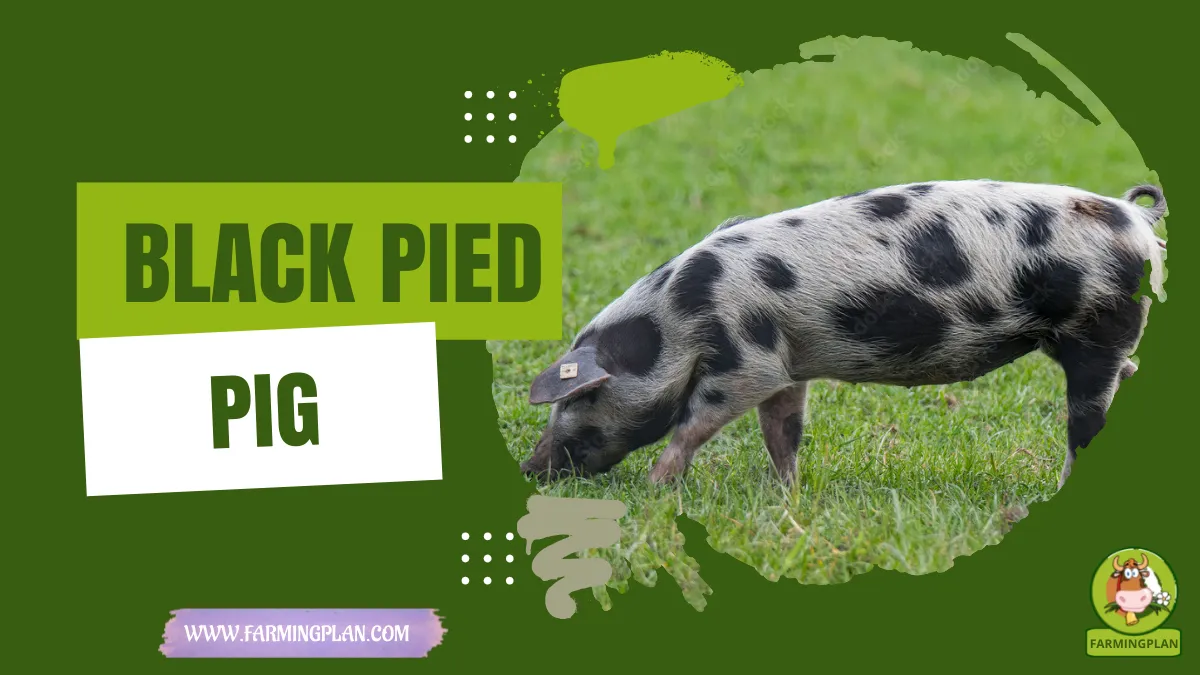
Welcome to my farm, where I share my lifelong passion for traditional animal husbandry! Over my decades as an agricultural specialist, I have raised many domestic pig breeds, but the Black Pied Pig holds a truly special place in my heart. Also known in Germany as the Buntes Bentheimer Schwein, this medium-sized country pig instantly captures attention with its unique pattern of dark spots scattered across white or light gray skin.
In this friendly guide, I will share everything you need to know about this rare pig breed, including its history, physical characteristics, temperament, feeding habits, and practical husbandry strategies. Whether you are looking for small Black Pied Pigs for a homestead or researching the famous Bentheim black pied pig weight, you have come to the right place. Grab your favorite mug of hot coffee, pull up a seat on the porch, and let us dive into the wonderful world of this iconic black-pied pork producer together!
History & Origin of Black Pied Pig
My journey with heritage swine started years ago when I visited old agricultural displays in Europe. The story of the Bentheim black pied pig begins in the early nineteenth century in northwestern Germany. Local farmers in the county of Bentheim, near Emsland and Nordhorn, crossed local landrace sows with imported Berkshire pigs and Cornwalls pigs. This strategic breeding program created a hardy, medium-sized, lop-eared swine that thrived in marshy regions like Naturpark Moor-Veenland. Farmers prized these pigs because they produced rich fat along with high-quality pork neck and ham hock cuts.
Preservation Efforts Across European Regions
During the mid-twentieth century, industrial farming favored leaner, fast-growing animals. As a result, the population of these unique spotted swine plummeted drastically toward extinction. Dedicated conservationists and local zoos, such as the Nordhorn Zoo and Hannover Adventure Zoo, stepped in to rescue these endangered livestock breeds. Today, preservation through eating initiatives and conservation breeding projects help maintain healthy genetic lines. Modern breeders across Germany, Drenthe, and Czech farms now raise these pigs, keeping traditional agricultural history alive for future generations.
Read More: Arkhar-Merino Sheep: Incredible Wool Secrets
Characteristics of Black Pied Pig
When you step into a barnyard, you can instantly recognize a Black Pied Pig by its distinctive appearance. These medium-sized swine feature large lob ears that drop forward gracefully over their eyes. Their white or light gray skin displays an irregular pattern of dark patches, giving each animal a completely unique coat pattern. The bristles grow thick and strong, offering natural protection against harsh outdoor weather conditions. Boars and sows both possess strong legs, wide backs, and robust bodies built for active foraging across pasture ground.
Height, Weight, and Breed Variations
Understanding the true Bentheim black pied pig weight helps you plan proper feeding and housing facilities. Mature boars usually weigh between 250 and 300 kilograms, while healthy sows typically weigh between 200 and 250 kilograms. They reach a comfortable shoulder height of roughly 70 to 80 centimeters. Similar heritage breeds, such as the Czech Přeštice Black Pied pig, exhibit comparable lard-meat body structures. Both breeds produce fantastic marbling, making their meat prized in famous culinary establishments like the Čestr restaurant and Naše maso for Prague ham.
Nature/Temperament of Black Pied Pig
In my daily routine on the farm, I always admire how calm and pleasant these black spotted pig animals act toward human handlers. They exhibit a remarkably gentle nature, making daily chores like feeding, brushing, and health inspections completely stress-free. Sows show deep maternal instincts, tending to their newborn piglets with great care and patience. Boars remain easy to handle when you provide them with proper space, respectful physical contact, and consistent daily routines.
Suitability for Small Farms and Homesteads
Because of their calm attitude, these animals work wonderfully for small farms, educational setups, and hobby homesteads. They enjoy social interactions and thrive when kept in natural group herds. Their curious intelligence means they love exploring pasture ground, turning over soil, and searching for natural treats. If you want a docile livestock companion that gets along with people, this breed fits the description perfectly. Their peaceful demeanor brings true harmony to any barnyard setting.
Food & Diet of Black Pied Pig
To grow healthy Black Pied Pigs with rich meat quality, you must provide a well-rounded diet tailored to their natural foraging habits. I feed my herd a wholesome blend of cracked grains, including barley, wheat, and oats. You can supplement their daily rations with fresh vegetables like carrots, pumpkins, and leafy greens. They also love live flour or bran mixes mixed into warm water. Access to fresh pasture allows them to forage for roots, acorns, and wild plants naturally throughout the warm seasons.
Feeding Dos and Don’ts for Swine
Proper nutritional management prevents health issues and obesity in heritage lard-meat swine breeds. Always supply fresh, clean water continuously throughout the day because hydration affects digestion directly. Avoid feeding spoiled leftovers, salty food waste, or moldy feeds that can cause digestive upset. Monitor feed quantities carefully during winter months to keep their body condition balanced. Here is a simple breakdown of recommended daily dietary components for your herd.
Usage/Purpose of Black Pied Pig
Chefs and traditional butchers highly value Bentheim black pied pig meat because of its fine muscle fiber and intense natural flavor. The thick layer of back fat protects the meat, keeping it juicy during cooking processes. Cuts like pork neck, pelvic muscle cuts, and pork tongue yield tender results when prepared with slow-roasted techniques. Famous dishes like Prague ham, Bratwurst sausage, and cured ham hock rely on this rich lard-meat profile for authentic taste.
Role in Sustainable Farming and Show Displays
Beyond meat production, these swine serve vital roles in sustainable agriculture and land management programs. Their natural rooting behavior helps aerate pasture soil, clearing thick brush and weeds efficiently. Educational farms and regional zoos feature them to teach visitors about rare animal preservation. Their unique black and white appearance also makes them popular entries in traditional livestock shows and agricultural exhibitions.
Special Features of Black Pied Pig
One outstanding trait of this breed is its incredible resistance to cold and changing weather. Thick skin, light gray undercoats, and heavy bristles shield these animals from harsh winds and rain. Unlike delicate modern commercial white pigs, this hardy country pig thrives outdoors all year round. Their strong hooves allow them to cross wet, muddy pasture ground without developing severe foot issues.
Superior Foraging Instincts and Mothering Ability
These swine retain sharp wild instincts inherited from early ancestors like the Wild Boar. Sows construct cozy natural nests out of straw or pasture grass when preparing to give birth. They nurse large litters effortlessly, showing strong protective instincts over young animals. Their efficient digestion allows them to extract maximum nutrients from coarse forage, reducing your total feed costs significantly over time.
“Raising Rare Livestock Breeds Connects Us To Organic Heritage while Bringing Joy To Our Daily Barnyard Work.”
Health Issues & Prevention of Black Pied Pig
Maintaining good herd health requires constant observation and clean living spaces. Swine can contract internal parasites like roundworms or external pests like mites and lice. Look out for warning signs like persistent scratching, sluggish behavior, poor weight gain, or loss of appetite. Respiratory infections can also occur if housing lacks proper ventilation or becomes overly dusty and damp during winter months.
Preventive Healthcare and Routine Inspections
Preventative care saves time, money, and stress on the farm. Schedule regular veterinarian checkups to keep vaccination protocols updated according to regional standards. Deworm your Black Pied Pigs twice a year using recommended oral treatments or feed additives. Keep bedding fresh, dry, and thick to protect their joints and skin. Providing clean wallows during hot summer days keeps their skin healthy and prevents severe sunburn.
Step-by-Step Farming Guide of Black Pied Pig
Raising heritage swine requires careful planning, dedicated effort, and sturdy infrastructure. In this detailed guide, I will walk you through five practical steps to manage your animals successfully from initial setup to daily care. Following these field-tested methods ensures your swine remain healthy, productive, and happy on your land.
Step 1: Secure Fencing & Shelter Construction
First, build robust housing and secure perimeters before bringing any animals onto your land. I install heavy-duty woven wire fencing reinforced with a low electric wire strand near the bottom ground level. This setup prevents pigs from rooting under fences and escaping into nearby fields. Construct a sturdy wooden shelter that shields your animals from high winds, direct sunlight, and torrential rain.
Inside the shelter, provide plenty of dry wood shavings or straw bedding for comfort. Ensure the building features proper roof vents to clear humidity and dust continuously. Allow at least fifty square feet of indoor space per adult pig to prevent overcrowding issues. Outside, set up a dedicated mud wallow area where swine can cool off and protect their skin during summer heatwaves.
Step 2: Selecting Healthy Breeding Stock
Next, select high-quality piglets or mature stock from reputable conservation breeders or certified heritage farms. Examine each young animal carefully before purchasing, looking for bright eyes, clean skin, and active movements. Check that the animal displays clear black spots across its white skin without signs of inflammation or open sores. The pig should walk smoothly without limping or favoring any particular leg.
Ask the breeder for detailed genetic records to avoid unwanted inbreeding within your local herd. If buying breeding sows, choose females with well-developed teats and calm, friendly temperaments. For boars, pick strong individuals with broad chests, sturdy legs, and good body structure. Healthy stock forms the core foundation of a successful farming project.
Step 3: Establishing Daily Feeding Routines
Third, establish a strict daily feeding schedule to keep your animals content and growing steadily. Feed your swine twice daily, once early in the morning and once during late afternoon hours. Measure grain rations according to individual body mass, age, and activity levels to avoid overfeeding. Combine grain meals with fresh pasture grazing time so pigs exercise their natural foraging instincts daily.
Provide clean, cool drinking water in heavy, tip-proof troughs or automated nipple drinkers. Check water systems daily to remove dirt, leaf litter, and fallen debris. During winter months, use heated water buckets to prevent freezing in freezing weather. Consistent nutrition builds strong immunity and yields high-quality meat.
Step 4: Maintaining Hygiene & Clean Bedding
Fourth, execute a rigorous barn cleaning routine to keep disease vectors and foul odors away from your farm. Scoop out soiled straw bedding daily and replace it with fresh, dry materials. Clean out food troughs completely every morning before adding fresh grain mixes to prevent mold growth. Sanitize water containers weekly using safe, diluted cleaning solutions.
Rotate outdoor pasture paddocks every few weeks to allow pasture grasses time to recover and regrow naturally. Pasture rotation disrupts internal parasite life cycles, keeping your soil and animals significantly healthier over time. Proper waste management converts swine manure into valuable compost for your farm gardens after thorough aging.
Step 5: Socialization, Handling & Exercise
Finally, dedicate time every single day to handling and socializing your pigs gently. Walk through the pasture daily, speaking softly so your animals become accustomed to your presence and voice. Use soft-bristled brushes to scratch their backs and flanks, building strong mutual trust between human and livestock. Easy-to-handle pigs make veterinarian visits, weighing sessions, and pasture moves effortless.
Provide daily opportunities for natural exercise across varied pasture terrain. Scatter treats like apples, carrots, or acorns across the field to encourage healthy movement and mental stimulation. Active, well-socialized pigs exhibit lower stress levels and live long, productive lives on the homestead.
Read More: Baladi Red Rabbit Boosts Farming Profits
Expert Tips & Best Practices for Black Pied Pig
- Install heavy-duty rubber mats under feeding troughs to capture spilled grain easily.
- Provide natural wooden rubbing posts in pastures so pigs can scratch itching skin.
- Offer fresh pumpkin seeds regularly as a natural, helpful deworming supplement for swine.
- Keep extra straw bedding stored in dry areas during cold winter spells.
- Monitor daily weight gains using livestock measuring tapes around the heart girth area.
- Scatter whole acorns in pasture paddocks during autumn months for extra dietary fats.
- Keep a simple farm logbook tracking feeding schedules, vaccinations, and sow farrowing dates.
FAQs
What is the average weight of a Bentheim Black Pied Pig?
Mature boars weigh between 250 and 300 kilograms, while adult sows weigh between 200 and 250 kilograms. Proper diet and pasture management keep their mass balanced and healthy.
How do I identify a true Black Pied Pig?
Look for a medium-sized frame, large drooped lop ears, and a white coat with dark spots scattered irregularly across the skin. Their calm temperament and hardy build also stand out clearly.
Is the Black Pied Pig an endangered breed?
Yes, this heritage swine breed faced severe population drops during the mid-twentieth century. Conservation breeding projects and local zoos work hard today to preserve these unique livestock breeds.
What do black spotted pigs like to eat?
They enjoy a natural diet of cracked grains, pasture grass, acorns, roots, and fresh produce like carrots and pumpkins. Always provide clean water alongside high-quality feed rations.
Are these Black Pied Pigs suitable for small homesteads?
Yes, their calm temperament, friendly nature, and extreme climate hardiness make them ideal for small farms. They manage pasture land efficiently and interact peacefully with human handlers.
Conclusion
Raising the rare Black Pied Pig offers a rewarding experience that combines rich agricultural heritage with practical homesteading benefits. These medium-sized, lop-eared swine bring immense joy to farmers thanks to their docile temperaments, distinct spotted coats, and exceptional meat quality. By incorporating traditional care methods, providing clean housing, and maintaining balanced nutrition, you can successfully raise a thriving herd on your land. Supporting endangered livestock breeds helps preserve precious genetic diversity for future generations of farmers worldwide. Are you ready to add these remarkable animals to your farm setup? Share your thoughts, ask your questions in the comments below, or pass this helpful guide along to fellow swine enthusiasts today!