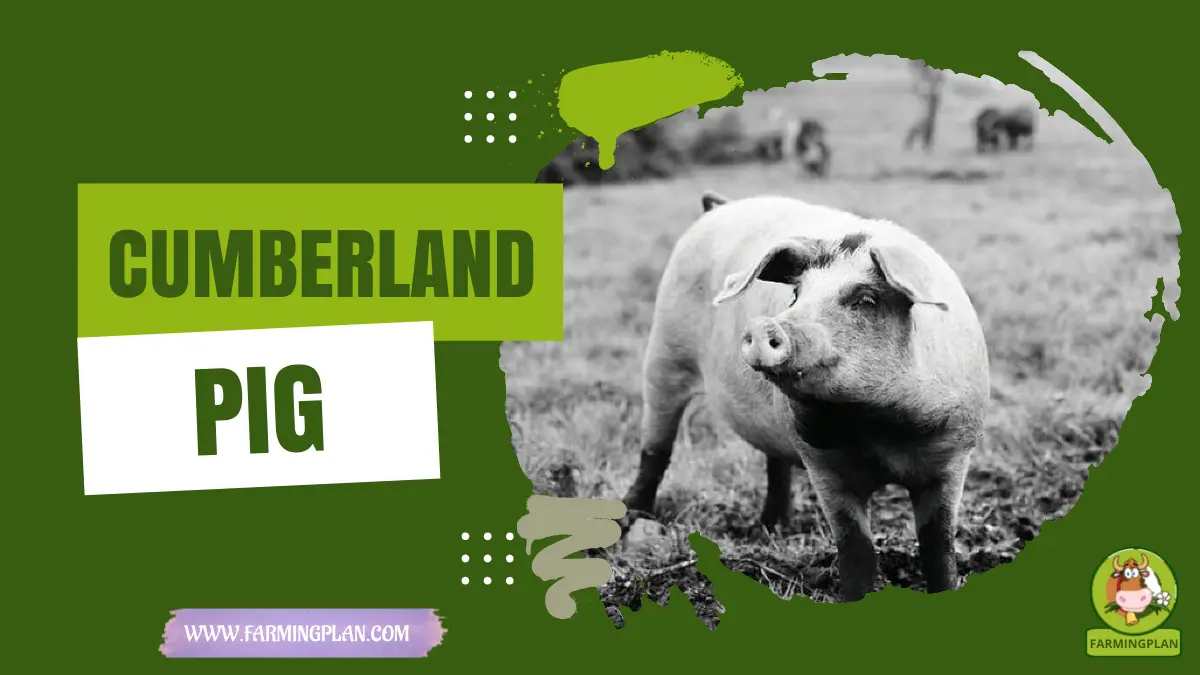
I have spent decades raising livestock, and the heavy Cumberland pig always holds a special place in my heart. This famous British breed originally came from Northern England, specifically regions like Cumberland, Westmorland, and towns like Penrith or Bothel. Farmers historically bred this white animal for its incredible hardiness, thick lard, and rich pork meat.
You might know its legacy through the legendary Cumberland sausage, which relied on this heavy pig breed for its distinct texture and traditional flavor. Although pure original pigs died out in the mid-1900s, modern conservationists and dedicated farmers use genetic efforts, selective breeding, and DNA analysis to revive these classical traits. Understanding native domestic pig genetics helps every modern farmer build stronger herds and improve overall pig production.
History & Origin of Cumberland Pig
When I look back at the 1800s, Northern England stood as the primary powerhouse for British pig breeds. Farmers across Yorkshire and Cumberland crossed native stock with Large White, Small White, and Berkshire bloodlines to create a massive, heavy-bodied white pig. Local agricultural groups like the Holm Cultram Agricultural Society and the Royal Lancashire Show featured these animals prominently in competition ring circuits. Notable historical figures like Mrs Carleton Couper of Carleton Hall, John Routledge, and Thirwall spent years refining the herd book standards. These early breeders wanted an animal that could endure harsh English weather while converting basic forage into valuable lard and prime hams.
During the early 1900s, changing consumer preferences began to favor leaner commercial pig breeds like the Landrace and Pietrain pig. Industrial pig farming shifted toward faster growth rates and intensive indoor housing systems. The Cumberland pig population plummeted rapidly after World War II, leading to its official extinction around 1960. Later on, organizations like the Rare Breeds Survival Trust and researchers at Newcastle University examined historical DNA samples and agricultural records. Dedicated sanctuaries, such as the Wetheriggs Animal Centre and Old Silloth Farm, spent years attempting breed revival efforts. Today, learning about this historic gene pool teaches us how modern selective breeding shapes our current livestock options.
Read More: Lacombe Pig Secrets For Farming Success
Characteristics of Cumberland Pig
In my years on the farm, I have studied historical portraits and physical standards of classic white pigs extensively. The true historical type possessed a heavy frame, broad back, and distinctive dished face with heavy lopped ears falling over its eyes. Their skin had a clean, white coat, free from dark spots, which made carcass processing exceptionally smooth for local butchers. They grew much larger than a typical Middle White or Gloucester Old Spot, often reaching massive weights with thick back fat. That thick layer of fat gave the meat its incredible moisture, rich flavor, and curing suitability.
Modern farmers looking at modern white pig breeds like the Welsh Landrace or Large White can still see these classic traits reflected today. The physical structure of these historic white pigs allowed them to walk easily over rough terrain without damaging their joints. Their strong bones supported rapid weight gain on modest feed rations. When you compare them to slender exotic breeds of pig, their wide chest cavity provided massive heart and lung capacity. This rugged build made them perfect for traditional outdoor farming methods across damp, cold pastures.
Nature/Temperament of Cumberland Pig
I always tell new handlers that pig temperament makes or breaks your daily farm routine. The classic heavy northern white pigs had a remarkably calm, docile, and gentle nature that made routine management a breeze. Farmers could easily herd a female pig and her new Cumberland piglets through mud, snow, or open gates without excessive stress. Their relaxed attitude meant they spent their energy grazing and sleeping rather than fighting or breaking fences. Even large boars showed a steady, manageable disposition when handled regularly by familiar caretakers.
Their calm personality made them fantastic mothers out on pasture or inside spacious farrowing pens. Sows would quietly nest, build sturdy beds out of dry straw, and protect their babies without displaying wild aggression toward the farmer. This steady mindset also meant they adapted well to changing weather conditions and mixed livestock environments. If you enjoy raising calm heritage stock like the Polynesian Kunekune pigs or Tamworths, you would appreciate the easygoing disposition of these historical northern giants. They truly built a reputation as peaceful, slow-paced farm companions.
Food & Diet of Cumberland Pig
Feeding heavy white heritage pigs requires a smart balance of natural grazing, quality grains, and healthy forage. During my decades managing herds, I found that overfeeding high-protein commercial pellets to traditional breeds causes excessive fat build-up. Instead, you should let them forage on grass, clover, roots, and acorns across broad pastures. You can supplement their daily pasture diet with crushed barley, oats, and bran to maintain steady, healthy growth without causing severe metabolic issues.
- Fresh Clean Water: Provide unrestricted access to clean, fresh water at all times to maintain proper digestion and temperature regulation.
- Quality Roughage: Offer fresh alfalfa, clover hay, or garden scrap vegetables to keep their digestive systems moving smoothly.
- Balanced Minerals: Place complete mineral blocks or loose salt mixes near their feeding troughs to prevent nutritional deficiencies.
- Avoid Moldy Foods: Never feed spoiled grains, toxic plants, or high-sodium household food waste to your herd.
Proper dietary management prevents common leg joint problems caused by sudden, unnatural weight spikes. When you raise heritage stock naturally, you produce firm, deeply marbled meat that excels in curing, smoking, and traditional butcher cuts.
Usage/Purpose of Cumberland Pig
The primary purpose of raising heavy northern white pigs always centered on high-quality pork and fat production. Traditional butchers valued their broad sides for making thick bacon, heavily marbled roasts, and cured hams. The iconic regional Cumberland sausage originally depended on this specific meat-to-fat ratio. Traditional sausage makers used coarsely chopped pork, sea salt, black pepper, and herbs without adding heavy bread fillers, creating a distinctively rich, coiled meat product.
Beyond meat production, these heavy pigs played an important role in land clearing and pasture management. Farmers turned them out into harvested fields to consume fallen grain, turn over dense soil, and naturally fertilize arable ground. Their thick hides and dense fat layers also protected them from harsh weather, reducing the need for expensive heated housing. Modern smallholders who study historical pig production use these same multi-purpose principles to build sustainable, zero-waste farm ecosystems today.
Special Features of Cumberland Pig
What made this classic breed so unique was its incredible adaptability to cool, wet weather environments. While delicate commercial hybrids shiver and lose weight in bad weather, northern white pigs thrived outdoors in damp mud and cold wind. Their thick fat layer served as natural insulation, keeping their internal temperatures stable through harsh British winters. Their wide, flat hooves also allowed them to navigate soggy pastures without sinking or causing severe foot rot issues.
Another special quality was their exceptional mothering ability and high milk production. Sows routinely farrowed healthy litters, nursing their piglets without requiring complex veterinary intervention or constant human oversight. Their docility allowed farmers to check on newborn babies safely inside cold farrowing huts. These genetic strengths live on today through modern crossing programs using Welsh, Large White, and Oxford Sandy and Black bloodlines to maintain vital genetic diversity across small farms.
Always Choose Native Breeds For Resilient Farming And Unmatched Heritage Quality.
Health Issues & Prevention of Cumberland Pig
Keeping your herd healthy requires proactive care, clean housing, and constant daily observation. Heavy pig breeds can suffer from joint strain, foot ailments, and skin irritation if kept in damp, dirty pens. In my farming career, I always prioritize dry bedding and clean ground to stop bacteria before it starts.
| Common Health Issue | Primary Symptoms | Preventive Action & Care |
| Foot Rot & Hoof Cracks | Lameness, swelling around toes, reluctance to walk | Keep pens dry, clear sharp rocks, and provide clean straw bedding daily. |
| External Parasites (Lice/Mites) | Constant scratching, hair loss, thickened crusty skin | Apply approved topical treatments and thoroughly sanitize sleeping quarters regularly. |
| Internal Worms | Poor weight gain, dull coat, bloated belly in young pigs | Implement a strategic rotational grazing schedule and deworm herds twice a year. |
| Sunburn | Reddened skin, peeling, obvious distress on white coats | Provide shade structures, mud wallows, and dense tree cover in open pastures. |
| Respiratory Distress | Coughing, labored breathing, nasal discharge | Ensure proper barn ventilation, eliminate dust, and avoid damp, drafty housing. |
Step-by-Step Farming Guide for Cumberland Pig
Managing a healthy herd of heavy white pigs takes careful planning, reliable fencing, and consistent daily care. I built this practical step-by-step framework from my personal experience running successful pasture-based farming operations.
Step 1: Setting Up Secure Housing And Pasture Fencing
Before bringing any pigs to your farm, you must build strong, reliable perimeter fencing. Pigs possess incredible nose strength and will easily root under weak wire fences or lift loose wooden gates off their hinges. I recommend using heavy wooden posts combined with low-set electric wire strands or thick hog panels buried slightly into the ground.
Your housing structure does not need to be expensive, but it must stay completely dry and draft-free. A well-built three-sided shed packed with deep, clean wheat straw gives pigs perfect protection from harsh winds and freezing rain. Ensure the shed sits on elevated ground so rainwater drains away naturally, keeping their bedding dry all season long.
Step 2: Selecting Healthy Piglets And Breeding Stock
When buying young piglets or breeding stock, inspect every animal carefully before making a purchase decision. Look for bright, clear eyes, smooth white coats, and clean, active nostrils. Avoid any piglet that appears lethargic, displays a arched back, or shows signs of severe coughing or diarrhea around its tail. Choose animals with broad chests, strong legs, and straight foot placement to ensure long-term structural soundness.
Step 3: Implementing Daily Feeding And Watering Routines
Establish a strict feeding schedule to keep your animals calm and predictable throughout the day. Feed your pigs twice daily at the same times, offering a mixture of ground grains, fresh farm scraps, and high-quality forage. Monitor their body condition weekly to make sure they do not build up excessive, unhealthy layers of back fat. Water access is even more critical than daily feed rations. A single adult pig can drink several gallons of fresh water every day, especially during warm summer months. Install heavy automatic nipple drinkers or weighted metal troughs that pigs cannot easily tip over or fill with mud.
Step 4: Managing Seasonal Care And Mud Wallows
Summer weather creates unique challenges for light-skinned white pigs because they burn easily in direct sunlight. Because pigs cannot sweat, you must provide deeply shaded areas or artificial mud wallows during hot weather. Mud acts as a natural sunscreen and cooling agent while protecting their skin from biting insects. During wet winter months, focus all your effort on keeping their sleeping areas dry and bedded with fresh straw. Add extra grain to their daily diet during freezing weather so they have enough energy to maintain their internal body heat. Rotating pastures every few months keeps your soil healthy and breaks parasite life cycles naturally.
Read More: Rinderpest Threat Revealed: Essential Livestock Care Secrets
Expert Tips & Best Practices for Cumberland Pig
- Build Sturdy Feeders: Use heavy steel or concrete troughs to prevent pigs from tossing feed onto the muddy ground.
- Practice Rotational Grazing: Move your pigs to fresh pasture every four to six weeks to protect your soil and reduce parasite loads.
- Handle Animals Early: Spend quiet time with young piglets daily so they grow into calm, manageable adult animals.
- Provide Natural Minerals: Keep loose minerals and agricultural salt available at all times to satisfy their natural rooting instincts.
- Monitor Weight Gain: Track body condition visually each week to adjust grain rations before pigs become overly fat.
FAQs
What made the original Cumberland pig so famous historically?
The original Cumberland pig gained fame across England for its massive size, heavy fat layer, and exceptionally gentle temperament. Its rich meat and perfect fat-to-lean ratio made it the primary choice for traditional cured hams and authentic Cumberland sausage.
Is the pure original Cumberland pig breed still alive today?
No, the original pure Cumberland pig breed officially became extinct around the middle of the 20th century. Modern breeders use selective breeding and historical DNA analysis with similar white breeds to recreate its classic traits.
Why did traditional farmers stop raising heavy white Cumberland pigs?
Farmers shifted away from heavy heritage white pigs when commercial markets demanded leaner meat and faster-growing indoor factory breeds. As consumer preferences changed, heavy lard-type pigs lost their market share to leaner commercial hybrids.
How do white pig breeds protect their skin from sunburn outdoors?
White pigs lack heavy dark skin pigmentation, making them vulnerable to severe sunburn in open, sunny fields. Farmers protect them by building shade shelters and maintaining deep mud wallows for natural skin coverage.
What breeds are used today to recreate historical white pig traits?
Breeders combine genetic bloodlines from Large White, Middle White, Welsh, and Landrace pigs to replicate classic historic traits. These modern conservation efforts help preserve vital genetic health across small, pasture-based farm operations.
Conclusion
Exploring the fascinating story of traditional northern white pigs shows us how deeply history, genetics, and wise farming practices connect. These massive, gentle animals transformed simple pasture forage into rich, delicious pork that fed generations across Northern England. While the original bloodline disappeared decades ago, learning from their history helps us raise healthier, hardier livestock on our own farms today. Whether you manage a large pasture setup or care for a small homestead herd, using traditional management methods creates a sustainable future for heritage farming. How do you plan to bring traditional heritage pig management practices onto your own farm this season?