
I love raising rare animals on my farm, and the Brown Chestnut of Lorraine rabbit holds a special place in my heart. This unique domestic rabbit came from the historic Lorraine region in France, and it brings pure joy to my barn every single day. My first experience with this marvelous French breed taught me just how energetic and resilient these little creatures truly are. Females make wonderful mothers, raising healthy litters of kits in warm nest boxes throughout the year.
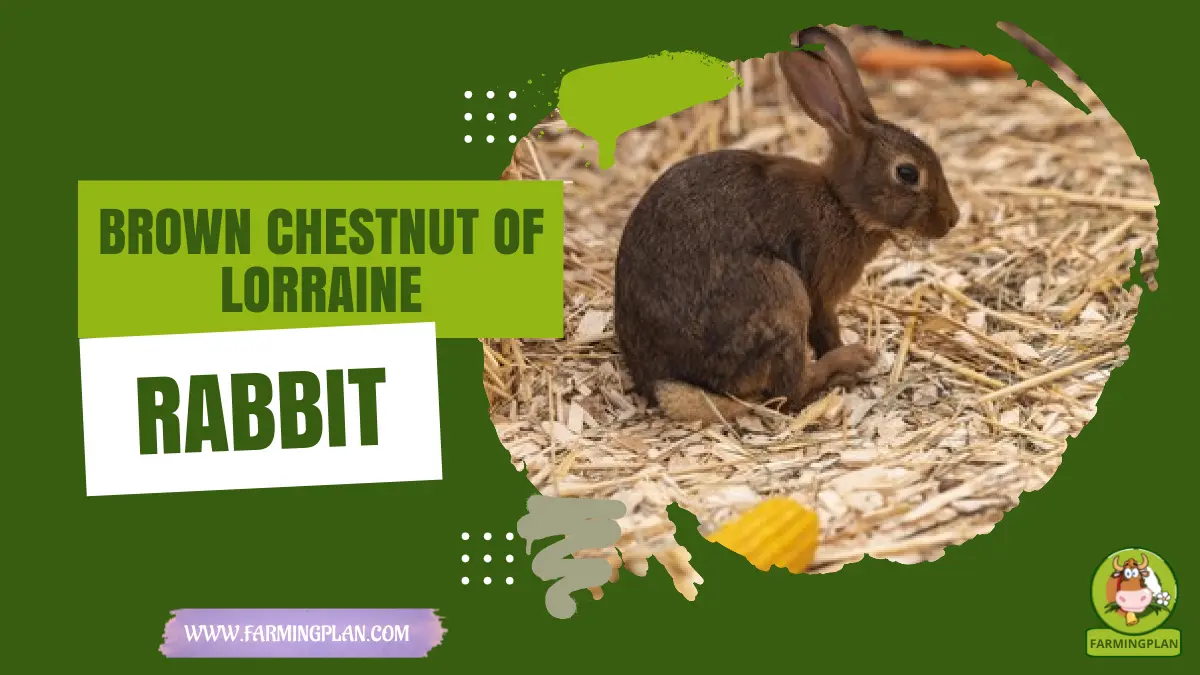
When you look closely at their short, dense coat, you will see a bright chestnut brown hue with a striking orange-brown outer-color that makes them stand out from standard wild rabbit types. As a small herbivore, this chestnut agouti beauty weighs around four to five pounds, making it lightweight yet surprisingly sturdy. Whether you are a breeder looking to preserve rare genes or a pet owner seeking a friendly companion, this breed offers endless rewards.
History and Origin of Brown Chestnut of Lorraine Rabbit
The story of the Brun Marron de Lorraine began back in France, where dedicated breeders developed the breed from local Garenne stock and Tan rabbit lines. I remember reading old breeding logs from Europe that praised breeder Ch. Kauffmann for perfecting this compact domestic animal breed. By carefully crossing wild stock with established Tan lines, early French farmers isolated the chestnut agouti mutation, locking in specific coat color genetics represented by classic genotype patterns like AA BB CC DD EE.
They wanted a hardy animal that thrived on simple farm forage, like fresh grass from local meadows and green vegetables from nearby woodlands. Over decades, organizations like the Fédération Française de Cuniculiculture recognized this distinct strain for its sleek build and agricultural value. Despite its rich heritage in towns like Vitry-sur-Orne and Metz, this domestic rabbit breed faced heavy declines during industrial shifts in the Lorraine region. Steel plants and local companies like SIDELOR altered the rural landscape, causing many small homesteading traditions to fade away.
Heritage enthusiasts and groups like the Union of Poultry Judges of Bas-Rhin worked tirelessly to keep these unique black-edged, brown-coated rabbits alive. Today, dedicated conservationists and educational parks like Parc Sainte-Croix help protect this threatened breed from disappearing completely. Every time I welcome a new litter into my rabbitry, I feel proud to continue a centuries-old European farming legacy that survived so many historical changes.
Read More: Austrian Black and Tan Hound Dog: Amazing Guide
Characteristics of Brown Chestnut of Lorraine Rabbit
When you examine a mature Brown Chestnut of Lorraine rabbit, you immediately notice its graceful, well-rounded body shape. The coat features a rich chestnut brown base paired with a vibrant orange-brown outer layer that gives off a glowing reddish sheen in natural sunlight. One of my favorite features is their under-color, which displays a soft, bluish grey tone extending down across the belly. Their straight, upright ears carry this same bluish interior shade, neatly framed by a sharp black border along the outer edges.
Their eyes are dark and prominent, set inside an angular head that gives them an alert, curious facial expression. Unlike larger meat breeds like the Carmagnola Grey or heavy silver strains like Argente Brun, this breed stays small and agile. The fur quality of this breed is remarkably dense, short, and glossy, making it easy to groom compared to high-maintenance fiber breeds like the Cashmere rabbit or Angora. Unlike solid black rabbits or stark white rabbits, the agouti banding on each hair shaft creates a wild, natural camouflage that blends beautifully into grassy outdoor enclosures.
Genetics plays a huge role in keeping these colors pure, preventing unwanted traits like albino coats or Steel patterns from creeping in. When you brush their coat during seasonal molts, the fur shines with healthy natural oils. Adult bucks reach an ideal weight between 2.0 and 2.4 kilograms, keeping them manageable for handlers of all ages. Their compact size and lightweight bone structure make them exceptionally nimble on their feet.
Nature and Temperament of Brown Chestnut of Lorraine Rabbit
I find that the temperament of this French breed strikes a perfect balance between high energy and gentle affection. They are naturally lively animals that love to explore every inch of their surroundings, whether running in open grass or digging in loose soil. Unlike timid wild rabbits, a properly socialized domestic animal breed like this will run up to greet you at feeding time. They show a playful curiosity toward humans, making them delightful additions to a patient household or homestead. When I sit quietly in their outdoor run, they often hop right onto my lap to inspect my pockets for treats.
Their keen senses keep them sharp and active, so they rarely act lazy during the morning and evening hours. Because they inherit energetic traits from their Tan rabbit ancestors, they require plenty of daily interaction to stay calm and happy. They perform best with keepers who understand prey animal behavior and offer quiet, consistent handling. If you handle them gently from the time they are young kits, they grow into confident adults that enjoy light head scratches and calm lap time.
They get along very well in homestead settings where they can watch farm routines from safe, comfortable quarters. However, small children should always be supervised around them because fast, sudden movements can startle their sharp instincts. With steady care and positive rewards, their friendly personality shines through every single day.
Food and Diet of Brown Chestnut of Lorraine Rabbit
Feeding your rabbit the right diet is the single most important step in keeping their delicate digestive system running smoothly. As strict herbivores, these animals need a diet that consists mostly of clean, fresh fiber to push food through their complex digestive tract. I always keep high-quality grass hay, such as Timothy, orchard grass, or meadow hay, available to my herd twenty-four hours a day. Eating long-stem hay also helps wear down their continuously growing teeth, preventing painful dental spikes and overgrown incisors. Alongside unlimited hay, I feed a measured daily portion of high-fiber, plain rabbit pellets to ensure they receive all necessary vitamins and minerals.
Fresh greens make up a crucial part of their daily menu, providing vital hydration and natural nutrients. I offer my rabbits handfuls of leafy greens like romaine lettuce, dandelion greens, parsley, cilantro, and carrot tops every afternoon. You must avoid dangerous foods like potatoes, iceberg lettuce, rhubarb, beets, and sweet human snacks like chocolate, as these items cause severe gastrointestinal distress. Fresh, clean water must always be accessible in heavy ceramic bowls or drip bottles, as dehydration can become fatal within twenty-four hours. During hot weather, I check their water containers multiple times a day to ensure they stay cool and well-hydrated. Balancing high fiber with fresh vegetation creates the foundation for a vibrant, long-lived rabbit.
Usage and Purpose on Brown Chestnut of Lorraine Rabbit
Historically, European smallholders raised this compact French breed as a dual-purpose animal for both meat production and lightweight fur utilization. Their efficient feed conversion rate allowed rural families to produce lean meat using simple backyard vegetation and garden scraps. While commercial operations prefer larger breeds like the American Argente Brun or New Zealand, homesteaders still appreciate this smaller breed for sustainable, low-impact meat production. Their short, dense pelts also provided warm lining material for winter clothing in regional farming communities. Today, their role has shifted significantly from livestock to exhibition, conservation, and companionship.
In modern times, breeders showcase this rare breed in specialty exhibitions governed by organizations like the Fédération Française de Cuniculiculture. Judges evaluate their refined chestnut agouti coloration, compact body proportions, and distinct ear markings against strict standard guidelines. Hobbyists and conservation groups, such as the Livestock Conservancy in spirit, work to protect these heritage lines from going extinct. Beyond show tables and breeding pens, they make brilliant companion animals for dedicated pet owners who appreciate rare heritage livestock. Their compact size makes them easier to house than giant breeds, while their striking beauty draws attention wherever they appear.
Special Features of Brown Chestnut of Lorraine Rabbit
- The distinct dark orange-brown outer coat displays a rich, radiant warmth under bright daylight.
- A hidden bluish-grey under-color runs along the belly and extends inside the inner ear surfaces.
- Solid black bordering lines the delicate tips and outer edges of their upright ears.
- The rare chestnut agouti genetic sequence produces three distinct color bands on individual hair shafts.
- High natural agility and compact muscle structure allow them to leap and maneuver effortlessly in open enclosures.
- Strong maternal instincts enable does to raise robust, healthy litters with minimal human intervention.
Health Issues and Prevention of Brown Chestnut of Lorraine Rabbit
Keeping your rabbit healthy requires daily observation and proactive care routines. Like all domestic lagomorphs, this breed has a sensitive digestive system that easily suffers from Gastrointestinal (GI) Stasis if their diet lacks sufficient roughage. GI Stasis occurs when the gut slows down or stops completely, causing painful gas buildup, loss of appetite, and lethargy. If you notice your rabbit stopping eating or producing unusually small droppings, contact a qualified exotic veterinarian immediately. Ingesting loose hair during heavy shedding seasons can also clog their stomach, making regular brushing essential during spring and autumn moults.
Another common concern for homestead rabbits is flystrike, a dangerous condition where flies lay eggs in dirty fur, leading to severe infection. You can prevent this horrifying issue by keeping hutches dry, cleaning litter pans daily, and inspecting your rabbit’s rear end every morning. Overgrown teeth and ear mites also pose frequent threats to farm rabbits. Providing hard wooden chew toys and wooden blocks keeps their incisors trimmed naturally, while routine ear checks catch dark, crusty mite debris early. Scheduling yearly veterinary checkups, maintaining strict sanitation in pens, and feeding a high-fiber diet will keep your herd thriving for six to eight wonderful years.
“A Radiant Brown Chestnut Of Lorraine Rabbit Brightens Any Homestead.”
Step-by-Step Pet Owner Care Guide for Brown Chestnut of Lorraine Rabbit
Caring for this rare French breed requires careful preparation, correct housing, clean feeding practices, and daily health checks to ensure your animal thrives in a domestic setting.
Step 1: Setting Up the Housing and Environment
You must prepare a spacious, predator-proof enclosure before bringing your new rabbit home to your property. I recommend a minimum footprint of four feet by two feet for a single adult, though larger runs or free-roaming play pens are much better. Wire-bottom cages can injure their delicate feet, so always provide solid flooring lined with soft hay, wood shavings, or clean fleece blankets. Position the habitat in a quiet, temperature-controlled area away from direct sunlight, harsh drafts, and loud domestic pets. Equipping the enclosure with a plastic litter box filled with paper-based bedding near their hay rack helps establish clean bathroom habits right away.
Step 2: Establishing Daily Feeding and Hydration Routines
Developing a strict daily feeding schedule keeps your rabbit’s gut active and prevents unexpected digestive upsets. Fill their hay rack with fresh Timothy hay every morning, ensuring they never run out of long roughage during the day. Measure out a precise portion of plain, uncolored alfalfa-free pellets each evening, discarding old, stale food left in the bowl. Refill their water bottles or heavy ceramic bowls with clean, room-temperature water twice daily to keep hydration levels consistently high. Introducing new greens slowly—one vegetable type per week—allows you to monitor their stomach tolerance without causing loose stools.
Step 3: Grooming and Physical Maintenance
Regular grooming sessions build trust with your rabbit while keeping their short coat free of loose fur and dirt. Brush their dense pelt once a week using a soft slicker brush or rubber grooming tool to pull away shedding hairs. Increase your brushing frequency to three times a week during seasonal moults to stop them from swallowing excessive fur while self-grooming. Trim their sharp toe nails every six to eight weeks using animal nail clippers, taking care to avoid the pink quick inside the claw. Clean their ears gently with a damp cotton ball if you notice mild dust buildup along the outer folds.
Step 4: Socialization and Daily Exercise
Providing mental stimulation and physical exercise keeps your energetic rabbit happy and prevents destructive chewing habits. Allow your rabbit at least three to four hours of safe exercise outside their main pen every single day. Rabbit-proof your indoor room by covering exposed electrical cords, blocking tight gaps under furniture, and removing toxic houseplants from floor level. Sit quietly on the floor during playtime, allowing your pet to approach you at their own pace without forcing physical contact. Provide cardboard tunnels, willow balls, and safe wooden chew blocks to satisfy their natural desire to gnaw and dig.
Step 5: Preventive Health Checks and Sanitation
Maintaining a clean living area prevents bacterial diseases, parasites, and foul odors on your farm or home. Remove soiled bedding, feces, and wet hay from their litter box every day to keep the air fresh. Perform a deep cleaning of the entire cage once a week, washing solid surfaces with warm water and pet-safe vinegar solutions. Conduct a quick weekly health check by inspecting your rabbit’s eyes for discharge, checking their mouth for wet fur, and feeling their spine for sudden weight loss. Establish a relationship with an experienced exotic veterinarian who can perform annual physical exams and handle emergency health situations quickly.
Read More: Australian Performing Tumbler Pigeon: Best Farming Need to Know
Expert Tips and Best Practices
- Place high-capacity hay racks directly above litter boxes because rabbits love to eat grass while using the bathroom.
- Avoid plastic water bottles with leaky metal balls; use heavy ceramic crock bowls that are easy to wash thoroughly.
- Offer fresh apple branches and willow sticks to keep their teeth worn down without adding unnecessary dietary sugars.
- Keep a small grooming kit containing a slicker brush, nail trimmers, and styptic powder inside your rabbit supply cabinet.
- Provide untreated sea grass mats on smooth tile floors to give your pet comfortable traction while hopping around rooms.
- Maintain housing temperatures between 55°F and 72°F because rabbits tolerate cold weather much better than intense summer heat.
FAQs
What is the ideal weight of a Brown Chestnut of Lorraine rabbit?
An adult Brown Chestnut of Lorraine rabbit typically weighs between 2.0 and 2.4 kilograms (about 4.4 to 5.3 pounds). This compact weight makes them a small breed that is light and easy to manage.
What does the coat color of a Brun Marron de Lorraine look like?
This breed features a striking chestnut brown coat with a rich orange-brown outer tone and a soft bluish-grey under-color along its belly. Their upright ears also display bluish inner shades neatly framed by a thin black border.
Is the Brown Chestnut of Lorraine rabbit considered a rare breed?
Yes, this French breed is currently classified as very rare both in its native France and across global rabbitry networks. Dedicated heritage breeders actively work with regional organizations to preserve its historical lineage and genetic diversity.
How long does a Brown Chestnut of Lorraine rabbit usually live?
When provided with high-quality hay, proper housing, and regular health checks, these rabbits can live between 5 and 8 years in a safe domestic environment. Keeping them indoors away from predators significantly extends their life expectancy.
Can you raise this rabbit breed for small-scale meat production?
While modern keepers raise them mostly for exhibition and companionship, smallholders historically raised them for lean meat and dense fur. Their fine bone structure and good growth rate make them suitable for traditional homesteading setups.
Conclusion
Raising a Brown Chestnut of Lorraine rabbit brings immense joy, rich agricultural history, and vibrant beauty right to your home or farm. By providing unlimited grass hay, clean housing, daily grooming, and warm affection, you help preserve a remarkable French breed for future generations to cherish. Whether you want to step onto the exhibition show floor or simply enjoy a lively lap companion, this energetic herbivore will steal your heart every single day. Do you have experience raising rare heritage rabbits on your homestead? Share your stories, ask questions in the comments below, and pass this guide along to fellow animal lovers today!


