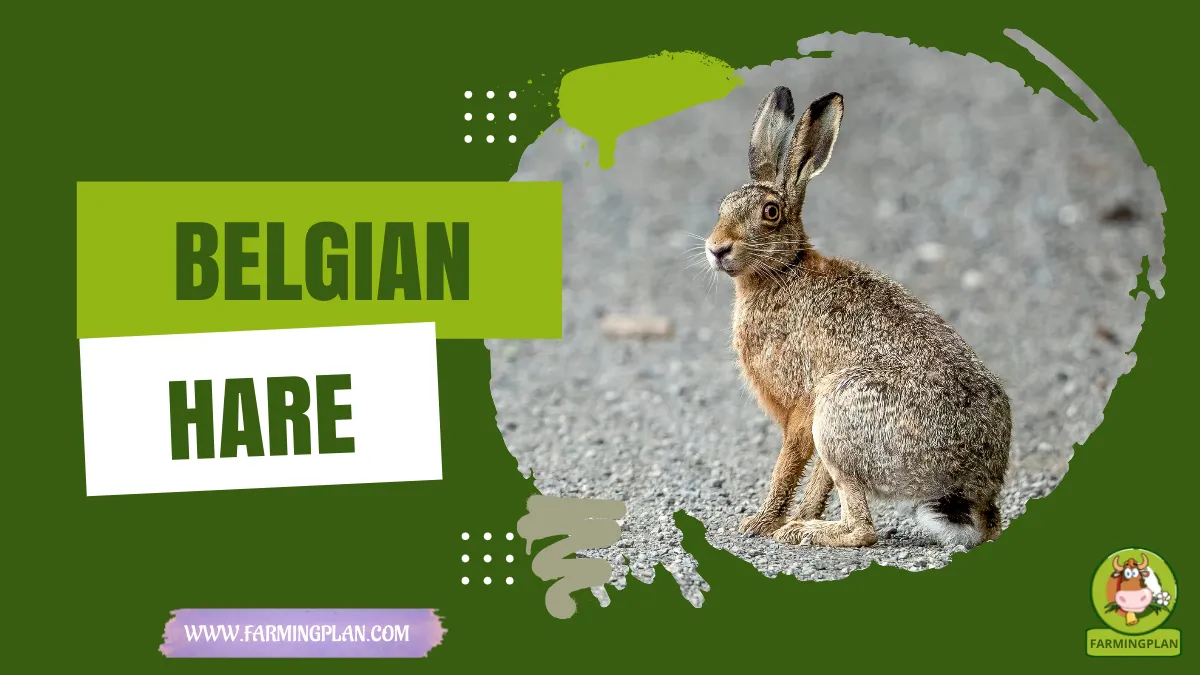
The Belgian Hare is one of the most unique and elegant rabbits I have worked with during my years as a farming specialist and rabbit breeder. Although its name includes the word “hare,” it is actually a domestic rabbit breed developed from the European rabbit rather than a true hare like Lepus europaeus. Many rabbit enthusiasts admire this breed because of its athletic body, long legs, hazel coloured eyes, and graceful appearance that resembles a wild hare.
Whether you are searching for information about Belgian Hare for sale, Belgian Hare size, Belgian Hare lifespan, Belgian Hare baby rabbits, or Belgian Hare colors, this guide covers everything you need to know. I will share practical knowledge about its history, temperament, feeding, health care, breeding, exhibition value, and daily management. The Belgian Hare remains one of the most exciting heritage rabbit breeds in America and other parts of the world because it combines beauty, intelligence, speed, and personality in one remarkable package.
History & Origin of the Belgian Hare
The history of the Belgian Hare begins in Belgium during the early nineteenth century. Rabbit breeders selectively crossed domestic rabbits to create animals that closely resembled wild European hares. Their goal was not to create a true hare but to develop a rabbit with the same sleek body, long limbs, and athletic movement. Breeders around Antwerp and neighboring regions focused on improving body shape, color, and speed. Through careful breeding programs, they produced rabbits that displayed the elegant characteristics people admired in wild hares. These early Belgian Hares quickly gained popularity throughout Europe.
Benjamin Greaves and the Rise of the Breed
One of the most important names in Belgian Hare history is Benjamin Greaves. He played a major role in refining and promoting the breed. During the late 1800s, particularly in the 1880s, British breeders improved the rabbit further and established breed standards. Organizations and businesses such as Sutton & Company helped spread awareness of the breed. Exhibitions at prestigious locations, including the London Zoological Gardens, attracted large crowds. Rabbit fanciers became fascinated with the breed’s unique appearance and graceful movement.
The Belgian Hare Boom in America
The breed arrived in the United States during the late nineteenth century. What followed became known as the famous Belgian Hare boom. Wealthy investors, hobbyists, and rabbit breeders rushed to purchase breeding stock. Prices rose dramatically as demand exploded across America. Prominent figures, including J. P. Morgan, reportedly showed interest in the rabbit craze. Specialized organizations such as the National Belgian Hare Club and later the American Belgian Hare Association helped organize breeders and exhibitions.
Recognition and Conservation Efforts
Today, the breed receives recognition from the American Rabbit Breeders Association (ARBA) and remains an important heritage breed. The Livestock Conservancy considers it valuable for rare breed revival and heritage breed conservation efforts. Dedicated breeders in places such as British Columbia, the United States, the United Kingdom, and parts of Eastern Europe continue preserving quality bloodlines. Groups like BC Belgians work hard to maintain healthy populations and promote responsible breeding practices.
Read More: Ameraucana Chicken Amazing Blue-Egg Guide
Belgian Hare Characteristics and Appearance
The first thing I notice when looking at a Belgian Hare is its extraordinary body shape. Breeders often describe it as the “rabbit racehorse” because of its slim, athletic build. Unlike compact rabbit breeds, the Belgian Hare features a long, lean body supported by powerful hindquarters and exceptionally long legs. The breed carries itself with confidence and elegance. When standing naturally, it displays a graceful arch that distinguishes it from most domesticated rabbits.
Belgian Hare Size and Weight
Many new owners ask about Belgian Hare size and Belgian Hare weight.
Adult rabbits generally reach:
- Bucks: 6 to 9 pounds
- Does: 7 to 10 pounds
- Maximum weight often approaches 10 pounds in large individuals
Their body appears larger than many rabbits because of their length and posture. The long frame creates a very striking appearance on the show table.
Belgian Hare Colors and Varieties
Several recognized and historical color varieties exist.
Common varieties include:
- Rufus variety
- Tan variety
- Black Belgian Hares
- Rich chestnut-red shades
- Deep ticking patterns
The Rufus variety remains the most popular among exhibition breeders. It features a warm red coat with black ticking that closely resembles a wild hare.
Distinctive Physical Features
Several features make this breed easy to identify:
- Long ears
- Long legs
- Fine bone structure
- Hazel coloured eyes
- Arched back
- Muscular hindquarters
- Short glossy coat
Because of these characteristics, Belgian Hares often attract attention at rabbit shows and exhibitions.
Belgian Hare vs Hare
One of the most searched questions online is Belgian Hare vs hare. A true hare belongs to species such as Lepus europaeus. Hares live in the wild, give birth to fully furred young, and have different biological traits. The Belgian Hare, however, remains a domesticated rabbit derived from the European rabbit. Although it resembles a hare in appearance, it is genetically a rabbit.
Belgian Hare Temperament and Personality
Intelligent, Energetic, and Alert
The Belgian Hare temperament differs from many calm rabbit breeds. In my experience, these rabbits stay alert and active throughout the day. They constantly observe their surroundings and react quickly to movement. Their intelligence makes them fascinating companions. They learn routines rapidly and often recognize feeding schedules. Some owners even teach them simple tricks and obstacle courses.
Excellent Companions for Active Owners
These rabbits do best with owners who enjoy spending time interacting with their animals. They appreciate enrichment activities, exercise areas, and regular bonding sessions.
I often recommend:
- Daily supervised exercise
- Rabbit agility activities
- Hopping competitions
- Interactive toys
- Exploration time
Many Belgian Hares become highly social when raised with proper handling from a young age.
Behavior Around Families and Other Rabbits
Belgian Hares can bond closely with people. However, they usually prefer calm environments over noisy households. Their sensitive nature means sudden movements or loud sounds may startle them. When introducing them to other rabbits, I always recommend gradual bonding sessions. Proper introductions reduce stress and help establish healthy relationships.
Challenges New Owners Should Know
Because of their energetic personality, Belgian Hares are not ideal for people seeking a low-maintenance pet. They need larger enclosures, mental stimulation, and regular exercise. Some rabbits may display nervous behavior if confined to small hutches for extended periods. Free run rabbits often show healthier behavior patterns because they have opportunities to move naturally.
Why Rabbit Fanciers Treasure Them
Experienced rabbit fanciers value this breed for several reasons:
- Exceptional intelligence
- Athletic ability
- Elegant appearance
- Strong exhibition presence
- Unique personality
Their combination of beauty and activity makes them one of the most distinctive breeds recognized by rabbit organizations worldwide.
Food & Diet for Belgian Hare
In my experience, proper nutrition plays the biggest role in raising strong and healthy Belgian Hares. Because this breed stays highly active and energetic, it needs a balanced diet that supports muscle development, digestion, coat quality, and overall health. Many new owners make the mistake of feeding too many treats and not enough fiber. I always focus on providing fresh hay as the foundation of the diet.
Building a Healthy Feeding Program
The digestive system of a Belgian Hare works best when it receives a constant supply of fiber. High-quality grass hay helps prevent digestive problems and supports healthy teeth. Since rabbit teeth grow continuously throughout life, chewing hay naturally wears them down and reduces dental issues.
A healthy feeding routine should include:
- Unlimited Timothy hay or grass hay
- Clean drinking water available at all times
- Rabbit-specific pellets
- Bunny nuggets formulated for rabbits
- Fresh leafy vegetables
- Small amounts of safe fruits as treats
Daily Feeding Schedule and Nutritional Needs
Adult Belgian Hares benefit from a consistent feeding schedule. I usually divide pellet feeding into morning and evening portions while allowing unlimited hay throughout the day.
Fresh vegetables I commonly recommend include:
- Romaine lettuce
- Cilantro
- Parsley
- Bok choy
- Dandelion greens
- Basil
Young Belgian Hare babies require additional nutrition during growth. Breeders often provide quality pellets along with hay to support healthy development. Home grown food can also become part of a feeding program when grown safely and free of pesticides.
Foods to Avoid for Better Health
Several foods can create serious health problems for rabbits. I advise owners to avoid:
- Chocolate
- Onions
- Garlic
- Avocado
- Sugary snacks
- Processed human foods
- Moldy feed
Poor nutrition can contribute to obesity, digestive disorders, and gastrointestinal stasis. A simple diet based on hay, pellets, vegetables, and clean water usually produces the best results.
Seasonal Feeding Adjustments
During hot weather, Belgian Hares often eat slightly less and drink more water. During colder months, they may require a little extra feed to maintain body condition. I regularly monitor body weight and adjust feeding accordingly. A lean but well-muscled rabbit reflects proper nutrition and good management.
Usage and Purpose of Belgian Hare
A Popular Show and Exhibition Rabbit
One of the primary purposes of the Belgian Hare today involves exhibition and competition. The breed attracts attention wherever it appears because of its elegant structure and graceful posture.
At rabbit shows, judges evaluate:
- Body shape
- Coat condition
- Color quality
- Eye appearance
- Overall balance
- Conformational issues
Many breeders dedicate years to improving bloodlines for the exhibition ring. Successful animals often earn impressive show records and become valuable breeding stock. The breed enjoys recognition through organizations such as the American Rabbit Breeders Association (ARBA) and specialty clubs focused on Belgian Hares.
Companion Animal and Family Pet
Although originally developed for exhibition and commercial purposes, Belgian Hares also make excellent pets for experienced owners.
I often recommend them to people who want:
- An active companion
- An intelligent rabbit
- A trainable pet
- A highly interactive animal
Their energetic nature means they need more engagement than many other rabbit breeds. Owners who enjoy spending time with their animals often find Belgian Hares extremely rewarding.
Historical Meat Production and Livestock Use
During the height of the Belgian Hare boom, many farmers viewed the breed as a valuable livestock animal. People raised rabbits for meat production because they grew efficiently and produced desirable carcasses.
Important livestock-related terms historically associated with the breed include:
- Fryers
- Dress out percentage
- Butchering
- Carcass weight
Modern commercial meat production generally uses other rabbit breeds, but Belgian Hares still hold historical significance within the rabbit industry.
Sports and Rabbit Activities
The breed’s athletic abilities make it suitable for several recreational activities.
Popular activities include:
- Rabbit Agility
- Hopping competitions
- Obstacle courses
- Training demonstrations
Many owners enjoy watching their rabbits navigate agility equipment because Belgian Hares naturally possess speed, balance, and coordination.
Conservation and Heritage Breed Preservation
Today, many breeders focus on preserving the Belgian Hare as a heritage breed. Rare breed revival efforts help maintain genetic diversity and protect historical bloodlines. Dedicated breeders in the United States, Belgium, Canada, and the United Kingdom continue working toward long-term conservation goals.
Special Features That Make Belgian Hare Unique
One feature that immediately separates the Belgian Hare from other rabbits is its racehorse-like body. I have worked with many breeds, including Beveren, Harlequin, Blanc de Hotot, Japanese, and German Blue rabbits, yet few match the Belgian Hare’s elegant athletic profile. Its arched back, long legs, and streamlined frame create a truly distinctive appearance. This unique look remains one of the biggest reasons breeders continue promoting the breed today.
Exceptional Intelligence and Awareness
Belgian Hares rank among the most intelligent rabbit breeds I have encountered. They quickly learn feeding schedules, recognize familiar people, and respond well to routine.
Many owners successfully teach them:
- Name recognition
- Basic commands
- Agility exercises
- Obstacle navigation
- Interactive games
Their sharp minds make daily interaction more enjoyable and rewarding.
Rich Cultural and Historical Legacy
The breed possesses a fascinating history that few rabbit breeds can match. Stories from the Belgian Hare boom continue to interest breeders and historians today.
Throughout history, Belgian Hares appeared in:
- Agricultural exhibitions
- Livestock fairs
- Breeding programs
- Rabbit clubs
- Heirloom Festival events
Some enthusiasts even celebrate the breed through artwork, rabbit t-shirts, and themed collectibles.
Rare Breed Revival and Conservation Importance
The Belgian Hare represents an important part of rabbit breeding history. Conservation groups and responsible breeders continue protecting this heritage breed from population decline.
Rare breed conservation helps preserve:
- Historical bloodlines
- Unique genetics
- Traditional breed standards
- Exhibition quality traits
Without these efforts, many valuable characteristics could disappear over time.
Unique Personalities and Famous Rabbit Names
Owners often describe their Belgian Hares using playful nicknames and personalities. Popular names among rabbit enthusiasts include:
- Benji
- Cracker
- Rumple
- Wise Old Thumper
- Bavarian Bunny
- Trickster Hares
- Mad as a March Hare
- Binky Queen
These names reflect the breed’s playful and energetic nature, which often wins over new owners quickly.
Health Issues and Prevention
Common Health Problems in Belgian Hares
Like all domesticated rabbits, Belgian Hares can develop certain health conditions. Early detection and proper care greatly improve outcomes.
Common rabbit health issues include:
- Gastrointestinal stasis
- Ear mites
- Skin irritations
- Flystrike
- Sore hocks
- Respiratory infections
- Rabbit teeth problems
- Inner ear infection
I recommend observing rabbits daily because early symptoms often appear before serious illness develops.
Respiratory Diseases and Pneumonia Risks
Respiratory disease can affect rabbits of all breeds. Researchers have identified bacteria such as M. haemolytica and Mannheimia granulomatis in studies involving respiratory infections.
Potential conditions may include:
- Pneumonia
- Purulent bronchopneumonia
- Nasal discharge
- Breathing difficulties
Scientific research involving pneumonic European hares, pneumonic Swedish roe deer, and Australian cattle has contributed valuable microbiology knowledge regarding respiratory pathogens and disease response.
Owners should seek veterinary attention if a rabbit develops:
- Labored breathing
- Persistent sneezing
- Nasal discharge
- Reduced appetite
- Lethargy
Skin, Ear, and Foot Problems
Ear mites remain a common concern in rabbits. Infected animals may shake their heads frequently or scratch their ears excessively.
Skin-related problems include:
- Mites
- Skin lesions
- Skin irritations
- Fur loss
Sore hocks often develop when rabbits live on hard wire flooring. I prefer using solid flooring, bedding materials, and rubber mats to protect the feet.
Digestive Disorders and Emergency Situations
Gastrointestinal stasis represents one of the most serious rabbit emergencies. When digestion slows or stops, rabbits can become critically ill within a short period.
Warning signs include:
- Reduced appetite
- Small droppings
- No droppings
- Weakness
- Abdominal discomfort
Immediate veterinary care becomes necessary if these symptoms appear.
Prevention Strategies for Long-Term Health
The best prevention plan focuses on proper management.
I recommend:
- Clean rabbit enclosures
- Fresh water daily
- High-fiber diet
- Regular grooming
- Routine health checks
- Proper ventilation
- Safe exercise areas
- Responsible breeding practices
During winter, protect rabbits from cold sensitivity by providing sheltered housing and safe heat lamps when necessary. Healthy Belgian Hares often live long, active lives when owners provide good nutrition, clean housing, regular grooming, and prompt medical care whenever problems arise.
Step-by-Step Belgian Hare Farming Guide & Pet Owner Care Guide
Over the years, I have helped many new rabbit owners successfully raise Belgian Hares. One thing I always tell beginners is that this breed is very different from many other domesticated rabbits. Their athletic body, active personality, and alert nature require a thoughtful care plan from day one.
Understanding What Belgian Hares Need Before You Start
A Belgian Hare is not simply a rabbit that sits quietly in a cage all day. These animals enjoy movement, exploration, and interaction. They thrive when owners provide proper housing, balanced nutrition, exercise opportunities, and regular health monitoring. When people understand these needs early, they usually experience far fewer problems later.
Why a Step-by-Step Approach Works Best
Many beginners become overwhelmed because they try to learn everything at once. I prefer a step-by-step system because it allows owners to build a solid foundation. Each step supports the next one and creates a healthy environment where the rabbit can thrive. The following guide covers every major stage, from selecting breeding stock or pets to daily management and long-term care. Whether you plan to keep a pet-quality rabbit or develop a breeding program, these practical steps will help you succeed.
Step 1: Select Healthy Belgian Hare Stock
Start With Responsible Breeders
The first step always involves finding healthy animals from responsible breeders. Quality breeding stock determines much of your future success. I encourage buyers to spend time researching breeders rather than purchasing the cheapest rabbit available.
Responsible breeders focus on:
- Good temperament
- Proper body structure
- Healthy bloodlines
- Strong genetics
- Breed standards
- Disease prevention
Many breeders belong to organizations such as the American Belgian Hare Association or participate in ARBA-sanctioned events.
What to Look for During Selection
When examining a rabbit, I check several key features.
A healthy Belgian Hare should have:
- Bright hazel coloured eyes
- Clean ears
- Smooth coat
- Alert posture
- Strong appetite
- Straight movement
- Well-developed body condition
Avoid rabbits showing:
- Nasal discharge
- Matted fur
- Lesions
- Lethargy
- Excessive scratching
- Poor body condition
Taking extra time during selection often prevents future health and management problems.
Step 2: Prepare Proper Housing and Enclosures
Build a Safe Living Environment
Housing plays a major role in rabbit health. Because Belgian Hares possess long legs and athletic bodies, they need larger enclosures than many compact breeds. I prefer spacious rabbit enclosures that allow natural movement and stretching.
An ideal setup includes:
- Large hutch or enclosure
- Exercise area
- Proper ventilation
- Predator protection
- Dry flooring
- Weather protection
The enclosure should remain easy to clean and provide enough space for daily activity.
Flooring and Comfort Considerations
Many foot problems begin with poor flooring choices. Wire floors can contribute to sore hocks and discomfort over time.
I recommend:
- Solid flooring sections
- Rubber mats
- Soft bedding
- Dry resting areas
These materials improve comfort and reduce pressure on the feet. Owners in colder regions should address cold sensitivity by providing insulation and wind protection. During severe weather, safe heat lamps may help maintain comfortable temperatures.
Step 3: Create a Proper Feeding Program
Establish a Daily Nutrition Routine
Once housing is ready, I focus on nutrition. Belgian Hares require consistent feeding schedules and quality feed sources.
My feeding system includes:
- Unlimited hay
- Rabbit-specific pellets
- Fresh vegetables
- Fresh water
Fiber remains the most important nutritional component because it supports digestion and dental health.
Monitor Growth and Body Condition
I regularly evaluate each rabbit’s weight and body condition. Belgian Hares should appear lean and athletic rather than overweight.
Young Belgian Hare babies need:
- Extra nutrition for growth
- Fresh water access
- Gradual dietary transitions
Rapid feed changes often cause digestive upset. I introduce new foods slowly and observe how each rabbit responds. Good feeding practices help prevent obesity, gastrointestinal stasis, and nutritional deficiencies.
Step 4: Provide Daily Exercise and Mental Stimulation
Encourage Natural Movement
Belgian Hares evolved through selective breeding for an active, hare-like appearance. Their bodies perform best when they have room to move.
Daily exercise supports:
- Muscle development
- Joint health
- Mental well-being
- Weight control
I encourage owners to provide supervised activity sessions every day.
Fun Activities for Active Rabbits
Belgian Hares often enjoy enrichment activities such as:
- Rabbit Agility
- Hopping courses
- Tunnels
- Platforms
- Exploration zones
These activities reduce boredom and destructive behavior. Many rabbits quickly learn obstacle courses and become highly engaged during training sessions. This breed often enjoys interaction much more than people expect.
Step 5: Establish Grooming and Hygiene Practices
Keep the Coat and Skin Healthy
Although Belgian Hares have relatively short coats, regular grooming remains important.
Weekly grooming helps:
- Remove loose fur
- Detect parasites
- Check skin condition
- Improve coat quality
Grooming sessions also strengthen the bond between owner and rabbit.
Perform Routine Health Checks
During grooming, I inspect:
- Ears
- Eyes
- Teeth
- Nails
- Skin
- Feet
Early detection often prevents serious medical problems.
Signs requiring attention include:
- Ear mites
- Skin irritations
- Excessive scratching
- Swelling
- Abnormal lumps
A few minutes of inspection each week can save significant veterinary expenses later.
Step 6: Manage Breeding Responsibly
Plan Breeding Carefully
Breeding Belgian Hares requires patience and knowledge. I never recommend breeding rabbits simply because they are available. Successful breeding programs focus on:
- Temperament
- Health
- Conformation
- Genetic quality
Breeders should avoid pairing animals with known health issues or serious conformational faults.
Raise Healthy Litters
Pregnant does require:
- Proper nutrition
- Clean housing
- Low-stress environments
After birth, I monitor Belgian Hare babies carefully.
Important tasks include:
- Nest inspection
- Weight monitoring
- Clean bedding
- Health observation
Responsible breeding supports rare breed revival and heritage breed conservation efforts.
Step 7: Monitor Health Every Day
Watch for Early Warning Signs
Daily observation remains one of the most effective management tools.
I check every rabbit for:
- Appetite changes
- Energy level
- Dropping production
- Breathing quality
- Movement patterns
Even small changes can indicate developing health problems.
Respond Quickly to Illness
Common concerns include:
- Gastrointestinal stasis
- Respiratory infections
- Ear infections
- Skin conditions
- Dental problems
Fast action often improves recovery outcomes significantly. Owners should establish a relationship with a rabbit-experienced veterinarian before emergencies occur.
Step 8: Socialization and Long-Term Enrichment
Build Trust Through Consistent Interaction
Belgian Hares usually respond well to gentle handling and regular interaction. I spend time with my rabbits every day to build trust.
Positive experiences include:
- Hand feeding
- Quiet handling
- Grooming sessions
- Training activities
These interactions create confident and well-adjusted animals.
Maintain a High Quality of Life
Long-term success involves more than food and shelter. Belgian Hares thrive when owners provide:
- Space to run
- Mental stimulation
- Social interaction
- Consistent routines
- Proper health care
When all these elements come together, owners often enjoy many years with healthy, active, and engaging rabbits. By following these steps consistently, I have found that Belgian Hares remain healthier, more active, and more enjoyable to own. Proper housing, nutrition, exercise, grooming, and health monitoring create the foundation for long-term success with this remarkable heritage rabbit breed.
“The Secret To Raising Exceptional Belgian Hares Is Simple: Give Them Room To Move, Quality Food To Thrive, And Daily Attention To Build Trust.”
Expert Tips & Best Practices for Belgian Hare Success
Follow These Proven Best Practices
Over many years of raising and working with Belgian Hares, I have discovered that small daily habits often make the biggest difference. New owners frequently focus on expensive equipment or fancy feeds, but long-term success usually comes from consistency. The following tips have helped me maintain healthier rabbits, improve breeding results, and develop stronger relationships with my animals.
Housing and Management Tips
- Provide larger enclosures than you would for many other rabbit breeds.
- Allow supervised exercise outside the hutch every day.
- Keep rabbit enclosures dry and well-ventilated.
- Use rubber mats or solid resting surfaces to help prevent sore hocks.
- Clean feeding and watering equipment regularly.
- Protect rabbits from extreme heat and sudden temperature changes.
- Create quiet lounge areas where rabbits can rest without disturbance.
Feeding and Nutrition Tips
- Offer unlimited grass hay every day.
- Choose high-quality rabbit-specific pellets.
- Introduce new vegetables gradually.
- Monitor body condition instead of feeding by guesswork.
- Remove uneaten fresh food before it spoils.
- Keep fresh water available at all times.
- Use home grown food only if it is safe and pesticide-free.
Breeding and Show Tips
- Buy breeding stock only from responsible breeders.
- Study ARBA standards before beginning a breeding program.
- Record breeding dates and health history carefully.
- Avoid breeding rabbits with conformational issues.
- Select for temperament as well as appearance.
- Practice handling young rabbits early to improve confidence.
- Prepare exhibition rabbits using a grooming table before shows.
Health and Welfare Tips
- Inspect ears weekly for ear mites.
- Watch for signs of gastrointestinal stasis.
- Schedule routine veterinary evaluations.
- Check rabbit teeth regularly.
- Maintain clean bedding and nesting areas.
- Isolate sick rabbits immediately when illness appears.
- Observe appetite and droppings daily.
Conservation and Breed Preservation Tips
- Support rare breed revival programs whenever possible.
- Preserve strong bloodlines through responsible breeding.
- Participate in Belgian Hare clubs and educational events.
- Encourage new breeders to learn proper husbandry practices.
- Promote heritage breed conservation through education and outreach.
Read More: Nubian Goat: Amazing Dairy Breed Guide
FAQs
How long does a Belgian Hare live?
A healthy Belgian Hare lifespan typically ranges from 7 to 11 years when owners provide proper nutrition, housing, exercise, and veterinary care. Some rabbits may live even longer under excellent management conditions.
What size does a Belgian Hare reach?
Adult Belgian Hares generally weigh between 6 and 10 pounds. Their long legs and elongated body make them appear larger than many other rabbit breeds even when their actual weight remains moderate.
Are Belgian Hares good pets for beginners?
Belgian Hares can make excellent pets, but I usually recommend them for owners who can dedicate time to exercise, enrichment, and interaction. Their energetic personality requires more involvement than some calmer rabbit breeds.
What do Belgian Hare babies eat?
Belgian Hare babies should receive quality hay, fresh water, and age-appropriate rabbit pellets. Breeders typically introduce vegetables gradually as young rabbits mature and their digestive systems develop.
How much does a Belgian Hare cost?
The Belgian Hare price varies based on pedigree, breeder reputation, age, bloodline quality, and show potential. Pet-quality rabbits usually cost less than exhibition or breeding stock from established breeders.
Conclusion
The Belgian Hare remains one of the most elegant and fascinating rabbit breeds in the world. From its remarkable history in Belgium and the famous Belgian Hare boom in America to its athletic body, intelligent temperament, and impressive exhibition presence, this breed offers something special for breeders, pet owners, and rabbit enthusiasts alike. Throughout my experience as a farming specialist, I have found that Belgian Hares thrive when owners provide spacious housing, quality nutrition, regular exercise, proper grooming, and attentive health care. Their unique appearance, heritage breed value, and engaging personality continue to attract new generations of rabbit lovers. If you are considering adding a Belgian Hare to your family or breeding program, take time to learn, prepare, and work with responsible breeders. Have you raised Belgian Hares before? Share your experiences, ask questions, and help support heritage breed conservation by leaving a comment and sharing this guide with fellow rabbit enthusiasts.