The Beetal goat stands out as one of the finest dual-purpose breeds you can raise today. Throughout my years working in animal husbandry, I have watched this incredible breed transform simple family homesteads into thriving agricultural businesses. These animals originate from the fertile plains of the Punjab region, spanning both India and Pakistan. Farmers love them because they yield high amounts of rich milk while also supplying superior quality meat. Their large frame, long drooping ears, and calm nature make them an absolute delight to manage on the farm.
Whether you want to produce fresh dairy products or run a commercial meat business, this breed delivers outstanding results every single time. I created this guide to share my practical experience with you so you can raise these animals with confidence. You will learn about their diet, health needs, breeding habits, and daily management steps. Let us jump into the exciting world of these marvelous animals and explore why they deserve a prime spot on your land.
History and Origin of Beetal Goat
The historic roots of this magnificent breed trace directly back to the Punjab region. Farmers initially bred them in districts like Gurdaspur, Amritsar, and Lahore along the Indo-Pakistani border. Rural communities relied heavily on these animals for daily survival because they adapted so well to hot, arid climates. Over the decades, agricultural researchers at institutions like the Indian Council of Agricultural Research documented their exceptional genetic traits. Breeders in Faisalabad and surrounding areas played a crucial role in maintaining purebred herds to preserve their strong traits.
These goats belong to the core group of traditional Indo-Pakistani livestock that shaped regional agriculture. Historical records show that nomadic tribes relied on them during seasonal migrations across river valleys. Their ability to walk long distances while producing rich milk kept families nourished during harsh droughts. Today, modern livestock registries recognize them as essential genetic resources for upgrading smaller local herds. Understanding where these animals came from helps us appreciate their tough nature and adaptability on modern farms.
Read More: Fighting Goose Secrets: Legendary Heritage
Characteristics of Beetal Goat
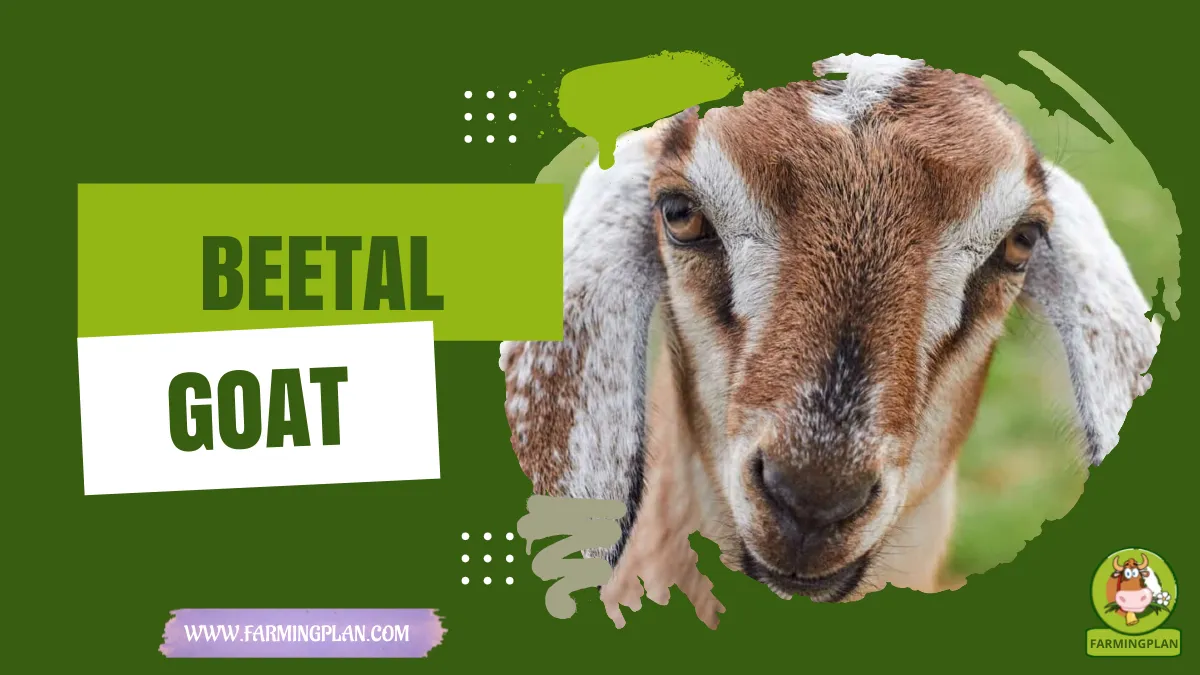
When you look at a purebred specimen, you immediately notice its bold presence and impressive size. They closely resemble the famous Jamnapari goat, but they possess distinct traits that make them unique. They have a prominent convex face line, often called a Roman nose, which gives them a majestic appearance. Their long, flat, pendulous ears droop gracefully downward alongside their strong heads. Male goats display a coarse beard, while females carry a neatly tucked udder with well-developed teats. Both males and females usually carry backward-curving horns that sweep over their heads.
Their coat color displays wonderful variety, though deep brown and solid black coats remain the most common. You will also see beautiful coat patterns with white patches or speckled spots scattered across their bodies. Breeders evaluate physical traits like testicular breadth and scrotal circumference in bucks to select top-quality breeding males. They possess strong legs, deep chests, and broad backlines that easily support heavy body weights. Their tough hides produce high-value leather, often processed into fine velour, suede, and chamois materials for commercial export.
Expert Farm Tip: “Always Choose Bucks With Wide Chests And Long Ears To Maintain Strong Breed Standards In Your Herd.”
Nature and Easy Temperament of Beetal Goat
I absolute love working with these goats because they possess a surprisingly peaceful and calm personality. Despite their large body size, they display a docile nature that makes routine handling simple for anyone. Bucks can become active during the breeding season, but regular handling keeps them obedient and easy to direct. Does show wonderful mothering instincts, taking exceptional care of their newborn kids from the moment of birth. Their gentle temperament allows children and beginner handlers to work around them without fear of aggressive behavior.
Their friendly nature makes them ideal for small homesteads, intensive stall feeding systems, or large open pastures. They form strong bonds with their human caretakers and quickly learn daily feeding schedules and farm routines. When you walk into the barn, they greet you with soft calls rather than stubborn resistance. They also live peacefully alongside other livestock like cows, sheep, or local Malabari goat herds without causing friction. This easygoing attitude reduces stress levels across your farm, which directly supports higher milk yields and steady growth.
Healthy Food and Nutrition Guidelines of Beetal Goat
Feeding your animals a balanced diet ensures rapid growth rates and high daily milk yields on your farm. These goats thrive under intensive stall feeding systems where you deliver fresh green forage directly to their troughs. They eat staple green fodder like berseem, alfalfa, maize, sorghum, and agricultural residue from sugarcane or cotton crops. You should also supply dry fodder like wheat straw or peanut hay to maintain proper digestion throughout the year. Clean, fresh drinking water must remain available at all times so your animals stay hydrated and healthy.
A high-performing herd requires extra energy from a well-balanced concentrate grain mixture every single day. Mix crushed corn, barley, wheat bran, and oil cakes together to create a nutritious meal for your livestock. Add essential mineral mixtures and common salt to their feed to prevent bone deficiencies and metabolic issues. Avoid feeding spoiled grains, moldy hay, or toxic plants that could upset their sensitive digestive systems. Proper nutrition protects your financial investment and keeps your animals energetic, productive, and resistant to common diseases.
Purpose and Commercial Usage of Beetal Goat
Farmers choose this breed because it serves multiple commercial purposes on a single agricultural enterprise. First and foremost, they rank among the top dairy goats in southern Asia, producing high volumes of milk. Their milk contains rich fat content and wholesome nutrients, making it popular for fresh consumption and cheesemaking. Second, their large body frame produces high yields of premium quality goat meat for domestic markets. Local butchers value their meat for traditional culinary dishes, including savory roasted, fried, and steamed meat recipes.
Beyond meat and dairy products, these animals generate consistent revenue through high-grade leather production. Industrial tanneries buy their durable hides to manufacture soft leather goods, stylish gloves, and long-lasting footwear. Commercial breeders also buy purebred breeding stock at premium prices to improve smaller local herds across different regions. Even their manure serves as a nutrient-rich organic fertilizer for crop fields, sugarcane plantations, and vegetable gardens. Raising this multipurpose breed creates several income streams that help secure your farm’s long-term financial success.
Special Features of Beetal Goat
This breed boasts several outstanding genetic features that set it apart from standard domestic goat breeds. Their remarkable adaptation to heat stress allows them to thrive in scorching summer temperatures without losing weight. Unlike delicate European breeds like Swiss dairy goats, these animals tolerate hot climates while producing consistent milk volumes. Their strong immune systems resist common tropical parasites and viral infections far better than fragile specialized breeds. They also convert low-quality pasture grasses and fibrous farm crops into high-value meat and rich milk efficiently.
Another unique trait involves their impressive reproduction capacity and rapid growth rates under good farm management. Does regularly give birth to twins or triplets, expanding your total herd size very quickly over time. Young kids gain body weight rapidly, making them ready for meat markets at a much younger age. Their durable hooves handle muddy conditions and hard rocky ground without developing frequent foot rot issues. These combined strengths make them an unbeatable choice for commercial producers who want maximum profit with low operational risks.
“Invest In Proper Care Today For A Thriving Herd Tomorrow.”
Health Issues and Preventive Care of Beetal Goat
Keeping your herd healthy requires consistent medical care, clean living spaces, and proactive preventive management routines. While these goats possess strong natural immunity, they can still contract common livestock illnesses if ignored. Watch out for contagious viral diseases like Peste des Petits Ruminants, foot-and-mouth disease, and enterotoxemia during seasonal changes. Internal parasites like stomach worms can cause anemia, weight loss, and reduced milk output if left untreated. External pests like lice, ticks, and mites can damage their skin and cause severe irritation across the herd.
Establish a strict vaccination schedule with your local veterinarian to protect your entire livestock herd from outbreak diseases. Deworm your animals every three to four months, rotating active chemical compounds to prevent parasitic resistance in worms. Keep the floor of your goat shed dry, clean, and well-ventilated to prevent respiratory infections like pneumonia. Trim their hooves regularly to prevent foot rot, joint inflammation, and painful walking deformities. Early detection of dull eyes, pale gums, or loss of appetite allows you to treat sick animals promptly.
Step-by-Step Farming Guide for Beetal Goat
Starting a commercial livestock enterprise requires clear planning, proper infrastructure, and consistent daily care routines. I built this comprehensive step-by-step guide to take you from initial farm setup to profitable daily management. Follow these detailed steps to build a productive, sustainable, and stress-free operation on your own farm.
Step 1: Planning Your Farm Layout and Housing
Building comfortable housing protects your valuable livestock from extreme heat, heavy rain, cold winds, and predators. Choose a well-drained piece of elevated land that does not collect standing water during heavy summer storms. Construct a raised slatted wooden floor system that allows manure and urine to drop through easily. Provide at least 15 to 20 square feet of floor space per adult animal to prevent overcrowding. Ensure the roof provides ample shade while open side walls allow fresh air to circulate freely.
Install sturdy metal or wooden feed troughs and automatic waterers at an accessible height along the shelter walls. Secure the entire perimeter of your farm with high chain-link fencing to keep roaming wild dogs out. Designate separate isolation pens for sick animals, pregnant does, and newly born kids to ensure targeted care. Proper farm layout saves manual labor time, reduces disease outbreaks, and keeps your animals happy and healthy year-round.
Step 2: Selecting and Purchasing Purebred Stock
Selecting healthy foundation stock determines the overall genetic potential, productivity, and profitability of your entire operation. Visit reputable breeding farms, government livestock stations, or trusted purebred herds like Tak Goat Farm to buy stock. Inspect each animal carefully, looking for bright clear eyes, smooth coat hair, strong legs, and alert behavior. Avoid buying animals that show signs of coughing, nasal discharge, swollen joints, or skin lesions on their bodies.
When picking breeding bucks, select large individuals with strong heads, broad chests, and healthy scrotal measurements. When selecting does, choose females with wide hips, calm temperaments, and well-developed udders with two teats. Verify vaccination records and health certificates with the seller before transporting the animals to your home farm. Starting with high-quality foundation animals saves you money on veterinary bills and guarantees strong future offspring.
Step 3: Establishing Daily Feeding and Water Routines
Creating a rigid feeding schedule keeps your animals calm and optimizes their digestion for maximum growth and milk production. Offer green fodder like berseem or maize early in the morning after cleaning out the main feed troughs. Provide a balanced grain concentrate mix twice daily, adjusting the amount based on each animal’s production level. Pregnant and lactating does require extra concentrate grain to maintain their body condition while producing rich milk.
Keep clean, cool drinking water available in scrubbed troughs twenty-four hours a day without any interruptions. Hang mineral salt blocks around the housing shed so the goats can lick them whenever they need extra nutrients. Avoid sudden feed changes, as introducing new grains too quickly can cause severe bloat or digestive illness. Consistent, high-quality nutrition fuels high milk yields, rapid weight gains, and reliable reproductive performance across your herd.
Step 4: Reproductive Management and Kid Care
Managing your herd’s breeding cycle ensures a steady stream of milk and young animals for market sales year-round. Heat cycles recur every 18 to 21 days, marked by tail wagging, vocal calls, and clear vulvar discharge. Pair your high-performing bucks with mature does that weigh at least 35 kilograms for safe, successful pregnancies. Keep detailed farm records of mating dates so you can prepare individual kidding stalls five months later.
During kidding, monitor the doe closely but allow natural delivery to occur unless severe complications arise. Clean newborn kids immediately, clear their airways, and dip their umbilical cords in dilute iodine solution. Ensure the kid drinks rich colostrum milk within the first two hours of life to gain essential disease antibodies. Wean kids around three months of age, gradually introducing soft green leaves and starter grains to their daily diet.
Step 5: Daily Hygiene, Sanitation, and Herd Healthcare
Maintaining strict sanitation practices prevents disease outbreaks and keeps your barn smelling fresh and clean every day. Sweep the housing floor daily, removing damp bedding, stale feed leftovers, and accumulated animal waste from troughs. Disinfect the housing pens every month using farm-safe chemical sprays to kill residual bacteria, viruses, and parasites. Check your goats daily for subtle signs of illness, such as dull eyes, lethargy, or reduced feed intake.
Schedule regular health checks with your veterinarian for routine vaccinations against PPR, enterotoxemia, and foot-and-mouth disease. Deworm all adult goats every three to four months, switching dewormer brands periodically to prevent internal parasite resistance. Trim overgrown hooves every six to eight weeks using sharp hoof shears to maintain healthy foot structure. Consistent sanitation practices protect your investment and build a clean, professional, and profitable livestock operation.
Read More: Gimbsheimer Duck Raising Brings Incredible Backyard Joy
Expert Tips & Best Practices for Farmers of Beetal Goat
- Keep detailed written records of birth dates, breeding lines, milk yields, and veterinary treatments for every animal.
- Group your animals by age, sex, and production stage to prevent aggressive bucks from taking food from younger kids.
- Plant high-protein green fodder crops like alfalfa and napier grass on your land to cut commercial feed costs.
- Provide clean, dry bedding during cold winter months to protect young kids from dangerous pneumonia infections.
- Quarantine newly purchased animals in a separate pen for 30 days before introducing them to your main herd.
- Test your farm drinking water quality twice a year to ensure it stays free from harmful bacteria.
- Sell young male kids during major holiday festivals when market demand and meat prices reach their absolute peak.
- Install high-mounted feed racks to keep green fodder off the ground and reduce feed waste on your farm.
- Rotate your pasture grazing areas regularly to break parasite life cycles and maintain healthy grass growth across fields.
- Partner with neighboring goat farmers to buy bulk grain feed together at reduced wholesale market prices.
FAQs
What is the daily milk yield of a Beetal goat?
A healthy doe yields between 2 to 4 liters of rich milk every day during her peak lactation period. Proper nutrition, fresh water, and good stall management help keep her milk production high and consistent.
What is the current market price for a Beetal goat?
Prices vary based on weight, age, gender, and genetic purity, ranging from $150 to over $500 for elite breeding stock. High-quality bucks with superior breeding traits often fetch premium prices at livestock auctions.
Which state or region is the Beetal goat native to?
This famous breed originates from the Punjab region across India and Pakistan, specifically in districts like Gurdaspur and Amritsar. Today, farmers raise them successfully in many different states due to their strong heat tolerance.
Are Beetal goats suitable for intensive stall feeding systems?
Yes, they adapt remarkably well to complete stall feeding systems where fodder and fresh grains are brought directly to them. This system keeps them safe from wild predators, reduces energy waste, and allows easy herd monitoring.
How do Beetal goats compare to Jamnapari goats?
While both breeds share long pendulous ears and a Roman nose, this breed is generally shorter and more compact than the Jamnapari. They also display darker coat colors like black or brown and tolerate intensive housing systems much better.
Conclusion
The Beetal goat remains an exceptional choice for modern farmers who want high milk production and superior meat yields from a single reliable breed. Their strong heat tolerance, gentle temperament, and quick growth rates make them ideal for small homesteads and large commercial enterprises. By building clean raised housing, providing balanced grain diets, and following a strict vaccination schedule, you ensure your herd stays healthy and productive. Investing in high-quality foundation stock and keeping accurate records will set your farm up for long-term growth and financial stability. This versatile breed offers incredible rewards for anyone willing to dedicate time, care, and attention to their everyday wellbeing.