
I have spent decades as a livestock specialist working directly with smallholders across rural Southeast Asia, and the Babi Kampung pig stands out as a true champion of rustic survival. Indigenous to the Indonesian island of Bali and surrounding regions, these local domestic pigs thrive in backyards where imported commercial crosses struggle. Raised on local feeds, crop byproducts, and household leftovers, these small heritage animals play a vital culture-defining role in local economies. Understanding their resilient genetics gives small-scale farmers and livestock enthusiasts a reliable edge in sustainable hog raising.
History & Origin of Babi Kampung Pig
The historical footprint of the local Balinese pig stretches back centuries, long before industrial hybrid pig breeds arrived on the island. Historically, smallholders in the Gianyar regency and Karangasem kept these hardy local domestic pigs for both household security and sacred ritual duties. Communities utilized this ceremonial roasted pig for major lifecycle events, including temple anniversaries, weddings, and tooth-filing rites.
This deep heritage eventually launched world-famous culinary traditions like Babi Guling. Famous warungs like Warung Babi Guling Ibu Oka 3 in Ubud rose to worldwide fame after culinary legend Anthony Bourdain praised the rich, spiced roast suckling pig. Across North Sumatra, related traditions like Babi Panggang Karo and Babi Panggang Toba among the Batak Toba show how native pigs form the backbone of regional Indonesian identity.
Read More: Ethiopian Honey Bee: For Increased Production
Characteristics of Babi Kampung Pig
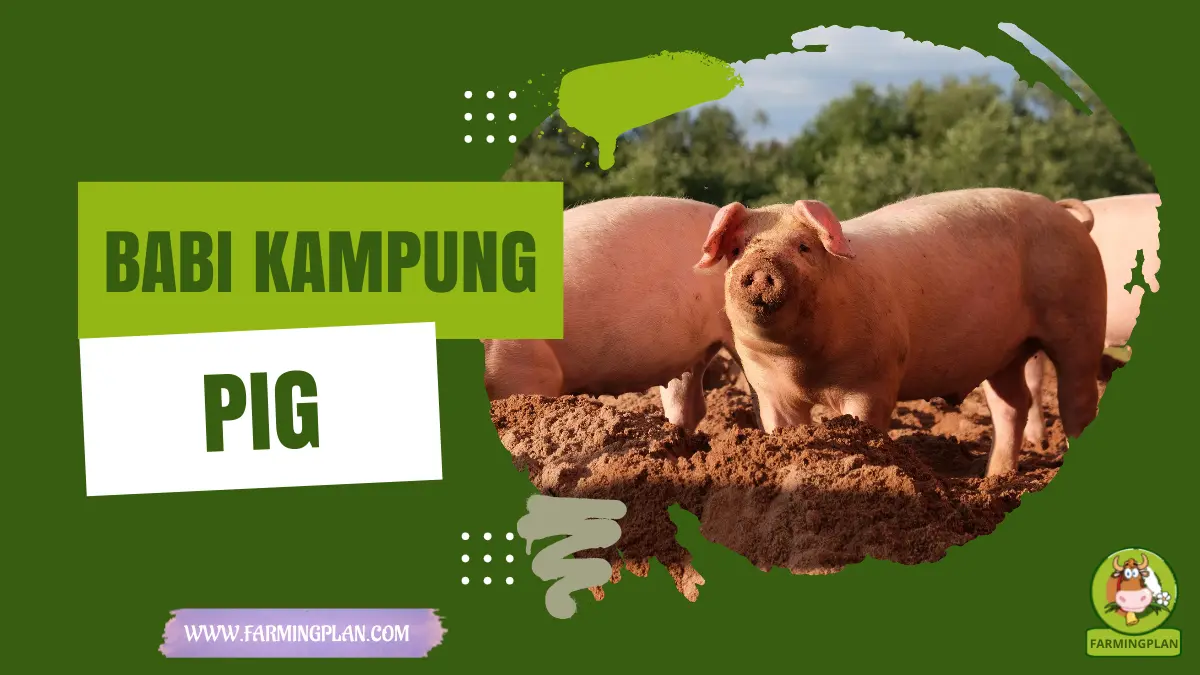
When you look at a Babi Kampung pig, you immediately notice a distinct, sway-backed profile with a slightly sagging belly that nearly touches the ground. Unlike uniform commercial pink hogs, these animals feature striking coat colors ranging from solid black to spotted black-and-white patterns. Their heads feature short, concave snouts, erect or semi-erect ears, and strong jaws built for foraging native grasses and roughage.
Their compact, smaller frame allows them to navigate varied terrain easily. These pigs carry dense fat layers under their skin, which protects them from heat fluctuations and locks in deep flavor. While commercial breeds grow quickly, the native Balinese breed grows at a steady, natural pace. This slow growth produces exceptionally tender meat, perfectly marbled pork belly, and thick skin ideal for making extra crispy crackling.
Nature & Temperament of Babi Kampung Pig
I love working with these local pigs because they display a calm, intelligent, and naturally curious temperament. In village settings, they adapt quickly to human handling, building strong bonds with their caretakers when treated with gentle routines. Sows show excellent maternal instincts, building intricate ground nests and fiercely protecting their piglets without becoming overly aggressive toward familiar farm hands.
Their social structure thrives when kept in small family groups or well-spaced outdoor pens. They spend their days happily rooting through soil, resting under shady trees, and wallowing in mud to cool down. Their quiet, docile demeanor makes them very manageable for small-scale breeders, hobbyists, and family farms looking for low-stress livestock management.
Food & Diet of Babi Kampung Pig
Feeding native pigs requires a balanced, natural approach that relies heavily on locally available ingredients. Since they evolved as natural scavengers, their digestive systems process fibrous foods far better than sensitive industrial hybrids. You can feed them a mix of local feeds, agricultural leftovers, and native plants to keep input costs low while maintaining vibrant herd health.
- Base your daily ration on high-fiber items like shredded banana stems, taro leaves, and green native grasses.
- Mix in cooked sweet potatoes, cassava roots, corn meal, and rice bran to supply necessary carbohydrates.
- Add protein sources like boiled soybean cake, coconut meal, or fish meal to support natural growth rates.
- Offer clean household leftovers, provided they do not contain spoiled ingredients or excessive salt.
- Avoid feeding raw offal or moldy grains, as these introduce parasites and severe digestive issues.
- Provide constant access to fresh, clean water mixed with a splash of turmeric juice or coconut water for digestive balance.
Usage/Purpose of Babi Kampung Pig
The primary purpose of raising native pigs centers around high-value local markets and traditional ceremonial catering. In Bali, a whole ceremonial roasted pig commands top prices during festival seasons, New Year celebrations, and temple rituals. Event catering providers buy intact, high-quality Babi Kampung packages for full service packages, setting up live roast stalls at major venues and hotels.
Beyond ceremonial duties, their meat forms the heart of classic Balinese cuisine. Chefs stuff whole pigs with basa gede (a spice paste made with turmeric, galangal, coriander seeds, lemongrass, black peppercorns, and shrimp paste) to make mouthwatering Babi Guling. Side dishes like lawar (chopped vegetables mixed with coconut, spices, and sometimes fresh blood), urethane blood sausage, and spicy sambal depend entirely on authentic local pig pork for genuine flavor.
Special Features of Babi Kampung Pig
What makes this native pig truly special is its incredible natural hardiness. These animals carry strong natural resistance against common tropical diseases that frequently wipe out fragile commercial breeds. Their thick, dark skin resists sunburn, while their efficient digestive system extracts maximum nourishment from low-protein, high-fiber forage.
Their unique slow food appeal earned them a proud place on culinary registries like the Ark of Taste, managed by the Slow Food movement. The meat retains higher moisture levels and dynamic natural oils, producing extraordinary flavor when cooked over open charcoal fires. Their tough, adaptable nature lets smallholders run profitable operations without needing expensive, high-tech climate-controlled barns.
Health Issues & Prevention of Babi Kampung Pig
While naturally tough, these pigs still require smart biosecurity and consistent cleanliness to prevent preventable outbreaks. The most common threats include internal worms, lice, mange, and sudden digestive disruptions caused by spoiled feed. Implementing clean daily management habits ensures your source herd stays healthy, productive, and profitable year-round.
- Enforce strict fencing to keep wild animals out and prevent your herd from escaping into unknown hazards.
- Deworm your entire herd every three to four months using approved oral treatments or herbal preventatives.
- Scrub pen floors daily with clean water and disinfect surfaces weekly to stop bacterial buildup.
- Keep wallowing pools clean by replacing muddy water frequently to control skin parasites like mange mites.
- Isolate new pigs entering your farm for at least 21 days to observe them for hidden illness signs.
- Provide shaded, dry bedding areas filled with clean rice straw or sawdust to protect against damp weather.
“Raising Healthy Livestock Starts With Respecting Native Heritage And Providing Proper Everyday Care.”
Step By Step Farming Care Guide of Babi Kampung Pig
Starting a successful Babi Kampung farm requires a clear, practical roadmap from day one. By setting up proper housing, establishing structured daily routines, and managing your breeding stock carefully, you build a thriving farm that generates steady returns.
Step 1 Designing Secure Housing And Natural Foraging Runs
Building proper housing sets the foundation for a clean, disease-free pig operation. Construct elevated or solid concrete pens with slope-drained floors that allow quick washdowns every morning. Combine indoor shelter with an outdoor paddock enclosed by heavy-duty fencing so your pigs can root in the soil, soak up natural sunlight, and exercise naturally.
Ensure the roof features wide eaves to block heavy monsoon rains and hot afternoon sun. Provide a minimum of 15 to 20 square feet of space per adult pig inside the pen, plus ample open yard space outside. Set up a simple concrete wallow pit in the shaded corner of the paddock, filling it with clean water daily to help them regulate body heat during hot afternoons.
Step 2 Selecting Healthy Breeding Stock And Source Herd
Building a profitable herd depends entirely on choosing high-quality source animals. Inspect prospective parents carefully before buying them from local village markets or established breeders. Look for active, alert pigs with clear eyes, smooth coats, sturdy legs, and strong backs without extreme skeletal deformities. Choose breeding sows with at least 12 well-developed, evenly spaced teats to ensure they can nurse large litters comfortably. Avoid purchasing lethargic pigs, animals with visible skin lesions, or those showing signs of severe coughing..
Step 3 Implementing A Balanced Low Cost Daily Feeding Routine
A structured feeding routine keeps your pigs growing steadily without breaking your farm budget. Establish a strict twice-daily feeding schedule, offering fresh feed early in the morning and late in the afternoon. Mix locally sourced crop byproducts like cooked sweet potato vines, shredded banana trunks, and rice bran with small amounts of high-protein feed.
Always cook high-starch roots like cassava to remove natural toxins and improve digestibility. Provide continuous access to fresh drinking water in heavy, tip-proof troughs placed away from sleeping areas. Adding natural probiotics like fermented banana stem juice into their daily feed boosts gut health and reduces pen odors significantly.
Step 4 Managing Breeding Farrowing And Piglet Care
Managing breeding cycles carefully ensures consistent piglet production year-round. Track your sow’s heat cycle, which recurs every 21 days, and introduce a healthy boar when she shows clear standing heat. Maintain a quiet, stress-free environment throughout the standard 114-day gestation period. Deliver your clean, healthy stock directly to local warungs, event caterers, or private buyers to command premium prices.
Prepare a clean, dry farrowing pen lined with fresh straw one week before the expected farrowing date. Stay close during farrowing to assist if needed, ensuring newborns dry quickly and receive vital colostrum milk within their first two hours of life. Keep piglets warm with supplemental heat lamps or thick straw bedding during their first week.
Step 5 Mastering Market Preparation And Harvesting Guidelines
Preparing your pigs for market demands careful timing based on your target buyer’s needs. If selling for roast suckling pig markets, harvest young pigs when they reach 10 to 15 kilograms for optimal tenderness. For general fresh pork belly markets or full-grown ceremonial stock, allow them to grow until they reach 50 to 70 kilograms. Withhold solid feed for 12 hours before slaughter while providing plenty of clean drinking water to ensure clean processing. Handle animals calmly without shouting or electric prods to prevent stress, which spoils meat quality.
Read More: Argenté Black Rabbit: Essential Care Tips
Pro Strategies And Expert Management Tips
- Build strong relationships with local warung owners and event caterers to secure long-term purchase contracts.
- Plant patches of sweet potatoes, taro, and fodder grasses around your farm perimeter to cut feed costs.
- Ferment shredded banana stems with rice bran and molasses to create long-lasting, nutritious feed stores.
- Keep detailed records of breeding dates, litter sizes, vaccination schedules, and sales income to track profits.
- Group pigs by age and size to prevent bigger animals from bullying smaller ones at the feed trough.
- Use natural deep-litter bedding systems using sawdust and biochar to absorb manure odors and create valuable garden compost.
FAQs
What makes the Babi Kampung pig different from commercial pig breeds?
The Babi Kampung pig is an indigenous Southeast Asian breed known for its compact size, dark coat, sway back, and exceptional disease resistance. Unlike fast-growing commercial hybrids, this native breed thrives on low-cost local forage and yields rich, highly flavorful meat prized for traditional dishes.
How long does it take for a native Balinese pig to reach market size?
Native pigs grow at a slower, natural pace compared to industrial hogs, taking roughly 8 to 10 months to reach a mature market weight of 50 to 70 kilograms. However, growers harvesting young suckling pigs for Babi Guling roast dishes often harvest them much earlier, at around 2 to 3 months of age.
What is the primary diet for raising Babi Kampung pigs efficiently?
A cost-effective native pig diet consists of shredded banana stems, cooked sweet potatoes, taro leaves, rice bran, and local green forage mixed with small protein supplements. These hardy animals excel at digesting high-fiber agricultural byproducts, allowing farmers to keep feeding costs very low.
Why is the Babi Kampung pig so vital to Balinese culture and cuisine?
This native breed provides the authentic meat and crispy skin required for sacred cultural offerings and famous dishes like Babi Guling. Its natural fat distribution and tender texture absorb traditional basa gede spice pastes perfectly, making it irreplaceable for regional ceremonies and culinary tourism.
Can I raise Babi Kampung pigs in a free range or paddock setup?
Yes, native pigs adapt exceptionally well to free-range setups, paddock grazing, and outdoor backyard systems. Providing strong perimeter fencing, shaded shelters, and clean wallowing areas allows them to forage naturally while staying safe from outside predators and parasites.
Conclusion
Raising native Babi Kampung pigs offers a sustainable, highly profitable pathway for farmers and livestock enthusiasts who value rustic genetics and low-input farming. By combining sturdy fencing, clean housing, and low-cost local feeding routines, you can raise healthy herds that fetch top prices in local culinary markets. Take action today by visiting local breeders, setting up your housing paddocks, and building a resilient livestock business that preserves traditional heritage. Share your experiences, leave your questions in the comments below, and pass this guide along to fellow farmers ready to succeed!


