When I first visited the rolling terrain of northeastern India, I fell in love with the small yet incredibly tough Assam Hill Goat. As a farming specialist, I always tell new growers that this hardy indigenous goat breed offers incredible potential for homesteaders and commercial farmers alike. These compact animals thrive on natural browse, adapt quickly to humid weather, and provide top-quality meat with minimal hassle.
Whether you compare them to Black Bengal goats or evaluate options like Beetal Goat price in Assam and Boer Goat price in Assam, this local breed stands out as a budget-friendly powerhouse. In this complete guide, I will share my firsthand experience on body weight, morphometric traits, dry night shelter, parasite control, and daily management to help you build a profitable herd.
History & Origin of Assam Hill Goat
The rich history of this breed leads us directly to the hill areas of Assam and surrounding regions in northeastern India. For generations, tribal communities and rural farmers relied on these compact Assam Hill Goats for their daily sustenance and financial security. Unlike imported commercial stocks, this local breed evolved naturally over centuries under challenging environmental factors, frequent heavy rains, and rough terrain. Researchers at the Assam Agricultural University and the Assam Hill Goat Research Station, supported by the All India Coordinated Research Project on Assam Hill Goat Improvement, have spent decades documenting these wonderful animals.
I remember discussing genetic traits with researchers near Guwahati who praised the high heritability and genetic correlation found within the regional population. These animals developed a strong natural immunity against local disease and wet pasture threats through centuries of natural selection. Historically, smallholders raised them using simple village grazing methods, allowing them to forage freely on native brush. Today, this indigenous goat remains a cultural and economic cornerstone for livestock holders throughout the eastern hill tracts.
Understanding this evolutionary background helps us appreciate why they survive where exotic breeds fail. Their ancestral genes give them superior stamina, high yield efficiency relative to body size, and excellent maternal instincts. When you raise them today, you continue a proud tradition of sustainable Indian animal husbandry that balances nature with farming needs.
Read More: Arles Merino Sheep Secret To Pure Luxury Wool
Characteristics of Assam Hill Goat
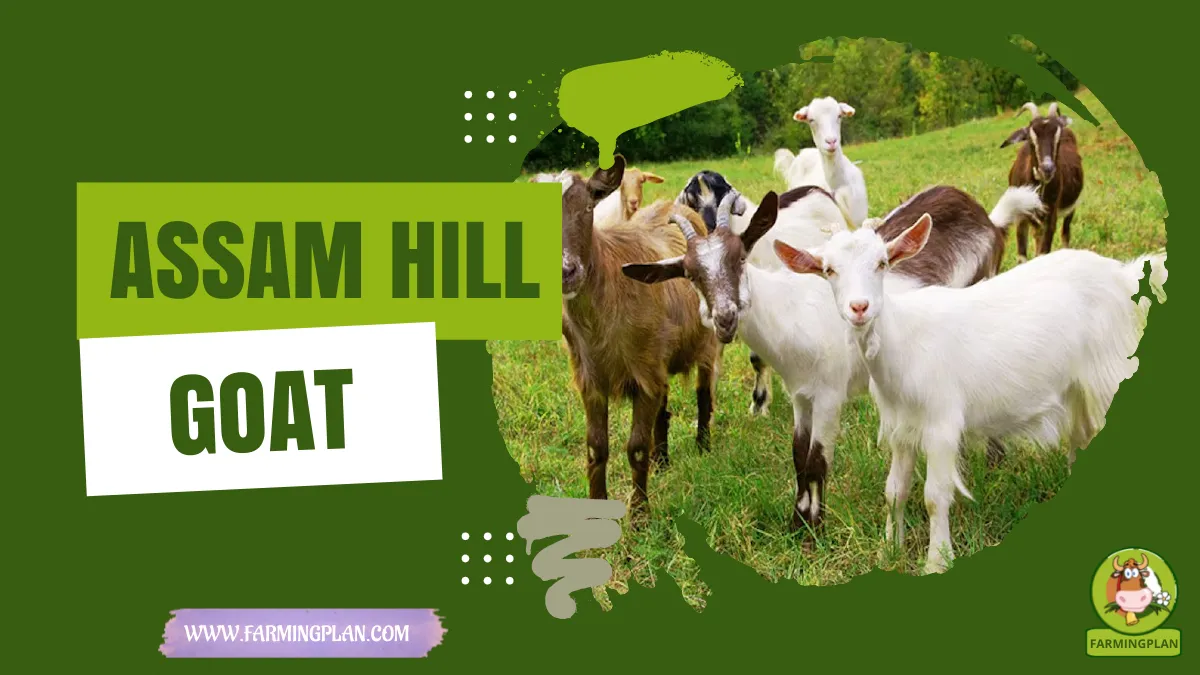
When you examine an adult animal, you immediately notice its compact frame and well-balanced morphometric traits. On average, the body length, height at withers, and heart girth remain smaller than larger northern breeds like Sirohi goats or Osmanabadi Assam Hill Goat strains. Mature bucks generally fall into a Medium Weighed Animal category, making them very easy to handle on the farm. Their coat color varies significantly across the population, ranging from pure white and creamy shades to deep black, brown, and mixed patterns.
In my years of field measurements, I have logged detailed data on their horn shape and bodily structure. Most individuals display short, backward-curving horns, though subtle phenotypic correlation exists between horn development and overall skeletal size. Their ears are short to medium, carried horizontally, and their sleek hair coat sheds rainwater efficiently during heavy downpours. These physical features allow them to navigate steep hill slopes without slipping or injuring their joints.
The average body weight of a mature buck ranges from 20 to 25 kilograms, while does typically weigh between 15 and 20 kilograms. Their small stature reduces overall maintenance costs while keeping their feed conversion ratio impressive. Kids grow rapidly after birth, showing great hereditability estimates for early growth rates when given proper nutrition and basic seasonal management.
Nature/Temperament of Assam Hill Goat
I absolutely love working with these animals because their calm personality makes daily farm duties a genuine pleasure. They show a remarkably gentle disposition toward human handlers, including children and novice farm workers. Despite their peaceful nature around people, they maintain a sharp alertness that helps them spot potential predators while grazing on pasture. This ideal balance of calm behavior and natural survival instincts makes them perfect for small homesteads and larger operations.
In the barn, does display affectionate behavior toward their offspring and foster strong family bonds within the herd. They rarely display extreme aggression, though mature bucks might occasionally butt heads during the breeding season to establish social hierarchy. You can manage them easily without heavy handling equipment, complex chutes, or aggressive restraint techniques. Their cooperative attitude saves you valuable time and energy during routine health checks, hoof trimming, and vaccination days.
Their social structure thrives when you keep them in small to medium-sized groups on pasture or open paddocks. They communicate with light vocalizations and follow group leaders smoothly across varied terrain. If you want an animal that combines low stress, easy handling, and high intelligence, this friendly regional breed will fit your management style perfectly.
Food & Diet of Assam Hill Goat
Feeding your herd correctly ensures fast growth, robust immunity, and healthy offspring every single season. These goats excel at transforming wild browse, forest shrubs, and native grasses into premium meat and rich milk. I always advise farmers to rely on high-quality forage conditions during the green months while supplementing with clean dry fodder. You must provide a balanced diet that supplies proper protein, energy, minerals, and fresh clean drinking water daily.
During the rainy months, avoid letting your herd graze on extremely wet pasture early in the morning. Moisture on grass blades often harbors internal parasite larvae that can harm your livestock. Instead, offer them dry night shelter feeding with cut green fodder, legumes, and quality cereal hays like oats or sorghum. Add a simple concentrate mixture containing maize, wheat bran, mustard cake, and a mineral mix to boost energy levels.
Pro Tip: Always keep clean salt blocks in your goat pens. Mineral supplements keep your herd healthy and prevent unusual eating habits.
Never feed spoiled grain, moldy hay, or toxic garden plants to your animals. Maintain a strict feeding schedule and change feed rations gradually over a two-week period to prevent stomach upsets. Adequate nutrition directly improves kid survival rates and ensures your does maintain strong milk yield for their growing young. Discover key insights on Assam Hill Goat care, breeding, and diet. Learn how this hardy indigenous Assam Hill Goat boosts local farming success today!
Usage/Purpose of Assam Hill Goat
While some homesteaders keep them as energetic weed-clearing companions, the primary value of this breed lies in meat production. The meat, commonly referred to as mutton in local markets, possesses a tender texture, pleasant flavor, and lean profile. Consumers across cities like Guwahati and Kharagpur pay premium prices for fresh local meat compared to frozen imported alternatives. Because the carcass yield relative to input cost remains high, farmers earn strong profit margins.
Although people do not raise this breed primarily for commercial Dairy Use, does yield enough rich milk to nurse their kids effectively. Some smallholder families collect surplus milk for personal household consumption, benefiting from its easy digestibility and high butterfat content. Their manure also serves as a fantastic organic fertilizer for crop fields, vegetable gardens, and tea plantations across the region.
Furthermore, these animals play a major role in vegetation management and farm cleaning. They eagerly consume brush, brambles, invasive weeds, and crop residues, transforming unwanted vegetation into valuable animal tissue. Whether your goal focuses on commercial slaughter sales, breeding stock distribution, or land management, these versatile animals deliver consistent financial return on investment.
Special Features of Assam Hill Goat
What truly sets this indigenous goat apart from exotic choices like Boer Assam Hill Goat or Beetal options is its incredible resilience. They possess an exceptional tolerance for high humidity, heavy seasonal rain, and steep, rocky landscapes. Their hooves naturally resist foot rot far better than many large northern breeds when kept on proper dry ground. This natural strength keeps veterinary bills low and survival rates high throughout the year. Another remarkable trait involves their reproductive performance and high frequency of multiple births.
Does frequently drop twins and triplets, expanding your farm population much faster than single-kidding breeds. Their early sexual maturity allows young does to enter the breeding pipeline early, maximizing your annual herd productivity. Additionally, their compact size means you need less building space and smaller land parcels to start a thriving operation. Their lower feed intake per head allows you to stock more animals per acre compared to giant breeds. This efficient space and feed usage makes them ideal for modern small-scale farming projects.
Every Small Step In Raising Healthy Livestock Brings Massive Rewards For Your Homestead.
Health Issues & Prevention of Assam Hill Goat
Maintaining robust herd health requires consistent observation, clean housing, and strict preventive management routines. While this breed boasts natural resilience against local disease strains, improper care can still lead to avoidable health challenges. Common threats include gastrointestinal parasites, respiratory infections during monsoon transitions, and contagious skin disorders like ORF. By implementing proactive care, you protect your investment and maintain high growth performance.
To combat internal worms, establish a strategic parasite control program based on regular fecal testing rather than random chemical use. Rotate your pastures frequently to break parasite life cycles and prevent worm eggs from accumulating on grazing lands. Ensure your barn features good ventilation to prevent ammonia buildup, which often triggers pneumonia and coughing spells in young kids.
Follow a strict vaccination schedule for major diseases such as Peste des Petits Ruminants (PPR), Goat Pox, and Enterotoxemia (ET). Keep a clean quarantine pen isolated from the main herd for monitoring any newly purchased animals or sick goats. Provide dry bedding, fresh water, and good drainage around feed troughs to maintain peak health year-round.
Step-by-Step Farming Guide of Assam Hill Goat
Starting a successful livestock venture requires clear planning, proper facilities, and disciplined daily execution. In this comprehensive step-by-step care guide, I outline the exact process you need to establish, manage, and grow your own profitable herd from day one. Follow these detailed steps to build a thriving farm operation.
Step 1: Planning Your Farm Layout and Housing Setup
Building a safe, dry night shelter serves as your very first step toward long-term livestock success. You must construct a elevated housing unit using wood, bamboo, or concrete that elevates animals off damp soil. Ensure the floor features narrow gaps to let droppings and urine pass through into collection trays below. Provide at least 12 to 15 square feet of indoor floor space per adult animal to prevent overcrowding. Install secure wire mesh fencing around paddocks to keep out wild dogs and predators. Position feed troughs and water buckets at chest height so animals cannot step into or contaminate their food.
Step 2: Selecting and Purchasing Healthy Breeding Stock
Selecting high-quality foundation stock determines the overall future productivity and profitability of your entire operation. Source your initial animals from reputable breeders, government research stations, or established regional livestock markets. Examine every animal carefully, inspecting for bright eyes, smooth shiny coats, sound hooves, and alert posture. Avoid purchasing animals that show signs of nasal discharge, persistent coughing, watery diarrhea, or swollen joints. Verify the age, health history, and reproductive background of breeding bucks and does before finalizing any transaction. Transport your new goats calmly during cool morning hours to minimize stress during transit.
Step 3: Implementing Daily Feeding and Pasture Management
Establishing a reliable daily feeding routine ensures optimal growth rates, milk production, and reproductive success across your herd. Release your goats to pasture after morning dew dries off the grass blades to minimize internal parasite risk. Provide clean, fresh water and rich forage, allowing them to browse naturally for four to six hours daily. Offer a balanced concentrate mixture containing grains, oil cakes, and essential mineral mixtures every evening upon their return. Clean all water containers and feed troughs thoroughly every morning to eliminate bacteria, mold, and insect pests.
Step 4: Managing Breeding, Kidding, and Herd Expansion
Proper reproductive management allows you to scale your business quickly while maintaining genetic diversity and herd health. Time your breeding season so does drop their kids during favorable weather when green forage remains plentiful. Keep one active, genetically superior buck for every 20 to 25 breeding does to ensure high conception rates. Monitor pregnant does closely during their five-month gestation period, providing extra concentrate feed during the final weeks. Prepare clean, dry, draft-free kidding stalls lined with fresh straw to ensure safe deliveries and healthy newborn kids.
Step 5: Executing Health Protocols, Sanitation, and Marketing
Maintaining strict sanitation routines and active marketing strategies secures your continuous farm profits and operational longevity. Deworm your livestock systematically according to veterinarian guidelines and seasonal weather changes in your region. Administer annual booster vaccines for PPR and other regional diseases to build permanent immunity across your herd. Keep clean records of birth dates, growth weights, health treatments, and sales data to track individual animal performance. Connect directly with local meat vendors, private buyers, and online platforms to sell surplus stock at premium market prices.
Read More: Blue of Ham Rabbit: Raising Rare Beauties
Expert Tips & Best Practices for Assam Hill Goat
- Build elevated slatted wooden floors to keep your housing clean, dry, and free from dangerous moisture buildup.
- Group your herd by age and sex to ensure smaller kids get equal access to feed troughs and water stations.
- Plant protein-rich forage trees like Subabul and Gliricidia along your farm perimeter for reliable year-round green fodder.
- Quarantine every new animal for at least 21 days before introducing them to your main herd.
- Trim hooves every two to three months to prevent painful foot rot, lameness, and joint deformities.
- Keep detailed paper or digital records tracking breeding dates, kidding results, and weight gain performance.
- Offer warm water supplemented with molasses to fresh does immediately after giving birth for quick energy recovery.
- Establish direct WhatsApp chat connections with local veterinary officers for immediate advice during emergencies.
FAQs
What is the average body weight of an Assam Hill Goat?
An adult buck usually weighs between 20 and 25 kilograms, while mature does reach 15 to 20 kilograms. Their compact body size makes them easy to manage on small homesteads while yielding quality lean meat.
How does the Assam Hill Goat compare to the Black Bengal Goat?
Both breeds feature small body frames, excellent disease resistance, and high reproductive rates with frequent twin births. However, this hill breed possesses thicker skin and superior physical adaptation to wet, hilly regions.
What is the best diet for raising these goats in humid regions?
A balanced diet combines daytime browsing on natural shrubs with clean dry hay and a daily grain concentrate mix. Always offer fresh clean water, mineral blocks, and avoid letting them graze on wet morning pastures.
Are these goats suitable for commercial meat production?
Yes, they offer exceptional meat quality, low feed maintenance costs, and impressive reproductive output for meat operations. High demand for fresh local mutton across regional markets ensures strong profit margins for growers.
What housing setup works best for protecting this breed from rain?
An elevated slatted wooden house with well-ventilated bamboo walls provides ideal protection against high moisture and heavy rain. This construction keeps bedding dry, reduces parasite risks, and protects your herd from drafty winds.
Conclusion
Raising the Assam Hill Goat offers a rewarding and profitable opportunity for modern livestock growers, smallholder farmers, and homesteading enthusiasts alike. Throughout this article, we explored its unique origin, morphometric traits, gentle temperament, low-cost feeding requirements, and step-by-step management strategies. By implementing clean elevated housing, strategic parasite control, proper nutrition, and disciplined breeding protocols, you can build a resilient, high-yielding herd that generates steady income year after year. These amazing animals prove that compact size, natural hardiness, and top-tier efficiency create the ultimate winning formula for modern sustainable agriculture. Start your farming journey today, share your thoughts in the comments below, and pass this guide along to fellow growers!