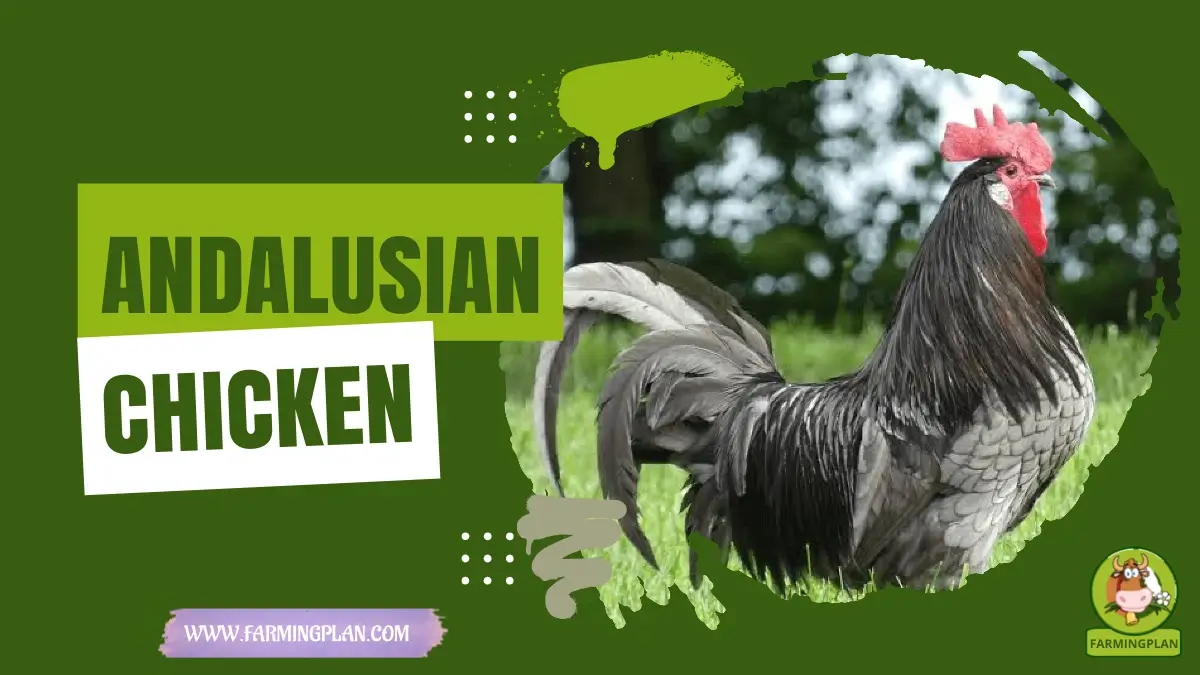
I have raised many poultry breeds over the years, but the Andalusian Chicken always stands out in my flock. This elegant Spanish chicken breed is famous for its striking blue plumage, lively personality, and ability to lay large white eggs. Farmers and backyard poultry keepers love it for both beauty and productivity. The blue Andalusian first developed in Spain and later spread worldwide because of its unique slate blue feathers and strong egg-laying abilities. Many people ask about Andalusian chicken eggs, egg color, and price before adding it to their flock. In this guide, I’ll share my farming experience, covering traits, care tips, feeding, and egg production.
History & Origin Of Andalusian Chicken
The story of the Andalusian Chicken begins in southern Spain, especially around Xerus de la Frontera, a region known for traditional poultry farming. Spanish farmers developed this Castilian chicken breed centuries ago by selecting birds with beautiful blue coloring and strong egg production. Local breeders valued these birds because they adapted well to warm Mediterranean climates. Over time, the breed spread through trade routes and poultry exhibitions.
Early poultry breeders began studying their genetics and appearance, especially the striking blue coloring with black lacing. During the late 1800s, poultry organizations recognized the breed officially. The American Poultry Association included it in the famous Standard of Perfection, which defined the ideal appearance of the bird. That standard describes features such as the Large Single Comb, slate blue plumage, and bright reddish-brown eyes.
Scientific Interest And Global Recognition
Scientists also studied the breed because of its unique feather genetics. The E gene and dilution gene influence the blue feather color, creating a classic mendelian proportion when breeding blue birds. This genetic pattern often produces blue, black, and splash chicks. Organizations such as the Food and Agriculture Organization, Junta de Andalucía, and Ministerium de Agricultura, Pesci Alimentation recognize the breed as part of Spain’s agricultural heritage. Conservation groups like the Livestock Conservancy monitor its conservation status to protect its genetic diversity.
Today, hatcheries like Meyer Hatchery and poultry communities such as Poultry Hub Australia continue promoting the breed to new farmers. Despite modern poultry hybrids dominating commercial farming, the Andalusian remains a cherished heritage bird.
Characteristics Of Andalusian Chicken
Whenever visitors walk through my chicken yard, they notice the Andalusian Chicken right away. The bird’s elegant body shape and shimmering Blue plumage make it one of the most beautiful blue chickens in the poultry world. The feathers usually appear slate blue with dark black lacing, creating a striking pattern. This color comes from a special genetic mix that breeders carefully maintain. Because of the genetics, chicks often hatch in three variations: blue, black, or splash.
The bird has a slim but strong body frame. Its Large Single Comb stands tall and bright red. The eyes appear reddish-brown, giving the bird a sharp and alert expression. The breed also has clean legs, meaning it does not have Feathered Legs, which makes it easy to maintain in warm climates.
Egg Production And Breed Standards
Farmers value the breed as a reliable egg layer. A healthy hen produces medium to large white eggs, usually around 150–200 eggs per year under good conditions. The Egg Color remains bright white, while the Egg Size usually falls into the Medium to Large category. Poultry organizations describe these characteristics in official standards such as the Standard of Excellence and Standard of Perfection. These documents guide breeders who raise Andalusians for poultry shows.
Breeders also appreciate the bird’s athletic body structure. It moves quickly, stays alert, and adapts well to free-range environments. These physical traits make the Andalusian both attractive and practical for farms.
Read more: Hamburg Chicken: Beautiful Heritage Bird Guide
Nature & Temperament
From my experience, Andalusian Behavior stands out compared with calmer backyard breeds. These birds stay active, curious, and sometimes a bit independent. Many farmers describe them as a flighty bird, which means they move quickly and prefer open space. I’ve noticed they enjoy exploring the yard and scratching for insects. Because of this energy, they thrive in free-range setups rather than confined spaces. When I allow them to roam around the farm, they stay healthier and more productive. The hens also show strong alertness to predators. Their quick reactions often help them escape danger faster than heavier breeds.
Suitability For Backyard Farms
Even though they are active birds, the Andalusian can still fit into a backyard flock. Owners just need secure chicken fencing and a spacious chicken coop. When raised from Baby Chicks, they adapt well to human interaction. Many farmers keep them for both beauty and eggs. Their lively personality adds excitement to a poultry yard, especially when mixed with calm breeds like Exchequer Leghorn or other bantam breeds. In my flock, these birds act like energetic explorers. They may not always enjoy cuddling like some breeds, but they reward owners with personality and productivity.
Food & Diet Of Andalusian Chicken
Feeding the Andalusian Chicken correctly plays a huge role in its egg-laying abilities. I always start with a high-quality layer feed that contains about 16–18% protein. This helps hens produce strong shells and maintain healthy feathers. Because these birds stay active, they burn more energy than many calm breeds. I often supplement their diet with grains, greens, and occasional treats. Fresh vegetables, chopped herbs, and kitchen scraps can support their immune system. Clean water remains essential. I replace drinking water daily to prevent disease and maintain egg quality.
Smart Feeding Tips From My Farm
Free-range birds naturally hunt insects, seeds, and grass. This natural diet improves both nutrition and flavor of the eggs. I also provide calcium sources such as crushed oyster shells to strengthen eggshells. Strong shells mean fewer cracked eggs and healthier hens. Farmers should avoid feeding spoiled food or excessive processed items. Instead, focus on natural, balanced feed that supports steady egg production.
Read more: Danki Chicken: Farming How to Get Started
Usage & Purpose Of Andalusian Chicken
Most farmers raise the Andalusian Chicken for its reliable egg production. The hens produce large white eggs, making them a dependable addition to backyard flocks. These eggs work perfectly for home cooking and baking. Many chefs prefer them for their flavor and consistent size. Because the birds stay active and efficient foragers, they also help control insects in the yard.
Culinary Uses And Kitchen Inspiration
Although the breed is primarily an egg layer, farmers sometimes use it for meat as well. The meat works well in recipes like sauteed chicken with herbs and Italian seasoning. Classic cooking styles often combine chicken with ingredients like canned tomatoes, garlic, and olive oil. Famous cooks like Julia Child, the renowned French Chef, often inspired home cooks to experiment with simple chicken recipes. I enjoy using fresh farm chicken in stews and grilled dishes. With the right seasoning and a good food processor for sauces, you can turn a simple chicken meal into something special.
Special Features Of Andalusian Chicken
One of the most fascinating things about the Andalusian Chicken involves its genetics. The famous blue coloring appears due to a mix of genes controlling feather pigmentation. Breeding two blue birds often produces chicks in a mendelian proportion of blue, black, and splash colors. Poultry breeders often study this phenomenon during genetic experiments. This unique trait makes the breed popular among poultry hobbyists and exhibition breeders.
Adaptability And Climate Tolerance
Another special trait involves its impressive climate tolerance. Because the breed originated in Spain’s warm regions, it handles heat very well. I’ve noticed these birds remain comfortable during hot summers as long as they have shade and fresh water. Their light body and active metabolism help them stay cool. Their ability to adapt makes them a strong choice for farmers in warm or tropical climates.
Read more: Italiener Chicken: Ultimate Guide
Health Issues & Prevention
Like any chicken breed, the Andalusian may face typical poultry diseases. Respiratory infections, mites, and parasites appear occasionally in poorly managed flocks. I regularly inspect my birds for symptoms like coughing, drooping wings, or reduced egg production. Early detection helps prevent bigger problems. Clean housing and proper ventilation reduce many disease risks.
Preventive Care And Farm Hygiene
Vaccination programs help protect flocks from common poultry illnesses. I also maintain a dry and clean chicken coop with fresh bedding. Regularly disinfecting feeders and drinkers prevents bacteria buildup. Parasite control also plays an important role in long-term flock health. Healthy birds reward farmers with steady egg production and strong growth.
Step-By-Step Farming Guide For Andalusian Chicken
Raising the Andalusian Chicken requires planning, patience, and proper management. When I start a new flock, I focus on creating the right environment from the very beginning. This breed grows best when farmers provide space, nutrition, and protection from predators. Many beginners ask me how to start raising these birds successfully. The process becomes simple when you follow a clear step-by-step system. I usually divide the process into stages, starting with housing preparation and ending with daily flock care. The steps below come directly from my own poultry farming experience. I’ve used these methods for years, and they help beginners avoid common mistakes.
Step 1 – Preparing The Chicken Coop And Environment
The first step involves building a safe and comfortable home for your flock. I always design a chicken coop that provides enough space for active birds like Andalusians. These birds love movement, so overcrowding causes stress and poor egg production. I usually provide at least four square feet of space per bird inside the coop and even more in the outdoor run. Strong chicken fencing protects the flock from predators such as foxes and stray dogs. I also install nesting boxes and roosting bars so the hens can rest comfortably. Good ventilation keeps the coop dry and healthy. Fresh air prevents respiratory diseases and keeps ammonia levels low.
Step 2 – Raising Baby Chicks Successfully
When starting with Baby Chicks, I prepare a warm brooder area. Chicks need stable heat during the first few weeks of life. I maintain a temperature of about 95°F during the first week, then gradually reduce it each week as the chicks grow stronger. Soft bedding such as pine shavings keeps the brooder clean and comfortable. Chicks require starter feed with higher protein levels to support healthy growth. I always provide clean water and monitor the chicks daily for signs of illness or stress. Handling chicks gently helps them become comfortable around humans.
Step 3 – Daily Care And Egg Production Management
As the birds mature, daily care becomes the key to success. I feed the flock every morning and check water containers several times a day. Regular observation helps me notice changes in behavior or health quickly. Healthy hens stay active and produce eggs consistently. I also collect eggs daily to keep them clean and prevent breakage. Fresh eggs from Blue Andalusian hens usually appear bright white and strong. Maintaining a clean coop and balanced diet keeps egg production steady throughout the year.
Step 4 – Monitor Health And Maintain Clean Living Conditions
Healthy birds come from clean environments. I clean my chicken coop every week and replace bedding regularly. This prevents parasites and bacteria from spreading through the flock. I also inspect the birds closely during feeding time. Signs like drooping wings, unusual quiet behavior, or reduced egg production may indicate illness. Early detection helps prevent disease from spreading. Parasites such as mites or lice can also affect poultry. Dust baths help chickens naturally control parasites. I often provide a mixture of sand and wood ash where birds can bathe. Routine flock observation helps me understand each bird’s behavior. Active birds with bright eyes and smooth feathers usually indicate a healthy flock.
Step 5 – Manage Egg Collection And Long-Term Flock Success
Once hens mature, they begin laying Andalusian chicken eggs regularly. I collect eggs every day to keep them clean and prevent breakage. Fresh eggs also encourage hens to continue using the nesting boxes. Maintaining a calm environment also improves egg production. Loud noise, overcrowding, or sudden changes in feed can stress hens and reduce laying. Breeding also requires planning.
Because the blue Andalusian feather color follows a genetic pattern, breeding two blue birds may produce blue, black, or splash chicks. Understanding this pattern helps breeders maintain healthy color lines. With proper care, Andalusian chickens can remain productive for several years. Regular feeding, clean housing, and daily observation ensure a healthy flock and a steady supply of fresh eggs from these beautiful blue birds.
Expert Tips & Best Practices From Experienced Farmers
After years of raising chickens, I’ve learned several useful tricks that help farmers succeed with the Andalusian Chicken.
Expert Tips:
- Here are some expert tips I personally follow when raising Andalusian chickens:
- Keep detailed notes on flock performance
- Provide plenty of outdoor space for active birds
- Maintain clean coop bedding weekly
- Offer calcium supplements for strong eggshells
- Use predator-proof fencing around the run
- Monitor egg production regularly
- Keep a balanced flock with calm and active breeds
- Collect eggs daily for freshness
- Watch chick genetics when breeding blue birds
- Maintain proper shade during hot weather
Following these simple strategies improves both productivity and bird health.
Strong Chickens Come From Clean Coops, Good Feed, And A Farmer Who Pays Attention Every Day.
FAQ
What color eggs do Andalusian chickens lay?
Andalusian chickens usually lay white eggs. The eggs are typically medium to large in size and have strong shells when hens receive proper nutrition.
How many eggs do Andalusian chickens lay per year?
A healthy hen produces about 150–200 eggs annually. Good feed, clean housing, and stress-free conditions help maintain steady egg production.
What colors do Andalusian chickens come in?
The most common color is slate blue with black lacing. However, breeding blue birds can produce black or splash chicks due to genetic variations.
Are Andalusian chickens friendly?
They are active and alert birds rather than very cuddly. When raised from chicks, they become comfortable around people but still enjoy independence.
How much does an Andalusian chicken cost?
The Andalusian chicken price varies by breeder and location. In many hatcheries, chicks usually cost between $5 and $15 each.
Conclusion
The Andalusian Chicken combines beauty, energy, and productivity in one impressive poultry breed. Its striking blue plumage, strong egg-laying abilities, and adaptability make it a favorite among farmers and backyard poultry keepers. From its historic Spanish roots to modern poultry farms, this breed continues to attract people who appreciate both heritage livestock and reliable egg production. If you provide a clean coop, balanced diet, and enough space to roam, these birds will reward you with steady large white eggs and lively farmyard personality. If you’ve enjoyed learning about this fascinating breed, share this guide with fellow poultry lovers or drop a comment about your own experience raising Andalusians. Your story might inspire another farmer to join the flock!