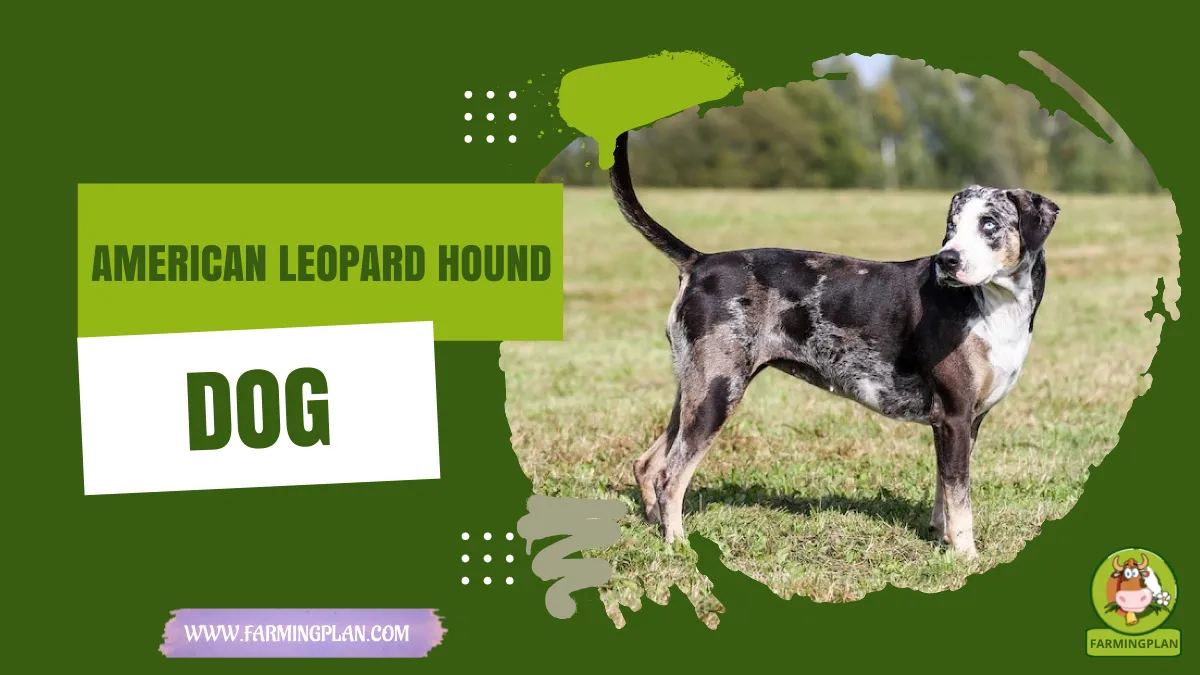
I have spent years working with working breeds, and I can tell you that the American Leopard Hound dog stands out as one of the most versatile, loyal, and energetic partners you can bring into your life. Whether you are looking for an American Leopard Hound for sale or researching an American leopard hound dog puppy to join your farm, these dogs bring incredible drive and heart.
Many people often confuse the American Leopard Hound vs Catahoula, but this breed has its own distinct heritage, remarkable intelligence, and affection. In this guide, I will share my hands-on experience covering everything from American Leopard Hound temperament and diet to American leopard hound health problems and training. We will also discuss finding reputable American Leopard Hound breeders, managing an American leopard hound mix, and clearing up common confusion around terms like the American leopard cat.
History & Origin of American Leopard Hound Dog
The history of this breed goes back hundreds of years, making it one of the oldest tree dog breeds in North America. Spanish conquistadors brought the early ancestors of these hounds to Mexico and the southern United States. Over time, early settlers and farmers crossed these European dogs with native working breeds to create an all-around hound capable of handling tough terrain. Early American farmers needed a tough dog that could handle harsh climates, guard livestock, and track game. They carefully selected dogs for tracking ability, stamina, and loyalty.
Kennel Club Recognition
For generations, farmers bred these dogs strictly for work, keeping paper records within close-knit farming communities. Eventually, organizations recognized their historic value. The United Kennel Club officially recognized the breed, and the American Kennel Club added them to its Foundation Stock Service, securing their place in modern canine history. By focusing on working performance rather than strict aesthetic standards, farmers shaped a resilient hound that helped families survive in rural frontiers.
Read More: Amazing American Cocker Spaniel Dog Guide
Characteristics of American Leopard Hound Dog
This breed possesses a balanced, athletic build built for endurance. Their deep chest gives them impressive lung capacity, while their tough, cat-like padded feet protect them on rough ground. They carry a medium-length coat that stays close to the body, keeping them clean during outdoor work. While the leopard pattern gives the breed its name, coat colors vary widely. You will find yellow, tan, red, black, and brindle patterns in litters.
Distinct Features
Their ears sit high on the skull and drop down smoothly, protecting the ear canal from debris while hunting. Their tails are naturally long, though working dogs historically had docked tails. Every line on this dog reflects centuries of careful selection for physical utility and stamina. Their eyes are equally captivating, ranging from deep brown and golden amber to bright blue, sometimes featuring two different colored eyes in a single dog.
Nature/Temperament of American Leopard Hound Dog
Unlike some aloof hound breeds, these dogs form deep bonds with their human families. They love being right in the middle of family activities and thrive on human affection. They show incredible patience and protective instincts around children, making them wonderful family companions for active households. When raised with proper boundaries, they interact well with other dogs and pack animals. However, they carry a natural prey drive inherited from generations of field work.
Early exposure to small animals helps manage their desire to chase, ensuring peace around cats, chickens, and livestock. People often compare the American Leopard Hound vs Catahoula, but their temperaments differ noticeably. While Catahoula Leopard Dogs tend to be independent, dominant, and territorial, the Leopard Hound displays an eager-to-please attitude. They are far more eager to cooperate with their handler, making training smoother.
Food & Diet of American Leopard Hound Dog
A hard-working hound requires a diet rich in high-quality animal proteins and healthy fats. Look for dog food formulations where real meat, such as chicken or beef, sits as the first ingredient. Active working dogs need roughly 25% to 30% protein to support lean muscle maintenance and active performance. I recommend feeding adult dogs twice daily to maintain steady energy levels and prevent digestive distress. Split their daily intake into morning and evening meals. For puppies under six months, divide their daily ration into three or four smaller meals to support rapid growth and metabolic needs.
Feeding Dos and Don’ts
- Do provide fresh, clean water at all times, especially after heavy exercise.
- Do adjust food portions based on daily activity and seasonal work loads.
- Don’t exercise your dog heavily immediately after a full meal to avoid bloat.
- Don’t feed cooked poultry bones or high-sodium human food table scraps.
Usage/Purpose of American Leopard Hound Dog
Historically bred for tracking and treeing, these hounds excel at scent work. Their sharp noses can pick up old trails, guiding handlers over miles of rough terrain. They track game like raccoons, squirrels, bobcats, and larger animals without backing down. Farmers rely on these hounds as all-around farm helpers. They act as vigilant farm sentries, alerting owners to strange vehicles, intruders, or predators.
Companion Roles
Beyond hunting and farm work, these hounds excel in modern dog sports. They dominate in agility, scent-work trials, dock diving, and tracking events. Their high intelligence and drive to work make them ideal partners for active individuals who enjoy outdoor adventures. Their keen awareness makes them reliable security partners without displaying unprovoked aggression toward farm visitors.
Special Features of American Leopard Hound Dog
The scenting power of this breed ranks among the highest in the hound world. They can follow cold scent trails that other dogs miss entirely. Their determination keeps them locked on a track for hours without losing focus or giving up. These dogs sport a short, dense double coat that provides efficient protection against varying weather conditions.
Treeing Instinct
A unique trait of this breed is its natural treeing instinct. When tracking game, they bay at the base of a tree to alert the handler once the prey climbs out of reach. This distinct bark pattern allows handlers to locate them across vast distances. They handle summer heat and winter cold remarkably well, allowing them to work productively across changing seasonal climates.
Health Issues & Prevention of American Leopard Hound Dog
While generally a hardy and healthy breed, you should stay aware of potential health issues. Hip dysplasia can affect their heavy-working joints over time. Ear infections also occur due to their drop ears catching moisture, dust, and outdoor debris. Responsible breeders pay close attention to coat genetics. Breeding two leopard-patterned (merle) dogs together can lead to severe genetic defects, including congenital deafness and microphthalmia (eye defects). Always verify coat genetics when selecting a puppy.
Preventive Care Checklist
- Inspect ears weekly for dirt, redness, or foul odor, and clean them gently.
- Maintain regular flea, tick, and heartworm preventative treatments year-round.
- Schedule annual veterinary checkups to monitor joint health and heart function.
- Keep teeth clean through regular brushing, dental chews, and annual cleanings.
“A True Working Dog Does Not Just Follow A Trail; It Leaves A Legacy Of Loyalty In Every Step.”
Step-by-Step Pet Owner Care Guide of American Leopard Hound Dog
Caring for an American Leopard Hound dog puppy requires dedication, structure, and consistency. These dogs bring immense energy and intelligence into your home, so starting on the right foot ensures a well-behaved adult dog. Below is a detailed care routine to guide you through every stage of development.
Step 1: Setting Up the Ideal Environment
Creating a safe home environment gives your new puppy the best start possible. Secure your yard with a sturdy, high fence, as these natural trackers will follow interesting scents right out of the yard. Inside your home, set up a comfortable crate with durable bedding where your dog can rest undisturbed.
Step 2: Establishing a Consistent Daily Routine
Dogs thrive when they know what to expect each day. Set fixed times for morning walks, feeding, bathroom breaks, and evening play sessions. Consistency prevents anxiety and speeds up housebreaking significantly. Make sure family members follow the same schedule and rules to avoid confusing your growing hound during early training.
Step 3: Implementing Positive Reinforcement Obedience
Start basic obedience training the day your puppy comes home. Focus on core commands like “sit,” “stay,” “come,” and “leave it.” Use high-value treat rewards and praise instead of harsh punishment. Hounds respond best to fair, clear, and positive leadership. Keep training sessions short—around 5 to 10 minutes—to hold their focus.
Step 4: Socialization for Sound Temperament
Expose your young hound to various environments, sights, sounds, people, and other calm dogs. Take them on car rides, visit pet-friendly stores, and walk along busy footpaths. Proper early socialization reduces shyness, prevents fear-based behaviors, and creates a confident dog ready for any situation.
Step 5: Daily Physical and Mental Exercise
An idle hound can quickly develop unwanted habits like destructive chewing or excessive baying. Provide at least 60 to 90 minutes of daily physical activity. Mix up normal leash walks with fetch games, scent-tracking challenges, or hiking. Mental stimulation, such as puzzle toys or hide-and-seek scent games, burns energy just as effectively as running.
Step 6: Routine Health Checks and Grooming
Incorporate weekly grooming sessions into your regular routine. Brush their short coat once a week with a bristle brush to remove loose hair and dirt. Inspect their drop ears for signs of moisture or infection after outdoor trips. Clip their nails every three to four weeks to protect their feet and maintain correct posture.
Read More: American Hairless Terrier Dog: Ultimate Care Guide
Expert Tips & Best Practices for American Leopard Hound Dog
- Use long tracking lines during early recall training in open fields to maintain safety while allowing freedom.
- Incorporate puzzle feeders during mealtimes to engage their active mind and slow down fast eaters.
- Introduce water games during warm months to build confidence and offer low-impact exercise.
- Avoid breeding two leopard-patterned dogs together to eliminate the risk of genetic eye and ear defects.
- Check paws and pads carefully for thorns, burrs, or cuts after hunting or hiking trips.
- Establish firm, calm leadership from day one without using harsh physical discipline.
- Connect with certified American Leopard Hound breeders to review parent health clearances before buying.
- Keep small non-canine pets securely separated until your dog completes advanced impulse-control training.
FAQs
Are American Leopard Hound Dog good family dogs?
Yes, American Leopard Hounds make wonderful family pets. They are affectionate, loyal, and naturally protective around children. However, they require early socialization and daily activity to channel their natural working drive.
How much does an American Leopard Hound cost?
A puppy from a reputable breeder typically costs between $500 and $1,500 depending on bloodline and working history. Higher prices usually reflect comprehensive genetic screening, vaccinations, and official registration paperwork.
What is the difference between a Catahoula and an American Leopard Hound?
While both feature spotted coats, Catahoulas are generally more independent and territorial. American Leopard Hounds display an eager-to-please nature, higher trainability, and softer disposition with family members.
What do American Leopard Hound Dog hunt?
These versatility-focused tree dogs excel at tracking small game like raccoons, squirrels, and bobcats. Their grit and stamina also allow them to hunt larger game, including wild hogs and bears, alongside experienced handlers.
Are American Leopard Hounds aggressive?
No, this breed is not naturally aggressive toward humans or other dogs. They can appear naturally reserved around strangers initially, but early socialization prevents fear or shyness.
Conclusion
Bringing an American Leopard Hound dog into your family or farm is a rewarding commitment. These dogs bring exceptional intelligence, physical stamina, and deep affection to active households. Whether you track game, manage a homestead, or simply enjoy active outdoor living, this breed offers an unbeatable combination of work ethic and companionship. By providing structured training, proper nutrition, and consistent daily exercise, you will raise a balanced hound that enriches your daily life for years to come. Are you ready to welcome one of these working dogs into your life? Share your thoughts, leave a comment below, or share this guide with fellow dog enthusiasts today!