Welcome! Today I am excited to share my passion for native livestock, specifically the rugged Albanian Cattle. As a farming specialist who has spent decades working with rare animals, I love how these sturdy beasts navigate the steep pastures of the Balkan mountain areas. Albania has a rich history of raising resilient cattle landraces, like the famous Buša cattle and the unique Prespa cattle.
Farmers in remote villages rely on these animals for milk, meat, and hard work because they adapt so well to harsh environments. Whether you want to preserve rare DNA genotyping lines, produce eco-labeled products, or explore sustainable smallholder farming, these native cows offer incredible benefits. Let us dive into their history, special qualities, and daily care needs so you can manage them successfully!
History & Origin of Albanian Cattle
I often marvel at the ancient story behind these impressive animals. Historical records and modern mtDNA d-loop research suggest that these native landraces trace back to Neolithic origins. For thousands of years, rural communities across the Balkan Peninsula bred these cattle for extreme hardiness. Over time, distinct local types developed around regional microclimates, including the dwarf variant found near the Lake Prespa basin.
These animals survived major historical shifts, from ancient trade routes to regional political transitions in Yugoslavia and Albania. Local farmers carefully guarded their nucleus herd genetics through generations of traditional breeding practices. Now is the perfect time to explore native livestock farming on your own homestead. Join local conservation networks, connect with experienced breeders, and share your experiences to keep this incredible heritage alive!
Evolution Through Modern Agricultural Shifts
During the twentieth century, commercial farming changed the agricultural landscape significantly. Industrial trends pushed farmers to import high-yielding dairy animals like Brown Swiss, Holstein Friesian cattle, and Simmental cattle. Crossbreeding programs began to threaten the genetic purity of pure-bred animals in the region. Despite these shifts, isolated mountain farms kept their Busha-type landraces alive due to their superior survival skills. Today, modern conservation efforts, cross-border bull exchanges, and official herdbooks work hard to prevent population decline. Researchers now use DNA genotyping projects to protect this precious genetic diversity for future generations.
Read More: Bogdanovski Goose Care: Master Farming Secrets Now
Characteristics of Albanian Cattle
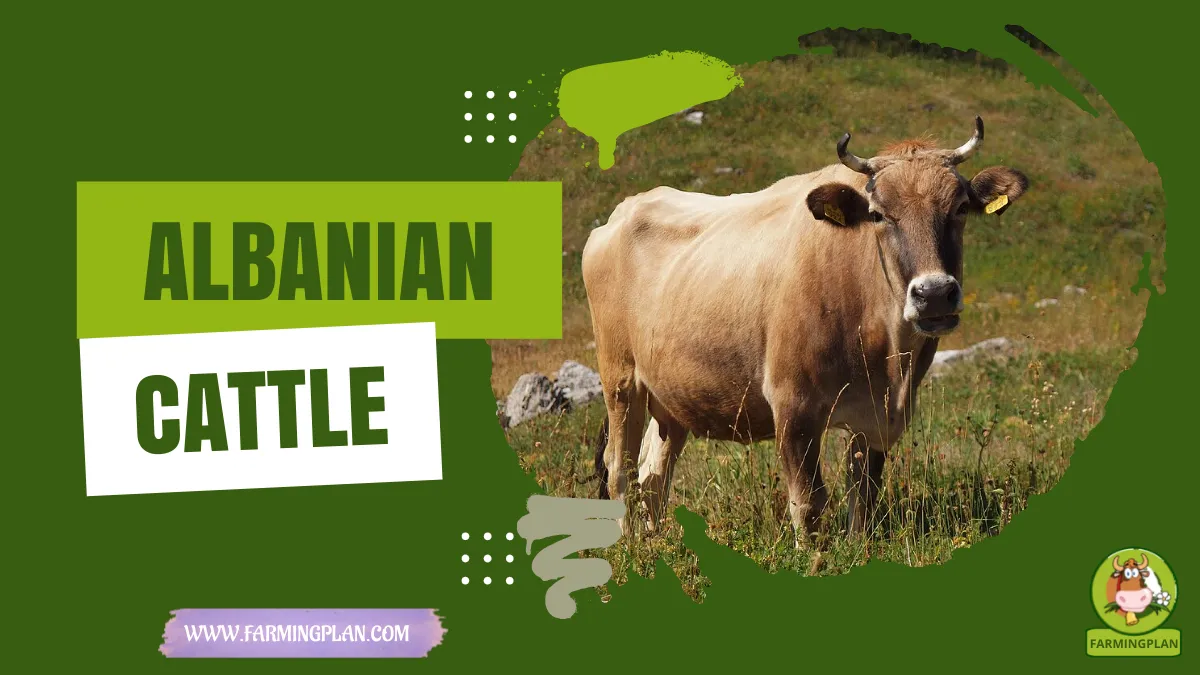
When you look at a herd of these cows, you immediately notice their compact and functional build. They generally feature a short, sturdy frame designed for agility on rocky slopes rather than bulk. Females usually weigh between 250 and 300 kilograms, while bulls reach slightly larger proportions. Their coat types display a beautiful range of natural color patterns, including deep brown, reddish-tan, grey, and occasionally dark black varieties. Their dark, durable hooves allow them to trek through rough pastures without suffering from common foot problems.
Unique Regional Types and Dwarf Variants
Within the broader family of these native cows, you will find fascinating regional variations. The Prespa Dwarf Cattle, found near the Albanian Prespa region, represents one of the most famous small-sized variants. These tiny animals require minimal forage yet deliver steady milk and meat for smallholder farms. Their horns are usually short and curved forward, giving them a classic, rustic appearance. Their refined facial features and alert eyes reflect their primitive ancestral roots. Observing their natural movement across steep mountain pastures highlights their incredible evolutionary adaptation.
Nature/Temperament of Albanian Cattle
I always tell new farmers that handling these traditional cows is a deeply rewarding experience. They possess a calm, gentle nature when raised with regular human interaction. Unlike some modern commercial breeds that panic easily, these animals stay remarkably grounded and cooperative. Mothers show fierce maternal protection toward their calves, ensuring high survival rates even in rugged outdoor environments. Their steady temperament makes them ideal for family farms, educational homesteads, and extensive grazing setups.
Smart Behavior and Mountain Agility
These animals demonstrate exceptional intelligence and spatial awareness in open field environments. They navigate treacherous mountain trails with supreme confidence, avoiding dangerous drop-offs and swampy patches. They form strong social bonds within their nucleus herd, following clear herd hierarchies that keep group dynamics peaceful. When predator threats appear, the herd bands together instinctively to guard their young. Their high emotional intelligence and adaptability allow them to thrive under changing environmental conditions and low-input farming systems.
Food & Diet of Albanian Cattle
Feeding these animals is surprisingly straightforward because they evolved under low-input mountain environments. They excel at extensive grazing, eating wild grasses, forest shrubs, weeds, and reeds that standard dairy cows reject. I recommend providing access to clean pastureland where they can browse naturally throughout the day. Their efficient digestive system converts poor-quality roughage into nutritious milk and body weight efficiently. Supplemental hay during winter months keeps their digestive tracts healthy and maintains stable body condition scores.
Mineral Care and Feeding Dos and Don’ts
To maintain optimal herd health, you must supply fresh water and mineral licks continuously. Essential minerals like salt, calcium, and phosphorus support strong bone development and smooth reproductive cycles. Avoid overfeeding heavy grain rations or concentrated commercial pellets, as excess carbohydrates trigger severe digestive upsets. Do not let animals graze on damp pastures infected with liver flukes or toxic plant species. A simple, pasture-based diet supplemented with quality legume hay during cold seasons provides all the essential nutrition they need.
Usage/Purpose of Albanian Cattle
For centuries, small farms relied on these versatile cows as the ultimate multi-purpose livestock. Their milk production yields high butterfat and protein content, making it perfect for artisanal cheeses, butter, and yogurt. While their daily milk volume is smaller than commercial Holstein cows, the quality remains vastly superior. Their meat offers a rich, distinct flavor preferred by local markets seeking authentic, eco-labeled products. Smallholder resource operations value this dual-purpose utility because it maximizes total farm productivity with minimal investment.
Land Management and Working Utility
Beyond milk and meat, these cows serve as exceptional workers and ecological land managers. Historically, farmers trained strong oxen for plowing hillside terraces and hauling firewood through rough terrain. Today, their light footprint makes them ideal for conservation grazing projects aimed at preventing bush encroachment. They maintain open pasture landscapes without causing severe soil compaction or erosion. Partnering these cows with traditional livestock guardians like the local Qen Stani sheepdog creates an efficient, self-sustaining pastoral ecosystem.
Special Features of Albanian Cattle
The defining strength of these native animals lies in their legendary hardiness and climate adaptability. They tolerate scorching summer heat, freezing winter rains, and thin mountain air without losing physical condition. Decades of natural selection created a robust immune system that resists common tropical and temperate cattle diseases. They show lower susceptibility to foot rot, mastitis, and tick-borne illnesses compared to high-input commercial breeds. This natural resilience reduces veterinary costs significantly for eco-friendly farmers.
Unique Genetic Value for Modern Breeding
From a scientific standpoint, these ancient landraces hold priceless genetic resources for future agriculture. DNA genotyping reveals unique genetic markers linked to longevity, feed efficiency, and stress tolerance. As climate change creates unpredictable weather patterns worldwide, breeders look to these native strains to improve commercial stock. Crossing these hardy lines with dairy and beef cows enhances overall vitality and drought resistance. Preserving these rare genetic lines ensures our global food system remains adaptable and resilient.
Health Issues & Prevention of Albanian Cattle
Even though native cows boast excellent health, they can still face health challenges under improper management. Brucellosis remains a concern in certain Balkan regions, requiring strict testing and quarantine protocols. External parasites like ticks, flies, and lice irritate skin and transmit blood-borne pathogens during warm months. Internal parasites, including gastrointestinal worms and liver flukes, thrive in poorly drained pasture areas. Seasonal changes can also trigger respiratory issues if housing lacks proper ventilation or stays excessively damp.
Proactive Preventive Care Strategies
Preventing disease requires consistent sanitation, strategic biosecurity, and routine health checks. Establish a strict vaccination schedule in consultation with your local veterinarian to guard against regional bacterial infections. Implement pasture rotation strategies every few weeks to break internal parasite life cycles naturally. Keep barn bedding dry and clean to prevent foot issues and skin infections. Provide clean drinking water sources away from stagnant mud holes to keep your entire herd active, healthy, and productive year-round.
“Preserving Native Livestock Keeps Our Farming History Alive and Builds Stronger Breeds for Tomorrow.”
Step-by-Step Farming Guide of Albanian Cattle
Starting your journey with native livestock requires careful planning, proper infrastructure, and practical daily routines. Over my years of managing native herds, I have developed a clear system that ensures success for beginners and experienced farmers alike. Follow these seven practical steps to establish and maintain a thriving, healthy herd on your farm.
Step 1: Secure Suitable Land and Perimeter Fencing
Before bringing any cattle to your property, you must prepare the land properly. Allocate at least one to two acres of grazing pasture per adult animal to support sustainable foraging. Inspect your boundary lines carefully and install high-quality perimeter fencing using woven wire or high-tensile electric fence lines. Ensure the fence stands at least four feet high to keep cattle contained safely. Clear away toxic plants, sharp debris, and hazardous boggy patches that could harm your animals. Secure fencing protects your valuable stock while keeping wild predators and roaming stray dogs far away from your herd.
Step 2: Build Clean and Well-Ventilated Shelter
Provide your animals with a dry, draft-free shelter that protects them from severe winter weather and scorching summer heat. A simple three-sided run-in shed facing away from prevailing winds works wonderfully for this hardy breed. Ensure the roof leak is completely sealed and the dirt or concrete floor stays covered with clean straw bedding. Adequate roof ventilation prevents moisture buildup, reducing the risk of respiratory infections. Maintain a dedicated, clean stall area for calving, medical treatments, and routine health examinations. Good airflow and dry bedding keep your animals comfortable through all seasons.
Step 3: Establish Continuous Fresh Water Systems
Water intake drives healthy digestion, efficient milk production, and overall metabolic function in cattle. Install freeze-proof automatic waterers or heavy-duty rubber stock tanks in easily accessible areas of your farm. Inspect water sources daily to remove algae, fallen leaves, and dirt accumulative deposits. During frozen winter conditions, use submerged tank heaters to keep drinking water liquid and accessible. Adult cattle drink between ten to twenty gallons of clean water daily depending on temperature and lactation status. Never force your livestock to drink from contaminated, stagnant ponds or polluted runoff ditches.
Step 4: Source Healthy Native Breeding Stock
Acquiring your foundation animals requires thorough research and careful health screening. Purchase stock from reputable breeders who maintain clear herdbooks and detailed genetic records. Look for alert animals with clear eyes, smooth coats, sturdy hooves, and strong body conformation. Request certified veterinary health certificates verifying negative tests for brucellosis and tuberculosis. Avoid buying animals displaying signs of chronic coughing, lameness, or severe parasite infestation. Investing in high-quality, pure-bred foundation stock lays a solid, reliable foundation for your farm’s long-term breeding success and profitability.
Step 5: Implement Rotational Grazing Schedules
Maximize your pasture yield and maintain parasite control through structured rotational grazing practices. Divide your primary pasture into smaller paddocks using temporary electric fencing lines. Move your herd to a fresh paddock every three to seven days, depending on grass growth rates. Allow grazed paddocks to rest and recover for at least thirty days before returning animals to graze again. This simple management strategy prevents soil erosion, promotes diverse forage species, and disrupts internal parasite life cycles naturally. Sustainable pasture rotation lowers your winter feed costs while keeping pastures green and productive.
Step 6: Maintain Daily Health Checks and Nutrition
Spend time observing your herd twice daily during feeding or pasture inspections. Check that every cow moves freely, chews cud contentedly, and displays an active, healthy appetite. Provide loose mineral supplements in covered feeders to supply essential trace minerals constantly. During winter or dry periods, supply clean grass hay alongside supplemental protein feeds as necessary. Keep daily logs recording calving dates, heat cycles, vaccinations, and deworming treatments. Catching subtle health changes early allows quick medical intervention, preventing minor issues from escalating into serious herd outbreaks.
Step 7: Manage Breeding and Calving Seasons Safely
Plan your breeding schedule so calves arrive during mild spring weather when pasture quality peaks naturally. Monitor pregnant cows closely during their final trimester, providing clean, deeply bedded calving stalls. Allow natural birth to proceed undisturbed, but keep clean towels, iodine spray, and emergency contact details ready. Ensure newborn calves nurse rich colostrum milk within the first two hours of life to build crucial immunity. Tag newborn calves promptly and record their parentage details in your farm management books to maintain accurate genetic records.
Read More: Ultimate Guide to Cari Gold Chicken
Expert Tips & Best Practices for Success
“Success in raising native cattle comes down to daily observation, simple feeding, and respecting their natural instincts.”
- Prioritize Biosecurity: Quarantine all incoming animals for at least thirty days before introducing them to your established herd.
- Handle Animals Calmly: Use low-stress livestock handling techniques to keep your cows relaxed and easy to manage during vet visits.
- Track Genetic Lineages: Keep detailed herdbook records to prevent accidental inbreeding and preserve valuable genetic purity.
- Provide Free-Choice Minerals: Keep high-quality, weather-resistant mineral blocks available to support overall immune function.
- Inspect Hooves Regularly: Trim overgrown hooves annually to maintain proper posture and prevent joint strain or lameness.
- Establish Predator Protection: Guard your young calves by housing them near your home or pairing the herd with livestock guardian dogs.
- Focus on Eco-Marketing: Promote your milk and meat products as premium, grass-fed, eco-labeled goods to command higher market prices.
FAQs
What are the main characteristics of Buša cattle?
Buša cattle are small, extremely hardy animals native to the Balkan region. They feature short horns, compact bodies, and tough hooves adapted to rocky mountain terrains. Their coat colors range from light brown to grey, black, or reddish-tan.
How much milk does an Albanian cow yield daily?
An native cow yields between 3 to 7 liters of milk per day under traditional grazing conditions. While milk production is lower than industrial dairy breeds, the milk contains high butterfat and protein levels. This makes it exceptional for traditional cheese making.
Are native Balkan cattle breeds endangered?
Yes, many native Balkan landraces face population decline due to historical crossbreeding with industrial cows. Active conservation projects, official herdbooks, and cryo-conservation programs now work hard to protect their remaining genetic purity.
What do smallholder cows eat during winter?
During winter months, these animals eat stored grass hay, legume forage, and dried agricultural byproducts. Farmers supplement their diet with mineral licks and clean water to maintain healthy body condition scores.
Can native cows adapt to hot and cold climates?
These cattle adapt remarkably well to extreme climate variations, surviving cold mountain winters and hot, dry summers effortlessly. Their thick winter coats protect against freezing rain, while light summer coats reflect heat efficiently.
Conclusion
Raising these native landraces offers a deeply fulfilling way to preserve living agricultural history while running a sustainable farm operation. Throughout this guide, we explored their ancient Balkan roots, incredible physical hardiness, gentle temperaments, and simple dietary requirements. These compact animals convert poor mountain pastures into rich milk and high-quality meat with minimal veterinary costs or industrial inputs. By establishing rotational grazing practices, dry shelters, and clean water access, you can manage a thriving herd that survives harsh weather easily. Protecting these rare genetic resources secures agricultural diversity for future generations while delivering premium, eco-friendly food products.