The Aksai Black Pied Pig is a remarkably resilient domestic swine breed that offers incredible value to farmers, breeders, and homesteaders looking for fast growth rates, strong disease resistance, and high-quality meat production. Originating in Kazakhstan, the Aksai Black Pied Pig combines extreme climate adaptability with a gentle, manageable temperament, making the Aksai Black Pied Pig an exceptional choice for both small-scale livestock setups and larger commercial operations.
By introducing the Aksai Black Pied Pig to your farm, you ensure higher productivity and lower maintenance costs, because the Aksai Black Pied Pig thrives on balanced forage while maintaining fantastic health. Proper care, clean housing, and balanced nutrition will help your Aksai Black Pied Pig herd flourish, so take the next step in your agricultural journey today by adding the Aksai Black Pied Pig to your farm, and leave a comment below to share your experiences or questions with our vibrant farming community!
History & Origin of the Aksai Black Pied Pig
The story behind this unique breed began in Kazakhstan, where breeders wanted a pig that could handle extreme temperature changes. They crossed local pigs with specialized breeds like the Large White and Berkshire to combine hardiness with superior meat yield. Over several decades, agricultural experts refined the genetics to create a livestock animal that matures quickly while staying remarkably healthy.
During my years advising breeders, I have watched this swine breed gain strong respect among smallholders and commercial farmers. Historically bred in sub-tropical climate zones and cold steppe regions alike, these pigs survived tough conditions where other animals failed. Knowing their background helps you appreciate their natural strength and strong adaptability on your farm today.
Read More: Raising Ducks with Chickens: Smart, Happy Flocks
Characteristics of Aksai Black Pied Pig
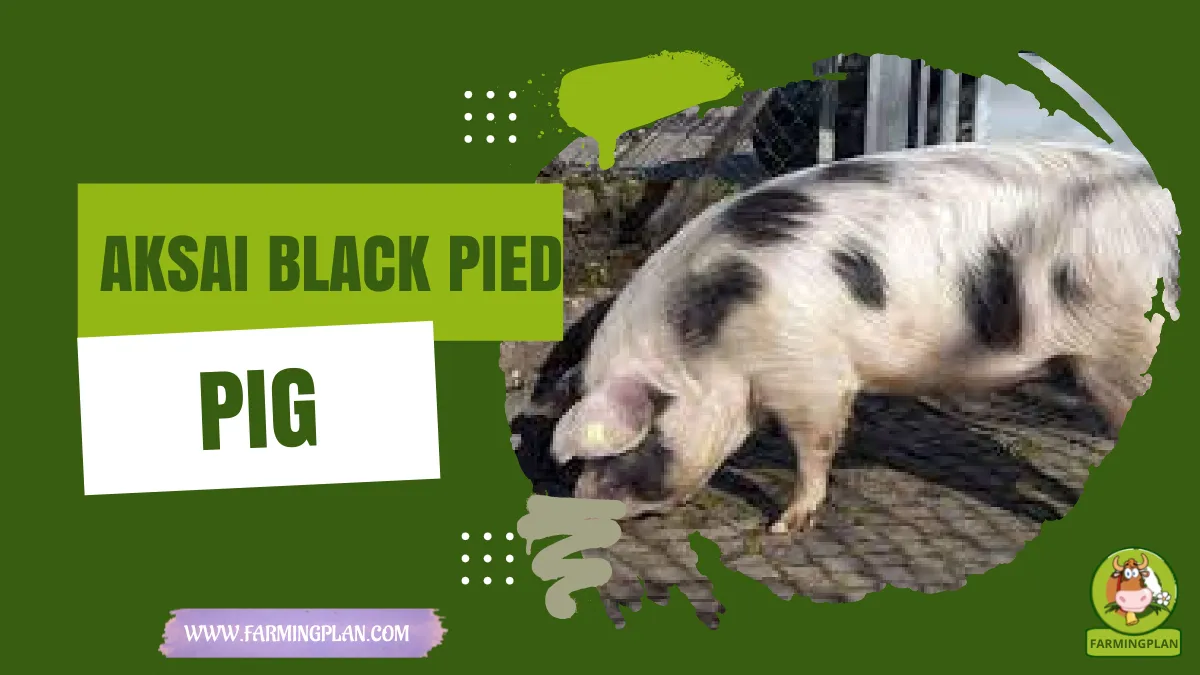
As a dedicated farming specialist, I love sharing my hands-on experience with swine breeds like the Aksai Black Pied Pig. You can spot an Aksai Black Pied Pig easily by its striking coat pattern. Their body features dark black hair pig patches mixed with distinct white spots across their skin. They have large floppy ears, strong legs, and a solid muscular frame that develops nicely on standard pasture or barn setups.
Unlike the pink skin of York pigs or the wrinkled face of the Taihu pig, these black hair pig animals feature smooth, durable skin. Their physical build allows them to forage comfortably without getting easily sunburned or injured. In my experience, their structural soundness keeps veterinary treatments minimal and keeps morbidity low across all age groups.
Nature and Temperament of Aksai Black Pied Pig
This robust domestic breed, originating from Kazakhstan, brings extraordinary value to any farm homestead. Handling livestock should be safe and enjoyable, and these pigs make daily chores effortless. They possess a calm, friendly, and curious disposition that makes farm management simple. I often recommend them to beginner farmers because their gentle nature minimizes stress for both animals and handlers.
Their mild temperament extends to social living within the herd. Sows show excellent maternal instincts, caring for their piglets attentively without showing aggressive behavior toward handlers. Their quiet demeanor reduces farm noise, keeps stress levels down, and promotes steady growth rates across your entire herd. When I introduced these medium-sized domestic pigs (Sus scrofa domesticus) to my farm, their resilience and high productivity amazed me immediately.
Food & Nutrition, and Feeding of Aksai Black Pied Pig
Feeding your swine a balanced diet ensures rapid weight gain and vibrant health. These pigs need a balanced feed rich in essential lipids, palmitate, and oleate to maintain high energy levels. You can feed them glycerol propionate and monoglycerides to boost digestion and optimize blood glucose levels. Proper nutrition lowers post-weaning stress and increases average daily feed intake (ADFI) naturally.
These animals thrive in diverse environments, offer exceptional breeding rates, and fit perfectly into modern livestock farming setups. You must avoid spoiled pasture, excessive raw starch, or unbalanced farm scraps that cause digestive troubles. I always provide clean, fresh water alongside quality grains to ensure optimal feed conversion and steady growth throughout the season.
Usage and Purpose of Aksai Black Pied Pig
Farmers keep this breed primarily for high-quality meat production and efficient breeding operations. Their meat offers fine marbling, rich flavor, and excellent texture that consumers love. Compared to specialized breeds like the Angeln Saddleback or Arapawa Island pigs, they offer a balanced ratio of lean meat and healthy fat.
Their fast growth rates and large litters make them ideal for commercial meat enterprises. I also see hobbyists and homesteaders choosing them for small-scale pork production. Their ability to turn low-cost forage into valuable protein makes them a smart economic choice for any farm setup.
Special Features of Aksai Black Pied Pig
This breed offers exceptional disease resistance that sets it apart from many common farm pigs. Their dark skin protects them from harsh sunlight, reducing skin irritation during outdoor grazing. Furthermore, their efficient metabolism allows them to convert mixed diets into solid muscle quickly. In my farming journey, I noticed these pigs maintain remarkable intestinal health and low mortality rates.
Whether you compare them to large breeds like the American Yorkshire or Asian swine such as the wrinkled face Fengjing pig from Shanghai, Jinshan, Songjiang, Wujiang, and the Taihu Lake region, this pig stands out. Their gut lining supports good nutrient absorption while limiting intestinal permeability. Their hardiness reduces farm costs while maintaining steady growth in both hot and cold seasons.
Health Issues, Diseases, and Prevention Strategies
Maintaining strong health requires basic preventive care and a clean living environment. Like all swine, they can face respiratory issues or internal parasites if farm sanitation drops. Regular herd vaccinations and proper hygiene prevent common livestock diseases from spreading through your pens. I recommend checking your herd daily for signs of lethargy, reduced feed intake, or skin changes. Keep pens dry, provide good airflow, and quarantine new animals to protect your resident pigs. Partnering with a skilled veterinarian keeps your farm running smoothly and prevents costly disease outbreaks.
“Raising Pigs With Love And Proper Care Daily Brings Joy And Incredible Farming Rewards To Every Farmer.”
Step-by-Step Farming Guide for Raising Healthy Pigs
Starting a successful pig farm requires careful planning, proper equipment, and structured daily routines. Below is a detailed step-by-step guide based on my real-world farming experience. Good sanitation habits save money on veterinary bills and boost overall herd productivity dramatically. Monitoring daily feed intake helps you spot early signs of illness before major symptoms appear.
Step 1: Shelter Setup and Environmental Management
Creating a clean, dry, and comfortable shelter is the first step toward raising healthy livestock. Design your swine housing with adequate ventilation, non-slip concrete or deep straw flooring, and strong fencing. Provide shade for outdoor runs so your pigs can escape direct heat during summer days. Ensure every pen allows enough space for animals to exercise, rest, and feed comfortably. Good drainage prevents moisture accumulation, which keeps bacteria and parasite populations low. Setting up clean water troughs and durable feed bins early prevents food waste and keeps your herd happy.
Step 2: Selecting Quality Breeding Stock and Piglets
Choosing healthy piglets and breeding stock lays the foundation for farm profitability. Look for active, alert piglets with smooth skin, clear eyes, and robust skeletal frames. Avoid animals showing signs of coughing, joint swelling, or digestive distress during your initial inspection. When selecting sows and boars, evaluate their genetic history and parental breeding rates. Strong reproductive traits lead to larger litters and higher piglet survival rates. Buying stock from reputable breeders ensures strong genetics and protects your farm from introducing hidden health problems.
Step 3: Implementing Daily Feeding and Water Routines
Establishing a consistent daily feeding schedule keeps your pigs growing steadily and calmly. Offer a high-quality complete feed formulation that matches your animals’ specific growth stages. Include grains, vitamins, and minerals that support gut health and optimal blood glucose regulation. Never let your water systems run dry, especially during warm weather or peak growth phases. Clean out feed troughs daily to prevent mold growth, which causes digestive issues and feed refusal.
Step 4: Health Management and Sanitation Routines
Maintaining high sanitation standards prevents most swine illnesses before they start. Clean out manure daily, refresh bedding regularly, and sanitize pens between herd rotations. Set up a regular deworming schedule with your local veterinarian to protect intestinal health. Keep an emergency health kit stocked with essential treatments, disinfectants, and basic tools on your farm. Vaccinate your herd on schedule against regional swine diseases to secure your livestock investment.
Read More: Best Grass for Goats: A Powerful Fodder Guide
Expert Tips and Best Practices for Swine Farmers
- Rotate your pasture areas regularly to preserve soil health and control parasite cycles naturally.
- Mix farm-grown grains with commercial supplements to lower overall feed costs without sacrificing nutrition.
- Handle your animals calmly and gently to build trust and reduce stress during routine farm checks.
- Monitor ambient temperatures in your pens to keep animals comfortable in extreme seasons.
- Keep detailed records of breeding dates, birth weights, and feed consumption to track farm efficiency.
- Group pigs by size and age to ensure equal access to feed and prevent aggression.
- Provide clean, cool mud wallows or misting fans during summer to prevent heat stress.
FAQs
What is the origin of the Aksai Black Pied pig breed?
This breed originated in Kazakhstan during the 20th century through selective crossbreeding. Breeders crossed local swine with Berkshire and Large White pigs to create a hardier animal. It handles temperature swings well while producing high-quality meat.
How fast do Aksai Black Pied pigs grow?
These pigs grow rapidly when fed a balanced diet rich in essential nutrients and clean water. They reach market weight efficiently, making them cost-effective for farmers. Proper nutrition and good sanitation maximize their daily weight gain naturally.
Are Aksai Black Pied pigs good for small farms?
Yes, their calm temperament and hardiness make them ideal for small farms and homesteads. They forage well, require minimal special maintenance, and handle basic housing setups easily. Beginners find them manageable and rewarding to raise.
What do Aksai Black Pied pigs eat?
They eat a wide variety of grains, pasture grasses, complete commercial feed, and farm produce. Providing a balanced diet rich in key lipids and minerals keeps them healthy. Always offer clean, fresh water alongside their feed daily.
How resistant are these pigs to common diseases?
This breed possesses strong natural immunity and durable skin that resists environmental stress well. While they are hardier than many swine breeds, standard farm sanitation and vaccinations remain essential. Regular care keeps disease risks minimal across your herd.
Conclusion
Raising the Aksai Black Pied Pig offers farmers a reliable path to high-quality meat production and efficient farm management. Their calm nature, strong disease resistance, rapid growth rate, and excellent adaptability make them a standout choice for homesteaders and commercial breeders alike. By following proper feeding methods, maintaining clean shelter, and executing proactive health care, you can build a thriving, profitable herd. If you want to enhance your farm with resilient livestock, consider adding this fantastic pig breed to your setup today, and share your farming experiences with our community!