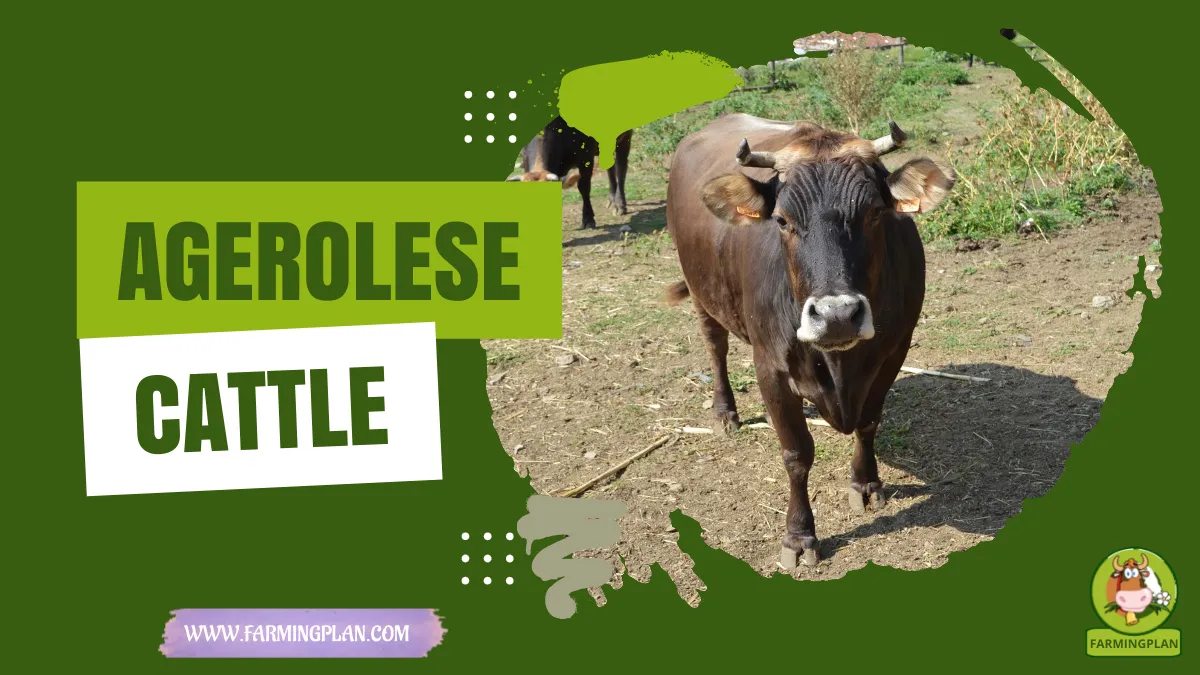
I’ve worked with many cattle breeds over the years, but Agerolese Cattle always stand out to me. This rare breed of cattle comes from southern Italy, especially around Agerola near Naples. Farmers developed this breed through smart crossbreeding between Jersey, Brown, and Holstein Friesian cattle, which makes it both productive and hardy. When people search for things like largest cow, taurine cattle, or oldest cow breeds, they often miss this hidden gem.
Agerolese cattle may not be the biggest, but they bring exceptional value in milk production, especially for traditional cheeses like Mozzarella, Provolone, and caciocavallo. I always tell new farmers that this breed is not just about farming—it’s about preserving biodiversity and tradition. In this guide, I’ll walk you through everything I’ve learned, from feeding and care to farming strategies and expert tips.
History & Origin
The story of Agerolese cattle begins in the beautiful Lattari Mountains near Napoli. Farmers in this region needed a cow that could survive rough terrain while still producing high-quality milk. Over time, they experimented with European cattle breeds like Dutch Black Pied, Swiss Browns, and Braunvieh. This careful breeding created a unique animal that could thrive in local conditions. Some experts even link their roots back to livestock used during the Roman Empire, where cattle played a key role in agriculture and food supply.
Development Through Crossbreeding Efforts
In the 19th and 20th centuries, farmers improved the breed further using Friesian, Podolica, and Bruna Italiana cattle. Institutions like the National Research Council and the University of Naples Federico II studied these animals to improve productivity without losing their native traits. I’ve seen how these efforts helped preserve this breed, especially as modern farming pushed many local breeds toward extinction. Organizations like Slow Food even added Agerolese cattle to the Ark of Taste, which shows how valuable they are to global food culture.
Read More: Deer Feed Secrets For Healthy Strong Herds
Characteristics of Agerolese Cattle
When I first saw an Agerolese cow, I noticed its balanced build right away. These animals are medium-sized compared to the largest cow breeds like Chianina Cattle. They usually have a strong body, well-developed muscles, and a distinct muzzle. Their coat color varies due to mixed ancestry. You might see shades of brown, black, or even spotted patterns influenced by Holstein and Jersey genetics. Their height at the withers often stays moderate, making them easy to manage on small farms.
Adaptability and Production Traits
What really impressed me is their adaptability. These cattle handle mountainous terrain and variable climates very well. Their milk production is not the highest in volume, but the quality is outstanding. The milk contains rich fat and protein, which makes it perfect for cheese-making. Farmers use it to produce famous dairy products like Provolone del Monaco D.O.P, ricotta, and fior di latte. This makes them a top choice for traditional dairy farming.
Nature & Temperament
From my experience, Agerolese cattle have a calm and friendly temperament. They respond well to human interaction, which makes them easier to handle compared to some aggressive breeds. I’ve worked with breeds that require constant control, but these animals stay relaxed even during milking or feeding. This trait makes them perfect for small-scale farmers and beginners.
Suitability for Different Farming Systems
These cattle adapt well to both traditional and semi-modern farming systems. Whether you keep them in open grazing fields or controlled environments, they adjust easily. They also work well in mixed farming setups with animals like Appenninica Sheep or goats. Their cooperative nature reduces stress, which directly improves milk quality and overall productivity.
Food & Diet
I always recommend sticking to natural feeding methods for Agerolese cattle. These animals thrive on pasture-based diets, including grass, hay, and seasonal plants. In regions like Marche region or southern Italy, farmers use local vegetation to maintain quality. Their diet should include fiber-rich foods like oats and forage. This helps digestion and supports consistent milk production.
Balanced Nutrition and Feeding Tips
To boost performance, I include protein sources like legumes and mineral supplements. Clean water is essential, and I never compromise on that. Avoid feeding low-quality or moldy feed, as it can lead to health problems. I also limit excessive grain feeding because it can disturb digestion. A balanced diet improves not just health but also the quality of dairy products like gorgonzola and Buffalo Mozzarella alternatives.
Usage & Purpose
The main reason I recommend Agerolese cattle is their role in cheese-making. Their milk creates premium products like Provolone cheese and caciocavallo. Local farmers depend on them for traditional recipes that require high-fat milk. This makes them valuable in niche markets.
Role in Sustainable Farming
These cattle also support sustainable agriculture. They help maintain local ecosystems and preserve genetic diversity. Organizations like the Food and Agriculture Organization recognize their importance in maintaining global livestock diversity. I see them as a perfect example of farming that respects both tradition and nature.
Special Features
Agerolese cattle are part of razze bovine autoctone, meaning native breeds with unique genetics. Their taxonomy information places them among important taurine cattle. This genetic diversity helps protect livestock populations from diseases and environmental changes.
Cultural and Economic Importance
Their connection to traditional foods like pizza and artisan cheese makes them culturally significant. Farmers in Caserta, Gragnano, and Pagani rely on them for local production. I always tell people that raising this breed is like preserving a piece of history.
Health Issues & Prevention
Like any cattle, Agerolese cows can face issues such as digestive disorders, infections, and parasites. Poor nutrition or hygiene often causes these problems. I’ve also seen cases where improper management affects telomere length, which can impact longevity and productivity.
Prevention and Care Strategies
Good hygiene, proper feeding, and regular veterinary check-ups keep these animals healthy. I always vaccinate on time and monitor their behavior closely. Clean housing and fresh water reduce disease risk significantly. Working with veterinary institutions like the Department of Veterinary Medicine and Animal Production helps ensure proper care.
“Great Farming Starts With Respecting Heritage Breeds And Letting Nature Work With You—Not Against You.”
Step-by-Step Farming Guide
When I started raising Agerolese cattle, I realized success depends on proper planning and daily care. This breed responds well to traditional farming methods, but you still need a structured approach. In this guide, I’ll walk you through each step I personally follow, from setting up the farm to managing daily routines. If you follow these steps carefully, you can build a healthy and productive herd.
Step 1 – Farm Setup and Environment Preparation
I always begin with a proper farm setup. Choose a location with enough grazing space and good drainage. Agerolese cattle prefer natural environments, so I try to replicate their native Lactaria Montes conditions. Build a shelter that protects them from rain and heat. Ensure proper ventilation and enough space for movement. Overcrowding can stress the animals and reduce productivity. I also install clean water systems and feeding areas. Hygiene plays a huge role in preventing diseases. A clean farm means healthy cattle and better milk production.
Step 2 – Selecting Quality Breeding Stock
Choosing the right animals is one of the most important steps. I always look for healthy breeding cows and strong breeding bulls. Check their physical condition, milk history, and lineage. Avoid animals with visible health issues or poor genetics. If possible, consult experts or research institutions like the Institute for Animal Production System in Mediterranean Environment. Good breeding stock ensures long-term success. It improves herd quality and maintains the unique traits of the breed.
Step 3 – Feeding and Daily Care Routine
I follow a strict feeding schedule with a mix of pasture grazing and supplemental feed. Fresh grass, hay, and protein sources keep the cattle healthy. Daily care includes cleaning the shelter, checking water supply, and observing animal behavior. Early detection of issues helps prevent major problems. Consistency is key. I never skip routines because even small changes can affect productivity.
Step 4 – Health Monitoring and Disease Control
I regularly check for signs of illness, such as reduced appetite or unusual behavior. Vaccination and deworming are part of my routine. Working with veterinary experts ensures proper diagnosis and treatment. I also maintain records for each animal, which helps track health and performance. Prevention always costs less than treatment. That’s a rule I never ignore.
Step 5 – Milk Production and Product Processing
Milking requires patience and hygiene. I always clean the udder before milking and use proper equipment. The real value comes from processing milk into products like ricotta and Provolone del Monaco D.O.P. Quality milk leads to premium products that fetch higher market prices. If you focus on quality over quantity, you can build a profitable dairy business with this breed.
Read More: Mud Crab Farming Success Secrets
Expert Tips & Best Practices
Smart Farming Tips
- I always focus on quality breeding rather than herd size
- Maintain natural grazing for better milk quality
- Keep detailed records of each animal
- Invest in proper shelter and hygiene
- Build relationships with local dairy markets
Advanced Strategies
- Use selective breeding to improve traits
- Collaborate with agricultural institutions
- Promote products through local branding
- Preserve genetic diversity for long-term benefits
FAQs
What is Agerolese cattle known for?
Agerolese cattle are famous for high-quality milk used in traditional Italian cheese-making. Their milk is rich in fat and protein, making it ideal for premium dairy products.
Where do Agerolese cattle originate?
They originate from Agerola near Naples in Italy. Farmers developed them through crossbreeding local and European cattle breeds.
Are Agerolese cattle good for beginners?
Yes, I find them beginner-friendly due to their calm temperament and adaptability. They are easier to manage than many other cattle breeds.
What do Agerolese cattle eat?
They mainly eat grass, hay, and natural forage. Farmers also provide protein supplements and minerals for balanced nutrition.
Why are Agerolese cattle rare?
Modern farming reduced their population, but conservation efforts aim to protect them. Their inclusion in heritage food programs highlights their importance.
Conclusion
Agerolese cattle offer more than just milk—they represent history, sustainability, and quality farming. From my experience, they are one of the most rewarding breeds to raise if you value tradition and premium dairy production. Their adaptability, calm nature, and unique genetics make them a smart choice for both small farmers and serious breeders. If you’re thinking about starting cattle farming or improving your herd, this breed deserves your attention. Share your thoughts, ask questions, or connect with other farmers—let’s keep this incredible breed alive and thriving together!