I love spending my mornings in the loft, listening to the gentle cooing of my birds. Among all the domestic pigeon breeds I have raised over the years, the Aachen Cropper pigeon always captures my heart with its majestic posturing and friendly energy. This fancy pigeon belongs to the famous Pouter/Cropper breeds group, known worldwide for their ability to inflate their crop into a stunning, spherical globe.
As a farming specialist, I find that watching these decorative pigeons strut around with an upright stance and a distinctive colored peak crested head brings unmatched beauty to any loft. Whether you are building a vast pigeon name list or searching for unique pigeon varieties with name tags for your show ring, this German bird shines as a true feathered ambassador of elegance and grace.
History and Origin of Aachen Cropper Pigeon
The story of the Aachen Cropper pigeon takes us back to the scenic Lower Rhine region in Germany, near the historic city of Aachen. Breeders crafted this special bird over generations by crossing local cropper breeds with other crested triangular fancy pigeon lines. In European show circuits, judges list this bird under names like Aachener Bandkröpfer, Boulant d’Aix la Chapelle, and Gozzuto di Aquisgrana. The Entente Européenne d’Aviculture et de Cuniculture officially recognizes its long-standing heritage, which cemented its place among the pigeon elite.
Over the decades, early fanciers focused heavily on refining the bird’s posture, feather texture, and distinctive crop shape. The classic bandkröpfer design, featuring a band-like marking across the chest, quickly spread beyond Germany into France and Alsace. Fanciers preserved these unique cage patterns through careful breeding strategies, ensuring the bloodline thrived across generations. Historic publications, including the American Pigeon Journal and Levi Publishing Co records, frequently celebrated this ornamental dove for its striking balance and gentle nature. Today, I proudly keep this vibrant heritage alive right in my own farm lofts.
Characteristics of Aachen Cropper Pigeon
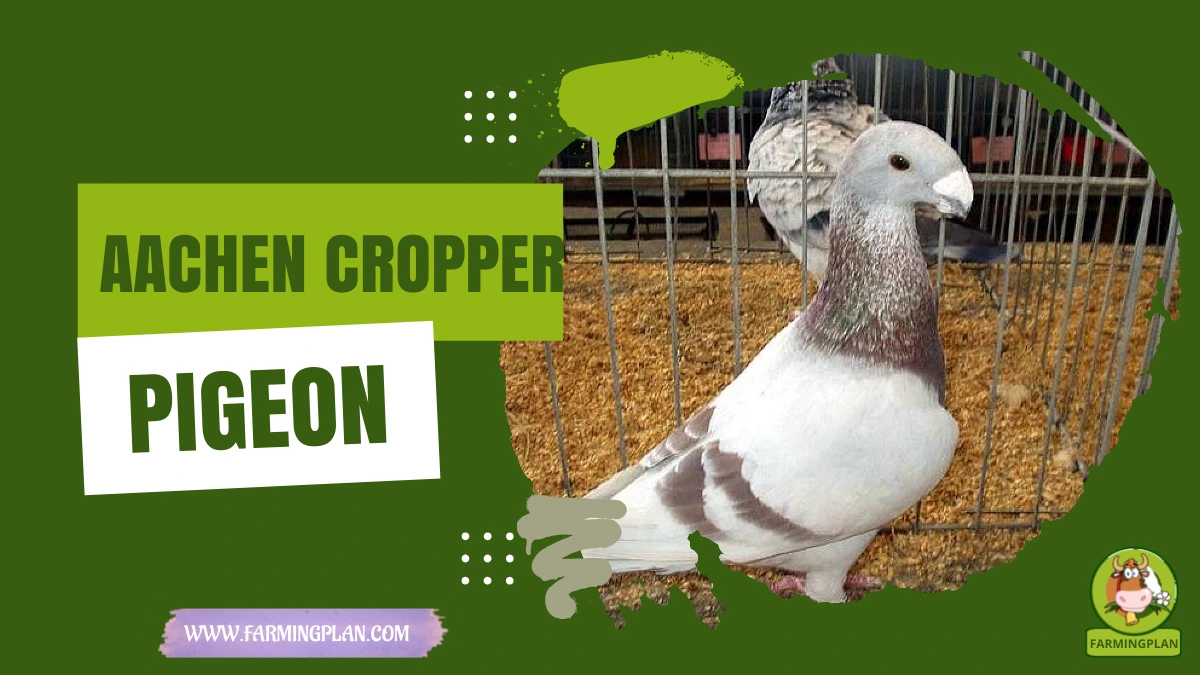
When you first observe an Aachen Cropper pigeon, its medium size and proud, erect body immediately grab your attention. The defining feature is its large globe crop, which the bird inflates with air during display to display dramatic posture. Sitting atop its head is a neat peak crest that adds a sharp, regal outline to its overall profile. The featherwork on these cropper pigeons is tight, smooth, and impressively dense from the neck down to the tail.
Color variations in this breed offer a breathtaking visual palette for any dedicated breeder. You will find birds boasting Ash Red, deep black, soft blue, Checker, and rare Almond shades across their smooth plumage. Many show birds feature shield marked patterns with distinct rosettes on their wings, framing a tapered triangular color layout on the back. The stark contrast between the bright white band across the chest and the rich body pigment creates a striking visual that turns heads at every pigeon show.
Read More: Ba Xuyen Pig: The Unsung Heroes Of Vietnamese Farming
Nature and Charming Breed Temperament of Aachen Cropper Pigeon
I often tell new poultry enthusiasts that cropper group birds have some of the most engaging personalities in the avian world. The Aachen Cropper pigeon is remarkably docile, curious, and eager to interact with its human keepers. Unlike wilder breeds that flutter wildly when you enter the coop, these birds greet you with a soft coo and a gentle inflate of their crop. Their calm demeanor makes them an absolute joy for beginners, family farms, and experienced exhibition handlers alike.
Their sociable nature means they thrive in friendly loft environments alongside other calm domestic pigeon breeds. They rarely display aggressive territorial behavior, preferring peaceful strutting and social displays on elevated perches. Because they bond so well with their handlers, training them for cage displays or show judging is surprisingly easy. I enjoy spending my afternoons sitting in the coop, watching their playful displays and confident steps as they move around the room.
Nutritional Guidelines and Daily Feeding Needs of Aachen Cropper Pigeon
Proper nutrition keeps your birds vibrant, active, and genetically resilient year after year. I feed my flock a balanced mix of heavy grains, including yellow corn, wheat, sorghum, field peas, and safflower seeds. During the spring breeding season, I boost their protein intake to support healthy egg production and rapid chick development. Avoid feeding spoiled grains, salty snacks, or bread, as these cause severe digestion problems and weaken crop muscle tone.
Fresh, clean water is just as vital as quality grain, especially for breeds that expand their crop frequently. I place automatic waterers elevated off the floor to prevent contamination from dust, droppings, and loose feathers. Fanciers must also provide a steady supply of mineral grit containing crushed oyster shell, charcoal, and trace minerals. This grit helps the gizzard crush tough seeds smoothly while supplying essential calcium for strong bone growth and firm eggshells.
Purpose and Exhibition Value of Aachen Cropper Pigeon
While some utility breeds serve commercial meat production, the Aachen Cropper pigeon thrives purely as a fancy pigeon and decorative show bird. Fanciers around the globe raise these decorative pigeons for display, heritage preservation, and competitive exhibition in elite poultry shows. Their striking posture and unique markings make them high-value entries in local and international show rings. Breeders spend years fine-tuning genetic lines to achieve perfect crop symmetry and spotless feather patterns.
Beyond the competitive show arena, these birds serve as fantastic educational models for geneticists, hobbyists, and young farmers. Studying their inheritance patterns for colors, crests, and crop shapes offers endless fascinated learning opportunities. Many homesteaders keep them simply for their ornamental beauty, enjoying the elegant flair they bring to backyard lofts. Their charming presence converts a standard farm enclosure into a living display of historical poultry artistry.
Special Features of Aachen Cropper Pigeon
What truly sets this breed apart from standard pouter pigeon varieties is its combination of a peak crest and a defined crop shape. Most pouter breeds sport smooth heads, but the Aachen bird wears a delicate feather point at the back of its crown. This crested triangular head structure creates an outline reminiscent of fine sculpture. Additionally, their chest bandkröpfer markings demand exact breeding precision, making a perfectly marked bird a true prized possession.
Another amazing feature is their unusual posture rhythm during courting displays. When performing, the bird lifts its body high, stretches its legs, and gently sways while keeping its globe crop fully inflated. The feather texture along the wings remains tight and glossy, resisting dirt and wear even during active display periods. This remarkable combination of genetic traits ensures that the breed stands out clearly in any list of pigeon breeds.
“Raising Magnificent Pigeons Brings Immense Joy And Boundless Energy To Your Daily Backyard Life.”
Health Issues and Preventive Care of Aachen Cropper Pigeon
Maintaining a healthy loft requires vigilance, cleanliness, and proactive care strategies. Cropper breeds can occasionally suffer from sour crop, a condition where trapped food or dirty water ferments inside the expanded organ. You might notice symptoms like a squishy, foul-smelling chest, lethargy, or loss of appetite in affected birds. Canker, respiratory infections, and external parasites like feather mites also pose threats if loft sanitation slips.
Preventing these health issues starts with maintaining a dry floor, excellent ventilation, and regular cleaning schedules. I treat drinking water with organic apple cider vinegar once a week to maintain proper digestive acidity and prevent fungal buildup. Clean perches daily and apply safe insect powders to dust bath areas to keep mites away. If a bird shows signs of illness, isolate it immediately in a quiet recovery cage to protect the rest of the flock.
Step-by-Step Pet Owner Care Guide of Aachen Cropper Pigeon
Raising these magnificent birds requires preparation, patience, and solid daily routines. Here is my complete, hands-on guide to building a thriving loft environment for your collection.
Step 1: Setting Up the Ideal Loft Environment
Building a safe, dry, and well-ventilated loft is the first step toward success with your birds. Design an enclosure that provides at least four square feet of space per bird to prevent overcrowding and reduce stress. Ensure the structure features solid roofs, secure mesh wire to keep predators out, and high perches for resting. I always install a deep bed of dry wood shavings or clean straw over a concrete or wooden base. Good air circulation is essential, but make sure cold drafts do not blow directly onto the roosting areas during winter nights.
Step 2: Installing Essential Loft Equipment and Perches
Equip your enclosure with sturdy perches, individual nesting boxes, and secure feeding stations before bringing your birds home. Box perches work best for croppers because they prevent birds from standing on top of one another and dirtying their feathers. Place grit hoppers and grain feeders off the ground to keep feed free from droppings and moisture. Install heavy, spill-proof water fountains that you can clean and sanitize easily every morning. Providing smooth wooden nest boxes with removable trays makes cleaning during breeding season fast and simple.
Step 3: Establishing a Daily Feeding and Watering Schedule
A strict daily routine keeps your flock healthy, happy, and calm in their environment. Offer high-quality grain mix twice daily, providing only what the birds can consume fully within twenty minutes. Refresh the water supply every morning, ensuring the basins remain clean and free from floating debris. Check grit hoppers weekly to ensure your birds always have access to essential minerals and digestive aid. Consistent feeding times build strong trust between you and your birds, making routine health checks effortless.
Step 4: Managing Breeding and Pair Bonding
When spring arrives, pair your best males and females in dedicated breeding cages to control genetic outcomes. Ensure both birds are fully mature, healthy, and showing strong physical traits before introducing them. Provide clean nesting materials like pine needles, short twigs, or coarse herbal stems in their nest bowls. Monitor the pair during courtship to ensure they bond peacefully without unnecessary aggression. Once eggs arrive, keep the loft quiet and stress-free while both parents take turns incubating the nest.
Step 5: Regular Cleaning and Health Maintenance
Maintaining immaculate hygiene practices prevents disease outbreaks and keeps feather quality at its highest level. Scrape manure off perches and nesting ledges every few days using a dedicated scraper tool. Replace soiled floor bedding weekly to ensure a dry floor that stops fungal spores and bacteria from multiplying. Disinfect the entire loft twice a year using bird-safe sanitizing solutions during mild weather. Perform monthly physical checks on every bird, examining their eyes, crop, feet, and plumage for early signs of trouble.
Read More: Airedale Terrier Puppies bring ultimate, loyal joy to your home
Expert Tips and Success Strategies for Aachen Cropper Pigeon
- Install box-style perches at varying heights to allow birds to stretch their legs without damaging long tail feathers.
- Add apple cider vinegar to drinking water once weekly to promote a healthy digestive environment inside the crop.
- Provide a shallow water pan twice a week so your birds can bathe and keep their feather texture clean and dust-free.
- Keep detailed breeding records in a notebook to track color traits, lineage performance, and egg hatch rates over time.
- Quarantine any newly purchased birds in a separate isolation cage for at least three weeks before introducing them to the main flock.
- Offer extra oil-rich seeds like sunflower hearts and safflower during autumn molting to help grow dense, shiny replacement feathers.
FAQs
What makes the Aachen Cropper pigeon unique among domestic pigeon breeds?
This unique bird combines an inflated globe crop with a delicate peak crest on its head. Its distinctive chest band markings and erect posture set it apart from other pouter breeds. Fanciers cherish this rare blend of physical elegance and calm personality.
How do I prevent sour crop in cropper pigeons?
Provide clean water, high-quality grains, and maintain a strict cleaning schedule for your feeding gear. Avoid feeding soft, wet, or spoiled foods that ferment quickly inside the warm crop. Adding digestive grit and periodic vinegar water treatments also keeps crop function healthy.
Are Aachen Cropper pigeons suitable for beginner bird keepers?
Yes, their gentle, friendly temperament makes them wonderful birds for beginners and families. They adapt quickly to quiet lofts and handle human interaction with ease. Simple feeding routines and basic shelter are all they need to thrive.
What diet supports optimal health for fancy display pigeons?
A balanced blend of field peas, corn, wheat, and oilseeds supplies all essential fats and proteins. Fanciers must supplement this grain diet with fresh mineral grit, oyster shell, and clean water daily. This nutrition plan supports strong feathers, solid eggshells, and excellent stamina.
How much space do these medium-sized pigeons require in a loft?
Each pair needs at least four to six square feet of floor space inside a dry loft. Providing high box perches allows them to rest comfortably without crowding each other. Adequate space prevents feather damage and keeps stress levels low across the flock.
Conclusion
Raising the Aachen Cropper pigeon brings endless delight, rich history, and stunning color to any poultry farm or backyard setup. From their historical roots in the Lower Rhine region to their commanding presence in modern show rings, these birds truly capture the spirit of avian beauty. Their gentle nature, distinct peak crest, and dramatic crop inflation make every day spent in the loft a rewarding adventure. By following simple feeding practices, keeping a dry floor, and providing secure perches, you can enjoy these majestic creatures for many years to come. I encourage you to connect with local bird clubs, share your experiences in the comments below, and start your own journey with this incredible German breed today!