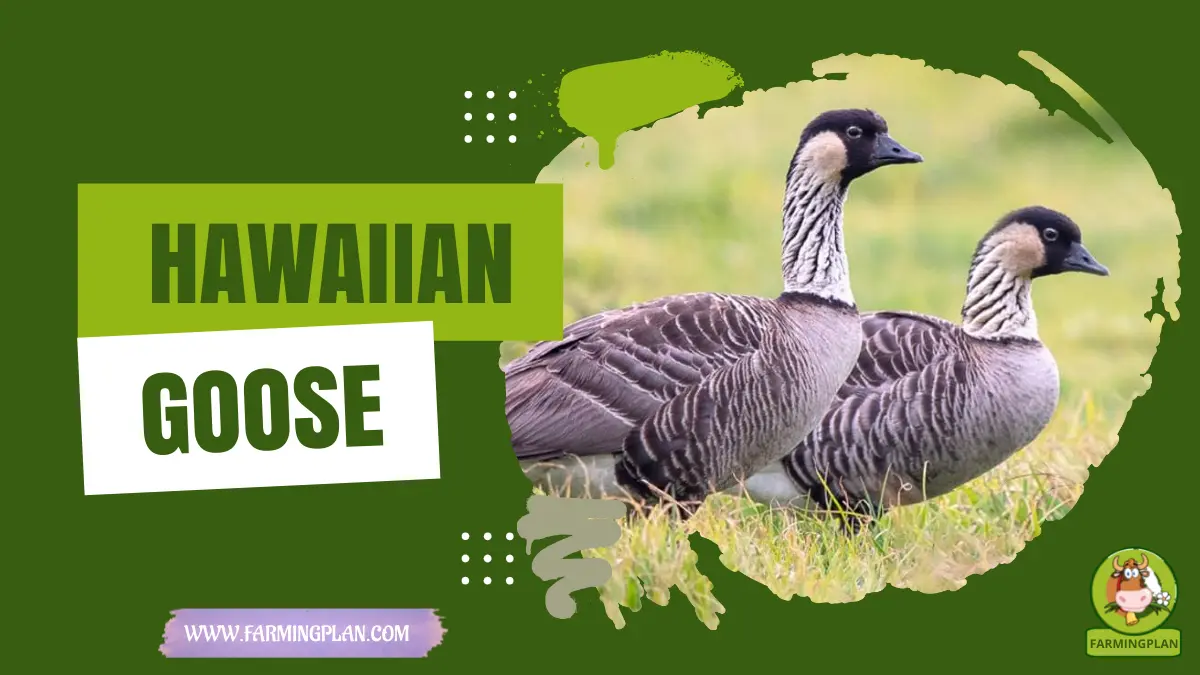
The Hawaiian Goose stands out as one of the most remarkable birds I have ever worked with during my career as a wildlife and farming specialist. Known locally as the Nēnē, or Branta sandvicensis, this fascinating bird evolved directly from ancient Canada geese that arrived on the Hawaiian Islands millions of years ago. Today, you can spot these iconic waterfowl roaming through native alpine grasslands, cinder deserts, and volcanic slopes on Maui, Kauai, and Hawai’i Island.
Years ago, habitat loss, egg collection, and introduced mammalian predators like feral cats almost wiped out the entire wild population. Through dedicated conservation actions, captive propagation program efforts, and strict federal protection, wildlife teams saved these beautiful creatures from the brink of total extinction. In this guide, I share my real-world experience, practical care guidelines, and conservation insights to help you understand every single detail about managing and protecting these extraordinary native birds.
History & Origin of Hawaiian Goose
My first hands-on research with the Hawaiian Goose took me deep into the rich evolutionary history of the Hawaiian Islands. Millions of years ago, ancestral Canada geese flew off course and landed on young volcanic lava fields. Over time, these birds adapted completely to their rocky environments, transforming into the distinct native species we recognize today. They reduced the webbing between their toes to navigate rough pāhoehoe lava flows easily. They also lost the absolute need for migratory flights, choosing instead to stay year-round near volcanoes like Haleakalā National Park and Hawai’i Volcanoes National Park.
Overcoming Extinction Through Dedicated Conservation
By the mid-twentieth century, human settlement, habitat fragmentation, and introduced predators reduced the wild population to fewer than thirty birds. Feral mammalian predators destroyed nesting sites across the islands, while agriculture cleared away native food-plants. Conservation pioneer Sir Peter Scott stepped in alongside WWT Slimbridge in London to start an ambitious captive propagation program. Through tireless breeding, careful incubation, and relocation programs led by the U.S. Fish and Wildlife Service (USFWS) and the DLNR Forestry & Wildlife team, specialists reintroduced captive-bred nēnē back into protected national parks. Today, these historical restoration efforts serve as a monumental victory for global bird conservation.
Read More: Basset Hound Dog Love: Incredible Caring Guide
Characteristics of Hawaiian Goose
When you observe a Hawaiian Goose up close, its unique physical adaptations immediately catch your eye. Unlike typical migratory waterfowl, this bird possesses strong, padded feet with reduced webbing that allow it to walk effortlessly across jagged cinder deserts and steep volcanic slopes. Its head features a striking black cap and cheek design, while the neck displays beautiful, deep furrows that reveal cream-colored feathering underneath. The main body plumage showcases rich brown and grey hues, providing excellent natural camouflage against dark volcanic habitat and montane shrubland.
Recognizing Size Variations Between Males And Females
In my daily handling routines, I always pay close attention to subtle physical variations between individual birds. Both males and females look very similar at a distance, but adult males generally weigh slightly more and display a more robust posture. An adult typically weighs between four and five and a half pounds, making them slightly smaller than standard Canada geese. Their wings remain strong, yet they prefer walking and running across open ground over long flights. Observing these physical traits helps keepers monitor overall flock health and identify healthy breeding candidates quickly.
Nature/Temperament of Hawaiian Goose
I love watching the calm, inquisitive nature of the Hawaiian Goose when it feels secure in its home territory. These birds build strong family bonds, remaining with a single mate for life during a extended breeding season. Unlike aggressive domestic geese, nēnē display a gentler disposition, though males defend their nesting area fiercely during incubation. They communicate through soft, two-syllable calls that sound remarkably like a gentle “nay-nay,” which explains their traditional Hawaiian name. Their calm social structure allows them to live peacefully in small flock groups across managed grassy areas.
Behavioral Traits Around Keepers And Tourists
Working alongside these birds reveals their natural curiosity toward human observers and farm specialists. In public sanctuaries and national parks, they frequently approach visitors without fear, which requires careful visitor management to prevent illegal feeding. When raised under proper federal protection program guidelines, they show great trust toward their primary caregivers. However, stress triggers can arise if invasive domestic waterfowl or feral pets enter their territory. Maintaining a peaceful, predictable routine keeps their stress levels low and supports healthy social interaction.
Food & Diet of Hawaiian Goose
Providing proper nutrition requires a clear understanding of what these birds eat in native alpine grasslands and montane shrubland habitats. The Hawaiian Goose feeds primarily as an herbivore, consuming fresh foliage, seeds, berries, and native grasses. In the wild, they forage constantly on native food-plants, picking tender green shoots off the ground with short, strong bills. They love eating alpine berries, which provide essential vitamins and antioxidants necessary for feather growth and long-term vitality.
Creating A Balanced Diets For Managed Flocks
In a managed care or conservation setting, you must replicate this natural herbivorous diet carefully. I supply my managed flock with high-quality pasture grass, fresh green vegetables, and balanced waterfowl pellets low in protein to prevent metabolic issues. You must avoid feeding bread, processed human snacks, or spoiled grain, as these items cause severe digestive problems and bone deformities. Always provide constant access to fresh, clean water in deep troughs so the birds can clean their nostrils and eyes continuously.
Usage/Purpose of Hawaiian Goose
The Hawaiian Goose serves as a vital cultural icon and a crucial indicator of healthy native ecosystems across Hawaii. Local communities honor the bird as a symbol of island resilience and traditional Hawaiian heritage. Thousands of eco-tourists travel to places like Kīlauea Point NWR and Haleakalā every single year just to catch a glimpse of this rare creature. Their presence boosts local eco-tourism while educating the public about the delicate balance required to protect island wildlife.
Conservation Value And Research Contributions
Beyond cultural appreciation, this species plays an indispensable role in scientific research and ecological restoration. Conservationists study their genetic information, flock movements, and population monitoring data through platforms like eBird and MERLIN. By restoring wild flocks to various islands, research teams regenerate native plant seeds through natural digestion and dispersal. Preserving this goose protects entire island food webs and inspires global endangered species management strategies.
Special Features of Hawaiian Goose
What makes the Hawaiian Goose truly extraordinary is its complete evolutionary commitment to terrestrial land life. While most geese spend the majority of their lives swimming in lakes or ponds, the nēnē spends almost all its time walking across terrestrial lava fields and grassy hills. Their specialized feet feature tough, leathery pads that resist heat and sharp rocks. This unique trait separates them from nearly all other living geese species on the planet.
Unique Vocalizations And Nesting Habits
Another special quality is their distinct vocal range and winter breeding cycle. Unlike Northern Hemisphere waterfowl that breed during warm spring months, this species starts its breeding season during the cooler winter period from October through March. Their soft, musical calls lack the harsh honking sound common to Canada geese. Furthermore, females build simple nests directly on lava fields or hidden under native shrubs, demonstrating an incredible ability to adapt to harsh volcanic terrain.
Health Issues & Prevention
Keeping a flock safe requires constant vigilance against aggressive pathogens and non-native predators. The Hawaiian Goose faces severe threats from Toxoplasmosis, a parasite spread through feral cat feces that pollutes soil and drinking water. Avian pox and bacterial infections also present serious risks if sanitation standards slip. In addition to disease, introduced mammalian predators like mongooses, feral cats, rats, and dogs threaten young goslings and destroy unguarded egg specimens continuously.
“Protecting Every Native Hawaiian Goose Restores The True Spirit Of Wild Island Beauty.”
Preventive Strategies And Care Protocols
I prevent health issues by enforcing strict biosecurity protocols and relentless predator control around living quarters. The list below outlines essential steps to safeguard your birds against disease and physical harm.
- Clean water troughs daily using safe disinfectant solutions to stop bacterial growth.
- Install robust predator-proof perimeter fencing to block feral cats and mongooses.
- Test soil and grass samples regularly to detect parasite contamination early.
- Schedule routine veterinary assessments to check body weight and feather condition.
- Maintain clean, dry nesting boxes during the active breeding season.
Step-by-Step Farming Guide/Pet Owner Care Guide
Setting Up An Exceptional Sanctuary Environment
Creating a thriving sanctuary for the Hawaiian Goose requires careful planning, dedicated space, and a deep understanding of their specialized natural needs. Before you acquire or manage these federally protected birds, you must secure proper permits from authorities like the U.S. Fish and Wildlife Service and local wildlife agencies. Designing a spacious outdoor enclosure that mimics their native volcanic habitat and grassy uplands remains the single most important key to success. You need to build a clean, secure, and stress-free environment that supports their daily grazing habits and complex social interactions year-round.
Step 1: Enclosure Construction And Ground Preparation
When constructing an enclosure, I ensure each adult bird receives at least two hundred square feet of open outdoor space. You must secure the perimeter with six-foot-high wire mesh fencing buried twelve inches into the ground to stop digging predators. Cover the ground with a mix of native grasses, fine gravel, and safe volcanic rock features that support natural foot wear. Ensure the area drains well to prevent muddy standing water, which harbors dangerous bacteria and fungi that harm bird health.
Step 2: Feeding Station Setup And Water Management
Setting up clean feeding and watering stations requires heavy-duty, weather-resistant equipment placed on raised concrete pads. I install automatic, low-pressure water troughs that allow birds to submerge their entire bills while keeping the surrounding ground completely dry. Place commercial waterfowl feed inside covered hoppers to protect pellets from rain, wild birds, and rodent contamination. Check water clarity twice daily, scrubbing the basins with stiff brushes to prevent toxic algae build-up and bacterial accumulation.
Step 3: Breeding Space Preparation And Nesting Boxes
Prepare specialized breeding zones well before the winter breeding season begins in late October. Position wooden nesting shelters or low brush hides in quiet corners of the enclosure, out of direct wind and heavy rain. Line the nest boxes with clean pine shavings, dry grass, and natural foliage to encourage natural nest-building behavior. Keep breeding pairs separated from large groups to minimize male aggression and protect delicate egg specimens during incubation.
Step 4: Daily Routine Care And Flock Monitoring
Your daily routine must include morning visual inspections, nutritional refills, and thorough sanitation checks across the entire habitat. I observe every bird closely for subtle signs of illness, such as drooped wings, limping, cloudy eyes, or reduced appetite. Collect any unhatched or abandoned egg specimens promptly to maintain enclosure hygiene and prevent predator attraction. Keep detailed logbooks tracking individual food intake, weights, and behavioral changes to ensure complete long-term flock welfare.
Read More: Chappar Goat: Master This Amazing Meat Breed
Expert Tips & Best Practices
Proven Strategies For Long-Term Success
Managing rare waterfowl requires constant learning and practical skill. Over the years, I have gathered several critical insights that improve bird health, boost breeding success, and simplify daily management tasks. Apply these simple, field-tested best practices to keep your flock healthy and active.
- Mow pasture grass short to encourage fresh, tender green growth that geese prefer.
- Rotate grazing paddocks regularly to break parasite lifecycles and preserve soil quality.
- Provide clean, shallow bathing pans to help birds maintain waterproof feather coats.
- Place natural lava rocks in enclosures to keep bird claws trimmed down naturally.
- Limit human handling to essential medical checks to prevent unnecessary bird stress.
- Keep detailed records of all clutch sizes, incubation period dates, and fledging rates.
- Install automated motion-sensor lights along fence lines to deter nocturnal predators.
FAQs
What is the Hawaiian goose crossword clue answer?
The most common answer for a Hawaiian goose crossword clue is “NENE” or “NENEE.” This four-letter or five-letter word appears frequently in daily crossword puzzles worldwide.
How do you pronounce the Hawaiian goose’s local name?
You pronounce the local Hawaiian name “Nēnē” as “nay-nay.” The word comes directly from the Hawaiian language and mimics the bird’s unique two-syllable vocal call.
What is the current Hawaiian goose population in the wild?
Thanks to intensive conservation programs, the wild Hawaiian goose population stands at over three thousand individual birds across the islands. Populations continue to grow on Kauai, Maui, and Hawaii Island under careful management.
What type of habitat does the Hawaiian goose prefer?
The Hawaiian goose prefers native alpine grasslands, shrublands, open lava fields, and managed grassy pasture areas. They adapt well to dry, high-elevation volcanic slopes where native plants grow abundantly.
Are Hawaiian geese protected under federal law?
Yes, the Hawaiian goose receives strong protection under federal and state laws, including the Endangered Species Act. Harassing, hunting, or keeping these birds without official federal permits carries severe legal penalties.
Conclusion
The Hawaiian Goose represents a monumental triumph of modern wildlife conservation and dedicated animal management. Through centuries of dramatic environmental shifts, habitat loss, and predator pressure, this resilient bird survived thanks to coordinated captive breeding and habitat restoration efforts. Today, maintaining healthy wild and managed flocks requires continuous ecosystem protection, strict predator control, and proper dietary care. By understanding their unique traits and respecting their specialized needs, we ensure that the iconic Nēnē continues to thrive across the Hawaiian Islands for generations to come. Join us in supporting local island conservation projects, spreading awareness about native wildlife, and leaving your thoughts or questions in the comments section below!