
As a veteran farming specialist, I love sharing my hands-on experience with extraordinary domestic goat breeds that truly transform small farms. The Chappar goat stands out as a tough meat production animal hailing straight from the arid landscapes of Sindh and Balochistan in Pakistan. If you want a hardy livestock option that thrives in harsh weather, this medium-sized animal offers amazing resilience, quick growth, and easy management for everyday farmers.
Throughout my years in animal science, I have watched dedicated breeders cross-breed various species to improve farm yields, but sticking to pure, adapted local breeds often delivers the best results. Whether you manage a large commercial herd or want to start a small backyard homestead, learning about this hardy domestic goat gives you a clear path to high-quality meat production without unnecessary stress or extreme maintenance costs. Let us explore everything you need to know about this fantastic animal.
History and Ancient Origin of Chappar Goat
I remember when I first studied the rich agricultural heritage of South Asia and learned how local communities developed specialized domestic goat breeds over centuries. The Chappar goat originated in the rugged hill tracts of the Sindh province and parts of Balochistan in Pakistan. Local pastoral communities relied on these animals for survival in regions where natural forage was extremely scarce and water was hard to find. Over generations, natural selection and selective breeding by nomadic herdsmen shaped a creature that could walk miles over steep, rocky terrain while maintaining excellent health and body mass.
Tracing The Ancient Footprints In Pakistan
Understanding this historical background helps modern farmers appreciate why these animals perform so well today in dry, hot climates. Unlike specialized European dairy goats such as the Belgian Fawn or Anglo-Nubian that require high-protein feed supplements and climate-controlled housing, this native meat animal built its DNA on sheer toughness. Historical trade routes across the region helped spread the breed to surrounding districts, making it a cornerstone of local rural economies. When you choose to raise this remarkable animal, you connect directly with a rich heritage of successful, traditional livestock husbandry.
Read More: Bluefaced Leicester Sheep Care: Expert Secrets Revealed
Characteristics of Chappar Goat
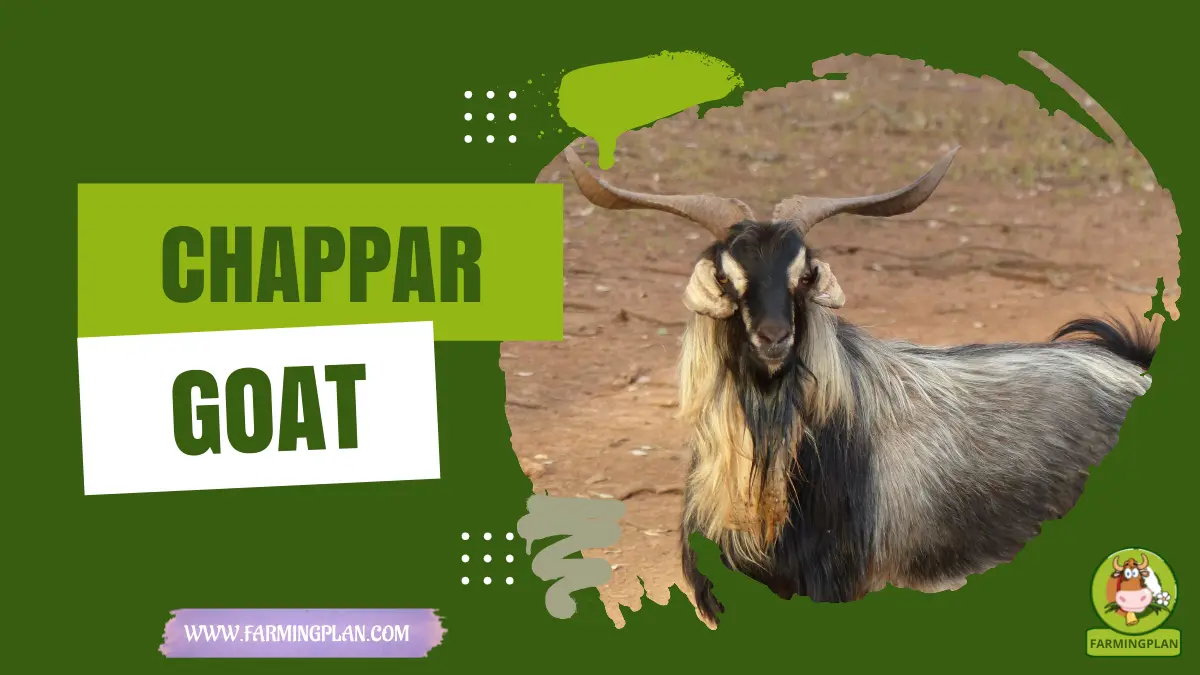
When you walk into a pasture, you can spot this breed almost immediately due to its striking physical features and uniform build. The typical Chappar goat features a dark coat—usually solid black or deep brown—with short, rough hair that helps reflect harsh sunlight and resist skin parasites. Their bodies are compact, muscular, and sturdy, designed specifically to carry significant weight while moving easily through rough pastures.
Their heads carry small-to-medium ears that hang slightly downward or point forward, unlike the long, floppy ears of the Damani or Barbari goat. Both bucks and does generally possess short, sharp horns that curve upward and slightly backward, giving them protection against natural predators. Adult males usually reach a healthy weight of around twenty-five to thirty kilograms, while females weigh slightly less, making them ideal for small-scale handling without specialized heavy machinery.
Nature, Behavior, and Temperament of Chappar Goat
Working with animals every day has taught me that temperament matters just as much as physical traits when running a calm, profitable farm. The Chappar goat displays an active, curious, and alert personality that makes daily interaction simple and rewarding. They display strong herd instincts, meaning they naturally stick together while grazing in open pastures rather than wandering off into danger.
These animals remain calm around human handlers if you treat them gently from an early age. Unlike energetic dancing goat varieties like the Nachi goat with its unique gait, or wild alpine species like the Altai Mountain and Anatolian Black goats, this breed focuses its energy on foraging and resting. Does exhibit fantastic maternal instincts, nursing their kids attentively and protecting them fiercely. Their mild temperament allows beginners, young family members, and experienced farmers alike to manage feeding routines and health checks without constant struggle or fear of aggressive behavior.
Food and Daily Diet of Chappar Goat
Proper nutrition forms the backbone of any successful livestock venture, and feeding your herd correctly ensures rapid growth and high-quality meat. The Chappar goat functions as a highly efficient browser and grazer, thriving on natural shrubs, dry grasses, tree leaves, and native weeds that other animals refuse to eat. However, providing a balanced daily ration significantly boosts their growth rates and overall health.
I always advise farmers to maintain a strict daily feed schedule and avoid sudden dietary changes that upset rumen digestion. Combine natural grazing with a supplement of grain mix containing corn, barley, and wheat bran during winter months or breeding seasons. Provide clean, fresh water at all times because dehydration drastically slows down weight gain and compromises immune health. Never feed moldy hay, wet spoiled grains, or toxic garden plants, as these lead to severe digestive issues or fatal blockages.
Purpose and Economic Usage of Chappar Goat
While some farmers keep animals for milk production or high-end show competition, the Chappar goat excels specifically as a top-tier meat producer. Their meat is lean, flavorful, and highly sought after in local and commercial butcher markets due to its tender texture and low fat content. Because these goats convert low-quality forage into high-protein muscle very efficiently, your cost per pound of meat produced stays exceptionally low compared to heavy exotic breeds like the Boer goat.
Unlocking High-Yield Commercial Value
Beyond meat production, small homesteaders benefit from their valuable manure, which acts as an incredible natural fertilizer for vegetable gardens and crop fields. Their tough hides also serve the leather manufacturing industry well, providing tough, high-quality leather goods. Investing in this dual-value animal helps you create multiple income streams from a single herd, stabilizing your farm revenue throughout changing agricultural seasons.
Special Features of Chappar Goat
What makes this animal truly special compared to popular global breeds like the Appenzell or American Cashmere goat is its unbelievable environmental tolerance. The Chappar goat thrives in extreme heat, surviving hot summer spells where temperatures climb past forty degrees Celsius without losing significant body condition or dropping milk for their kids.
Their hooves are dense and tough, making them naturally resistant to foot rot and injury when traversing rocky ground or gravel pathways. Additionally, their immune system handles internal parasite burdens remarkably well when given basic pasture rotation management. This inherent hardiness translates directly into lower veterinary bills, lower medication costs, and peace of mind for you as a busy farm manager.
“Raising Goats Requires Dedication, Love, And Practical Daily Knowledge For True Success.”
Health Issues, Common Diseases, and Prevention of Chappar Goat
Even the hardiest breeds encounter health challenges if herd sanitation and basic biosecurity measures fall short on the farm. The Chappar goat can occasionally suffer from respiratory infections, enterotoxemia (overeating disease), and internal worms if raised in crowded or damp environments. Recognizing early warning signs keeps small health issues from becoming farm-wide disasters.
Protecting Your Herd From Hazards
Watch your animals closely during daily feedings; a sick animal usually separates itself from the group, drops its head, loses appetite, or shows signs of diarrhea. Vaccinate your whole herd annually against major clostridial diseases and contagious caprine pleuropneumonia (CCPP). Keep pens dry, clean out manure regularly, and quarantine any new animals arriving on your farm for at least thirty days to stop contagious diseases before they start.
Step-by-Step Farming Guide for Success
Building A Profitable Caprine Business of Chappar Goat
Starting a goat farm requires structured planning, proper setup, and efficient daily management to achieve consistent profitability. By following a proven step-by-step roadmap tailored specifically to raising the Chappar goat, you eliminate guesswork and save valuable time and resources. Here is my complete, hands-on guide designed to help you set up and run a thriving, healthy herd from day one.
Step 1: Housing and Infrastructure Setup
Build a well-ventilated shelter that shields your animals from heavy rain, strong winds, and extreme sun while allowing fresh air flow. Provide at least fifteen square feet of covered space per adult goat, using dirt or elevated wooden slatted floors that dry quickly and allow easy manure cleanup. Install sturdy perimeter fencing at least four feet high using woven wire to keep your herd safely inside and predators like wild dogs outside.
Step 2: Selecting Quality Breeding Stock
Purchase your initial breeding stock from reputable local breeders who maintain clear health records and strong herd management. Select young, active does with broad hips, healthy udders, and shiny black coats, along with a deep-chested, energetic buck showing good muscle structure. Avoid purchasing animals with splay feet, sunken eyes, runny noses, or visible skin lesions at livestock auctions.
Step 3: Daily Feeding and Care Routine
Establish a predictable morning and evening routine to keep your animals calm and stress-free throughout their lives. Turn your herd out for natural grazing in the early morning after dew dries, and offer high-quality forage alongside clean drinking water inside their pens every afternoon. Clean feed troughs daily to prevent mold buildup and check water buckets constantly to maintain crisp freshness.
Step 4: Breeding Management and Kidding
Manage your breeding cycle by pairing your buck with healthy does during late autumn so kids arrive safely in warm spring conditions. Keep pregnant does in dedicated, clean kidding pens during their final weeks of pregnancy, feeding them slightly extra grain to support kid development. Assist with newborn care by cleaning mucus from nostrils, dipping umbilical cords in iodine solution, and ensuring kids nurse warm colostrum within two hours of birth.
Read More: Dermantsi Pied Pig: Starting a Successful
Expert Tips and Agricultural Best Practices
Pro Strategies For Livestock Efficiency
- Maintain detailed physical records for every animal, tracking birth dates, vaccination schedules, deworming dates, and weight growth over time.
- Rotate your grazing pastures every two to three weeks to break the lifecycle of internal parasites and let forage grasses recover fully.
- Trim hooves every eight to twelve weeks using sharp livestock shears to prevent foot rot, lameness, and joint pain.
- Provide clean mineral lick blocks containing essential trace minerals like copper, zinc, and selenium inside all housing pens.
- Cull chronically sick or unproductive animals systematically to continually improve the overall genetic strength of your herd.
- Keep emergency veterinary supplies—including antiseptic spray, bandaging materials, syringes, and rehydration salts—stocked on your farm at all times.
FAQs
What makes the Chappar goat unique compared to other meat breeds?
This breed stands out due to its incredible heat tolerance, compact muscular build, and ability to thrive on minimal vegetation. It converts tough, dry local forage into high-quality meat much faster than many exotic breeds.
How much feed does an adult Chappar goat consume daily?
An adult needs roughly two to three kilograms of fresh forage or hay per day, alongside clean water and small grain supplements. Adjust feed quantities based on pregnancy status, lactation needs, and daily grazing access.
Are Chappar goats suitable for beginner farmers?
Yes, their calm temperament, strong disease resistance, and minimal maintenance needs make them an exceptional choice for novice livestock owners. They adapt quickly to basic housing and simple daily routines.
How often should I deworm my Chappar goat herd?
Deworm your herd every three to six months based on local climate conditions and regular fecal egg tests performed by a veterinarian. Rotating pastures frequently helps reduce how often you need chemical dewormers.
What is the average lifespan of a Chappar goat?
With clean housing, balanced nutrition, and regular preventive healthcare, these animals live productively for ten to twelve years. Proper breeding practices keep them active and healthy throughout their entire life cycle.
Conclusion
Raising the remarkable Chappar goat offers smallholders and commercial farmers a reliable path to sustainable meat production and agricultural profitability. Throughout this guide, we explored its origin in Pakistan, unique physical features, easygoing temperament, simple nutritional needs, and step-by-step care strategies. By applying these practical farming methods, keeping pens clean, and managing health proactively, you ensure a prosperous future for your livestock enterprise. Start building your own resilient herd today—leave a comment below sharing your experiences, or pass this practical guide along to fellow farmers in your community!


