Attaouia Goat has become one of my favorite indigenous goat breeds because it represents the strength, adaptability, and heritage of Moroccan livestock farming. During my years working with goats and studying local breeds, I have always admired how this hardy animal survives difficult climates while providing valuable milk, meat, and income for farming families. The Attaouia goat belongs to the rich collection of indigenous goat breeds found in MOROCCO, especially in semi-arid regions where extensive livestock systems dominate.
This breed shares some characteristics with Syrian goats, Turkish Hair goat, Black Bedouin, and other Mediterranean dairy breeds, yet it has its own unique identity. In this guide, I will explain its history, body size, colors, horns, temperament, feeding, farming methods, disease control, and conservation status. Whether you are a breeder, hobby farmer, animal lover, or small-scale producer, this article will help you understand why the Attaouia goat remains an important part of North African agriculture.
History & Origin
The Attaouia goat developed in the western and central regions of Morocco, especially around ESSAOUIRA and neighboring semi-arid areas. Local nomadic pastoralists and rural families raised these goats for centuries. The breed evolved under harsh climates, drought conditions, and limited grazing resources.
The Ancient Roots Of Morocco’s Native Goat
I often tell farmers that local breeds survive because nature selects the strongest animals. The Attaouia goat adapted to poor grazing lands, browse access, and changing weather conditions. Unlike highly specialized dairy breeds such as Saanen or Alpine goats, the Attaouia goat developed through natural selection and traditional management.
Influence Of Mediterranean And Middle Eastern Goats
The history of goat migration across Asia, Africa, and the Mediterranean region influenced many North African breeds. Ancient trade routes brought Nubians, Damascus goat bloodlines, and other Middle Eastern goat breeds into North Africa. Some experts consider the Attaouia part of an ancient and influential line of Middle Eastern goat breeds. Genetic analysis suggests that several local populations exchanged genes over centuries. Breeds such as Rahali, Laghzalia, Benaddi, and Khalid may share historical connections with the Attaouia population.
Cultural Importance In Rural Morocco
The Attaouia goat became essential to pastoral resources and livestock systems. Farmers relied on goat milk, meat, goatskin, and fiber products. Women often produced cheese and dairy products from local milk supplies. The argan tree landscapes near ESSAOUIRA also influenced the breed. Goats frequently browse argan fruit and tree vegetation. These grazing behaviors became part of the local farming tradition.
Read More: American Angus Cattle Powerful Breed Guide
Characteristics
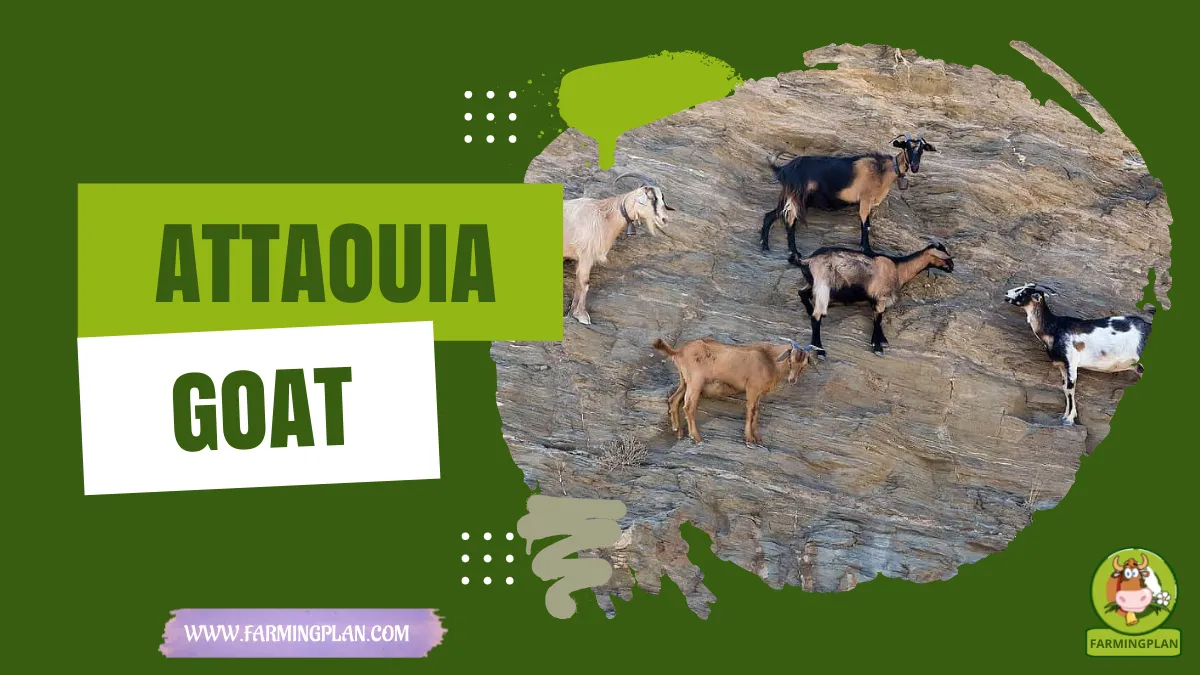
The Attaouia goat displays medium body size and strong physical structure. Most animals possess hollow horns, cloven hooves, and muscular bodies. Their coat colors vary widely, including black, brown, white, red, and mixed patterns. As a farming specialist, I prefer animals with strong legs and good walking ability because they perform better in extensive grazing systems. Attaouia goats show excellent mobility across rocky landscapes and rough terrain.
Horns, Coat Colors, And Body Structure
Both males and females may carry horns. Their horns curve backward or outward depending on genetics. The ears often remain medium-sized, although some individuals show longer ears similar to Nubians. Their coat texture may range from short hair to slightly coarse fiber. While they do not produce mohair cloth like Angora goats, their skin and hair still provide useful products.
Comparison With Other Goat Breeds
Attaouia goats differ from Anglo-Nubian, Alpina goats, Saanen, Nigerian dwarf goats, Murciano-Granadina, and Malagueña breeds. Swiss goats often excel in milk production, while Damascus goats produce larger body sizes. Compared with Turkish Hair goat and Anatolian Black goats, Attaouia goats demonstrate strong adaptation to Mediterranean climates. Their genetic diversity helps them survive drought and grazing pressure better than some imported dairy breeds.
Nature And Temperament
One reason I enjoy working with Attaouia goats is their balanced temperament. They remain alert but usually stay calm around experienced handlers. Their intelligence allows them to learn routines quickly. Young kids often become friendly if farmers handle them regularly. Adult goats maintain some independence because their ancestors lived under extensive production systems.
Social Herd Animals
Like sheep and other Caprinae members, these goats prefer group living. Isolation causes stress and may reduce feed intake. Farmers should always keep at least two animals together. The breed also works well alongside cattle and sheep in mixed livestock systems. Their grazing habits differ from cattle because goats prefer browsing shrubs and leaves.
Suitability For Farmers
I recommend this breed for small farmers who live in dry or semi-arid regions. The animals tolerate heat, long walking distances, and limited pasture conditions. Their adaptability makes them useful for beginners who want hardy goats rather than highly sensitive dairy breeds.
Food And Diet
Attaouia goats thrive on natural vegetation. They consume grasses, shrubs, leaves, milk thistle seed heads, and browse materials. Their herbivorous artiodactyl digestive system allows them to use rough vegetation effectively. The ruminant stomach contains several compartments that help digest fibrous plant materials. This ability gives them an advantage in poor grazing areas.
Daily Nutritional Requirements
I always advise farmers to provide:
- Fresh clean water
- Good quality hay
- Browse access
- Mineral supplements
- Salt blocks
- Seasonal pasture
- Small amounts of grains
Pregnant does and lactating animals require extra nutrition. Dairy goats need more energy and protein than dry animals.
Foods To Avoid
Never feed:
- Moldy hay
- Rotten vegetables
- Toxic plants
- Excess grain
- Spoiled silage
Poor feeding increases disease risk and lowers productivity.
Tip Quote: “Healthy Goats Begin With Healthy Pastures And Clean Water Every Single Day.”
Usage And Purpose
Many farmers primarily raise Attaouia goats for meat production. Their marketable kids grow steadily and provide valuable income. The meat remains popular in local markets because consumers appreciate its flavor and texture. Although not a specialized dairy breed like Saanen or Alpine goats, Attaouia does produce useful amounts of goat milk. Families use the milk for drinking, yogurt, and traditional cheese. Goat milk offers good digestibility and serves as an important food source in rural communities.
Conservation And Genetic Value
Today, conservation programs recognize the value of indigenous goat breeds. Climate change threatens many local populations worldwide. Organizations that support animal welfare and biodiversity encourage selective breeding and protection of genetic diversity. The Attaouia goat represents an important livestock resource for future generations.
Special Features
One feature that always impresses me about the Attaouia goat is its ability to survive difficult environmental conditions. Many imported dairy breeds struggle in semi-arid farming areas, but this Moroccan breed handles drought, heat, and poor grazing conditions remarkably well. The breed developed under extensive production systems where animals often travel long distances to find food and water.
Exceptional Adaptation To Harsh Climates
This natural selection created strong, hardy goats that can withstand seasonal shortages. Climate change continues to affect livestock production worldwide. Indigenous breeds like the Attaouia may become even more valuable because they already possess traits that help them survive hotter and drier environments.
Strong Genetic Diversity
Genetic diversity remains one of the greatest strengths of the Attaouia goat. Local populations often contain various coat colors, body types, and production abilities. I always encourage farmers to avoid excessive inbreeding because genetic variation improves disease resistance and adaptability. Selective breeding programs can improve productivity while protecting important breed characteristics. Conservation experts increasingly recognize the value of indigenous livestock resources. Similar concerns exist for other local breeds across Africa, Asia, and the Mediterranean region.
Excellent Browsing Ability
Unlike some dairy breeds that depend heavily on pasture grasses, Attaouia goats efficiently browse shrubs, leaves, bushes, and tree vegetation. Their ability to utilize different plants helps reduce grazing pressure on limited grasslands. In areas containing argan trees, shrubs, and native vegetation, these goats help farmers make use of natural resources that other livestock may ignore.
Valuable Cultural Heritage
The breed also represents the cultural history of Moroccan pastoral communities. Generations of nomadic pastoralists developed management practices that allowed these animals to thrive. Preserving local breeds protects agricultural traditions and supports sustainable livestock systems.
Health Issues & Prevention
Internal parasites cause some of the most common health problems in goats. Gastrointestinal parasites can reduce weight gain, lower milk production, and weaken the immune system.
Symptoms often include:
- Weight loss
- Diarrhea
- Poor coat condition
- Weakness
- Pale gums
- Reduced appetite
I recommend regular fecal testing and proper deworming programs. Rotational grazing also helps reduce parasite loads.
Respiratory And Digestive Diseases
Poor housing conditions increase the risk of respiratory disease. Damp barns and poor ventilation create ideal conditions for infections. Digestive problems may occur when goats suddenly change diets or consume spoiled feed. Bloat and rumen disturbances require immediate attention.
Farmers should always provide:
- Dry shelters
- Good ventilation
- Clean water
- Proper nutrition
- Gradual feed changes
Hoof Problems And Foot Rot
Wet conditions may cause hoof infections and foot rot. Regular hoof trimming helps prevent lameness and improves movement. I inspect goat feet every few weeks, especially during rainy seasons. Early treatment prevents serious problems.
Reproductive And Nutritional Disorders
Pregnant does require careful management. Mineral deficiencies may affect fertility, kid growth, and milk production. Vaccination programs, mineral supplements, and veterinary care significantly improve herd health.
Disease Prevention Strategies
Good disease control includes:
- Quarantine new animals.
- Maintain clean housing.
- Vaccinate regularly.
- Provide balanced nutrition.
- Control parasites.
- Reduce overcrowding.
- Observe animals daily.
Healthy management practices remain the most effective medicine.
Step-By-Step Farming Guide
When I help beginners start goat farming, I always explain that success comes from planning rather than luck. Attaouia goats may survive harsh conditions, but proper care greatly improves productivity. A successful farm combines housing, feeding, health care, breeding, and marketing. Farmers should understand local climate conditions, grazing resources, and market opportunities before purchasing animals.
Building A Successful Attaouia Goat Farm
Whether you keep five goats or fifty, following a step-by-step system reduces mistakes and improves animal welfare.
Step 1: Selecting Healthy Breeding Animals
I always begin by choosing healthy breeding stock. Look for active animals with bright eyes, good body condition, and strong legs.
Avoid goats showing:
- Coughing
- Diarrhea
- Lameness
- Poor appetite
- Nasal discharge
Young breeding females should come from productive mothers. Bucks should demonstrate good body structure and healthy reproductive organs. Purchasing animals from reputable breeders helps reduce disease risks.
Step 2: Preparing Proper Housing
Goats need clean and dry housing. Their shelter should protect them from rain, heat, and strong winds.
Important housing features include:
- Good ventilation
- Dry bedding
- Raised flooring if possible
- Easy cleaning access
- Separate kid areas
- Secure fencing
I avoid overcrowding because crowded barns increase disease problems and stress. Outdoor exercise areas also improve animal health.
Step 3: Establishing Feeding Programs
Proper feeding determines growth, milk production, and reproductive success.
Daily feeding should include:
- Grazing opportunities
- Hay or roughage
- Clean water
- Mineral supplements
- Limited concentrates
Pregnant does require additional nutrients during late pregnancy. Lactating goats need higher energy intake. Regular body condition scoring helps adjust feeding programs.
Step 4: Managing Breeding And Kidding
Breeding management directly affects farm profitability.
I recommend:
- Recording breeding dates.
- Monitoring pregnancy.
- Preparing kidding areas.
- Assisting only when necessary.
- Observing newborn kids closely.
Kids should receive colostrum shortly after birth. Early nutrition strengthens immunity and improves survival rates. Keeping accurate records helps improve future breeding decisions.
Step 5: Health Monitoring And Daily Care
Successful goat farming requires daily observation.
Every day I check:
- Appetite
- Water intake
- Walking ability
- Breathing
- Body condition
- Behavior
Early detection prevents small problems from becoming serious diseases. Regular veterinary visits, vaccination schedules, and parasite control programs support long-term herd health.
“Great Goats Thrive Where Smart Farmers Respect Nature, Climate, And Traditional Knowledge.”
Expert Tips & Best Practices
Professional Advice From My Experience
- Choose locally adapted breeding stock.
- Keep detailed farm records.
- Rotate grazing areas regularly.
- Provide fresh water every day.
- Avoid sudden feed changes.
- Isolate sick animals immediately.
- Trim hooves regularly.
- Use selective breeding programs.
- Protect genetic diversity.
- Monitor body condition monthly.
- Vaccinate according to local recommendations.
- Reduce stress during transportation.
- Provide shade during hot weather.
- Work with local veterinarians.
- Prioritize animal welfare.
I have learned that small improvements every day create large improvements over time.
Read More: Alur Cattle Powerful African Heritage Breed
FAQs
What are Attaouia goat characteristics?
Attaouia goats have medium body size, strong legs, variable coat colors, and excellent adaptation to semi-arid climates. They possess good browsing ability and strong disease resistance.
Is the Attaouia goat a dairy breed?
The breed produces useful amounts of milk, but it does not match specialized dairy goats such as Saanen or Alpine breeds. Farmers mainly value it for both meat and milk production.
Where does the Attaouia goat originate?
The breed originates from Morocco, especially regions with semi-arid climates and traditional grazing systems. Rural communities have raised these goats for centuries.
Are Attaouia goats endangered?
Some indigenous goat populations face pressure from crossbreeding and changing farming systems. Conservation efforts help protect their valuable genetic diversity.
Can beginners raise Attaouia goats?
Yes. Their hardiness, adaptability, and moderate management requirements make them suitable for small farmers and beginners, especially in dry climates.
Conclusion
The Attaouia goat stands as one of Morocco’s most valuable indigenous livestock breeds. Its ability to survive drought, utilize poor grazing areas, produce meat and milk, and maintain strong genetic diversity makes it highly important for modern farming. Throughout my experience as a farming specialist, I have seen how local breeds often outperform imported animals under difficult conditions. By practicing good nutrition, disease control, selective breeding, and responsible management, farmers can successfully raise healthy and productive herds. Protecting this remarkable breed also helps preserve cultural traditions, biodiversity, and sustainable agriculture for future generations. If you found this guide helpful, share it with fellow farmers, leave your questions in the comments, and help spread awareness about the remarkable Attaouia goat.