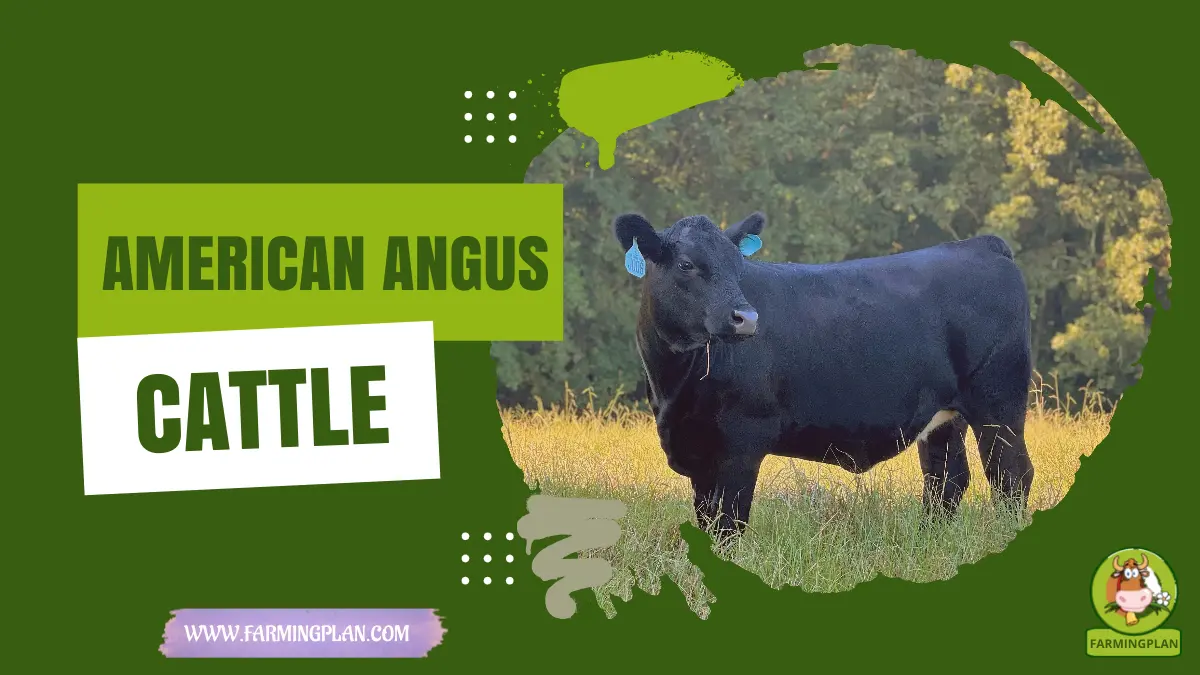
American Angus Cattle have earned their reputation as one of the most valuable beef breeds in the world. During my years working with beef cattle, I have found that these animals combine excellent fertility, strong maternal traits, outstanding carcass quality, and reliable performance. The breed developed from the Scottish Aberdeen Angus breed and became one of the most important beef cattle breeds in the United States.
Ranchers value their polled heads, black coats, feed efficiency, calving ease, and high-quality marbling. Whether I manage commercial cow herds, crossbreeding systems, or purebred breeding programs, these cattle consistently deliver strong results. In this guide, I share my practical experience with American Angus, including breed history, feeding, health care, genetics, management practices, and farming strategies that help family farmers and cattle producers succeed.
History & Origin of American Angus Cattle
The history of Angus cattle begins in Aberdeenshire, Scotland. The Scottish Aberdeen Angus breed developed in northeastern Scotland during the eighteenth and nineteenth centuries. Early breeders selected naturally polled cattle with excellent beef quality and strong hardiness. Two important names shaped the breed history. Share your experiences, leave your questions, and help other American Angus Cattle producers learn more about this remarkable breed.
Hugh Watson worked to establish consistent black cattle lines, while William McCombie improved breeding practices and promoted the cattle throughout Britain. Their work helped create the foundation for modern Angus genetics. The Aberdeen-Angus Breeders’ Association later organized breed records and established standards that helped preserve the breed’s quality.
Arrival In The United States
George Grant brought Angus cattle to the United States in 1873. He imported several bulls from Scotland to Kansas. Many ranchers first crossed these animals with Texas Longhorn cattle. The cross produced calves with excellent beef quality and naturally polled heads. Ranchers quickly recognized the value of these genetics. The American Aberdeen-Angus Breeders’ Association formed in 1883 to register animals and maintain breed records. This organization eventually became the American Angus Association, which remains one of the largest cattle breed associations in the world.
Growth Of The Breed Industry
The Chicago International Live Stock Exposition helped promote Angus cattle during the early twentieth century. The breed gained popularity because of superior carcass quality and excellent growth. As the beef industry expanded, Angus cattle became leaders in genetic improvement, performance testing, and performance data collection. Modern technologies such as DNA technology, genomic-enhanced progeny differences, and Angus EPDs continue to improve the breed.
Read More: Alur Cattle Powerful African Heritage Breed
Characteristics of American Angus Cattle
Most American Angus cattle display solid black coats. Their naturally polled genetics eliminate horns, making management safer and easier. Some bloodlines produce Red Angus cattle. The Red Angus breed maintains many of the same traits while displaying a red coat color. The Red Angus Association of America supports these bloodlines.
These cattle possess:
- Naturally polled heads
- Medium frame size
- Deep body structure
- Strong legs and feet
- Wide ribeye area
- Thick muscling
- Excellent body condition
Growth And Performance Traits
One reason I prefer Angus cattle is their impressive growth performance. Calves usually show strong weaning weights and efficient feed conversion.
Many breeders collect data involving:
- Hot carcass weight
- Ribeye area
- Carcass grade
- Feed efficiency
- Fertility rates
- Maternal design traits
- Calving ease
The breed also demonstrates excellent longevity. Cows often remain productive for many years.
Genetic Improvement Programs
The American Angus Association uses advanced performance testing and DNA sample storage policies to improve breed quality.
Genomic-enhanced progeny differences help producers evaluate:
- Birth weight
- Weaning weight
- Yearling weight
- Milk production
- Fertility
- Carcass quality
- Genetic resiliency
These scientific principles help ranchers make better breeding decisions.
Nature And Temperament of American Angus Cattle
American Angus cattle usually display calm and manageable personalities. I have worked with many breeds, and Angus animals often remain easier to handle than more nervous cattle.
Their calm temperament benefits:
- Family farmers
- Small ranch operations
- Commercial feedlots
- Junior livestock programs
- Show cattle exhibitors
Good handling practices further improve behavior.
Maternal Traits And Cow Behavior
Angus cows show excellent maternal traits. They protect calves while still allowing producers to manage the herd safely.
Their maternal strengths include:
- Strong mothering instincts
- Good milk production
- High fertility rates
- Easy calving
- Strong calf survival
These characteristics make them valuable for cow-calf operations.
Suitability For Crossbreeding
Many producers use Angus bulls in crossbreeding systems. Black Baldy cattle, produced by crossing Angus and Hereford cattle, often demonstrate hybrid vigor.
Crossbreeding can improve:
- Fertility
- Longevity
- Feed efficiency
- Calf performance
- Disease resistance
Food & Diet of American Angus Cattle
Good nutrition starts with quality forage. I prefer rotational grazing systems that allow cattle to consume fresh pasture while protecting grass health.
Common forage sources include:
- Bermudagrass
- Fescue
- Alfalfa
- Clover
- Native grasses
- Hay
Body condition scoring helps determine whether cows receive enough energy.
Grain And Supplement Programs
Growing calves and feedlot cattle often require grain supplementation. Balanced rations support rapid growth and improve carcass quality.
Common feed ingredients include:
- Corn
- Soybean meal
- Distillers grains
- Mineral supplements
- Salt blocks
- Protein supplements
Clean water remains essential every day.
Feeding Mistakes To Avoid
I avoid several common feeding errors:
- Overfeeding grain
- Poor-quality hay
- Inadequate minerals
- Dirty water sources
- Sudden diet changes
Fescue toxicosis can affect cattle grazing infected fescue. Producers should monitor grazing conditions and work with nutrition specialists when necessary.
Usage And Purpose of American Angus Cattle
American Angus cattle dominate modern beef production. Their excellent marbling and carcass quality create strong market demand. Certified Angus Beef programs reward producers who raise cattle meeting strict quality standards.
Consumers enjoy:
- Superior flavor
- Tender cuts of beef
- Consistent quality
- Excellent marbling
Commercial Ranch Operations
Commercial producers value Angus cattle because they offer:
- Calving ease
- Fertility
- Growth performance
- Market premiums
- Feed efficiency
Retained ownership programs allow producers to earn additional profits from superior carcass data.
Show And Youth Programs
The National Junior Angus Show helps young producers learn leadership and cattle management skills.
Junior exhibitors gain experience in:
- Animal selection
- Herd management
- Record keeping
- Breeding decisions
- Livestock competitions
Special Features of American Angus Cattle
American Angus cattle produce some of the best marbling in the beef industry. This trait improves tenderness and flavor. Certified Angus Beef chefs often prefer Angus beef because it consistently meets high quality standards.
Strong Genetic Programs
The breed leads the industry in:
- Angus Herd Improvement Records
- EPDs
- DNA technology
- Performance testing
- Genomic evaluation
Organizations such as ABS Global and ORIgen Inc. help distribute elite genetics worldwide.
Adaptability And Resilience
Angus cattle adapt to:
- High Plains environments
- Kansas Prairie conditions
- Cold northern climates
- Southern heat
- Various grazing systems
Their genetic resiliency helps producers manage market challenges and industry shifts.
Tip: “The best Angus herd starts with great cows, careful records, and patience. Genetics work slowly, but the rewards last for generations.”
Health Issues & Prevention of American Angus Cattle
During my years raising beef cattle, I have learned that prevention always costs less than treatment. American Angus cattle generally stay healthy and hardy, but several health problems can still affect a herd.
Some of the most common health concerns include:
- Bovine respiratory disease
- Pinkeye
- Foot rot
- Parasites
- Bloat
- Reproductive disorders
- Fescue toxicosis
- Cancer eye
- Calving complications
Cancer eye receives special attention in some Angus bloodlines. Excessive sunlight exposure and genetic factors may increase the risk. Early detection greatly improves treatment success. Young calves can develop respiratory disease during stressful events such as weaning, transportation, or severe weather changes. Proper ventilation and vaccination help reduce these risks.
Parasite Control And Prevention
Internal and external parasites reduce growth and lower feed efficiency. I maintain a yearly parasite control program that includes:
- Deworming schedules
- Pasture rotation
- Manure management
- Fly control systems
- Clean water supplies
Rotational grazing helps break parasite cycles naturally. Healthy pasture management reduces exposure to harmful organisms.
Vaccination And Herd Health Programs
Every Angus operation should maintain a vaccination program. I always work with a veterinarian to create a schedule based on local conditions.
Common vaccines may protect against:
- IBR
- BVD
- Leptospirosis
- Clostridial diseases
- Respiratory infections
Body condition scoring also helps identify health problems before they become serious. Thin cows, poor fertility, and reduced calf crops often signal nutritional or health concerns. Good records, proper biosecurity, and regular veterinary examinations protect the cow herd and improve long-term profitability.
Read More: Danish Duck Delightful Christmas Tradition
Step-By-Step Farming Guide For American Angus Cattle
When I started raising Angus cattle, I quickly learned that success comes from careful planning rather than luck. American Angus cattle reward producers who pay attention to genetics, nutrition, management, and daily observation. A profitable ranch operation requires more than buying good cattle. Producers must understand breeding decisions, pasture management, feed programs, health care, and marketing strategies. Whether you manage ten cows or several hundred head, these steps can help build a successful Angus herd. I use many of these methods on my own farms and ranch visits.
Building A Successful Angus Operation
Good planning improves:
- Fertility rates
- Calving ease
- Feed efficiency
- Carcass quality
- Market premiums
- Herd longevity
The following steps provide a practical guide that beginners and experienced ranchers can follow.
Step 1: Select Quality Genetics
The foundation of every successful herd begins with genetics. I always purchase cattle from reputable breeders who provide performance data and EPD information.
Important traits include:
- Calving ease
- Weaning weights
- Maternal traits
- Fertility
- Ribeye area
- Carcass quality
- Feed efficiency
Many breeders use genomic-enhanced progeny differences to predict future performance. Buying bargain cattle often creates expensive problems later. Quality genetics save money and improve herd performance for many years. I also review pedigree information and herd records before purchasing breeding animals.
Step 2: Prepare Proper Facilities
Safe facilities reduce stress and injuries. I recommend:
- Strong fencing
- Working pens
- Handling alleys
- Loading chutes
- Shelter areas
- Water systems
Polled cattle still require proper handling equipment. Calm cattle become easier to manage when facilities support smooth animal movement.
Pastures should contain:
- Quality forage
- Shade
- Clean water
- Mineral stations
Good facilities improve safety for both cattle and workers.
Step 3: Develop Grazing Programs
Rotational grazing remains one of my favorite management tools.
By moving cattle between paddocks, producers can:
- Improve pasture growth
- Reduce parasite pressure
- Increase forage production
- Protect soil health
Healthy pastures support better cow condition and stronger calf performance. I monitor pasture height and avoid overgrazing. Rest periods allow grasses to recover and maintain productivity. Supplemental hay becomes necessary during winter or drought conditions.
Step 4: Establish Breeding Programs
Bull selection greatly influences herd quality. I carefully examine:
- EPDs
- Fertility
- Structural soundness
- Temperament
- Birth weight
- Growth traits
Artificial insemination can introduce elite genetics into commercial herds. Breeding seasons help maintain uniform calf crops. Controlled calving dates simplify management and improve marketing opportunities. Many producers also use crossbreeding systems to capture hybrid vigor.
Step 5: Manage Calving Season
Calving season requires close observation.
I prepare:
- Clean calving areas
- Emergency supplies
- Identification tags
- Record books
Angus cattle usually demonstrate excellent calving ease, but difficult births occasionally occur.
Newborn calves should:
- Nurse quickly
- Receive colostrum
- Stand within several hours
Early calf care improves survival rates and future performance.
Step 6: Monitor Growth And Performance
Performance testing helps identify productive animals.
I track:
- Birth weights
- Weaning weights
- Yearling weights
- Average daily gain
- Fertility records
Modern software systems such as cattle management programs help organize information. Accurate records improve breeding decisions and increase herd profitability.
Step 7: Market Finished Cattle
Marketing decisions affect profitability.
Options include:
- Auction markets
- Direct sales
- Feedlot partnerships
- Retained ownership
- Certified Angus Beef programs
Market volatility affects prices, so producers should monitor industry trends and carcass data. Premiums often reward cattle with superior marbling and carcass grades. Strong genetics combined with good management usually produce better marketing opportunities.
“Great Angus cattle don’t happen by chance. They grow through good genetics, careful management, and a rancher’s daily commitment.”
Expert Tips & Best Practices From My Experience
Focus On Cow Quality
Great herds begin with great cows. I select females that demonstrate:
- Fertility
- Good udders
- Sound feet
- Calm behavior
- Strong maternal traits
Replacing poor-performing cows improves herd quality.
Keep Detailed Records
I record:
- Breeding dates
- Calving dates
- Health treatments
- Weaning weights
- Pregnancy results
Good records support better decisions.
Use EPDs Wisely
Angus EPDs provide valuable information. I compare several traits instead of focusing on a single number. Balanced cattle often outperform extreme animals.
Protect Herd Health
Preventive care always costs less than treatment.
Maintain:
- Vaccination schedules
- Parasite control
- Nutrition programs
- Clean facilities
Manage Body Condition
Body condition scoring helps maintain fertility and calving success. Thin cows often experience lower pregnancy rates.
Adapt To Market Changes
The beef industry constantly changes. Market challenges and industry shifts require flexibility. Producers who monitor consumer demand often earn higher profits.
Continue Learning
I attend:
- Field days
- Breed meetings
- Educational programs
- Producer conferences
Learning never stops in the cattle industry.
FAQs
What makes American Angus cattle special?
American Angus cattle are famous for excellent marbling, high carcass quality, fertility, and calving ease. Their naturally polled heads and strong maternal traits make them popular among ranchers.
What is the difference between Black Angus and Red Angus?
Black Angus cattle have black coats, while Red Angus cattle display red coloring. Both share many genetic qualities, including fertility, feed efficiency, and beef production ability.
Are Angus cattle good for beginners?
Yes. Their calm temperament, easy calving, and strong maternal instincts make them suitable for many beginner cattle producers.
Why is Certified Angus Beef popular?
Certified Angus Beef® offers superior marbling, tenderness, and flavor. Consumers often pay premium prices for these high-quality beef products.
How long do Angus cows remain productive?
Many Angus cows stay productive for ten to fifteen years when producers provide good nutrition, health care, and proper management.
Conclusion
American Angus Cattle continue to dominate the beef industry because they combine excellent genetics, superior carcass quality, strong maternal traits, fertility, and dependable performance. Throughout my farming experience, I have seen these cattle succeed in small family farms, large ranch operations, feedlots, and crossbreeding systems. Their calving ease, feed efficiency, longevity, and market premiums make them one of the most profitable beef breeds available today. By focusing on good genetics, proper nutrition, health management, and careful record keeping, producers can build productive herds that perform for many years. Whether you are a beginner or an experienced rancher, Angus cattle offer tremendous opportunities. Share your experiences, leave your questions, and help other cattle producers learn more about this remarkable breed.