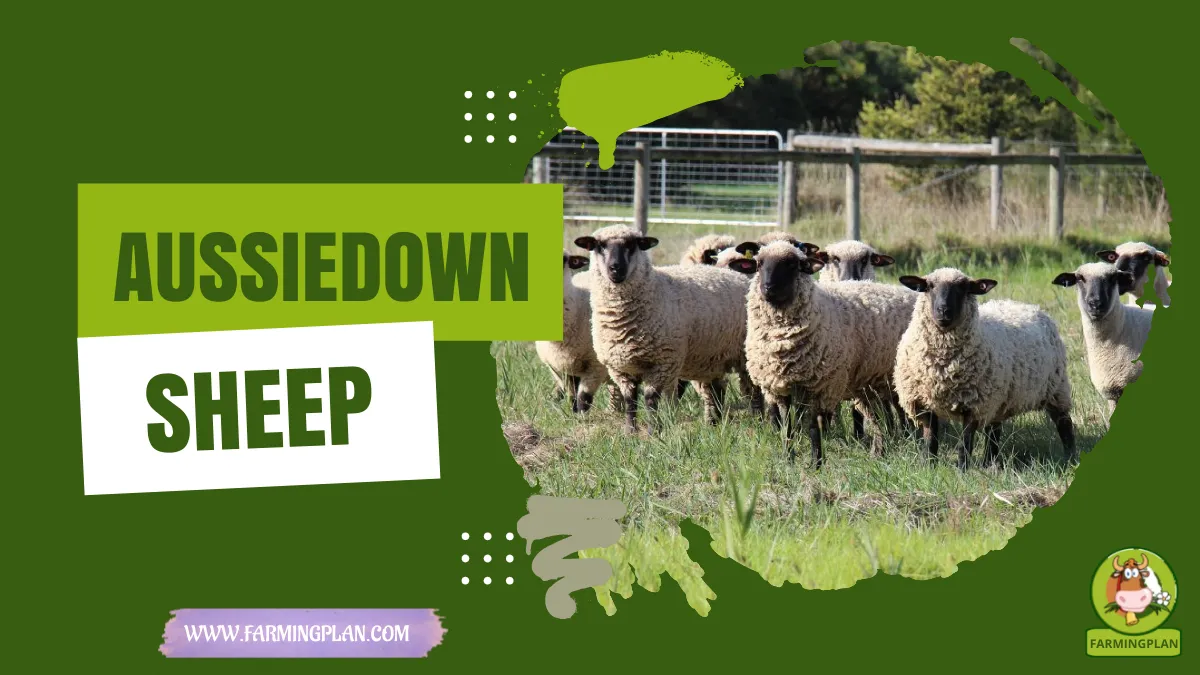
Aussiedown Sheep are one of Australia’s most respected meat sheep breeds. I have worked with several meat sheep breeds over the years, and this breed continues to impress me because of its rapid growth, excellent carcass quality, strong adaptability, and reliable prime lamb production. The breed combines the strengths of the Australian Southdown and European Texel, creating a sheep that performs exceptionally well in many farming conditions. Farmers across Australia, including Victoria and New South Wales, value these sheep for their productivity, fertility rates, and ability to produce premium lambs. As wool prices fluctuate, many producers appreciate breeds that focus on meat production while still producing useful fleece.
History & Origin
The development of Aussiedown Sheep started in Australia when breeders sought a superior meat-producing animal capable of meeting the growing demand for high-quality prime lamb. Australian producers wanted a breed that combined excellent carcass conformation, rapid growth, and strong adaptability across different climates. In this guide, I will share my practical experience with breed development, breeding, feeding, management, health care, and farming strategies to help breeders, hobby farmers, and livestock producers better understand this outstanding Australian breed.
Breeders crossed the Australian Southdown with the European Texel, creating a sheep that inherited valuable characteristics from both parent breeds. The Southdown contributed excellent meat quality, early maturation, and strong maternal abilities. The Texel added superior muscling, lean meat yield, rapid growth, and exceptional carcass conformation.
Recognition Within the Australian Sheep Industry
As breeding projects expanded, farmers began noticing consistent improvements in lamb survival, carcass quality, and feed utilisation. These advantages attracted commercial producers seeking efficient prime lamb production systems.
The Australian Stud Sheep Breeders Association Ltd. played an important role in documenting and promoting many Australian sheep breeds. Through selective breeding, breeders improved fertility rates, lambing percentages, carcass characteristics, and overall productivity. Today, Aussiedown Sheep contribute significantly to the Australian lamb industry.
Expansion Beyond Australia
Interest in Australian meat sheep genetics has expanded internationally. Breeding stock, embryos, semen collection programs, and livestock export initiatives have introduced Australian sheep genetics to other countries in Asia and beyond. As demand for quality lamb grows globally, breeds like Aussiedown continue attracting attention from producers who want consistent performance and premium meat characteristics.
Read More: Beige Rabbit Amazing Beauty and Gentle Charm
Characteristics of Aussiedown Sheep
One of the first things I notice when observing Aussiedown Sheep is their well-muscled body. They possess a broad back, deep chest, strong loin, and excellent carcass conformation. These traits make them highly desirable for meat production. Their muscular structure helps produce premium carcasses with strong lean meat yield. Many processors and end consumers appreciate the quality and taste of lamb produced from this breed.
Appearance and Wool Characteristics
Most animals display a clean white appearance. Their wool color remains predominantly white, while skin color generally appears pink beneath the fleece. Face color usually ranges from white to cream, creating a clean and attractive look. The fleece contains down-type wool with good crimping and respectable staple length. Although breeders primarily select these sheep for meat production, their wool characteristics still provide value. Fibre diameter and fleece weight vary depending on breeding goals and environmental conditions.
Size and Growth Performance
Aussiedown Sheep typically mature into medium-to-large animals. Lambs grow rapidly and reach market weights efficiently. Early maturation allows producers to market lambs sooner, improving overall farm profitability. Crossbreeding programs often benefit from hybrid vigor, producing lambs with excellent growth rates, strong survival rates, and superior carcass quality.
Nature & Temperament
In my experience, Aussiedown Sheep have a calm and manageable character. They usually remain alert without becoming overly nervous. This balance makes routine management tasks easier for farmers. When handled regularly, they adapt well to human interaction. Their cooperative nature simplifies health checks, weighing, breeding management, and transportation.
Suitable for Various Farming Systems
These sheep fit well into both small farms and large commercial operations. Their adaptability allows them to thrive under many farming conditions, including temperate climates and mixed livestock systems. I have observed that they perform well in free-moving grazing systems where they can efficiently convert pasture into growth. Their adaptability helps farmers manage changing environmental conditions more effectively.
Maternal Abilities and Lambing Success
Ewes often demonstrate strong maternal abilities. Good mothering behavior contributes to improved lamb survival and better lambing success rates. High fertility rates and favorable lambing percentages make this breed attractive for commercial lamb producers. Careful breeding management can further enhance reproductive performance across generations.
Food & Diet
Proper nutrition forms the foundation of successful sheep farming. I always begin with high-quality pasture because grazing remains the most economical feeding strategy. Aussiedown Sheep benefit from diverse pasture containing grasses, legumes, and forage plants. Fresh pasture supports healthy growth, reproductive performance, and meat production.
Essential Nutrients for Productivity
Protein supports muscle development and rapid growth. Energy sources help maintain body condition and support lamb production. Minerals such as calcium, phosphorus, selenium, and zinc contribute to healthy development. Pregnant and lactating ewes require additional nutritional support. Growing lambs also need carefully balanced diets to maximize productivity and carcass quality.
Feeding Dos and Don’ts
Do:
- Provide clean drinking water daily.
- Rotate grazing paddocks.
- Offer mineral supplements when necessary.
- Monitor body condition regularly.
- Adjust feed during drought conditions.
Don’t:
- Allow sudden dietary changes.
- Feed moldy hay.
- Overfeed grain.
- Ignore parasite burdens.
- Leave animals without access to fresh water.
Proper feeding improves feed utilisation, fertility rates, lamb survival, and overall farm profitability.
Usage & Purpose
The primary purpose of Aussiedown Sheep is prime lamb production. Their combination of rapid growth, early maturation, and excellent carcass quality makes them valuable within the sheep industry. Many farmers describe premium lamb from quality genetics as the “Wagyu of the lamb industry” because consumers increasingly seek superior taste and tenderness.
Commercial Meat Production
Processors favor lambs with consistent carcass conformation and lean meat yield. Aussiedown Sheep often meet these market demands effectively. Commercial producers appreciate their ability to efficiently convert feed into muscle. This efficiency improves productivity and helps maintain profitability during changing market conditions.
Crossbreeding Programs
Many breeders use Aussiedown rams in crossing systems involving breeds such as:
- Texel
- Suffolk
- White Suffolk
- Poll Dorset
- SAMM (South African Meat Merino)
- Australian White Sheep
- Corriedale sheep
- Polwarth
Crossbreeding often improves growth rates, carcass quality, and hybrid vigor in offspring.
Special Features
One feature that consistently stands out is carcass quality. The breed produces well-muscled lambs with excellent lean meat yield and desirable carcass characteristics. This advantage helps farmers meet processor specifications and consumer expectations.
Adaptability Across Climates
Many sheep breeds struggle when environmental conditions change. Aussiedown Sheep show impressive breed adaptation across different farming regions. Their adaptability supports performance in various temperate climates throughout Australia and similar environments elsewhere.
Strong Productivity and Profit Potential
Several qualities contribute to overall productivity:
- Rapid growth
- Early maturation
- High fertility rates
- Strong lamb survival
- Excellent feed utilisation
- Good maternal abilities
These characteristics help producers maintain efficient and profitable farming systems.
Future Breeding Opportunities
Modern breeding projects continue exploring improved genetics through semen collection, embryo transfer, and selective breeding programs. Such efforts support ongoing breed improvement and expansion.
Health Issues & Prevention
Like all sheep breeds, Aussiedown Sheep can experience health challenges. Internal parasites remain one of the most common issues. Worm infestations may reduce growth rates and overall productivity. Foot rot, pneumonia, flystrike, and nutritional deficiencies also affect sheep when management practices decline.
Warning Signs Farmers Should Watch
I always monitor for:
- Weight loss
- Poor appetite
- Lameness
- Coughing
- Diarrhea
- Wool deterioration
- Weakness
- Reduced growth
Early detection allows faster treatment and better outcomes.
Preventive Care Strategies
A strong prevention program includes vaccination, parasite control, pasture rotation, and regular veterinary assessments. Many Australian producers seek alternatives to extensive mulesing practices by improving fly management, breeding selection, and flock health programs. Good hygiene and proper nutrition strengthen immunity and reduce disease risks. Maintaining accurate records helps identify trends and improve flock management over time.
Step-by-Step Farming Guide for Raising Aussiedown Sheep
When I help new sheep farmers, I always recommend following a structured plan. Aussiedown Sheep perform best when farmers combine quality genetics, good nutrition, proper health management, and careful breeding practices. Successful sheep farming does not happen by accident. It requires planning, observation, and consistent daily care.
Complete Beginner-to-Advanced Farming System
This breed rewards farmers who invest time in management. Their rapid growth, strong carcass conformation, and excellent productivity can generate outstanding results when handled correctly. The following step-by-step guide reflects practical methods I have used and recommended throughout my farming career.
Step 1 – Select High-Quality Breeding Stock
Start by purchasing healthy animals from reputable breeders.
Look for:
- Strong conformation
- Bright eyes
- Healthy fleece
- Good body condition
- Sound feet and legs
- Proven breeding records
Review fertility rates, lambing percentages, and progeny performance whenever possible. Quality genetics form the foundation of long-term success. Avoid selecting animals based solely on price. Investing in superior breeding stock often produces better returns over many years.
Step 2 – Prepare Proper Housing and Grazing Areas
Create secure paddocks with reliable fencing. Sheep need protection from predators, extreme weather, and environmental hazards.
Provide:
- Shelter from rain
- Shade during heat
- Dry resting areas
- Clean water systems
- Safe handling facilities
Rotational grazing systems help improve pasture quality while reducing parasite burdens. Healthy grazing areas support stronger growth and improved productivity.
Step 3 – Develop a Nutrition Program
Establish feeding plans based on age, season, and production goals. Growing lambs require nutrient-rich diets to support rapid growth. Pregnant ewes need increased nutritional support during late gestation and early lactation.
Regularly evaluate:
- Pasture quality
- Hay supplies
- Mineral supplementation
- Water availability
Balanced nutrition directly influences carcass quality, fertility rates, and lamb survival.
Step 4 – Implement Health Management Practices
Create a preventative health calendar.
Schedule:
- Vaccinations
- Worm control
- Hoof inspections
- Veterinary examinations
- Body condition scoring
Keep detailed records for every animal. Early intervention prevents small problems from becoming major losses. Regular observation remains one of the most effective management tools available to farmers.
Step 5 – Manage Breeding and Lambing Carefully
Choose breeding pairs that complement each other’s strengths.
Monitor:
- Breeding dates
- Pregnancy status
- Lambing progress
- Lamb survival rates
Prepare lambing paddocks before the season begins. Ensure ewes have adequate nutrition and minimal stress. Careful breeding management improves future flock performance and supports long-term genetic improvement.
Read More: Polish Chicken Wonderful Crested Beauty
Expert Tips & Best Practices
Proven Advice From My Farming Experience
- Select breeding animals based on performance records.
- Focus on fertility before size alone.
- Track lamb growth rates carefully.
- Rotate grazing areas frequently.
- Maintain accurate flock records.
- Use high-quality pasture whenever possible.
- Cull animals with poor productivity.
- Monitor body condition scores monthly.
- Invest in parasite management programs.
- Improve genetics through selective breeding.
- Evaluate carcass results after processing.
- Prepare for seasonal feed shortages early.
- Work closely with veterinarians and livestock advisors.
- Study market trends before selling lambs.
- Prioritize lamb survival over rapid flock expansion.
“The Most Profitable Sheep On Any Farm Is Usually The One That Stays Healthy, Raises Strong Lambs, And Requires The Least Extra Management.”
FAQs
What are Aussiedown Sheep?
Aussiedown Sheep are an Australian meat sheep breed developed from Australian Southdown and European Texel genetics. Farmers mainly raise them for prime lamb production and excellent carcass quality.
Are Aussiedown Sheep good for beginners?
Yes. Their calm temperament, adaptability, and manageable nature make them suitable for many beginner sheep farmers who follow proper management practices.
How fast do Aussiedown lambs grow?
They typically demonstrate rapid growth and early maturation. Growth rates vary depending on genetics, nutrition, health, and environmental conditions.
Do Aussiedown Sheep produce wool?
Yes. They produce down-type wool with useful fleece characteristics. Farmers primarily value the breed for meat production rather than wool output.
Can Aussiedown Sheep handle different climates?
Yes. The breed shows strong adaptability and performs well across many temperate climates and farming systems when provided proper care and nutrition.
Conclusion
Aussiedown Sheep offer an impressive combination of rapid growth, excellent carcass quality, strong fertility rates, adaptability, and reliable prime lamb production. From their Australian Southdown and European Texel heritage to their proven performance in modern farming systems, these sheep continue to earn the trust of producers throughout Australia and beyond. Through proper nutrition, careful breeding, strong health management, and practical farming techniques, farmers can build productive and profitable flocks. Whether you are a beginner, hobby farmer, breeder, or commercial producer, this breed deserves serious consideration. If you have experience with Aussiedown Sheep, share your thoughts in the comments, discuss your farming results, and help other livestock enthusiasts learn more about this outstanding Australian breed.