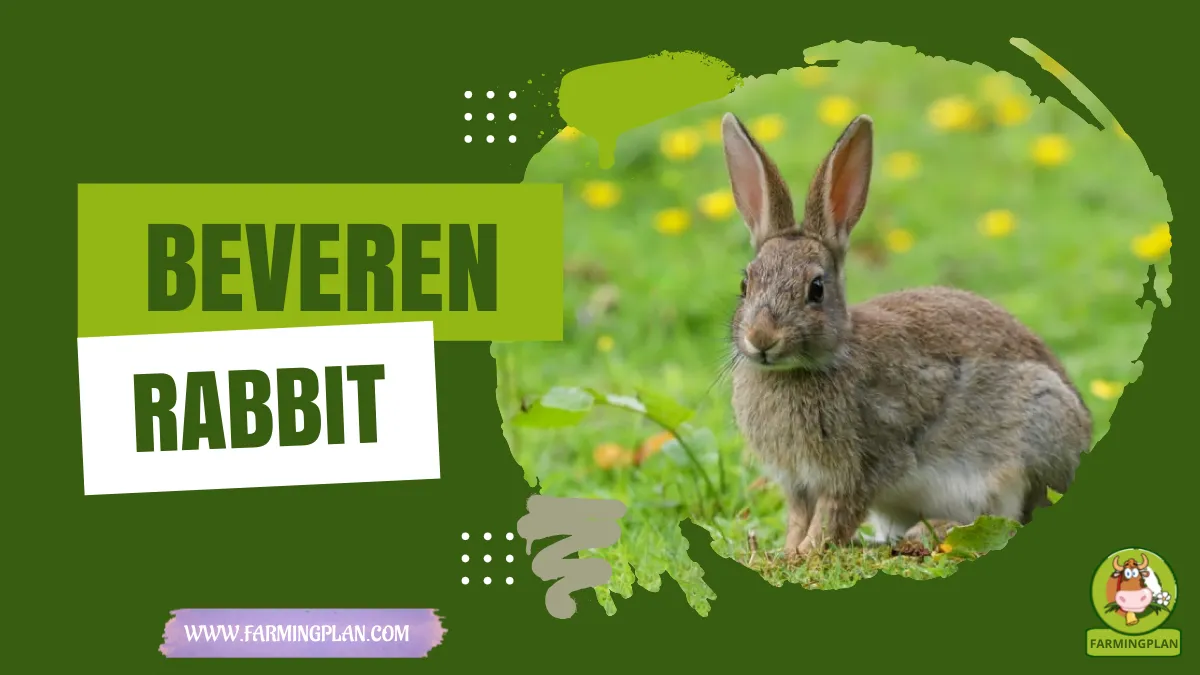
Beveren Rabbit is one of my favorite heritage rabbit breeds because it combines beauty, intelligence, and usefulness in one impressive package. Over the years, I have worked with many rabbit breeds, but the Beveren rabbit always stands out for its calm personality, large body, beautiful fur, and excellent mothering ability. Whether you are searching for Beveren Rabbit colors, wondering about Beveren Rabbit size, looking for Blue Beveren Rabbit information, or researching Beveren rabbit characteristics, this guide will answer your questions in a simple and practical way.
I will also share my personal experience raising this remarkable breed, explain why it has earned respect among breeders around the world, and offer practical care advice that beginners and experienced rabbit keepers can use. From its fascinating Belgian history to its modern role as a family pet, exhibition rabbit, and livestock breed, the Beveren rabbit continues to attract devoted fans who appreciate its versatility, gentle nature, and rich heritage.
History & Origin of Beveren Rabbit
The history of the Beveren Rabbit begins in the small town of Beveren, located in the beautiful Waasland region of Belgium. Whenever I study heritage rabbit breeds, I always admire how local farmers carefully developed animals that served many purposes. The Beveren is one of those remarkable success stories.
During the late nineteenth century, breeders in the Waas region wanted a rabbit that could produce high-quality meat while also growing luxurious fur for the expanding European fur trade. They experimented with several local rabbits and carefully selected animals with desirable body size, coat quality, and strong health. Many rabbit historians believe breeders crossed local rabbits with strains similar to the Blue Vienna, Brabanconne, and even the German Blue rabbit, although exact records remain incomplete.
The Belgian Roots That Created a Legendary Breed
These careful breeding efforts eventually produced what became known as the Blue Rabbit of Beveren, famous for its rich blue-gray Beveren coat. Early breeders valued rabbits that matured quickly, raised large Beveren Litters, and produced dense pelts that furriers highly prized. The breed quickly gained popularity across Belgium, France, England, and Scotland. Farmers appreciated the rabbit’s productive nature, while rabbit enthusiasts admired its graceful appearance and calm temperament.
As interest spread, British breeders refined the breed even further under the guidance of the British Fur Rabbit Society and later the British Rabbit Council. The Beveren rabbit crossed the Atlantic during the early twentieth century and soon attracted attention in the United States. American breeders recognized its excellent qualities for livestock, meat production, and exhibition. The American Rabbit Breeders Association (ARBA) officially accepted the breed, helping establish national breeding standards.
Since then, the rabbit has appeared regularly on the show table, where judges evaluate its distinctive mandolin body shape, fur quality, body weight, and overall balance according to the ARBA manual. The original blue variety remained the most popular, but breeders gradually introduced Black Beveren, Blue-Eyed White Beveren, and white varieties into breeding programs. Some breeders also experimented with Lilac colors, although not every variety achieved equal recognition under official standards.
Arrival in America and Recognition by ARBA
Dedicated organizations such as the Beveren Club, the Western Heritage Beveren Breeders Speciality Club, and many independent breeders have worked tirelessly to preserve this unique rabbit. Their efforts have become increasingly important because the breed now ranks among recognized heritage breeds needing careful conservation.
Today, organizations like The Livestock Conservancy encourage responsible breeding programs that protect the Heritage Beveren Rabbit from declining population numbers. I personally appreciate these conservation efforts because preserving rare livestock means protecting valuable genetics for future generations. The Beveren is far more than an attractive rabbit. It represents over a century of careful breeding, practical farming knowledge, and European agricultural history that continues to inspire rabbit enthusiasts around the world.
Read More: Australian Brown Goat: Amazing Dairy Breed Guide
Characteristics of Beveren Rabbit
One reason I enjoy raising the Beveren Rabbit is its impressive appearance. Unlike compact rabbit breeds, the Beveren has an elegant, athletic build that immediately catches people’s attention. The breed belongs to the semi-arch typed rabbits, giving it a graceful profile that differs from commercial-type rabbits. Instead of appearing short and rounded, the Beveren stretches into a longer, balanced frame with a smooth topline that resembles a gentle arch.
A Large Rabbit With Elegant Style
Most adult rabbits weigh between 8 and 12 pounds, with the Maximum weight 12 lbs for many senior Beveren rabbits shown in exhibitions. Bucks usually remain slightly lighter than does, although healthy breeding females often develop stronger body condition after raising multiple litters. The rabbit’s famous mandolin body shape starts with relatively narrow shoulders before widening smoothly toward the hindquarters.
Judges at rabbit exhibitions carefully examine this feature because it remains one of the breed’s defining characteristics. Long, muscular back legs allow the rabbit to move with surprising speed. Although large-sized, the Beveren remains active and energetic rather than slow or lazy.
Beautiful Coat Colors and Physical Traits
Perhaps the first thing most people notice is the rabbit’s luxurious coat. The fur grows dense, glossy, and medium in length. Its excellent texture once made it valuable for the fur industry because the pelts displayed outstanding durability and softness. The most famous variety remains the Blue Beveren Rabbit, featuring an even slate-blue coat with a subtle silver appearance. This unique blue-gray color made the breed internationally famous and earned it the nickname Blue Rabbit of Beveren.
Modern recognized varieties include:
- Blue
- Black
- White
- Blue-Eyed White Beveren
Many rabbit lovers also ask about Beveren rabbit brown varieties. While brown-colored Beveren Rabbit may appear through certain breeding lines or crosses, true standard Beveren colors depend upon the breeding standards recognized by organizations like ARBA and the British Rabbit Council. The eyes appear bright and expressive. Depending on coat color, eye color varies from deep brown to striking blue in the Blue-Eyed White variety.
The ears stand upright, remain moderately long, and balance perfectly with the rabbit’s large frame. Their feet stay strong, allowing the rabbit to perform energetic jumps and even participate in activities like Rabbit Agility and Hopping, which continue growing in popularity among rabbit enthusiasts. One feature I always monitor is body condition.
Good growth records, proper body weight, and balanced muscle development help determine whether a rabbit will become an excellent breeder or exhibition animal. Careful record keeping, including pedigrees and modern breeding software such as Everbreed, helps preserve genetic diversity while avoiding unnecessary inbreeding. A healthy Beveren combines elegance, productivity, and athletic ability better than almost any other heritage rabbit breed I have worked with.
Nature & Temperament of Beveren Rabbit
One reason I often recommend the Beveren Rabbit to both beginners and experienced breeders is its balanced personality. In my rabbitry, I have found that this breed usually combines curiosity, intelligence, and confidence without becoming overly aggressive. While every rabbit has its own personality, most Beverens enjoy interacting with people once they trust their owner.
The Beveren is often described as an active and energetic Beveren, and I completely agree with that description. Unlike some heavier rabbit breeds that spend most of the day resting, Beverens love to explore. When I let mine exercise in a secure enclosure, they immediately begin hopping, investigating new objects, and playing with enrichment toys.
A Friendly, Intelligent Rabbit With Plenty of Energy
Because of their intelligence, these rabbits quickly recognize routines. They soon learn feeding times, respond to familiar voices, and often come running when they hear the feed container. I always encourage owners to spend a few minutes talking gently to young rabbits every day because early socialization creates calm, confident adults. Despite their energy, they also enjoy relaxing after exercise. Once a Beveren becomes comfortable with its family, it often sits quietly beside its owner and accepts gentle petting. Their calm behavior makes them suitable for families who understand proper rabbit handling.
Family Compatibility and Social Behavior
From my experience, Beveren rabbits thrive when people give them attention and daily interaction. They don’t enjoy being ignored for long periods. Although they can live alone, they appreciate companionship from their owner or another compatible rabbit if introduced correctly. Children can enjoy owning a Beveren, but I always remind families that this is a large-sized rabbit. Young children should never pick up such a heavy rabbit without adult supervision. Improper handling may frighten the rabbit or even cause injury.
These rabbits usually show excellent maternal instincts. Does often prepare comfortable nests and care for their kits with very little assistance. Healthy females frequently raise impressive Beveren Litters, making the breed popular among serious breeders. Because of their athletic nature, Beverens benefit from activities that stimulate both body and mind.
I like to introduce simple obstacle courses, cardboard tunnels, untreated wooden toys, and safe digging boxes filled with shredded paper. Some owners even train their rabbits for Rabbit Agility or competitive Hopping, where the breed’s long legs and natural athletic ability really shine. Litter training also works surprisingly well with this breed. I begin litter training while rabbits are still young, and most learn quickly because they naturally choose one area for waste. A clean litter box also helps maintain hygiene and reduces odors inside the enclosure.
Although Beverens generally behave calmly, they dislike rough treatment, loud noises, or sudden environmental changes. When stressed, they may hide, stop eating, or become unusually quiet. Learning to recognize these signs of stress allows me to correct problems before they become serious health issues. Overall, I consider the Beveren one of the most rewarding rabbit breeds for owners who want an intelligent companion with plenty of personality.
Food & Diet for Beveren Rabbit
Proper nutrition forms the foundation of every healthy Beveren Rabbit. Over many years of raising rabbits, I have learned that good feeding habits prevent many common health problems before they begin. A well-fed rabbit grows steadily, develops strong muscles, produces healthy litters, and maintains a beautiful coat.
The largest portion of a Beveren’s diet should always consist of high-quality grass hay. Timothy hay remains my first choice for adult rabbits because it provides the fiber necessary for healthy digestion and proper tooth wear. Young growing rabbits may also benefit from alfalfa hay, although I gradually transition adults to grass hay to avoid excessive calcium.
Building a Balanced Diet for Long-Term Health
Fresh, clean water must remain available every hour of every day. I check water bottles and bowls every morning because even a small blockage can leave a rabbit without water during hot weather. For balanced nutrition, I feed premium rabbit feed pellets that contain appropriate fiber, protein, vitamins, and minerals. I avoid colorful commercial mixes that contain seeds, corn, or sugary treats because rabbits often eat only their favorite pieces instead of a balanced diet.
Fresh leafy vegetables provide important nutrients and variety. My rabbits enjoy:
- Romaine lettuce
- Cilantro
- Parsley
- Basil
- Dill
- Bok choy
- Dandelion greens
- Kale in moderation
I introduce every new vegetable slowly to avoid digestive upset.
Foods to Avoid and Smart Feeding Practices
Although rabbits enjoy treats, moderation is extremely important. Too much sugar or starch can upset the delicate balance inside the digestive system.
I avoid feeding:
- Chocolate
- Onions
- Garlic
- Iceberg lettuce
- Rhubarb
- Potato
- Avocado
- Bread
- Crackers
- Processed snacks
- Sugary cereals
Fruit works well as an occasional reward rather than a daily meal. Small slices of apple, strawberry, blueberry, or banana satisfy most rabbits without causing obesity. Healthy adult Beverens should maintain steady body weight without becoming overweight. Since the breed can reach nearly 12 pounds, owners sometimes mistake obesity for normal size. I regularly feel along the backbone and ribs instead of judging body condition only by appearance.
Breeding rabbits require slightly different nutrition. Pregnant and nursing does need more energy, protein, and fresh water to support growing kits. Bucks preparing for breeding season also benefit from consistent nutrition without becoming overweight. Whenever I manage a breeding program, I carefully record feeding schedules, weight changes, and litter performance. These growth records help me evaluate which feeding plans produce the healthiest rabbits.
Good nutrition also supports healthy fur. Since the Beveren Rabbit historically supplied the fur trade with quality pelts, maintaining coat condition remains important for breeders and exhibition owners alike. A balanced diet rich in fiber and essential nutrients produces the glossy coat that makes this breed so attractive.
Usage & Purpose of Beveren Rabbit
The Beveren Rabbit has always impressed me because it serves many different purposes. Unlike breeds developed for only one specialty, the Beveren successfully combines meat production, exhibition quality, companionship, and livestock conservation. Historically, European farmers raised the breed primarily for meat production and its valuable fur.
The rabbit’s rapid growth, efficient feed conversion, and large body made it an excellent choice for small farms throughout Belgium, France, and England. Its dense coat also became highly desirable among furriers, who appreciated the rich texture and attractive blue-gray appearance. Before synthetic materials became common, Beveren pelts played an important role in the European fur industry.
Today, many breeders continue raising the Beveren for sustainable homestead meat production because of its size, calm temperament, and dependable breeding performance. The breed also contributes significantly to livestock conservation. Organizations dedicated to preserving rare farm animals encourage responsible breeding because heritage livestock helps maintain valuable genetic diversity for future generations.
Pet, Show, Education, and Conservation Value
In modern times, I see the Beveren most often as a companion animal and exhibition rabbit. The breed performs well at rabbit shows held under ARBA standards, where judges evaluate body shape, fur density, color, condition, and overall presentation. Successful exhibitors spend months preparing rabbits for the show table by maintaining excellent grooming routines, balanced nutrition, and proper conditioning.
Young rabbit enthusiasts also enjoy showing Beverens through educational organizations such as 4-H projects, where children learn animal husbandry, record keeping, breeding ethics, and responsible livestock care. Because the breed remains relatively uncommon, many breeders maintain detailed pedigrees, long-term breeding plans, and computerized breeding records using systems such as Everbreed. These tools help preserve healthy bloodlines while avoiding excessive inbreeding.
Educational institutions, including the State University of New York College of Agriculture and Technology at Cobleskill, sometimes highlight heritage livestock conservation as part of agricultural education. Programs such as Pathways in Technology Early College High School also encourage students to explore agricultural science, genetics, and livestock management.
The Beveren has even developed a devoted following among rabbit hobbyists who simply appreciate its calm personality and striking appearance. Many owners never breed or exhibit their rabbits—they simply enjoy living with an intelligent companion that forms strong bonds with its family. Whether raised as livestock, shown in exhibitions, used in educational programs, or kept as a beloved pet, the Beveren continues proving why this remarkable heritage Beveren rabbit breed deserves recognition and protection for future generations.
Special Features of Beveren Rabbit
The Beveren Rabbit stands apart from many other rabbit breeds because it combines beauty, productivity, and history in one remarkable package. After raising rabbits for years, I have learned that few breeds offer such a balanced combination of practical farming value and companion-friendly personality. One of the breed’s greatest strengths is its status as a true heritage Beveren rabbit breed.
Unlike many modern commercial breeds that breeders developed mainly for rapid production, the Beveren represents generations of careful selection focused on overall quality. Organizations dedicated to livestock conservation, including The Livestock Conservancy, continue encouraging responsible breeding because the population remains relatively limited.
A Heritage Breed With Outstanding Qualities
Another feature I admire is the breed’s excellent genetic diversity when breeders maintain responsible bloodlines. Good breeders carefully document pedigrees, track family histories, and follow long-term breeding plans. I personally use detailed breeding records because they help reduce inherited health problems while preserving valuable traits. The Beveren also matures into a large but elegant rabbit. Its distinctive mandolin body shape, upright ears, and balanced frame create an appearance that judges immediately recognize on the show table.
Beautiful Colors, Athletic Ability, and Strong Maternal Skills
Color remains one of the biggest attractions for rabbit lovers. The classic Blue Beveren Rabbit continues to be the most recognizable variety, displaying the famous blue-gray Beveren coat that originally made the breed popular throughout Europe.
Today, recognized varieties include:
- Blue
- Black
- White
- Blue-Eyed White Beveren
Many people also ask about Beveren rabbit black and Beveren rabbit brown colors. Black varieties receive official recognition in several breeding organizations, while true brown rabbits usually result from other genetic combinations or crosses rather than standard Beveren bloodlines. Speaking of genetics, responsible breeders study coat-color inheritance carefully.
Some breeding discussions involve topics such as the Rex gene, Vienna Marked rabbits, Harlequin, Chimera, and other color genes. These fascinating genetic traits help breeders understand coat inheritance, although ethical breeders always prioritize health over unusual appearances. The Beveren also excels as a mother. Healthy females often produce large, healthy Beveren Litters and care for their kits with minimal assistance. Their strong maternal instincts make them valuable for both conservation breeding and small-scale rabbit farming.
Another pleasant surprise is their athletic ability. Because they belong to the semi-arch typed rabbits, Beverens move with speed and agility. Many owners successfully train them for Rabbit Agility and Hopping, activities that provide both exercise and mental stimulation. Their combination of intelligence, strength, beauty, and history explains why this breed continues attracting a devoted following around the world.
Health Issues & Prevention for Beveren Rabbit
One lesson I have learned as a farming specialist is that prevention always costs less than treatment. The Beveren Rabbit generally enjoys good health when owners provide proper nutrition, housing, and daily care. Even so, every rabbit owner should recognize the warning signs of common diseases. One of the most serious health threats is myxomatosis.
This viral disease spreads through biting insects such as mosquitoes and fleas. In affected rabbits, I may notice swollen eyelids, breathing difficulty, loss of appetite, and unusual weakness. Vaccination availability depends on the country, so owners should consult a veterinarian familiar with veterinary medicine for local recommendations.
Common Health Problems Every Owner Should Know
Another common issue involves digestive problems. Rabbits have delicate digestive systems that require constant movement of food through the intestines. Poor diets low in fiber can lead to gastrointestinal stasis, a dangerous condition where digestion slows or stops. A rabbit that refuses food, produces few droppings, or appears inactive requires immediate veterinary attention.
Dental disease also affects many rabbits because their teeth grow continuously throughout life. Without enough hay to wear teeth naturally, overgrown teeth may cause drooling, weight loss, and difficulty eating. Parasites such as ear mites, fleas, and intestinal worms occasionally appear, especially when sanitation declines. I perform routine health checks every week so I can detect problems early.
Prevention Through Daily Care and Observation
Daily observation remains one of the most valuable tools in rabbit health management. I never wait until a rabbit becomes obviously sick before taking action.
Each morning, I quickly check:
- Appetite
- Water intake
- Droppings
- Body posture
- Eyes
- Nose
- Coat condition
- Activity level
Small changes often reveal illness before severe symptoms develop. Good grooming also protects rabbit health. Although the Beveren has medium-length fur, I brush the coat regularly to remove loose hair and reduce hair ingestion during grooming. I pay special attention to grooming around its bottom, especially in older rabbits or overweight animals.
Dirty fur can attract flies and lead to flystrike, a life-threatening condition where flies lay eggs in soiled fur. Flystrike develops rapidly during warm weather, so daily inspection becomes essential. Housing plays a major role in disease prevention. Clean bedding, dry flooring, good ventilation, and regular disinfecting reduce bacterial growth and parasite exposure. Stress management also matters. Beveren Rabbit often hide illness, so recognizing signs of stress helps prevent future health problems. Common warning signs include:
- Hiding constantly
- Refusing food
- Aggression
- Teeth grinding
- Rapid breathing
- Lack of curiosity
When I notice these behaviors, I immediately investigate possible causes such as overcrowding, loud noises, poor nutrition, or illness. Routine veterinary examinations, balanced feeding, proper exercise, and careful observation allow most Beveren rabbits to live healthy lives for 8 to 12 years. In my experience, consistent daily care always produces better results than treating preventable diseases later.
Step-by-Step Beveren Rabbit Care Guide
Whenever someone asks me how I successfully raise Beveren Rabbits, I always give the same answer: success comes from following good routines every single day. Fancy equipment helps, but consistent care matters much more. I have raised rabbits in both small backyard rabbitries and larger breeding setups, and the same basic principles always apply.
My Complete System for Raising Healthy Beveren Rabbits
The Beveren is a large, energetic rabbit that needs more than just food and water. It requires a clean home, quality nutrition, regular exercise, careful health monitoring, responsible breeding management, and plenty of interaction. Because this breed belongs to the world’s valuable heritage breeds, every owner also plays an important role in protecting its future. Below is the exact system I recommend to beginners and experienced breeders alike.
Step 1 – Build a Safe and Comfortable Home
Before bringing home a Beveren rabbit, I prepare its living area carefully. A full-grown rabbit can reach nearly 12 pounds, so it needs more space than smaller breeds. I choose a sturdy hutch or indoor enclosure with enough room for standing, stretching, and hopping. The floor should remain dry and comfortable. Wire flooring alone can injure feet, so I provide resting boards or solid flooring sections. Fresh bedding such as straw, hay, or paper-based materials keeps the enclosure clean and comfortable. I replace wet bedding quickly because moisture encourages bacteria and unpleasant odors.
The enclosure should also provide:
- Good airflow
- Shade during summer
- Protection from rain
- Predator security
- Quiet surroundings
Outdoor rabbits also need protection from extreme heat and freezing temperatures.
Step 2 – Feed a Balanced Diet Every Day
Nutrition affects every part of a rabbit’s life. I never compromise on feed quality because healthy diets reduce veterinary costs later. Each day I provide unlimited grass hay, measured portions of rabbit feed pellets, fresh vegetables, and unlimited clean water. I avoid overfeeding pellets because obesity creates many health problems.
Instead, hay remains the primary food source. I also rotate leafy greens to provide dietary variety while introducing new foods gradually. Every feeding session becomes an opportunity to observe appetite. Healthy rabbits rush toward food. A rabbit that suddenly refuses breakfast deserves immediate attention because loss of appetite often signals illness.
Step 3 – Maintain Cleanliness and Daily Health Checks
Clean housing prevents countless health problems. Every morning I remove wet bedding, clean food dishes, refill water containers, and inspect litter areas.
I also perform a quick physical examination.
I check:
- Eyes
- Nose
- Teeth
- Ears
- Feet
- Fur
- Weight
- Droppings
Regular grooming routines, especially grooming around its bottom, help prevent flystrike and keep the rabbit comfortable. When breeding rabbits, I also maintain detailed growth records, breeding dates, litter sizes, and pedigrees using organized notebooks or software such as Everbreed. Good records improve future breeding decisions and preserve healthy bloodlines.
Step 4 – Provide Daily Exercise and Mental Enrichment
One mistake I often see new rabbit owners make is keeping their rabbits inside a cage all day. A Beveren Rabbit is naturally active, curious, and energetic. Even though it enjoys relaxing, it still needs daily exercise to stay physically fit and mentally happy. I allow my Beverens to spend supervised time in a secure exercise area every day.
Whether I use an outdoor run or an indoor rabbit-proofed room, I always make safety my first priority. I remove electrical cords, poisonous plants, and anything the rabbit might chew. Exercise helps maintain a healthy body weight, strengthens muscles, improves digestion, and reduces boredom. A rabbit that spends time exploring also becomes more confident and social.
To keep my rabbits entertained, I provide:
- Cardboard tunnels
- Wooden chew toys
- Untreated apple branches
- Digging boxes filled with shredded paper
- Hay-filled puzzle toys
- Safe platforms for jumping
These simple activities encourage natural behaviors like chewing, digging, hopping, and exploring. The Beveren’s athletic build makes it an excellent candidate for Rabbit Agility and Hopping competitions. While not every owner plans to compete, simple obstacle courses made from PVC pipes or wooden rails provide excellent exercise and strengthen the bond between rabbit and owner. Mental stimulation is just as important as physical activity. I frequently rearrange toys and introduce new enrichment items to prevent boredom. A busy rabbit is usually a healthier rabbit.
Step 5 – Socialize and Build Trust Every Day
I always remind new owners that rabbits are prey animals. They naturally feel cautious around unfamiliar people. Building trust takes patience, but the results are worth the effort. When I bring home a young Beveren, I allow it a few days to adjust before handling it extensively. I sit quietly near the enclosure, speak softly, and let the rabbit approach me on its own terms.
I never chase or corner a frightened rabbit. Instead, I offer small treats like herbs or a tiny slice of apple to create positive associations. Daily handling sessions should remain calm and gentle. I support both the chest and hindquarters whenever lifting a rabbit because its powerful back legs can cause injuries if it struggles. As trust grows, most Beverens become affectionate companions that recognize familiar voices and routines.
Many even follow their owners around the yard or room during supervised exercise. Because this breed is intelligent, I also recommend litter training. I place a litter box in the corner where the rabbit naturally urinates and reward successful use with praise or a favorite leafy green. Within a few weeks, many Beverens become remarkably reliable with their litter habits, making indoor care much easier. Socialization also benefits breeding rabbits. Calm animals generally handle routine health checks, grooming, and transportation to rabbit shows with much less stress.
Step 6 – Groom Regularly and Maintain Coat Quality
Although the Beveren does not require as much grooming as long-haired breeds, regular brushing remains an essential part of my care routine. The breed’s dense coat once made it valuable in the fur trade, so maintaining healthy fur still matters whether the rabbit is a pet or an exhibition animal. I brush my rabbits once or twice each week using a soft grooming brush. During seasonal shedding, I increase grooming frequency because rabbits swallow loose hair while cleaning themselves. Excess hair inside the digestive tract can contribute to digestive problems, especially if the rabbit eats too little hay.
My grooming routine includes checking:
- Coat condition
- Skin health
- Ear cleanliness
- Nail length
- Feet
- Tail area
I pay extra attention to grooming around its bottom, especially during warm weather. Dirty fur attracts flies and increases the risk of flystrike, one of the most dangerous conditions affecting rabbits. Nail trimming usually becomes necessary every four to six weeks. Overgrown nails make walking uncomfortable and increase the chance of injury. Healthy grooming sessions also help me detect cuts, lumps, parasites, or skin problems long before they become serious.
Step 7 – Breed Responsibly and Preserve the Heritage
Responsible breeding involves much more than simply pairing two rabbits together. Since the Beveren remains one of the world’s recognized heritage breeds, every breeding decision matters.
Before breeding, I evaluate:
- Overall health
- Body condition
- Temperament
- Pedigree
- Genetic diversity
- Show quality
- Reproductive history
I avoid breeding rabbits with known inherited defects or chronic health problems. Maintaining pedigrees allows me to track bloodlines over several generations. Good records reduce inbreeding while protecting valuable traits that make the breed unique. Modern breeders often use digital management programs such as Everbreed to organize breeding records, litter information, vaccinations, and growth records. Healthy does usually prepare excellent nests and produce strong Beveren Litters.
During pregnancy and nursing, I increase access to fresh water, quality hay, and balanced pellets to support milk production. Young rabbits remain with their mother until they are fully weaned. Early socialization during this period creates confident adult rabbits that adapt well to new homes. When selling young rabbits, I always provide buyers with care instructions and encourage lifelong responsible ownership. Protecting this remarkable breed requires cooperation between breeders, pet owners, and conservation organizations.
Read More: Aussiedown Sheep Remarkable Prime Lamb Breed
Expert Tips & Best Practices of Beveren Rabbit
I hope my personal experience and practical advice help you care for this exceptional breed with confidence. If you found this guide helpful, please share it with fellow rabbit lovers, leave a comment with your own Beveren experiences or questions, and help spread awareness about preserving this remarkable heritage rabbit for future generations.
Practical Advice I Share With Every New Beveren Owner
After years of raising rabbits, I have developed several habits that consistently produce healthy, happy Beverens. These simple practices help prevent many common problems before they begin.
Choose Healthy Breeding Stock
I always purchase rabbits from reputable breeders who maintain accurate pedigrees and prioritize health over appearance alone. Strong genetics create healthier future generations.
Keep Excellent Records
Every rabbit in my rabbitry has individual records that include:
- Birth date
- Parents
- Weight history
- Health treatments
- Breeding dates
- Litter sizes
- Show results
Accurate records improve breeding decisions year after year.
Prioritize Hay Over Treats
Unlimited grass hay should always remain the foundation of the diet. Treats are enjoyable, but too many sugary foods quickly lead to obesity and digestive issues.
Clean Before Problems Start
Daily cleaning takes only a few minutes but prevents many illnesses. Fresh bedding, clean water, and sanitized feeders dramatically reduce disease risks.
Watch for Small Changes
Rabbits hide illness surprisingly well. I never ignore changes in appetite, posture, droppings, or behavior. Early treatment often saves lives.
Handle Rabbits Gently
Supporting the hindquarters during handling prevents spinal injuries and builds trust between rabbit and owner.
Protect Genetic Diversity
Avoid unnecessary inbreeding. Responsible breeding preserves the future of the Heritage Beveren Rabbit while maintaining strong immune systems and healthy offspring.
Prepare Carefully for Rabbit Shows
If I plan to exhibit a rabbit under ARBA standards, I begin conditioning several weeks before the event. Good nutrition, proper grooming, and regular handling help rabbits perform confidently on the show table.
Learn From Experienced Breeders
Joining local rabbit clubs, the Beveren Club, or regional breeder organizations provides valuable opportunities to exchange ideas and improve breeding programs.
Never Stop Learning
Rabbit care continues evolving through better nutrition, improved housing, and advances in veterinary medicine. I regularly study new research to improve the health and welfare of every rabbit in my care.
“The Best Rabbit Breeders Don’t Just Raise Rabbits—They Build Healthy Bloodlines, Keep Detailed Records, and Learn Something New Every Season.”
FAQs
How much does a Beveren Rabbit cost?
The Beveren rabbit price usually ranges from $50 to $200 USD for pet-quality rabbits, while show-quality or breeding stock may cost $200 to $500 or more depending on pedigree, age, color, and breeder reputation. Rare bloodlines, especially those maintained for heritage conservation, often command higher prices.
Where can I find a Beveren Rabbit for sale?
If you’re looking for a Beveren rabbit for sale, start with reputable breeders registered with the American Rabbit Breeders Association (ARBA), local rabbit clubs, or the Western Heritage Beveren Breeders Speciality Club. You may also find them through livestock shows, rabbit exhibitions, or responsible heritage breeders who focus on preserving the breed.
How big does a Beveren Rabbit get?
The Beveren Rabbit size places it among the large rabbit breeds. Most healthy adults weigh 8 to 12 pounds, with the maximum weight of 12 pounds recognized for mature adults. Their long, elegant mandolin body shape makes them appear even larger than many commercial rabbit breeds.
What colors do Beveren Rabbits come in?
Official Beveren Rabbit colors include Blue, Black, White, and Blue-Eyed White Beveren, depending on the breed standard used by organizations such as ARBA or the British Rabbit Council. The famous Blue Beveren Rabbit remains the best-known and most popular variety because of its beautiful blue-gray coat.
Are Beveren Rabbits good pets for beginners?
Yes. In my experience, the Beveren Rabbit makes an excellent pet for beginners who have enough space and time to provide daily care. They are intelligent, friendly, active, and usually respond well to gentle handling, regular exercise, proper grooming, and a balanced diet.
Conclusion
After spending years working with rabbits, I can confidently say that the Beveren Rabbit remains one of the finest heritage breeds available today. Its rich history from Beveren, Belgium, impressive mandolin body shape, calm temperament, beautiful blue, black, and white coat varieties, and excellent breeding ability make it a wonderful choice for pet owners, breeders, exhibitors, and small-scale farmers alike. Whether your goal is preserving valuable heritage breeds, raising healthy livestock, competing on the ARBA show table, or simply enjoying an intelligent companion, the Beveren offers outstanding value. With proper housing, balanced nutrition, routine grooming, regular veterinary care, and responsible breeding practices, these remarkable rabbits can thrive for many years.