Danish Duck plays a special role in Denmark and stands at the center of many Christmas celebrations. As a farming specialist and food enthusiast, I have always admired how Danish families gather around a roasted duck dinner during Christmas Eve. This traditional dish, often called Andesteg, combines roasted duck, apples, prunes, stuffing, gravy, and classic side dishes like Risalamande and potatoes. Danish Duck represents much more than food. It reflects Danish hygge, family traditions, Christmas happiness, and centuries of cooking experience.
In this guide, I will share my practical knowledge about Danish Christmas Duck, its history, characteristics, preparation methods, traditions, and care for ducks raised for meat production. Whether you love Danish recipes, Christmas dinners, Scandinavian culture, or poultry farming, this guide will help you understand why Danish Duck remains one of Denmark’s most treasured holiday traditions.
History & Origin of Danish Duck
The story of Danish Duck begins in Denmark, where people have celebrated Christmas traditions for centuries. Long before modern ovens existed, Danish families roasted geese during winter festivals. As farming methods improved, ducks became easier to raise and gradually replaced geese in many homes.
During the nineteenth century, roasted duck became a favorite Christmas dinner among Danish families. Farmers raised ducks in rural areas across Sjælland and Jylland, where natural environments supported healthy birds. The dish known as Andesteg developed as cooks began stuffing ducks with apples, prunes, thyme twigs, and seasonings.
Christmas Traditions And Family Gatherings
Christmas Eve remains the most important evening for Danish families. People gather around the table to enjoy roasted duck, roasted pork called flæskesteg, potatoes, vegetables, duck gravy, and rice pudding desserts. The tradition reflects Danish hygge, which means comfort, warmth, and togetherness. Families share stories, exchange gifts, and enjoy Christmas beer while the duck roasts slowly in the oven. Many Danes watch Disney characters such as Donald Duck, known locally as Anders And, before dinner. These traditions connect generations and make Danish Duck much more than a meal.
Morten’s Aften And Seasonal Celebrations
Another Danish tradition called Morten’s Aften occurs in November. During this celebration, many families enjoy duck dinners before Christmas arrives. This custom helps maintain the importance of duck in Danish culture. Today, Danish Duck remains one of the most consumed holiday dishes in Denmark. Surveys often estimate that nearly three out of four Danish households serve either duck or pork during Christmas celebrations.
Read More: European Dark Bee Amazing Heritage Guide
Characteristics of Danish Duck
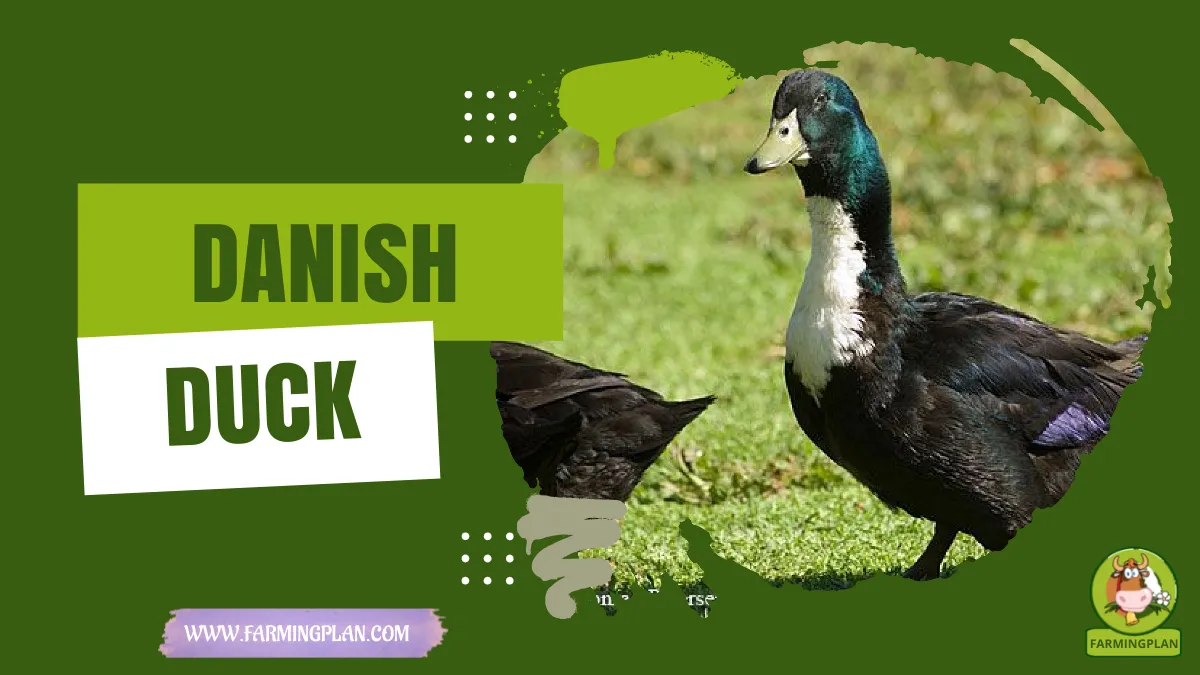
Danish Duck usually refers to ducks raised for meat production rather than a specific breed. Farmers often choose large European meat ducks because they grow quickly and produce tender meat. These ducks develop broad bodies, strong legs, and thick layers of meat. Their duck skin contains enough fat to create the famous crisp crackling that people love during Christmas dinners. Most birds display white feathers, although darker varieties also appear on some farms. Mature ducks often weigh between 3 and 5 kilograms depending on genetics and feeding methods.
Meat Quality And Flavor
The meat offers a rich flavor that differs from chicken. Duck meat contains more fat, which keeps it moist during roasting. The skin becomes crispy while the meat remains tender. Many cooks use dry brine methods before roasting. Salt penetrates the skin and improves texture. Some cooks add allspice, coriander seeds, thyme, soy sauce, or red currant jelly to enhance flavor. The combination of prunes, diced apples, and pan drippings creates a unique balance between sweet and savory tastes.
Traditional Cooking Features
Danish Christmas Duck usually cooks in a roasting tray or roasting tin. Cooks place the bird on an oven grid to allow fat to drip into the roasting pan. Many households use circulating air ovens or convection roast settings. A meat thermometer helps measure the internal temperature, ensuring safe cooking. Stock for gravy often comes from giblets, vegetables, and roasted bones. The result becomes a rich duck gravy that completes the Christmas dinner.
Nature And Temperament
Ducks raised for Danish meals often show calm and friendly personalities. I have worked with many meat ducks, and most birds enjoy staying close to the flock. They move together, search for food as a group, and communicate through soft sounds. This social behavior makes them easier to manage than some poultry species. Young ducks learn quickly and adapt well to human care when farmers provide regular attention.
Adaptability To Different Environments
These ducks tolerate cold weather quite well. Denmark’s climate includes cool temperatures, and ducks naturally develop thick feathers that protect them from wind and rain. They enjoy access to water, outdoor runs, and grassy areas. Farmers often allow ducks to forage for insects, grass, and small plants. Their adaptability makes them suitable for both small farms and larger commercial operations.
Suitability For Farmers And Families
Many hobby farmers choose ducks because they require simple management. Ducks grow quickly, resist some common poultry problems, and provide excellent meat. Families also enjoy raising ducks as backyard animals. Children often appreciate their curious personalities and amusing behavior.
Tip: “Healthy Ducks Produce Better Meat, Better Gravy, And Better Memories Around The Christmas Table.”
Food & Diet of Danish Duck
As a farming specialist, I always tell new duck owners that good food creates healthy birds and better meat quality. Danish Duck production depends heavily on balanced nutrition. A duck that receives the right diet develops strong muscles, healthy feathers, and excellent fat distribution, which later creates the tender meat and crispy duck skin used in Danish Christmas dinners.
Proper Feeding For Healthy Danish Duck
Young ducklings need high-protein starter feed during their first few weeks. Protein helps build muscles and supports rapid growth. I usually recommend starter feed containing 20–22% protein. Fresh water must remain available all day because ducks eat and drink together. Adult ducks benefit from grains, vegetables, and quality poultry feed. Corn, wheat, barley, and oats work very well. Many Danish farmers allow ducks to forage naturally. The birds search for insects, grass, and small plants, which improves meat flavor and overall health.
Traditional Ingredients Used In Danish Duck Recipes
The famous Danish Christmas Duck recipe depends on several classic ingredients. Apples, prunes, thyme twigs, and seasonings fill the cavity of the bird before roasting. These ingredients create the sweet and savory flavor that Danish families love.
Many cooks use dry brine methods to season the duck before cooking. Salt penetrates the meat and improves moisture retention. Some recipes add coriander seeds, allspice, soy sauce, Worcestershire sauce, and red currant jelly for extra flavor. The roasting pan collects pan drippings that later become duck gravy. Giblets often help create stock for gravy, giving it a deep and rich taste.
Foods To Avoid
I always advise farmers to avoid moldy grains, spoiled vegetables, and contaminated water. These items can cause digestive problems and reduce growth rates. Do not feed ducks chocolate, caffeine, onions in large amounts, salty foods, or processed human snacks. Excessive bread can also create nutritional problems. Healthy diets produce healthier birds, better roasting results, and improved meat quality for Christmas dinner traditions.
Usage & Purpose of Danish Duck
The primary purpose of Danish Duck involves food production and cultural traditions. Roasted Christmas duck remains one of Denmark’s most popular holiday dishes. On Christmas Eve, families gather around the dinner table to enjoy roast duck, potatoes, vegetables, duck gravy, and desserts such as Risalamande. The duck often serves as the centrepiece of the entire meal. Many Danish households prefer duck instead of traditional turkey. The rich meat and crispy skin create a special dining experience that people remember throughout the year.
Farming And Meat Production
Commercial farmers raise ducks specifically for meat production. Ducks grow quickly and efficiently convert feed into body weight. This makes them valuable farm animals. Their meat provides high-quality protein and healthy fats. Restaurants, butcher shops, and specialty food markets often sell duck products throughout Europe. Many small-scale farmers also raise ducks for local markets, farm stores, and holiday sales during the Christmas season.
Cultural And Social Importance
Danish Duck represents more than food. It symbolizes Danish happiness, family gatherings, and hygge traditions. Many families watch Disney programs featuring Donald Duck, known as Anders And, before dinner. This television tradition has become a major part of Christmas Eve celebrations. Julefrokost events, Christmas beer gatherings, and Morten’s Aften celebrations also feature duck dishes. These customs help preserve Danish culture across generations.
Special Features of Danish Duck
One of the most remarkable qualities of Danish Duck is the crispy duck skin. Proper roasting allows the skin to become golden and crunchy while the meat remains juicy. The natural fat under the skin melts slowly during cooking. This process bastes the meat and creates exceptional flavor. Many people consider the skin the best part of the meal. A meat thermometer helps cooks reach the ideal internal temperature without overcooking the meat.
Unique Danish Christmas Traditions
Few foods connect so strongly to national traditions. Danish Duck forms part of Christmas Eve celebrations, Morten’s Aften, and family gatherings. People often enjoy Christmas beer, exchange gifts, and share stories around the dinner table. The meal creates strong emotional connections and lifelong memories. The dish also reflects Danish hygge, which emphasizes comfort, warmth, and togetherness.
Excellent Gravy And Side Dishes
Duck gravy remains one of the highlights of the meal. Pan drippings, giblets, stock, and seasonings combine to create a rich sauce.
Traditional side dishes include:
- Carrots
- Red cabbage
- Potatoes
- Apples
- Prunes
- Risalamande
- Rice pudding
The combination of sweet and savory flavors makes Danish Duck unique among European holiday dishes.
Strong Farming Qualities
Ducks raised for Danish meals often show:
- Fast growth rates.
- Good feed efficiency.
- Cold weather tolerance.
- Strong meat production.
- Adaptability to different farms.
These qualities make them excellent choices for farmers and hobby breeders.
Health Issues & Prevention
Poor nutrition sometimes causes digestive problems in ducks. Symptoms may include diarrhea, weight loss, weakness, or reduced appetite. Dirty water and spoiled feed often create these problems. I always recommend changing water daily and storing feed properly. Veterinary treatment may become necessary if symptoms continue.
Respiratory Diseases
Ducks may develop respiratory infections when ventilation becomes poor. Wet bedding and overcrowded housing increase the risk.
Signs include:
- Sneezing.
- Nasal discharge.
- Open-mouth breathing.
- Reduced activity.
Good airflow and clean housing help prevent these illnesses.
Parasites And External Problems
Internal parasites and external mites occasionally affect ducks. Parasites reduce growth rates and damage overall health. Regular inspections allow farmers to identify problems early. Clean bedding, dry housing, and proper sanitation greatly reduce parasite populations.
Leg And Foot Problems
Wet conditions may cause foot infections. Heavy ducks sometimes develop leg issues if they grow too quickly. Providing dry bedding, proper nutrition, and enough exercise helps maintain strong legs.
Preventive Care Tips
I follow several simple practices to keep ducks healthy:
- Provide fresh water every day.
- Clean housing regularly.
- Use quality feed.
- Avoid overcrowding.
- Monitor body condition.
- Isolate sick birds quickly.
- Schedule veterinary checks when necessary.
Tip: “Preventing Disease Costs Less Than Treating It. Clean Water, Dry Bedding, And Good Feed Keep Ducks Healthy.”
Step-by-Step Danish Duck Farming Guide
As a farming specialist, I have raised many meat ducks over the years, and I can confidently say that success starts with good planning. Danish Duck production requires proper housing, nutrition, health care, and daily management. Whether you want to raise ducks for family meals, holiday traditions, or small-scale farming, following a clear system makes the job easier. Ducks grow quickly and adapt well to different environments. They tolerate cool weather and enjoy outdoor access.
Complete Danish Duck Care Guide For Beginners
However, they still require clean housing, balanced feed, and fresh water every day. Small mistakes during the early stages often create problems later. I always encourage beginners to learn each stage carefully. Ducks depend on their owners for shelter, food, safety, and health care. When you provide proper care, ducks reward you with healthy growth, excellent meat quality, and strong production. The following step-by-step guide explains exactly how I raise ducks from preparation to daily care.
Step 1: Prepare Proper Housing
The first step involves creating safe housing. Ducks need protection from rain, wind, predators, and extreme temperatures. I usually build a simple shelter with dry flooring and good ventilation. Straw, wood shavings, or dry bedding work very well. Wet bedding causes disease and foot problems, so I replace dirty material regularly. Allow enough space for every bird. Crowded housing increases stress and disease risk. Ducks enjoy resting together, but they still require room to move comfortably. Outdoor runs improve health and encourage natural behavior. Fencing protects birds from dogs, foxes, and other predators.
Important housing features include:
- Dry bedding.
- Good ventilation.
- Predator protection.
- Clean drinking areas.
- Easy cleaning access.
- Adequate floor space.
A clean house forms the foundation for successful duck raising.
Step 2: Start With Healthy Ducklings
I always purchase ducklings from reputable breeders or hatcheries. Healthy birds grow faster and experience fewer health problems. Look for active ducklings with bright eyes, clean feathers, and strong legs. Avoid weak or sick birds. Young ducklings require extra warmth during their first weeks. Heat lamps or brooder heaters help maintain proper temperatures. Gradually reduce heat as the birds grow. Provide shallow water containers to prevent drowning. Ducklings love water, but deep containers can become dangerous. During the first weeks, monitor birds several times each day. Early attention prevents many problems.
Signs of healthy ducklings include:
- Active movement.
- Strong appetite.
- Clear eyes.
- Clean feathers.
- Steady growth.
Starting with healthy birds greatly improves your chances of success.
Step 3: Provide Proper Feeding
Nutrition determines growth, health, and meat quality. Ducklings need starter feed with high protein levels. As they mature, I gradually change to grower and maintenance feeds. Fresh water remains essential because ducks consume large amounts while eating. Dirty water quickly spreads disease, so I clean containers every day.
Many farmers supplement diets with:
- Wheat.
- Corn.
- Barley.
- Oats.
- Green vegetables.
- Grass.
- Small insects.
Avoid moldy feed or spoiled food. Good nutrition improves meat quality and supports healthy feather growth. I also provide small amounts of grit to help digestion.
Step 4: Maintain Clean Water Supplies
Ducks love water. They use it for drinking, cleaning, and maintaining their feathers. I place water containers where birds can wash their bills without soaking their bedding. Large tubs or shallow ponds provide enrichment and exercise. Change water daily because ducks quickly make it dirty. During winter, prevent water from freezing. During summer, provide shade around water areas.
Clean water helps prevent:
- Digestive disease.
- Respiratory problems.
- Parasites.
- Poor feather condition.
Healthy ducks always have access to fresh water.
Step 5: Monitor Health Every Day
I inspect my ducks every morning and evening.
Observe:
- Appetite.
- Walking ability.
- Feather condition.
- Breathing.
- Activity level.
Early detection prevents major health problems. Separate sick birds immediately to protect the rest of the flock. Vaccinations and veterinary advice may benefit larger operations. Small farms should still maintain health records and treatment notes. Regular cleaning, proper feeding, and dry housing prevent most common illnesses.
Step 6: Prepare Ducks For Processing Or Breeding
Meat ducks usually reach market size within several months. I monitor body condition and weight before processing. Healthy birds produce better meat and improved flavor. Breeding birds require extra care, balanced diets, and proper nesting areas. Select only strong, healthy ducks for breeding programs.
Good genetics improve:
- Growth.
- Disease resistance.
- Meat quality.
- Fertility.
- Overall productivity.
Careful selection benefits future generations.
Read More: Alentejana Cattle Powerful Heritage Breed Guide
Expert Tips & Best Practices
Professional Advice From My Farm Experience
Over many years, I have learned several important lessons while raising ducks.
- Keep bedding dry at all times.
- Never allow feed to become moldy.
- Provide fresh water every day.
- Avoid overcrowding.
- Use a meat thermometer during roasting.
- Allow ducks outdoor exercise.
- Monitor weight regularly.
- Practice biosecurity measures.
- Introduce dietary changes slowly.
- Keep detailed farm records.
I also recommend preparing duck with a dry brine before roasting. This simple method produces excellent skin crispness. For Danish Christmas Duck recipes, I often use apples, prunes, thyme, and allspice because they create traditional Scandinavian flavors.
“Slow roasting, careful feeding, and daily observation create both healthy ducks and unforgettable Christmas meals.”
FAQs
What Is Danish Duck?
Danish Duck usually refers to roasted duck served during Danish Christmas celebrations. It often includes apples, prunes, stuffing, and rich duck gravy.
What Is Andesteg?
Andesteg is the Danish name for roast duck. Families commonly serve it during Christmas Eve dinners throughout Denmark.
What Temperature Should Danish Duck Reach?
Most cooks recommend an internal temperature of approximately 74°C (165°F). A meat thermometer provides the most accurate reading.
What Side Dishes Go With Danish Duck?
Traditional side dishes include potatoes, red cabbage, carrots, duck gravy, Risalamande, and rice pudding desserts.
Why Is Duck Popular At Christmas In Denmark?
Duck symbolizes family traditions, Danish hygge, and Christmas celebrations. Many Danish households gather around roasted duck during Christmas Eve.
Conclusion
Danish Duck represents far more than a roasted meal. It combines farming traditions, family gatherings, Danish hygge, and centuries of Christmas culture. From raising healthy ducks to preparing crispy roast duck with apples, prunes, and rich gravy, every step contributes to an unforgettable dining experience. I have found that proper care, good nutrition, clean housing, and traditional cooking methods create the best results. Whether you raise ducks yourself or simply enjoy Danish Christmas recipes, this remarkable tradition offers warmth, flavor, and togetherness. If you enjoyed this guide, share your experiences, leave a comment, and tell others about your favorite Danish Duck traditions.