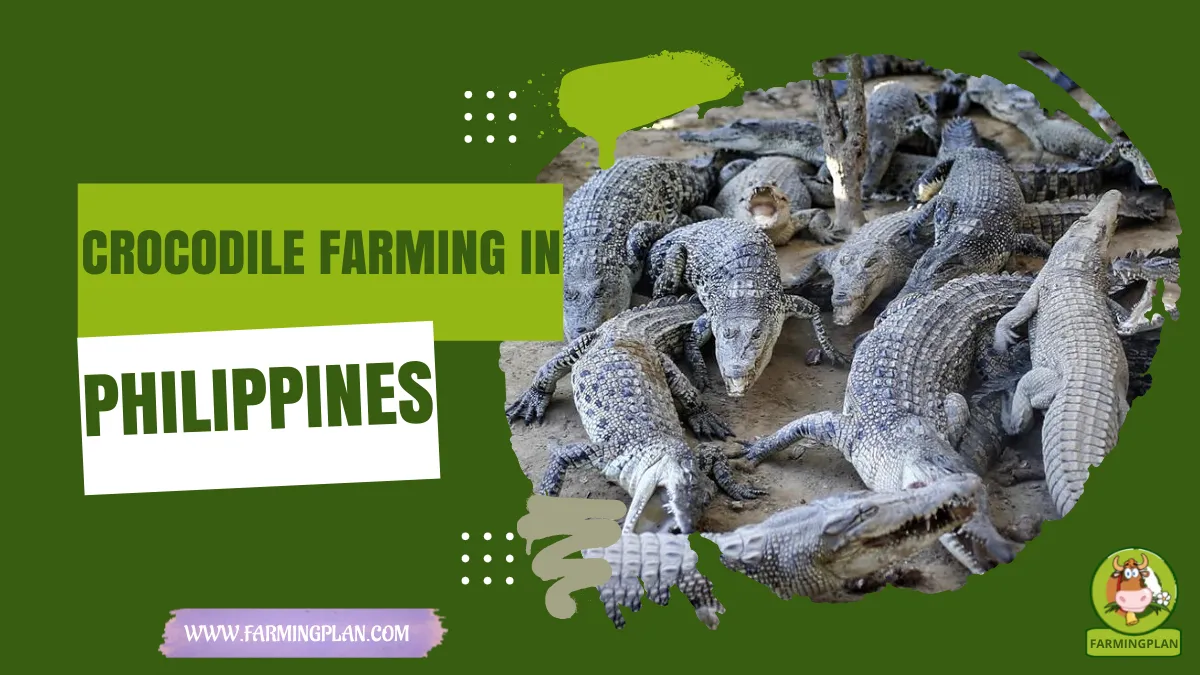
Crocodile Farming in Philippines has become one of the most unique wildlife-based industries in Southeast Asia. Over the years, I have seen how Philippine crocodile farms combine conservation, tourism, farming, and export business into one powerful industry. Farmers raise crocodiles for skins, crocodile meat, crocodile oil, tourism parks, and biodiversity conservation programs. The Philippines also protects rare species like Crocodylus mindorensis, also known as the Philippine freshwater crocodile, which remains critically endangered.
At the same time, commercial farms focus heavily on Crocodylus porosus or the Saltwater Crocodile because of its valuable leather. Major centers such as the Palawan Wildlife Rescue and Conservation Center in Puerto Princesa City and several private commercial farms in Mindanao continue to expand the industry through sustainable development and conservation research. Many tourists now visit crocodile farms in Palawan, Davao, and even near Boracay Island while learning about wildlife rescue, hatchlings, habitat destruction, and crocodile farming technology.
History & Origin
Long before organized farming began, local hunters in the Philippines captured crocodiles from marshes, riverine habitats, and wetlands for their skins and meat. During the mid-1900s, traders heavily hunted Philippine crocodiles and Saltwater Crocodiles. This uncontrolled hunting pushed many wild populations close to extinction. I often explain to new farmers that habitat destruction hurt crocodile numbers even more than hunting did. Expanding fishponds, backyard swine production, logging, and agriculture reduced nesting areas across Palawan and Mindanao.
Early Crocodile Trade And Hunting Era
People once feared crocodiles instead of understanding their ecological value. Villagers killed crocodiles whenever they appeared near chickens, livestock, or fishing communities. As demand for exotic leather increased in luxury markets, illegal hunting also grew rapidly.
Government Conservation And Farming Programs
The Philippine government later recognized the urgent need for conservation. The Department of Environment and Natural Resources introduced stronger wildlife protection policies and partnered with international conservation agencies. One major turning point came through the Crocodile Farming Institute in Palawan. This institution later evolved into the famous Palawan Wildlife Rescue and Conservation Center located in Barangay Irawan, Puerto Princesa City.
Organizations such as JICA-Japan International Cooperative Agency helped improve crocodile farming technology, rearing methods, hatchling survival, and conservation programs. The government also enforced the Convention on International Trade in Endangered Species or CITES to regulate crocodile skin exports. DENR ADMINISTRATIVE ORDER NO.
98-64 helped strengthen legal farming and wildlife monitoring. Today, crocodile farms support both conservation and socio-economic well-being. Farms now supply skins to luxury leather companies connected with brands like Louis Vuitton, Hermès, and LVMH while protecting endangered species through breeding programs and research.
Reads More: Anatolian Black Cattle: Successful Farming
Characteristics
Philippine crocodile farms usually raise two important species. The first one is Crocodylus porosus, the Philippine saltwater crocodile. The second one is Crocodylus mindorensis, the Philippine freshwater crocodile. I’ve worked with both species, and each one has very different traits.
Physical Traits Of Farmed Crocodiles
Saltwater Crocodiles grow much larger and adapt well to commercial farming. Mature males can exceed 20 feet and weigh over 1,000 kilograms. Their rough armored skin produces highly valuable crocodile skins used in handbags, shoes, belts, and luxury leather goods. The Philippine freshwater crocodile stays smaller and has a broader snout. Farmers rarely raise it for commercial production because conservation programs focus heavily on species recovery. This species remains critically endangered due to habitat destruction and illegal hunting.
Skin Quality And Commercial Value
Skin quality determines the value of a crocodile farm. Buyers examine scale patterns, scars, scratches, and overall leather texture. Farmers install smooth pond walls and proper housing to avoid skin injuries. Even small scratches can lower export prices dramatically. Commercial farms also track crocodiles using microchip transponders. This technology helps farms follow international standards required by CITES and export markets. Healthy crocodiles produce stronger skins, better meat quality, and improved breeding performance.
Nature & Temperament
Crocodiles look terrifying, but experienced handlers understand their behavior patterns very well. From my experience, Saltwater Crocodiles act more territorial and aggressive than Philippine freshwater crocodiles. Adult males especially become dangerous during breeding season. Young hatchlings usually stay nervous and defensive. They hiss, snap, and retreat quickly when startled. As they mature, crocodiles become calmer around regular feeding routines. Still, I never recommend direct handling unless trained professionals supervise the work.
Social Structure And Farm Management
Crocodiles establish strong dominance hierarchies. Large animals bully weaker crocodiles if farmers overcrowd the pens. I always separate crocodiles according to size and age groups to reduce injuries and stress. Farm workers also maintain quiet surroundings because crocodiles react strongly to noise and sudden movement. During typhoons or severe weather, stressed crocodiles may attempt escape.
Secure fencing and reinforced enclosures remain essential in every crocodile farm. Tourists visiting crocodile farms often misunderstand crocodile behavior. Many assume crocodiles attack constantly, but healthy crocodiles usually conserve energy and avoid unnecessary movement. Proper farm management keeps both workers and animals safer.
Food & Diet
Crocodiles eat fish, birds, crustaceans, snakes, and small mammals in the wild. On farms, I feed crocodiles carefully balanced diets that support fast growth and healthy skin production. Protein remains the most important nutrient for crocodiles. Many farms use fish scraps, chicken waste, pork trimmings, and formulated feeds. Some farms near coastal regions use marine fish because they provide good nutrition at lower cost. Hatchlings need softer foods cut into small pieces to prevent choking.
Feeding Schedule And Nutrition Tips
Young crocodiles eat almost daily because they grow quickly. Adult crocodiles require fewer meals since they digest food slowly. Overfeeding creates obesity and poor skin quality, so I monitor feeding amounts closely. Clean water also plays a major role in crocodile health. Dirty ponds increase disease risk and lower appetite. I regularly remove leftover meat to prevent bacterial contamination.
Farmers should avoid feeding spoiled meat because it spreads infections rapidly. Consistent feeding schedules reduce stress and improve overall growth performance. Healthy crocodiles produce better crocodile meat, stronger skins, and higher market value.
Usage & Purpose
The crocodile skin industry drives most commercial farming operations in the Philippines. Luxury fashion companies purchase premium skins for handbags, wallets, shoes, and belts. Exotic leather from Saltwater Crocodiles commands very high prices in export markets. Top-grade skins often go to European fashion houses linked with Hermès and Louis Vuitton. Buyers inspect every skin carefully before processing. Farms with excellent skin management practices earn significantly higher profits.
Meat, Oil, Tourism, And Conservation
Crocodile meat also continues to gain popularity. Restaurants now serve crocodile sisig, adobo, sausages, and grilled dishes to adventurous tourists. Many people compare crocodile meat to chicken or fish because of its mild flavor. Some farms also produce crocodile oil products used in skincare and alternative medicine. Tourism creates another major income source.
Visitors enjoy educational tours, wildlife rescue exhibits, hatchling displays, and feeding demonstrations. Conservation remains equally important. Many farms cooperate with biodiversity conservation programs and wildlife rescue centers to protect endangered Philippine crocodiles.
Special Features
One unique aspect of Crocodile Farming in Philippines involves its direct link to conservation. Few livestock industries actively protect endangered wildlife while generating income. Philippine crocodile farms help preserve rare species through breeding programs and habitat awareness campaigns. The Palawan Wildlife Rescue and Rehabilitation Center stands as one of the best examples of combining conservation research with tourism and education. Students, tourists, and local communities learn how crocodiles support healthy ecosystems.
High Economic Potential
Crocodile farming also offers impressive economic benefits. Premium skins generate strong export earnings. Crocodile meat, oil, tourism, hatchlings, and breeding stock create multiple revenue streams for farm owners. Some farms even sell eggs, juvenile crocodiles, and educational tourism packages. Large farms near Puerto Princesa and Mindanao attract international buyers and researchers interested in sustainable use practices and crocodile farming technology.
Health Issues & Prevention
Like any livestock operation, crocodile farms face health challenges. Poor water quality often causes bacterial infections, fungal skin diseases, and digestive problems. Hatchlings remain especially vulnerable because their immune systems still develop. Respiratory infections appear frequently during cold or rainy weather. Overcrowding also increases stress and disease transmission. Injured crocodiles often develop infected wounds if workers ignore treatment.
Prevention And Biosecurity Measures
I always tell new farmers that prevention costs far less than treatment. Clean ponds, balanced feeding, proper drainage, and strict hygiene practices greatly reduce disease risk. Workers should disinfect tools regularly and isolate sick crocodiles immediately. Farms also maintain secure quarantine areas for new arrivals. Veterinarians sometimes recommend antibiotics for severe infections, but farmers should avoid unnecessary medication use. Proper farm design improves airflow, water circulation, and sanitation. Strong biosecurity programs protect both crocodiles and farm profitability.
“Smart Crocodile Farming Protects Wildlife While Creating Income For Rural Communities. A Well-Managed Farm Turns Conservation Into Opportunity.”
Step-by-Step Farming Guide
Starting a crocodile farm requires patience, planning, legal permits, and specialized knowledge. I always encourage beginners to study conservation laws before buying their first hatchlings. Crocodiles need secure facilities, proper feeding systems, strong fencing, and long-term investment planning. Farmers must also coordinate with the Department of Environment and Natural Resources for permits and compliance with CITES regulations.
Building A Safe And Profitable Crocodile Farm
Location matters greatly in crocodile farming. Warm tropical climates support faster growth and better breeding performance. Farms near clean water sources reduce operational costs. I also recommend building farms away from crowded residential areas because crocodiles create safety concerns and noise issues. Good farm management balances profitability with animal welfare and conservation. Successful farmers invest heavily in infrastructure, staff training, veterinary care, and export compliance. Every step affects skin quality, growth rates, and long-term farm success.
Step 1 – Secure Legal Permits And Training
Before starting operations, I always complete legal registration and wildlife permits. Crocodiles remain protected animals, so governments regulate farming activities carefully. Farmers must follow DENR guidelines and CITES documentation requirements. Training also matters enormously. Beginners should visit established crocodile farms in Palawan or Mindanao to observe rearing methods, feeding systems, and hatchling care. Hands-on learning prevents costly mistakes later.
Step 2 – Build Proper Enclosures
Crocodiles need secure concrete ponds with strong fencing and escape prevention systems. I divide enclosures according to crocodile size and age. Hatchlings require shallow warm ponds, while adults need deeper water and shaded resting zones. Smooth surfaces protect crocodile skins from scratches. Proper drainage systems also improve hygiene and reduce bacterial growth. Farms should install emergency backup systems during typhoons or flooding events.
Step 3 – Source Healthy Hatchlings
I always purchase hatchlings from licensed breeders or conservation farms. Healthy hatchlings show active movement, clear eyes, and smooth skin. Weak hatchlings often struggle to survive stressful transport conditions. Farmers should quarantine new hatchlings before mixing them with older crocodiles. Early disease detection protects the entire farm population.
Step 4 – Establish Feeding Programs
Young crocodiles require frequent feeding schedules with high-protein diets. I feed hatchlings small fish pieces, chicken meat, and formulated feeds several times weekly. Adult crocodiles eat larger meals less often. Consistent feeding improves growth rates and reduces aggression. Fresh clean water remains equally important because dirty ponds increase infection risk.
Step 5 – Monitor Growth And Skin Quality
Commercial crocodile farming focuses heavily on skin quality. I inspect crocodiles regularly for injuries, scratches, and skin diseases. Farms often use microchip transponders for identification and export documentation. Stress reduction also improves skin condition. Quiet environments, proper stocking density, and careful handling protect valuable skins from damage.
Step 6 – Prepare For Harvest And Marketing
Most farms harvest crocodiles once skins reach commercial size. Workers process skins carefully to preserve leather quality. Farms then sell products to exporters, leather processors, restaurants, and tourism markets. Successful marketing strategies include tourism partnerships, educational programs, crocodile meat products, and leather export agreements. Diversified income streams strengthen farm profitability over time.
Reads More: Rainbowfish Delightful Aquarium Guide
Expert Tips & Best Practices
Practical Strategies For Long-Term Success
- I always separate crocodiles by size to prevent fighting and cannibalism.
- Clean water improves growth, appetite, and skin quality dramatically.
- Strong fencing prevents dangerous escapes during storms or typhoons.
- Farmers should never overcrowd crocodiles inside enclosures.
- Quiet surroundings reduce stress and aggressive behavior.
- High-protein diets produce healthier crocodile skins.
- Regular veterinary checks help detect disease early.
- Tourism programs create extra income for crocodile farms.
- Conservation partnerships improve public trust and farm reputation.
- Staff training greatly improves handling safety and productivity.
- Export-focused farms should follow international leather standards carefully.
- Farmers who diversify into crocodile meat, sausages, and oil products often earn higher profits.
FAQs
Is crocodile farming legal in the Philippines?
Yes, licensed crocodile farming operates legally under strict regulations from the Department of Environment and Natural Resources and CITES guidelines. Farms must secure permits and follow wildlife conservation laws.
What is the largest crocodile farm in the Philippines?
The Palawan Wildlife Rescue and Conservation Center in Puerto Princesa City remains one of the most famous crocodile facilities in the country. It serves both conservation and tourism purposes.
What do crocodile farms sell?
Most farms sell crocodile skins, crocodile meat, crocodile oil, hatchlings, and tourism services. Premium skins often enter luxury leather export markets.
Which crocodile species do Philippine farms raise?
Farms mainly raise Crocodylus porosus or Saltwater Crocodiles for commercial production. Conservation centers also protect Crocodylus mindorensis, the Philippine freshwater crocodile.
Is crocodile meat safe to eat?
Yes, licensed farms process crocodile meat under food safety standards. Many restaurants serve crocodile dishes such as sisig, adobo, and sausages.
Conclusion
Crocodile Farming in Philippines continues to grow as a powerful blend of conservation, tourism, and commercial farming. From protecting critically endangered Philippine crocodiles to supplying premium exotic leather and crocodile meat, this industry creates real economic opportunities while supporting biodiversity conservation. I believe farmers who focus on proper animal care, legal compliance, strong biosecurity, and sustainable development will continue to succeed in the future. Whether you want to explore crocodile farming technology, visit conservation farms in Palawan, or build your own licensed operation, this field offers exciting possibilities for dedicated farmers and wildlife enthusiasts. If you enjoyed this guide, share it with fellow farmers, leave a comment, and help spread awareness about responsible crocodile conservation and farming in the Philippines.