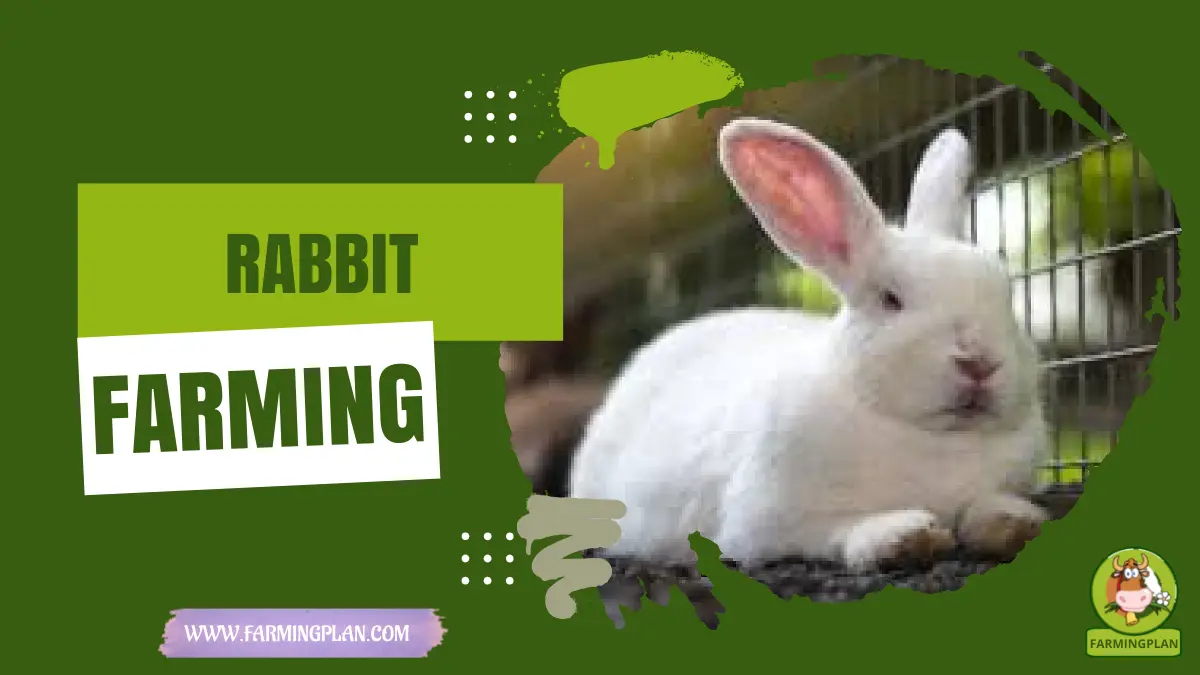
Rabbit Farming is one of the easiest and most profitable forms of animal husbandry I’ve worked with over the years. Whether you’re a beginner looking for a small backyard project or a farmer searching for a sustainable livestock alternative, rabbits offer an amazing opportunity. I’ve seen people start with just a pair and grow into a full rabbitry business within a year.
In this guide, I’ll walk you through everything—from rabbit farming for beginners, breed selection like New Zealand White and Californian, feeding systems, breeding practices, and even how to build a solid rabbit farming business plan. Rabbits require less space, reproduce quickly, and provide multiple benefits like meat, manure, fur, and even companionship. If you’re serious about raising rabbits, this article will give you practical, real-life insights based on my experience in cuniculture.
History & Origin
Rabbit farming traces back to the domestication of the European rabbit (Oryctolagus cuniculus). I always tell beginners that understanding history helps you manage animals better. Ancient Romans first kept rabbits in enclosed areas called “leporaria.” They valued rabbits for meat and fur. Later, during the Middle Ages, monks in Europe played a big role in rabbit domestication. They selectively bred rabbits for better meat and adaptability. Over time, this led to the development of modern breeds like Flemish Giant, Champagne d’Argent, and Dutch Rabbits.
Read More: Chaudry Rabbit: Becoming a Successful
Growth Of Modern Rabbitry
In modern times, rabbit farming became part of commercial agriculture. Organizations like the ARBA (American Rabbit Breeders Association) helped standardize breeds and promote quality stock. I’ve personally seen how breeding programs improved meat production and wool quality in breeds like Angora. Today, rabbits play roles in food supply, laboratories, and even regenerative agriculture. Their adaptability makes them perfect for both rural farms and urban setups like “Bunnies on the Balcony” systems.
Characteristics
Rabbits come in a wide range of sizes and shapes. I’ve handled small breeds like Dwarf Lop and large ones like British Giants. Meat breeds like New Zealand Whites and Californian rabbits grow fast and reach market weight quickly. Most rabbits have strong hind legs, long ears, and soft fur. Their body structure supports quick movement and survival instincts. Coat colors vary widely depending on breed, from pure white to spotted and chinchilla shades.
Growth, Reproduction, And Lifespan
One reason I recommend Rabbit Farming is their fast reproduction cycle. A female rabbit (doe) has a short gestation period of about 28–31 days. Each litter can produce 6–12 rabbit kits, which grow rapidly with proper feeding. Rabbits typically live 5–10 years depending on care. Meat rabbits reach market size within 10–12 weeks, making them ideal for quick returns. Their efficient feed conversion is something I always highlight to new farmers.
Nature/Temperament
Rabbits are calm, gentle, and easy to handle if you treat them properly. In my farm, I always handle rabbits carefully to avoid stress. They respond well to routine and quiet environments. They can become aggressive if overcrowded or poorly managed. Bucks (males) sometimes show territorial behavior, especially during breeding season.
Suitability For Farmers And Pet Owners
Rabbit Farming suits both beginners and experienced farmers. I’ve seen kids successfully raise rabbits as pets while farmers manage large-scale rabbitry systems. They adapt well to small spaces, making them ideal for urban farming. With proper care, they become friendly and even recognize their handlers.
Food & Diet
Feeding rabbits properly is the backbone of successful farming. I always recommend a mix of commercial rabbit feed, grasses, and fresh vegetables. Pellets provide balanced nutrition with the right protein %, vitamins, and minerals. Green fodder like grasses and leafy vegetables supports digestion. Clean water must be available at all times.
Dos And Don’ts In Feeding
Rabbit manure is rich in nitrogen, potassium, and phosphorus, making it excellent fertilizer. I use it in my homestead veggie plot, and it works wonders.
I never feed rabbits spoiled or wet food. It can cause digestive issues. Avoid sugary foods and limit fruits. Always introduce new feed gradually.
Tip Quote:
“Feed Clean, Feed Fresh—Healthy Rabbits Grow Best.”
Rabbit manure is rich in nitrogen, potassium, and phosphorus, making it excellent fertilizer. I use it in my homestead veggie plot, and it works wonders.
Usage/Purpose
Rabbit Farming provides multiple income streams. Meat rabbits like New Zealand White produce lean, high-protein meat. I’ve sold processed rabbit meat in local markets with great demand. Fur and pelts also have value. Breeds like Angora produce wool used in textiles.
Other Uses And Benefits
Rabbits serve in laboratories for research and medical studies. Their manure supports organic farming systems. They also make excellent pets. Some farmers even raise rabbits for companionship, which adds emotional value to the business.
Special Features
Rabbits reproduce quickly and need less space compared to livestock like cattle or goats. I’ve raised over 50 rabbits in a small area using proper hutches and cages. Their small size makes them perfect for micro-livestock farming.
Eco-Friendly And Sustainable Farming
Rabbit farming supports regenerative agriculture. Their manure improves soil fertility naturally. They consume less feed and produce less waste, making them environmentally friendly. This is why many homesteaders prefer rabbits over larger animals. Rabbit Farming provides multiple income streams. Meat rabbits like New Zealand White produce lean, high-protein meat. I’ve sold processed rabbit meat in local markets with great demand. Fur and pelts also have value.
Health Issues & Prevention
Rabbits can suffer from diseases like coccidiosis, respiratory infections, and digestive issues. I’ve seen symptoms like rabbit sneezing, diarrhea, and loss of appetite. Poor hygiene and ventilation often cause these problems. Rabbit farming supports regenerative agriculture.
Prevention And Treatment
I always maintain clean cages and proper ventilation. Regular health checks help detect issues early. Use anti-coccidiosis treatments when needed and consult a vet for serious conditions. Clean water and quality feed reduce most health risks.
Read More: Armenian Gampr Dog Powerful Guardian Breed
Step-by-Step Farming Guide
When I started Rabbit Farming, I made mistakes that cost me time and money. Over the years, I refined a simple step-by-step system that works for beginners and professionals alike. This guide covers everything—from setting up your rabbitry to managing breeding, feeding, and daily care. If you follow these steps carefully, you can build a profitable and sustainable rabbit farming business. I’ll explain each step in detail so you can avoid common errors and grow faster.
Step 1: Selecting The Right Breeds
Choosing the right breed is the foundation of success. I always recommend starting with proven breeds like New Zealand Whites, Californian, or Chinchilla for meat production. For wool, go for Angora, and for large size, try Flemish Giant. Select healthy, active rabbits with clean eyes and smooth fur. Avoid weak or sick animals. Buy from trusted breeders or farms. Good genetics improve growth rate, reproduction, and disease resistance.
Step 2: Building Hutches And Housing
Proper housing keeps rabbits safe and healthy. I build rabbit hutches with good ventilation and protection from heat and rain. Each rabbit needs enough space to move comfortably. Use wire cages for easy cleaning. Keep males and females separate except during breeding. Always place hutches in a quiet, shaded area. Clean cages regularly to prevent disease.
Step 3: Feeding And Water Management
I follow a strict feeding routine. Provide rabbit pellet foods, fresh grass, and clean water daily. Avoid overfeeding. Maintain balance between dry feed and greens. Use feeders and water bottles to keep food clean. Consistent feeding time helps rabbits stay healthy and stress-free.
Step 4: Breeding And Reproduction
Breeding rabbits requires planning. I always take the female to the male’s cage for mating. After mating, monitor the doe carefully. Provide a nest box before kindling. Ensure a calm environment during pregnancy. After birth, check kits regularly but avoid disturbing them too much.
Step 5: Health Care And Daily Management
Daily care is essential. I inspect rabbits every morning for signs of illness. Clean cages, remove waste, and ensure proper ventilation. Provide fresh water and monitor feeding habits. Good hygiene prevents most diseases and keeps your farm productive.
“Small Animals, Big Profits—Raise Rabbits With Care, And They’ll Feed Your Future.”
Expert Tips & Best Practices
Practical Tips From My Experience
- Start small and expand gradually
- Keep detailed breeding records
- Use quality commercial rabbit feed
- Maintain strict hygiene in the rabbitry
- Avoid inbreeding to improve genetics
- Monitor temperature and ventilation
- Sell rabbits at proper market weight
- Use rabbit manure as fertilizer
- Learn from experienced farmers and farming channels
- Stay consistent with feeding and care routines
FAQs
What Is The Cost Of Starting Rabbit Farming?
Starting costs depend on scale. A small setup with cages, breeding stock, and feed can begin with a low budget. Many beginners start with just two rabbits.
How Fast Do Rabbits Reproduce?
Rabbits reproduce quickly with a gestation period of about 30 days. A single doe can produce multiple litters each year.
Is Rabbit Farming Profitable?
Yes, it can be very profitable with proper management. Income comes from meat, fur, manure, and breeding stock.
What Do Rabbits Eat Daily?
Rabbits eat pellets, grasses, vegetables, and fresh water. Balanced nutrition ensures healthy growth and reproduction.
How Much Space Do Rabbits Need?
Rabbits need small but clean and well-ventilated spaces. Proper cages or hutches improve health and productivity.
Conclusion
Rabbit Farming offers a simple, profitable, and sustainable way to enter livestock farming. I’ve seen firsthand how rabbits can turn a small investment into a steady income source. They grow fast, reproduce quickly, and require minimal space and care compared to other animals. With proper breed selection, feeding, and management, you can build a successful rabbitry whether you live in a rural or urban area. If you’re ready to start, begin small, stay consistent, and learn as you grow. Share your thoughts, ask questions, or tell me about your rabbit farming journey—I’d love to hear from you!