Rainbowfish have become one of my favorite aquarium fish because they bring movement, color, and energy into any freshwater tank. I still remember the first group of Boesmanis swimming across my rainforest style tank with their glowing blue and orange bodies. These fish belong to the Melanotaeniidae family and include beautiful species like Praecox, Pseudomugil, threadfin rainbows, furcata rainbows, Red Neon Rainbow, Red Laser Rainbow, and Taritatu River Rainbow. Many hobbyists also enjoy rare species such as Melanotaenia vanheurni, Pseudomugil pellucidus, and Telmatherina varieties.
I often recommend Rainbow Fish to hobbyists because they stay active, peaceful, and easy to care for once you understand their water conditions and feeding habits. They thrive in planted aquariums with floating plants, dark substrate, hard water, and stable temperature levels. In this guide, I’ll share my real-life experience with Rainbowfish breeding, aquarium setup, feeding, health care, and daily maintenance so you can enjoy a thriving and colorful tank at home.

History & Origin
Rainbowfish come from freshwater habitats in Australia, New Guinea, and nearby islands. I first became fascinated by them after studying wild species from rivers, swamps, and rainforest streams. Many species live in areas filled with aquatic vegetation, slow-moving water, and dense aquatic plants. These fish adapted to warm tropical environments with stable pH levels and clean water. If you’ve enjoyed this guide, share your favorite Rainbowfish species, breeding experiences, or aquarium setup ideas in the comments and help other fish keepers learn from your journey too.
Natural Habitat And Geographic Origins
Species from the Pseudomugil group often inhabit shallow streams and marshes. Fish like Pseudomugil pellucidus and Red Neon Blue Eye prefer soft water with gentle current. Other species such as Boesmanis, Salmonreds, and Chilatherina thrive in slightly harder water conditions. Some rare Rainbowfish come from isolated places including Kali Tawa, Klasio Creek, Lake Sentani, Fletcher Creek, Oyster Creek, and Pagai Village.
The Aquarium Trade
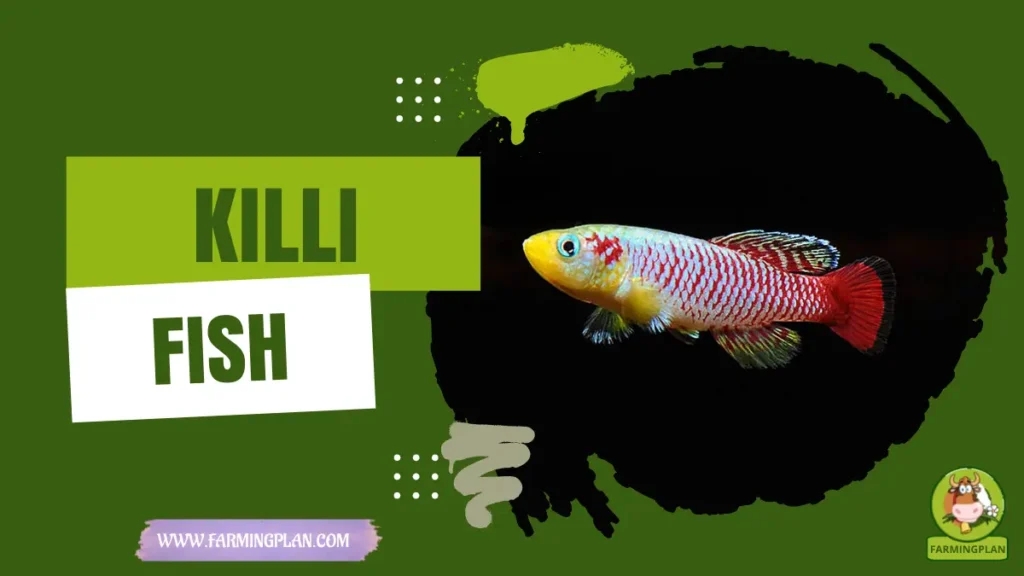
The aquarium trade introduced Rainbowfish to hobbyists around the world during the twentieth century. Breeders quickly noticed their bright colors and peaceful behavior. Today, Aquarium Bred and Raised Rainbowfish dominate most fish stores because breeders successfully reproduce them in captivity. I’ve seen Rainbowfish become especially popular in community tanks alongside peaceful fish like Cory Cats, Discus, and peaceful KILLIFISHES including Gardneri Killi, Chocolate Australe Killi, Gold Australe Killi, and Albino Gardneri Killi.
Their popularity keeps growing because aquarists love their shimmering colors and constant activity. Some people confuse “Rainbowfish story” with the famous children’s Rainbowfish book, which tells a story about friendship and sharing. While the book helped introduce many children to colorful fish, real Rainbowfish offer even more beauty inside a live aquarium.
Reads More: KuneKune Pig Joyful Heritage Guide
Characteristics
Rainbowfish display some of the most attractive colors in freshwater aquariums. Mature males develop glowing shades of blue, yellow, orange, red, silver, and purple depending on the species. I especially enjoy the dramatic contrast on Bosmani Rainbows, where the front half appears blue while the rear glows orange. Most species feature slim bodies, large eyes, forked tails, and beautiful dorsal fins. Their lateral line remains less noticeable than many other aquarium fish. Some species also have specialized premaxillary teeth that help them feed on small insects and tiny aquatic foods.
Size Variations And Physical Traits
Rainbowfish size varies depending on species. Small fish like Praecox or threadfin rainbows stay around 2 inches long, while larger species may exceed 5 inches. I always match tank size to the adult size of the fish because overcrowding stresses them quickly. Sexual dimorphism appears strongly in mature adults. Males usually show brighter colors, deeper bodies, and longer dorsal fins. Females appear smaller and less colorful but remain very important during breeding projects.
Popular Species Hobbyists Love
Some of the most popular Rainbowfish species include:
- Boesmanis
- Praecox Rainbowfish
- Threadfin rainbows
- Furcata rainbows
- Red Neon Rainbow
- Red Laser Rainbow
- Salmonreds
- Luminatus Rainbowfish
- Pseudomugil species
- Chilatherina species
- Rhadinocentrus ornatus
I often combine multiple compatible species in large aquariums because their schooling behavior creates a beautiful display.
Nature & Temperament
Friendly Schooling Behavior
Rainbowfish behave like active schooling fish that constantly swim in the middle and upper levels of the aquarium. I always keep at least six fish together because they feel safer and show better color in groups. These fish rarely show aggression toward tank mates. Males may display to each other during breeding season, but they almost never cause serious harm. Their active swimming patterns make them ideal for large community aquariums.
Best Tank Mates
I’ve successfully kept Rainbowfish with many peaceful species, including:
- Cory Cats
- Discus
- Black Medaka Ricefish
- Platinum Miyuki Medaka Ricefish
- Red Stardust Medaka Ricefish
- Albino Rachovii Killi
- Small peaceful tetras
- Dwarf gouramis
I avoid aggressive fish or fin nippers because threadfin rainbows have delicate fins. I also stay careful when housing them with puffer species because puffers may attack flowing fins.
Intelligence And Daily Interaction
Rainbowfish quickly recognize feeding routines. Mine swim toward the front glass whenever I approach the tank. Their curiosity and movement create a lively atmosphere that many beginners enjoy immediately. These fish also react strongly to tank design. Dark substrate, dark background, floating plants, and bowfront aquariums often make their colors appear even brighter.
Food & Diet
Rainbowfish act as omnivores, so I feed them both protein-rich foods and plant material. A varied diet improves color, breeding condition, and overall health. I rotate foods regularly to keep them active and healthy.
My favorite live and frozen foods include:
- Brine shrimp
- Daphnia
- Cyclops
- Bloodworms
- Infusoria for fry
Young fry especially need tiny foods like infusoria and newly hatched brine shrimp.
Dry Foods And Feeding Routine
High-quality flakes and micro pellets work well as staple foods. I feed small portions two or three times daily instead of one heavy feeding. Overfeeding quickly pollutes the aquarium and damages water quality. I also include vegetable-based foods occasionally. Spirulina flakes and finely chopped greens support digestion and coloration.
Foods To Avoid
I never feed oily meats or oversized pellets because Rainbowfish have relatively small mouths. Poor-quality food often causes bloating and cloudy water conditions. Stable temperature and clean water matter just as much as proper food. Healthy Rainbowfish usually display strong appetites and vibrant colors every day.
Usage & Purpose
Rainbowfish serve mainly as ornamental aquarium fish. Their peaceful nature and nonstop movement create a lively centerpiece in freshwater aquariums. I often recommend them to hobbyists who want colorful fish without aggressive behavior. Many aquarists build entire rainforest style tanks around Rainbowfish because aquatic plants enhance their natural beauty. Their schooling behavior also creates stunning motion in large display aquariums.
Breeding And Conservation Value
Breeders also value Rainbowfish for selective breeding projects. Some rare species face habitat loss in the wild, so aquarium breeding programs help preserve genetic diversity. I’ve worked with breeders who carefully track collection locations such as Kali Tawa or Lake Sentani to maintain pure bloodlines. Responsible breeding supports long-term conservation and protects wild populations.
Educational And Hobbyist Interest
Rainbowfish also attract researchers and fish enthusiasts who study freshwater habitats, fish behavior, and aquatic ecosystems. Books like Fishes of the World often discuss Rainbowfish diversity and classification. Many schools and hobby clubs use Rainbowfish tanks to teach children about aquatic life, water chemistry, and ecosystem balance.
Special Features
One feature I absolutely love involves their daily color changes. Males often appear brighter during morning hours or breeding displays. Proper lighting and dark backgrounds dramatically improve their appearance. Some species shimmer with metallic blue eyes or glowing red fins. The Red Neon Blue Eye remains one of my favorite nano species because its electric blue eyes stand out beautifully.
Adaptability And Hardiness
Most Rainbowfish adapt well once acclimated properly. They tolerate a range of water conditions better than many delicate tropical fish. Many species even thrive in moderately hard water. I’ve noticed that Aquarium Bred and Raised fish adapt more easily to home aquariums than wild-caught imports.
Active Swimmers With Great Personality
Unlike shy fish that hide constantly, Rainbowfish stay visible throughout the day. Their movement adds life and excitement to the aquarium. Visitors always notice them first when entering my fish room.
Health Issues & Prevention
Common Health Problems
Rainbowfish usually stay hardy, but poor water quality quickly creates problems. I commonly see these issues in neglected tanks:
- Fin rot
- Ich
- Fungal infections
- Stress-related fading
- Swim bladder problems
Symptoms include clamped fins, rapid breathing, white spots, or loss of appetite.
Water Quality Prevention
I prevent most diseases by maintaining stable water conditions. I perform weekly water changes and monitor:
- Temperature
- pH level
- Ammonia
- Nitrite
- Nitrate
Most Rainbowfish prefer temperatures around 72–80°F depending on species.
Quarantine And Stress Reduction
I always quarantine new fish before adding them to the main tank. This simple step prevents disease outbreaks. Floating plants, clean filters, and stable lighting also reduce stress. Healthy fish display bright colors, active swimming, and strong feeding responses every day.
Reads More: Newcastle Disease Powerful Protection Guide
Step-By-Step Rainbowfish Care Guide
Keeping Rainbowfish successfully requires planning and consistency. When I started breeding Rainbow Fish years ago, I made several mistakes with overcrowding and unstable water chemistry. Over time, I learned that Rainbowfish reward careful owners with stunning color and energetic behavior. This step-by-step care guide explains exactly how I set up and maintain healthy Rainbowfish aquariums.
I’ll cover tank setup, filtration, feeding schedules, breeding preparation, and daily care routines. These methods work for beginners and experienced aquarists alike. If you follow these steps patiently, your Rainbowfish will thrive, breed, and display their best colors naturally.
Step 1 – Choose The Right Tank Setup
I always start with the largest tank possible because Rainbowfish love swimming space. Small species may survive in a 20-gallon aquarium, but larger fish like Boesmanis need at least 55 gallons for proper schooling behavior. I use dark substrate because it improves coloration dramatically. Dark backgrounds also reduce stress and create a natural appearance. Live aquatic plants help maintain water quality while providing security for the fish.
Floating plants soften strong lighting and mimic natural freshwater habitats. I also leave open swimming areas in the middle of the tank because Rainbowfish remain extremely active swimmers. Strong filtration matters greatly. I prefer canister filters or sponge filters with moderate water movement. Stable temperature and oxygen-rich water keep the fish healthy and energetic.
Step 2 – Acclimate Fish Carefully
So I always acclimate them slowly. I float the bag for temperature adjustment, then gradually add tank water over 30 to 45 minutes. I keep the lights dim during introduction because bright light increases stress. Once released, the fish usually explore the tank quickly. I monitor their breathing, swimming behavior, and appetite during the first week. Most healthy Rainbowfish begin eating within hours. Quarantine tanks remain extremely important. I quarantine all new arrivals for several weeks before introducing them to the display aquarium. This simple habit has saved my fish room from serious disease outbreaks many times.
Step 3 – Feed A Balanced Diet Daily
I feed a varied diet because Rainbowfish need protein and plant material together. My regular feeding schedule includes quality flakes, micro pellets, frozen bloodworms, cyclops, daphnia, and brine shrimp. Young fry require infusoria during the first days after hatching. Newly hatched brine shrimp help fry grow rapidly and develop strong coloration. I never overfeed. Excess food damages water quality quickly and causes algae problems. Small meals two or three times daily work best for active Rainbowfish schools. Healthy feeding behavior tells me the fish feel comfortable and stress-free.
Step 4 – Maintain Stable Water Conditions
Stable water conditions separate successful hobbyists from frustrated beginners. I test water weekly and perform regular water changes to prevent nitrate buildup. Some Pseudomugil species enjoy softer water, so I always research species requirements carefully. I clean filters regularly but avoid removing all beneficial bacteria at once. Sudden environmental changes stress fish badly and may trigger disease outbreaks. Consistent maintenance keeps colors vibrant and prevents most health problems naturally.
Step 5 – Breed Rainbowfish Successfully
Breeding Rainbowfish feels rewarding because many species spawn readily under proper conditions. I condition breeding pairs with live foods like daphnia and brine shrimp before spawning attempts. Females scatter eggs among fine-leaved plants or spawning mops. I remove eggs carefully because adult fish may eat them. Warm temperatures and clean water improve hatch rates. Fry usually hatch within one to two weeks depending on species and temperature. Raising fry requires patience, tiny foods, and daily observation. Once the juveniles develop color, the hard work feels completely worthwhile.
“Healthy Rainbowfish Always Show Their Best Colors In Clean Water And A Peaceful Tank. I’ve Learned That Happy Fish Create A Stunning Aquarium.”
Expert Tips & Best Practices For Success
Smart Tips From My Fish Room
- Keep Rainbowfish in groups of six or more.
- Use dark substrate and dark backgrounds for stronger colors.
- Avoid aggressive tank mates.
- Feed live foods weekly for better breeding success.
- Maintain stable temperature year-round.
- Add floating plants to reduce stress.
- Choose larger tanks whenever possible.
- Perform weekly water changes consistently.
- Use quality filtration with moderate current.
- Research each species before mixing different Rainbowfish.
- Watch for sexual dimorphism when selecting breeding pairs.
- Acclimate new fish slowly to avoid shock.
- Keep breeding mops ready if you notice spawning behavior.
- Quarantine all new fish before introduction.
- Avoid overcrowding active swimming species.
FAQs
Are Rainbowfish good for beginners?
Yes, many Rainbowfish species suit beginners because they stay peaceful, hardy, and active. Beginners simply need stable water conditions and proper tank size.
How big do Rainbowfish get?
Rainbowfish size depends on species. Small Praecox Rainbowfish stay around 2 inches, while larger Boesmanis may reach 5 inches or more.
Can Rainbowfish live with Cory Cats?
Yes, Rainbowfish and Cory Cats make excellent community tank mates. Both species remain peaceful and enjoy similar water conditions.
How often should I feed Rainbowfish?
I feed my Rainbowfish two or three small meals daily. Variety matters more than quantity, so I rotate flakes, brine shrimp, daphnia, and bloodworms.
Do Rainbowfish need plants in the aquarium?
Yes, aquatic plants help Rainbowfish feel secure and reduce stress. Floating plants and dense vegetation also improve breeding success and natural behavior.
Conclusion
Rainbowfish bring energy, movement, and incredible color into freshwater aquariums. I’ve spent years raising species like Boesmanis, Praecox, threadfin rainbows, and Pseudomugil varieties, and they continue to impress me every day. Their peaceful temperament, active schooling behavior, and easy breeding habits make them excellent choices for hobbyists, breeders, and aquarium lovers alike. When you provide clean water, stable temperature, healthy food, and enough swimming space, these fish reward you with stunning colors and lively personalities. Whether you build a planted rainforest style tank or a large community aquarium, Rainbowfish easily become the center of attention.