When I first started working with the Pomeranian Duck, I quickly realized why so many breeders love this beautiful bird. This breed stands out not only for its striking appearance but also for its usefulness in both meat and egg production. If you are searching for a dual-purpose duck that combines beauty with productivity, this one deserves your attention.
The Pomeranian Duck, also known as the Pommern Duck breed, originates from the coastal regions of Pomerania along the Baltic Sea. It comes in stunning colors like blue, black, and brown, often with a unique white bib or white breast that adds to its ornamental charm. Many people compare it with Shetland Duck or Swedish Blue Ducks, but it has its own distinct personality and farming value. In this guide, I’ll walk you through everything I’ve learned—from history and characteristics to feeding, health care, and step-by-step farming. Whether you’re a beginner or an experienced farmer, you’ll find practical advice here.
History & Origin
The Pomeranian Duck traces its roots back to the historical region of Pomerania, located along the Baltic Sea in parts of modern-day Germany and Poland. Farmers in these coastal areas needed a hardy duck that could survive tough weather conditions and still produce good meat and eggs. Over time, they developed this strong and adaptable breed.
I always find it fascinating how local needs shape animal breeds. In this case, coastal farmers selected ducks that could forage naturally, resist cold climates, and grow efficiently. That’s why this breed thrives even today in backyard farms and small-scale operations.
Read More: Shetland Duck: Swedish Blue Ducks in Scotland
Development And Recognition Across Countries
The breed later spread to countries like Sweden, Switzerland, and Holland. In Germany, it became known as “Pommernenten,” while in English, we call it the Pomeranian Duck. It belongs to the species Anas platyrhynchos domesticus, the same domestic lineage as most farm ducks.
Organizations such as the Food and Agriculture Organization of the United Nations have listed traditional breeds like this in conservation efforts. That shows its importance not just for farming but also for genetic diversity.
Characteristics
Physical Appearance And Plumage Colours
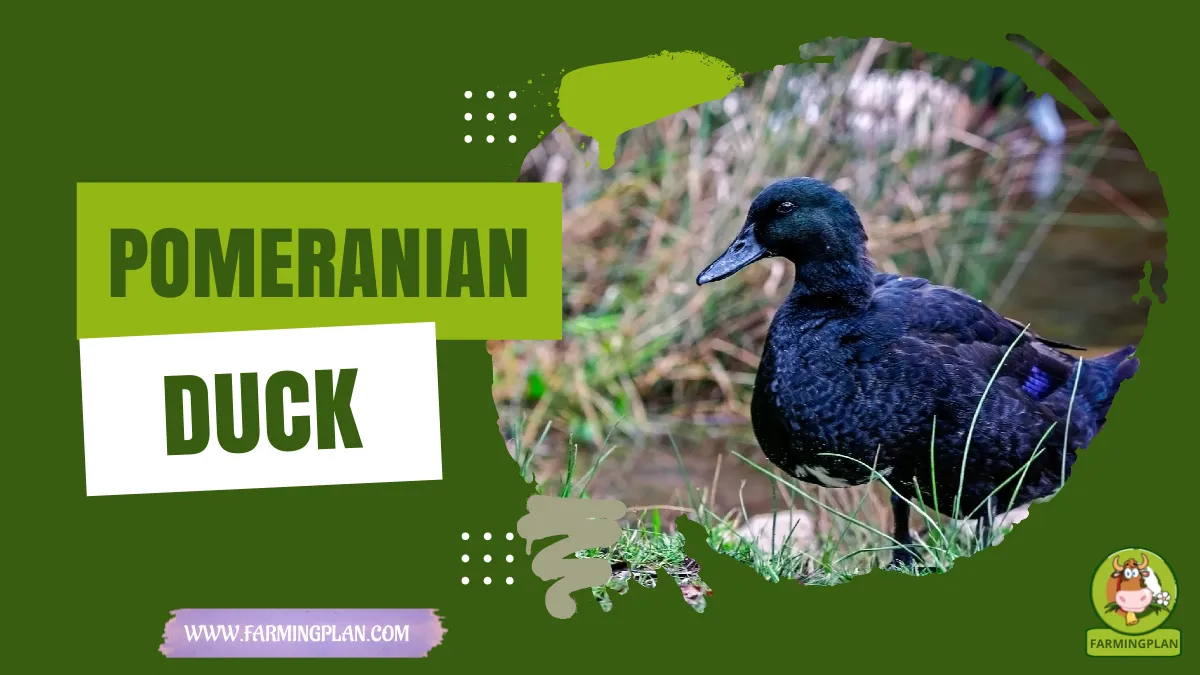
One thing I love about the Pomeranian Duck is its striking plumage. It comes in several varieties:
- Blue variety (very popular)
- Black plumage with green sheen
- Brown variety
Most birds display a beautiful white bib or white breast that contrasts with their darker body feathers. Their feathers often shine under sunlight, especially the black variety with a green sheen.
Their beaks are usually orange or dark, and they have dark brown eyes. The feet and shanks are strong, making them excellent walkers and foragers.
Body Structure And Gender Differences
This is a medium to large-sized duck with a solid, well-balanced body. Males (drakes) are typically larger than females. I’ve noticed that drakes also show more vibrant feather colors, especially around the neck area. Females, on the other hand, focus more on egg production. They lay medium-sized eggs with a weight of around 70–90 grams, often white or slightly tinted.
Nature & Temperament
Behavior And Social Traits
From my experience, Pomeranian Ducks are calm, friendly, and easy to manage. They don’t show aggressive behavior, which makes them perfect for backyard farms or family settings. They enjoy staying in groups, so I always recommend keeping at least 3–4 ducks together. This helps reduce stress and keeps them active.
Suitability For Farmers And Hobbyists
These ducks are great for:
- Beginner farmers
- Hobby breeders
- Small farm owners
- Garden pest control
They love to forage for insects and plants, which helps control pests naturally. I’ve seen them clean up garden pests efficiently without damaging crops too much.
Food & Diet
Daily Feeding Routine And Natural Foraging
I always start with a high-quality poultry feed. A mix of grains, greens, and protein works best for Pomeranian Ducks. They also benefit from natural foraging.
When I let them roam freely, they eat:
- Insects
- Small plants
- Worms
This not only reduces feed cost but also improves egg quality.
Feeding Dos And Don’ts
Here’s what I always follow:
Do:
- Provide clean water at all times
- Offer fresh greens
- Give protein supplements
Don’t:
- Avoid moldy grains
- Don’t overfeed processed food
- Never give salty or spoiled items
Usage & Purpose
Meat And Egg Production Value
The Pomeranian Duck is a true dual-purpose duck. It provides:
- Good quality meat
- Consistent egg production
I’ve personally seen hens produce around 80–120 eggs per year, depending on care and environment.
Ornamental And Hobby Farming Uses
Many people also raise them for their ornamental beauty. Their unique colors and patterns make them popular in exhibitions and hobby farms. They also serve as excellent country ducks for sustainable farming systems.
Special Features
Unique Traits And Advantages
Here are some standout features I’ve noticed:
- Strong resistance to cold climates
- Excellent foraging ability
- Attractive plumage
- Calm temperament
These traits make them suitable for both beginners and experienced farmers.
Rare And Valuable Qualities
The blue variety is especially valued among breeders. It’s not just about looks—it also maintains strong productivity. Another interesting trait is their broody nature. Some females will sit on eggs and hatch ducklings naturally, which reduces the need for incubators.
Health Issues & Prevention
Common Health Problems
Like all ducks, Pomeranian Ducks can face some health issues:
- Parasites
- Respiratory infections
- Nutritional deficiencies
I always keep an eye on signs like low activity, poor appetite, or abnormal droppings.
Prevention And Care Tips
Prevention is always better than treatment. Here’s what I do:
- Maintain clean housing
- Provide fresh water daily
- Use regular deworming
I also make sure they have access to a clean pond or water source. Ducks need water not just for drinking but also for cleaning their beaks and feathers.
“Happy Ducks Come From Clean Water, Good Feed, And A Farmer Who Truly Cares.”
Step-by-Step Farming Guide
Complete Beginner-Friendly Setup Guide
When I started raising Pomeranian Ducks, I learned that proper planning makes all the difference. Many beginners jump in without understanding the basics, and that leads to problems like poor growth, disease, or low egg production. This step-by-step guide reflects my real experience. I’ve tested these methods over time, and they work well for both small farms and backyard setups. If you follow these steps carefully, you’ll raise healthy, productive ducks without stress.
Step 1 – Setting Up Housing And Environment
I always begin with a proper shelter. Ducks need a safe, dry place to rest at night.
Build a simple house with:
- Good ventilation
- Dry bedding (straw or wood shavings)
- Protection from predators
I make sure the floor stays dry because wet conditions cause disease. Keep the house slightly elevated if possible.
Step 2 – Choosing Healthy Ducklings Or Breeders
Always buy from trusted breeders. Healthy ducklings should be active, alert, and clean.
I avoid birds that:
- Look weak
- Have dull feathers
- Show signs of illness
Selecting good stock is the foundation of successful farming.
Step 3 – Feeding And Water Management
Feed them properly from day one. Ducklings need starter feed, while adults require balanced grain and greens. Water is extremely important. Ducks must have access to clean water all the time. I also provide a small pond or container for bathing.
Step 4 – Daily Care And Monitoring
I check my ducks every day. This helps me catch problems early.
Daily routine includes:
- Cleaning water containers
- Checking feed levels
- Observing behavior
Healthy ducks stay active and alert.
Step 5 – Breeding And Egg Collection
If you want eggs or ducklings, keep a proper male-to-female ratio (1 drake for 4–5 females). Collect eggs daily and store them properly. If a hen becomes broody, let her hatch eggs naturally.
Read More: Jinhua Pig: China’s Ancient Breed of Pork!
Expert Tips & Best Practices
Pro Tips For Better Results
- Always keep water clean
- Let ducks forage naturally
- Maintain hygiene in housing
Advanced Farming Strategies
- Rotate grazing areas
- Provide mineral supplements
- Monitor seasonal changes
These simple practices improve both health and productivity.
FAQs
What Is The Difference Between Pomeranian Duck And Pommern Duck?
They are the same breed. “Pommern Duck” is just the German name, while “Pomeranian Duck” is used in English.
How Many Eggs Does A Pomeranian Duck Lay?
A female usually lays 80–120 eggs per year. Proper feeding and care can increase production.
Is Pomeranian Duck Good For Meat?
Yes, it produces good-quality meat. Farmers often raise it as a dual-purpose duck.
What Is The Price Of Pomeranian Duck?
The price varies by region and quality. Rare varieties like blue often cost more.
Are Pomeranian Ducks Easy To Raise?
Yes, they are beginner-friendly. Their calm nature and strong health make them easy to manage.
Conclusion
The Pomeranian Duck stands out as a beautiful, productive, and easy-to-raise breed that fits perfectly into both small farms and backyard setups. From its rich history in Pomerania to its modern-day popularity, this duck proves its value through strong adaptability, excellent foraging ability, and reliable meat and egg production. I’ve personally found it to be one of the most rewarding ducks to raise, especially for beginners who want a balance of beauty and function. If you’re planning to start duck farming or expand your flock, this breed is definitely worth considering. Give it a try, observe their behavior, and enjoy the process.