I have spent decades raising different domestic tumbler pigeon breeds, but few birds steal my heart quite like the Pazardchin Roller pigeon. Descended from the wild Rock Pigeon (Columba livia domesticus), this performant pigeon strain captures the eyes of fanciers across Europe and beyond. When I watch my kit launch into the blue sky, performing tight somersaults, screws, and back pirouettes, it reminds me why I became a farming specialist in the first place.
These fancy pigeons display a dazzling white-flight-pied pattern and a spirited attitude that makes loft management pure joy. Whether you call them the Rouleur de Pazardjik, Pazardchiner Roller, Rotolatore di Pazardjik, or ПАЗАРДЖИШКИ БЕНКАЛИЯ, their aerial agility is world-class. In this guide, I will share my practical experience so you can successfully keep, fly, and breed these stunning acrobats in your home loft.
History & Origin of Pazardchin Roller Pigeon
The story of the Pazardchin Roller pigeon takes us directly to Bulgaria, specifically near the historical city of Plovdiv and the region of Pazardzhik. Local bird fanciers spent decades selecting birds for both endurance and impressive somersaulting pigeon traits. Over generations of selective breeding, they perfected a bird that balanced high-flying endurance with remarkable tumbling instincts. The Entente Européenne (EE-Pigeon-List) officially recognizes them among the top European domestic tumbler pigeon breeds, placing them under their standard EE Breed Groups.
During my travels across European poultry fairs, I saw how regional varieties like the Debrecin Roller from Hungary, the Galatz Roller, and ancient Persian rollers influenced performance styles. However, the Pazardchin Roller stands out with its distinct Bulgarian identity. Fanciers preserved its vitality, refined its acrobatic flight, and standardized its physical characteristics. Today, it ranks high on the official European Association of Poultry-, Pigeon- and Rabbit breeders lists. Watching this breed develop from a local favorite into an internationally recognized performer has been one of the most rewarding parts of my agricultural career.
Read More: Hungarian Duck: A Complete Guide to This Rare and Hardy Breed
Characteristics of Pazardchin Roller Pigeon
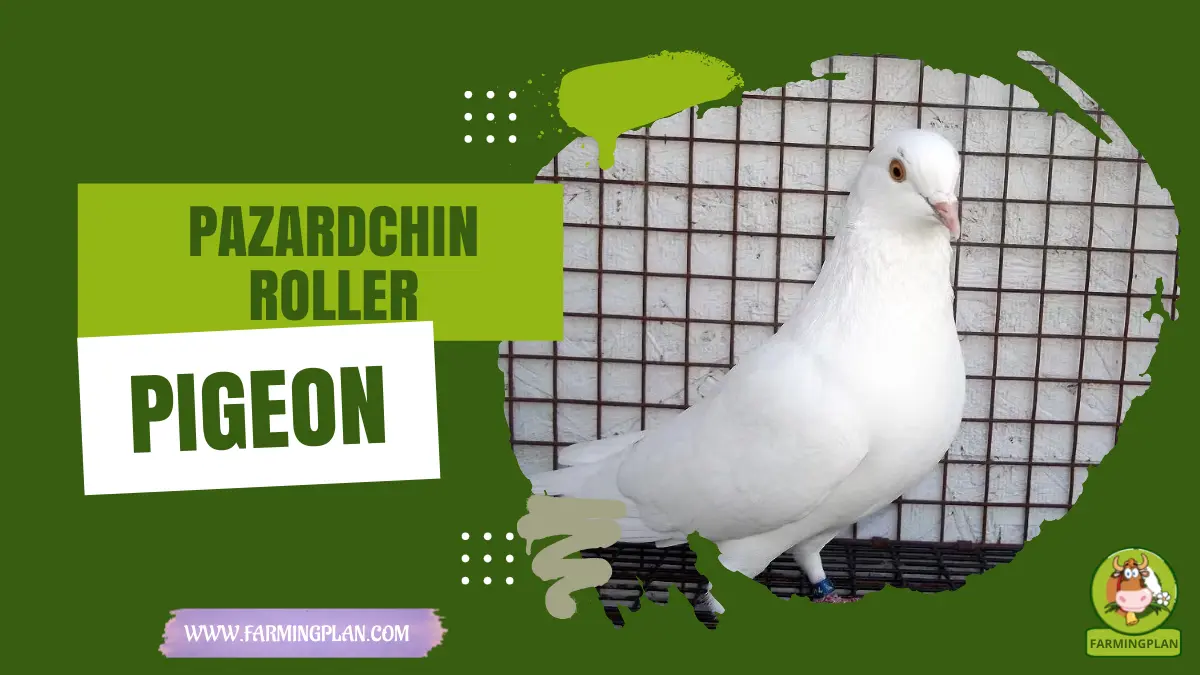
When inspecting a Pazardchin Roller, the first thing you notice is its compact, muscular body type paired with clean, sleek feathering. They carry a well-proportioned frame designed for minimum air resistance, enabling fast spins without losing balance. Their colorful plumage varies, though many fanciers favor the striking white-flight-pied pattern. You will also see birds displaying a rich warna keabu-abuan (greyish tint) along their back and wings, giving them a refined, shiny coat that glimmers under direct sunlight.
The head is sleek and alert, housing bright eyes that scan the horizon constantly during kit flight. Their wing structures are strong and broad, built specifically to initiate sudden back somersaults mid-air. Unlike heavy utility pigeon breeds built for production, these birds stay light and agile. Female birds produce standard egg size and white egg color, exhibiting reliable laying frequency during the breeding season. Every physical trait of this pigeon supports one clear goal: effortless, high-altitude air acrobatics.
Nature/Temperament of Pazardchin Roller Pigeon
In my home loft, I always appreciate birds that combine high energy in the air with a calm temperament on the ground. The Pazardchin Roller pigeon strikes that balance perfectly. They show wonderful curiosity toward their keepers, especially when you establish a consistent daily routine. When I enter the loft, my birds greet me calmly without thrashing their wings or causing panic in the perches.
Their social interaction within the flock is dynamic and tight-knit. They naturally form cohesive kits in the sky, flying in synchronized groups before breaking off into individual pirouettes. They adapt wonderfully as active pets or show birds for dedicated fanciers. If you treat them with gentle care and regular handling, they quickly learn to trust your presence, making loft chores a relaxing part of your daily life.
Food & Diet of Pazardchin Roller Pigeon
Feeding a high-performance flying pigeon requires careful balance and quality ingredients. You cannot simply throw cheap seed mixes at these athletes and expect top-tier acrobatics. I feed my flock a clean standard poultry feed mix tailored specifically for flying performance pigeon standards, rich in carbohydrates for endurance and proteins for muscle recovery.
- Core Grain Mix: Blend yellow corn, wheat, sorghum, field peas, and safflower seeds to provide sustained energy.
- Essential Minerals: Always provide fresh grit in separate feeders to assist digestive crushing in the gizzard and supply vital calcium.
- Clean Hydration: Supply fresh drinking water daily, along with dedicated bathing water twice a week to keep their plumage spotless.
- Dietary Don’ts: Avoid salty scraps, processed human food, molded grains, or excessive fat seeds during non-flying recovery days.
Usage/Purpose of Pazardchin Roller Pigeon
The main purpose of keeping the Pazardchin Roller pigeon centers around performance flight and show exhibition. Breeders select these birds to see tight rolls, controlled spirals, and high-altitude kit flying. Fanciers often train them to perform specific air acrobatics on acoustic signal or visual signal cues, bringing immense satisfaction to the trainer.
Beyond the sky, these birds hold a proud spot in fancy pigeons exhibitions. Breeders showcase their standard feathering, posture, and color patterns at regional and national shows. Additionally, maintaining a strong genetic strain of these pigeons helps preserve rare European domestic pigeon breeds for future generations. Whether you want an impressive flock for your home loft or competitive show entries, this breed delivers across every front.
Special Features of Pazardchin Roller Pigeon
What truly sets the Pazardchin Roller apart from standard highflyers is its unique genetic propensity for rolling. Researchers and geneticists associate this acrobatic behavior with the specialized “ro gene,” which triggers rapid backward somersaulting mid-flight. When a bird executes a clean roll, it looks like a blur of spinning feathers dropping smoothly through the air before regaining stable flight.
However, breeders must watch out for extreme traits like the pigeon death spiral. This happens when an unstable bird loses control during a spin and tumbles all the way down toward the ground. Dedicated breeders work hard to preserve vital genetic traits while selecting against unstable flight styles. This delicate balance between raw tumbling drive and smart flight control makes breeding Pazardchiner Rollers both a challenge and an art.
Health Issues & Prevention of Pazardchin Roller Pigeon
Maintaining flock health requires active monitoring and steady hygiene routines. Performance pigeons exert significant energy, making them susceptible to stress-induced illnesses if their environment drops in quality. By keeping the loft clean and monitoring droppings daily, you can catch problems long before they spread through the flock.
- Canker (Trichomoniasis): Look for yellowish cheesy lesions in the mouth and throat. Treat with crop-safe protozoan medications.
- Paratyphoid (Salmonella): Causes swollen wing joints, severe lameness, and green watery droppings. Isolate sick birds immediately and administer target antibiotics.
- Coccidiosis: Causes sudden weight loss and lethargy due to intestinal parasites. Keep loft floors bone-dry and use sulfa treatments when necessary.
- Respiratory Infections: Look for nasal discharge and open-beak breathing. Improve overall loft ventilation to eliminate damp air and ammonia buildup immediately.
A Healthy Pazardchin Roller Pigeon In Flight Is Pure Poetry Written Across The Sky.
Step-by-Step Pet Owner Care Guide for Pazardchin Roller Pigeon
Setting up a success-driven loft routine for your Pazardchin Roller pigeons demands structured effort, patience, and clear daily systems. Setting up your management system requires practical preparation long before your first pair arrives in the coop. You need to create an environment that encourages instinctual flying habits while offering absolute protection from predators. Over my years of managing performant strains, I found that breaking your system down into logical steps produces the best long-term results. Follow this comprehensive step-by-step care plan to build a thriving, highly trained flock from day one.
Step 1: Constructing the Loft and Portable Coop Setup
Building a safe, dry home stands as your first major responsibility. Your loft needs at least 2 to 4 square feet of floor space per bird, featuring elevated perches that prevent feather damage. Ensure your building incorporates top-tier ventilation while remaining completely draft-free at night, as damp cold air causes immediate respiratory distress in performance pigeons.
Install secure double-door entry systems to prevent accidental escapes during cleaning. If you take your flyers to open fields for kit flying, assemble a portable coop with sturdy wire mesh. Make sure your static home loft includes clean nesting boxes for breeding pairs and easy-to-clean drop boards beneath every roosting perch.
Step 2: Feeding Schedules and Conditioning Procedures
Conditioning your Pazardchin Rollers depends on strict feeding discipline. Never leave grain in open hoppers all day, as free-fed birds become sluggish, obese, and disobedient to trap signals. Measure out exact daily rations twice per day, adjusting grain mixtures depending on whether the birds are breeding, molting, or actively flying.
Incorporate high-protein legumes during late winter breeding, switching to carbohydrate-heavy grains during the active flying season. Always mix fresh mineral grit with crushed oyster shells into their weekly diet. Offer clean bathing water in shallow pans twice a week, removing the water pan immediately after the flock finishes bathing to prevent them from drinking dirty water.
Step 3: Trap Training and Signal Conditioning
Trap training teaches your pigeons to enter the loft immediately upon landing from a flight. Install a bob-wire trap door or sputnik entry system on your loft roof. Place young birds in the trapping area daily so they learn how to push through the one-way bobs to reach their food inside.
Pair every feeding session with a distinct acoustic signal, such as a sharp whistle or shaking a seed tin, alongside a bright visual signal like a colored flag. Soon, your birds will associate that sound and visual cue with immediate food reward. When you call them down from high altitudes, they will drop out of the sky and enter the trap without delay.
Step 4: Flight Training and Acrobatics Practice
Once your birds know their home loft and trap system inside out, start open-sky kit training. Release your flying kit early in the morning on an empty stomach so their drive to return and trap remains extremely high. Start with short 15-minute free flights, gradually building their muscular stamina over several weeks.
Watch their aerial maneuvers closely from the ground. Good Pazardchin Rollers will climb together in a tight group, executing sudden pirouettes, back somersaults, and tight screws before resuming kit structure. Limit training flights to once a day, four to five days a week, giving their wing muscles adequate rest between intensive acrobatic sessions.
Step 5: Selective Breeding and Genetic Preservation
Maintaining the superior flight capability of your Pazardchin Roller strain requires tough, methodical breeding choices. Pair only those adults that showcase stable somersaulting action without displaying dangerous roll-down tendencies. Prepare clean nesting boxes lined with pine shavings or tobacco stems to keep parasites out of the nest.
Track every clutch by logging egg size, hatch dates, and parent lineage in a dedicated loft book. Band every chick with official seamless leg rings within 7 to 10 days of hatching. By selectively breeding top flyers that demonstrate strong vitality and balanced ro gene expression, you protect the long-term quality of your entire flock.
Read More: Brown Chestnut of Lorraine Rabbit Delights
Expert Tips & Best Practices for Fanciers for Pazardchin Roller Pigeon
- Fly your birds on a strict empty-stomach schedule to guarantee fast trapping response times.
- Clean loft drop boards daily to break parasite life cycles and maintain pristine air quality.
- Keep your kit size between 10 and 20 birds for maximum flying cohesion and visual impact.
- Never fly your pigeons when heavy birds of prey are actively hunting over your neighborhood.
- Offer fresh bathing water on sunny mornings so your flock dries completely before nightfall.
- Keep detailed breeding records to track flying ability and genetic performance across generations.
FAQs
Why do Pazardchin Roller pigeons roll and tumble mid-air?
Pigeons roll due to selective breeding for the “ro gene,” which influences their brain and balance center during flight. This causes them to execute voluntary backward somersaults and aerial acrobatics while flying in kits.
How do I prevent my roller pigeons from rolling into the ground?
Ground roll-downs occur when a bird lacks physical control over its tumbling impulse. You can prevent this by selectively breeding only stable, well-conditioned flyers and culling unstable performers from your flying kit.
What should I feed my Pazardchin Rollers for maximum performance?
Feed them a balanced grain mix containing corn, wheat, peas, and safflower seeds, paired with fresh mineral grit. Avoid open hopper feeding and give measured rations twice daily to maintain physical conditioning and strong trapping responses.
How many times a week should I train my roller pigeon kit?
Train your flying kit four to five days a week, preferably early in the morning. Always give your birds one or two days of complete rest each week to allow muscle recovery and prevent stamina burnout.
Are Pazardchin Rollers good for beginners?
Yes, they are friendly, adaptable, and relatively easy to care for if you follow basic loft hygiene routines. Their stable temperament and thrilling flight performance make them a fantastic choice for novice and veteran fanciers alike.
Conclusion
Raising the Pazardchin Roller pigeon brings incredible joy, combining the reward of dedicated animal care with the breathtaking spectacle of live aerial acrobatics. From setting up a safe home loft to mastering trap training and selective breeding, every step of the journey strengthens your connection to these historical Bulgarian flyers. If you love performance birds, there is nothing quite like watching your own kit tumble through the sky on a crisp morning. Take the first step today by connecting with local breeders, building your loft setup, and experiencing the magic of flying your very own Pazardchin Rollers! Share your thoughts or favorite pigeon stories in the comments below!