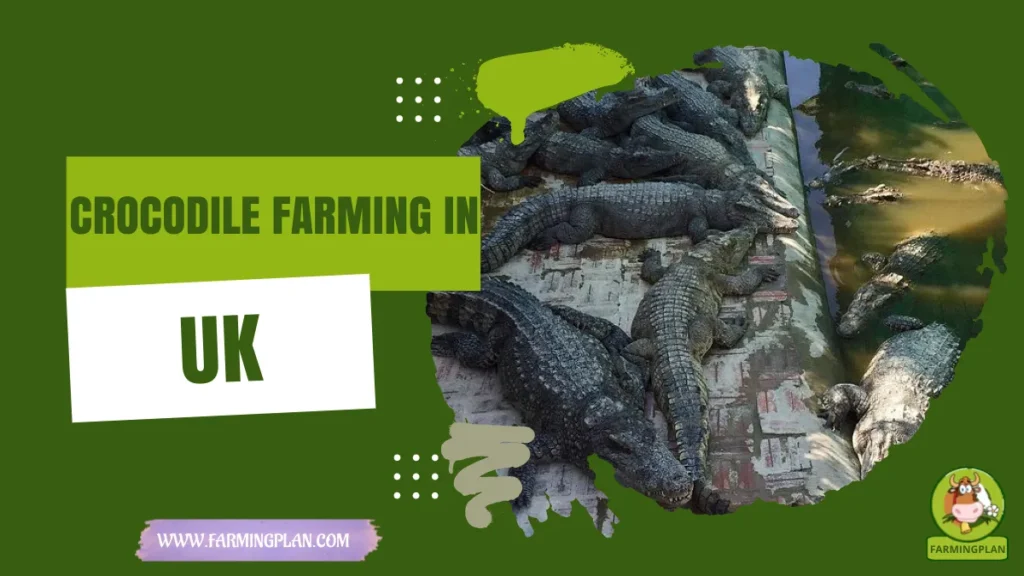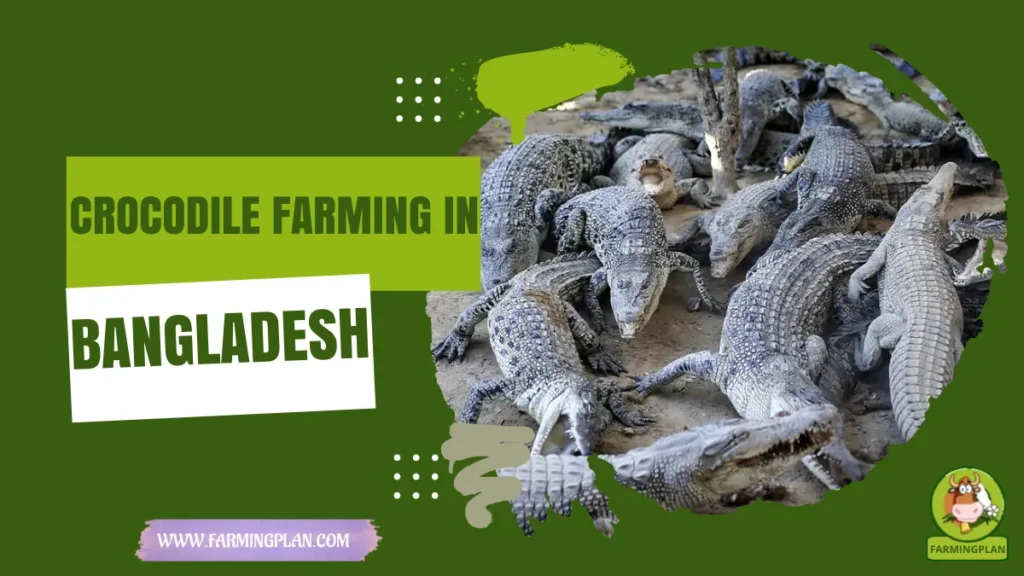
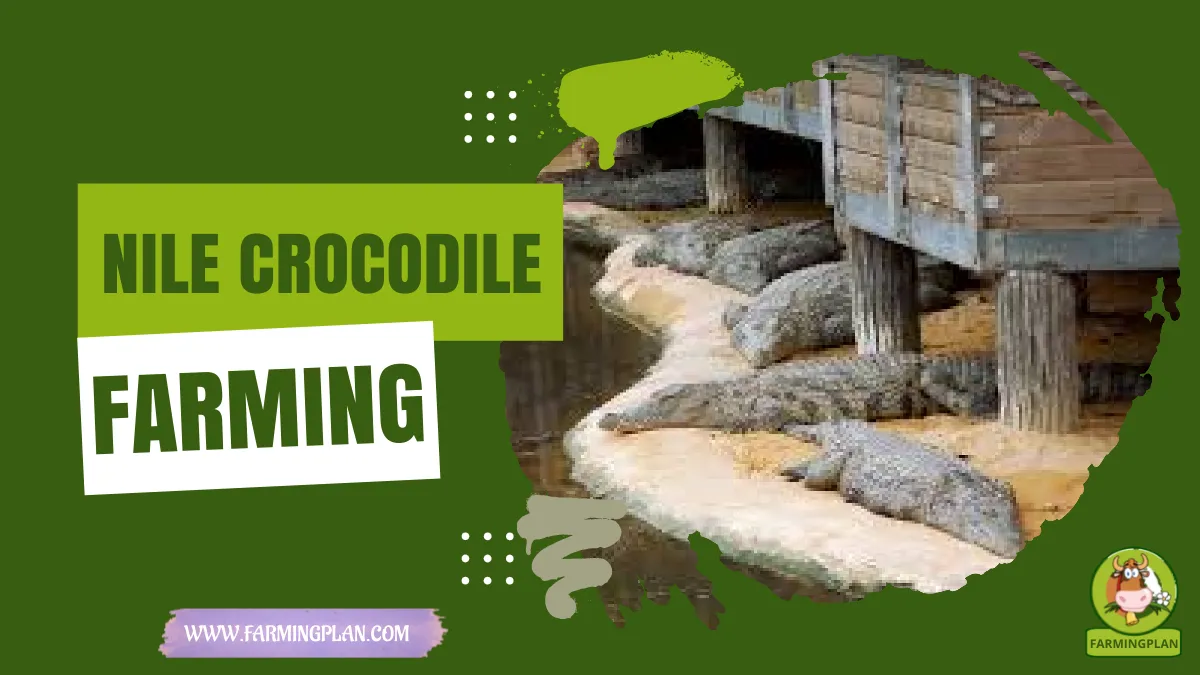
Nile crocodile farming is a fascinating venture that combines wildlife conservation with real business opportunities. I have spent years working closely with these magnificent reptiles, and I can tell you that success requires patience, dedication, and deep respect for the animals. The Nile crocodile, known scientifically as Crocodylus niloticus, is one of the largest crocodilian species on Earth. Through sustainable captive breeding and careful ranching practices, modern crocodile farms help protect wild crocodile populations while producing high-value crocodile skins and sustainable crocodile meat.
When you manage a dedicated facility, you participate directly in environmental sustainability and biodiversity preservation. Organizations like CITES and the South African Crocodile Industry Association set strict standards to ensure every step supports ethical alternatives and proper animal welfare. Whether you are curious about nursery tanks, temperature regulation, or skin products for the global luxury trade, this comprehensive guide shares my personal insights and practical knowledge to help you navigate this unique agricultural world safely and profitably.
History & Origin Of Nile Crocodile Farming
Let me share how commercial crocodile farming evolved from wild harvesting into a scientific discipline. Decades ago, wild crocodile populations faced immense pressure across Africa due to unregulated hunting and severe habitat destruction. Rivers like the St. Lucia Estuary and protected zones like Kruger National Park saw dramatic declines in numbers. Conservationists realized that standard protection laws were not enough to save these threatened species. They needed an economic model that rewarded communities for protecting these giant reptiles.
During the late twentieth century, pioneers in South Africa and Zimbabwe developed the foundation of modern commercial ranching and farming. Early facilities like the Ndumo Crocodile Centre led the way in researching breeding habits, hatchling care, and habitat requirements. By working hand in hand with the Convention on International Trade in Endangered Species, early farmers created a legal framework. This system allowed controlled egg collection from the wild in exchange for releasing healthy juveniles back into natural waters.
Today, this rich history proves that commercial incentives can actively support wildlife preservation. Modern farms operate under tight international regulation to prevent illegal trade while supplying global markets with high-grade crocodile leather and nutritious meat products. Understanding this legacy gives every new farmer a strong sense of purpose and pride in their daily work.
Read More: Swedish Landrace Pig: Powerful Breed Guide
Characteristics Of Nile Crocodile Farming
Understanding the physical traits of these powerful reptiles is essential for any hands-on farm operator. The Nile crocodile belongs to the family Crocodylidae and boasts an incredibly muscular body built for apex survival. In my experience, mature males can grow to impressive lengths, often exceeding four to five meters, while adult females remain slightly smaller. Their armor consists of tough osteoderms or bony plates covered by smooth scales along their belly, which produce the world’s most coveted leather.
Their coloration varies from dark olive green to muddy brown, featuring distinct dark cross-bands across their tails that help young juveniles camouflage in muddy riverbeds. Take a look at their formidable heads, and you will notice a unique jaw structure where the fourth tooth on the lower jaw remains completely visible even when their mouth is firmly closed. This structural detail quickly sets them apart from American alligators during routine stock inspections.
To give you a clearer picture of their physical variations across growth stages, I have put together a helpful quick-reference guide based on standard farm monitoring metrics:
| Life Stage | Average Size Range | Skin Characteristics | Key Management Focus |
| Hatchlings | 20 to 30 cm | Soft, pale olive with dark spots | Strict temperature regulation & nursery hygiene |
| Juveniles | 30 cm to 1.5 meters | Firming osteoderms, clear belly scales | Diet transition & preventing overcrowding |
| Sub-Adults | 1.5 to 2.5 meters | High-grade belly skin, strong scutes | Grading for market & sorting by size |
| Adults / Breeders | 3 to 5+ meters | Heavy back armor, thick belly leather | Nesting habitat, pair bonding & space |
Observing these physical details daily allows you to monitor growth rates and spot health issues long before they become serious problems.
Temperament And Behavioral Of Nile Crocodile Farming
Working with these prehistoric giants requires a respect for their wild instincts and natural temperaments. Unlike domestic livestock or gentle pets, farmed crocodiles retain every ounce of their wild instincts from the moment they hatch. They are deeply territorial creatures that rely on dominant displays, tail slaps, and low-frequency growls to establish hierarchy within shared enclosures.
In a farm setting, stress directly impacts their temperament, appetite, and immune systems. When crocodiles feel crowded or cold, they become visibly anxious and aggressive toward one another. Dominant individuals will naturally bully smaller pen mates, hogging warm basking spots and blocking access to nursery tanks or feeding pools. You will quickly learn that managing their behavior comes down to smart space design, consistent daily routines, and gentle handling techniques.
Although you can never truly tame a Nile crocodile, they do adapt remarkably well to structured farm routines. They quickly recognize feeding times and learn to associate specific farm workers with food arrivals. As a specialized reptile scientist and farmer, my goal is never to change their wild nature, but rather to create a calm, low-stress environment where their natural behavior remains peaceful and manageable.
Food & Diet Of Nile Crocodile Farming
Proper nutrition forms the absolute backbone of a successful crocodile farming operation. In the wild, their diet changes dramatically as they grow, moving from small aquatic insects to massive fish and land mammals. On my farm, I mirror these natural nutrient profiles while maintaining strict sanitation and cost control across every stage of development.
Hatchlings and young juveniles require high-protein meals to build dense muscle and strong bone structure. I feed young hatchlings finely ground chicken, fresh fish paste, and minced beef liver enriched with essential vitamins and calcium powders. As they mature into sub-adults, their digestive systems handle larger chunks of lean meat, whole tilapia, and poultry byproducts with complete ease.
Here is a simple list of vital nutritional guidelines I strictly follow on my property:
- Feed young hatchlings six days a week, but reduce adult meals to two or three times weekly based on environmental temperatures.
- Never offer spoiled, rotten, or refrozen meat, as bad bacteria cause severe gut infections and mass salmonellosis outbreaks.
- Always supplement farm diets with essential calcium carbonate and Vitamin D3 to prevent metabolic bone disease during fast growth phases.
- Clean feeding pools thoroughly within two hours after every meal to remove leftover food scraps and protect water quality.
Balanced feeding routines directly improve growth rates, keep skin quality pristine, and protect your stock from preventable metabolic disorders.
Usage And Economic Purpose Of Nile Crocodile Farming
Farming these ancient reptiles serves a dual purpose that balances global commerce with long-term ecological balance. The primary economic driver for any modern farm is the production of luxury crocodile skins. Major fashion houses in Europe and Asia highly value the smooth belly scales of Crocodylus niloticus to craft world-class handbags, shoes, belts, and fine watchbands.
High-grade leather from well-managed farms fetches top prices in global markets. Beyond luxury leather, the crocodile meat industry represents a rapidly expanding revenue stream for modern growers. Crocodile meat is exceptionally lean, low in cholesterol, and rich in healthy Omega-3 fatty acids. Restaurants across South Africa, Europe, and Asia actively purchase prime cuts like tail fillets and tenderloin strips.
Additionally, smart farmers unlock multiple revenue streams by turning their properties into educational eco-tourism facilities. Allowing guided tours gives the public a rare chance to see breeding stock, incubator rooms, and hatchling displays up close. This side business generates steady cash flow while educating visitors about species conservation and local biodiversity protection.
Special Features Of Nile Crocodile Farming
Nile crocodiles possess remarkable biological adaptations that never fail to amaze me during my daily farm rounds. One of their most extraordinary features is their powerful immune system. Their blood contains natural antimicrobial peptides capable of fighting off heavy bacterial infections and viral threats like parapoxvirus, even when sustaining serious bites in wild mud pits.
Another incredible feature is their sophisticated circulatory system. They possess a specialized four-chambered heart with a unique valve called the Foramen of Panizza. This valve allows them to divert blood away from their lungs directly to their digestive organs while diving underwater or digesting massive, bony meals. Furthermore, their sensory capabilities are second to none in the animal kingdom.
Tiny dark spots lining their jaw scales act as dome-shaped integumentary sensor organs. These sensors detect minuscule pressure changes and ripples in the water, allowing them to pinpoint movement in complete darkness. Combining these biological wonders with incredible bite force makes them absolute marvels of natural evolution.
Health Issues, Diseases, And Prevention Of Nile Crocodile Farming
Keeping your crocodile herd healthy requires constant vigilance, immaculate hygiene, and quick action at the first sign of distress. In a high-density farm environment, poor water quality and environmental stress quickly lead to severe disease outbreaks. One of the most dangerous conditions we watch for is pansteatitis, a painful fat necrosis caused by feeding spoiled fish rich in oxidized polyunsaturated fats.
Another major threat is salmonellosis, a bacterial infection that spreads rapidly through contaminated water or unhygienic feeding decks. Young juveniles are also vulnerable to viral outbreaks such as parapoxvirus, which causes painful skin lesions around the eyes and snout, reducing skin value instantly. Overcrowded conditions and poor temperature regulation severely weaken their immunity, opening the door for opportunistic fungal skin rot.
To prevent these devastating health crises on your farm, keep these vital management steps in place at all times:
- Maintain water quality through continuous filtration systems, frequent water changes, and regular testing for ammonia levels.
- Keep nursery tanks strictly heated between 31°C and 34°C, as sudden cold snaps shut down their digestive and immune systems.
- Isolate any sick or injured animal immediately in a dedicated quarantine pool to stop disease spread across pens.
- Work closely with a qualified reptile scientist to administer targeted antibiotics like oxytetracycline safely when bacterial outbreaks occur.
Preventive care and daily sanitation cost a fraction of what you lose during a full-scale farm health outbreak.
“Patience And Precision Build A Powerful Crocodile Farming Empire Today.”
Step-By-Step Crocodile Farming Guide for Nile Crocodile Farming
Setting up a fully operational crocodilian facility demands careful engineering, significant initial capital, and absolute adherence to strict safety standards. You must design every zone on your property with two main priorities in mind: keeping your animals totally secure and making daily management smooth for your workers. From building heavy perimeter fences to setting up specialized incubator rooms, every single step requires precise execution. Below, I have broken down the entire operational process into six detailed, actionable steps based on proven industry standards.
Step 1: Secure Legal Permits And Land Setup
Before buying your first piece of equipment, you must secure every necessary legal permit from local wildlife agencies and CITES authorities. Crocodile farming is heavily regulated worldwide to prevent illegal poaching and protect wild ecosystems. Select a secluded land plot with access to vast amounts of clean, unpolluted water and stable electricity. Build high, reinforced concrete perimeter walls topped with security wire to guarantee zero escapes under any circumstances.
Step 2: Build Specialized Nursery Tanks And Incubator Rooms
Constructing proper indoor facilities is critical because young hatchlings are extremely sensitive to cold temperatures and drafts. Build an isolated incubator room equipped with backup generators, digital humidity controls, and precision heating units set precisely to 31.5°C for optimal male-to-female hatch ratios. Directly adjacent, build shallow nursery tanks with smooth, easy-to-clean fiberglass or sealed concrete surfaces, integrated radiant floor heating, and gradual ramp access to fresh feeding pools.
Step 3: Establish Breeding Enclosures And Nesting Banks
Design large outdoor breeding ponds that accommodate mature adult stock comfortably. Ponds should feature deep water sections for natural mating behavior alongside spacious, soft sand banks for egg laying. Plant native vegetation along edges to give skittish females natural privacy. Ensure your sand banks receive full daily sunlight and stay elevated well above flood lines to keep buried clutches safe during heavy seasonal rainstorms.
Step 4: Master Egg Collection And Scute-Clipping Procedures
During nesting season, conduct careful morning patrols to spot freshly dug nests on your sand banks. Gently excavate egg clutches using soft brushes, making sure never to rotate or flip the eggs, which destroys fragile developing embryos. Transport them carefully in damp vermiculite crates directly to your incubator room. Once hatchlings emerge, perform precise scute-clipping on their tail scutes using sterile tools to establish permanent identification numbers for lifelong regulatory tracking.
Step 5: Implement Daily Feeding And Water Sanitation
Establish a rigid, daily operational schedule for cleaning and feeding across every single pen on your property. Drain and scrub feeding decks every morning before supplying fresh, finely chopped meat or specialized floating feed pellets. Run continuous mechanical and bio-filtration units in grow-out pools, or perform complete daily water flushes to keep ammonia and harmful bacteria levels extremely low.
Step 6: Execute Sorting, Grading, And Humane Slaughter Methods
Regularly grade your growing sub-adult stock by size every three months to prevent bigger individuals from bullying smaller pen mates. When stock reaches optimal skin size—typically around 30 to 35 centimeters in belly width—transfer them to polished finishing pens to prevent skin scratches. When harvesting time arrives, strictly follow certified, humane slaughter methods overseen by industry inspectors to ensure rapid, painless processing that preserves top skin quality.
Read More: Krsko Polje Pig Guide: Raise This Unique Breed
Expert Tips And Best Practices For Farmers Nile Crocodile Farming
- Keep human contact inside grow-out pens to an absolute minimum to reduce stress and prevent skin-damaging panics.
- Install smooth, polished tile or epoxy coatings on all nursery ramps to avoid abrasive belly scale scratches.
- Monitor incubator humidity levels religiously, keeping relative humidity consistently above 95% to prevent egg desiccation.
- Always maintain active memberships with regional trade groups like the South African Crocodile Industry Association for market updates.
- Keep detailed paper and digital logbooks tracking daily feed intake, water temperatures, mortality rates, and growth metrics.
FAQs
Is Nile Crocodile Farming legal?
Yes, crocodile farming is completely legal in many countries around the world, provided you obtain strict permits from wildlife authorities. All legal operations must comply fully with CITES regulations to ensure that international trade does not harm wild crocodile populations.
Is Nile Crocodile Farming profitable?
Crocodile farming can be highly profitable, but it requires substantial initial capital, specialized knowledge, and patience. Revenue comes from selling high-grade belly skins to luxury fashion brands, exporting lean crocodile meat, and offering eco-tourism tours.
What is the main diet of a Nile Crocodile Farming?
In captivity, Nile crocodiles eat a balanced diet consisting mostly of fresh poultry, beef, lean meat byproducts, and fish. Young hatchlings receive finely minced, protein-rich meat mixed with essential calcium and vitamin supplements to support fast bone growth.
How big does a Nile Crocodile Farming grow?
The Nile crocodile is one of the largest crocodilian species, with adult males typically growing between 4 and 5 meters in length. Exceptionally large wild specimens can occasionally exceed 5.5 meters and weigh well over 700 kilograms.
How do farmers protect skin quality?
Farmers protect skin quality by keeping growing crocodiles in smooth, non-abrasive concrete or epoxy-lined pens to eliminate scratches. They also sort animals strictly by size to prevent aggressive biting and territorial fights that ruin valuable belly scales.
Conclusion
Nile crocodile farming is a truly rewarding industry that merges high-value commerce with modern wildlife conservation. By mastering precise incubator room controls, providing clean feeding pools, and following strict sanitation practices, you can build a sustainable, highly profitable farming business. Every well-run facility helps relieve pressure on wild crocodile populations while supplying premium markets with world-class leather and lean meat products. If you are ready to venture into this unique agricultural field, take the first step today by connecting with regional industry associations, securing your local permits, and building a professional farm plan for long-term success.