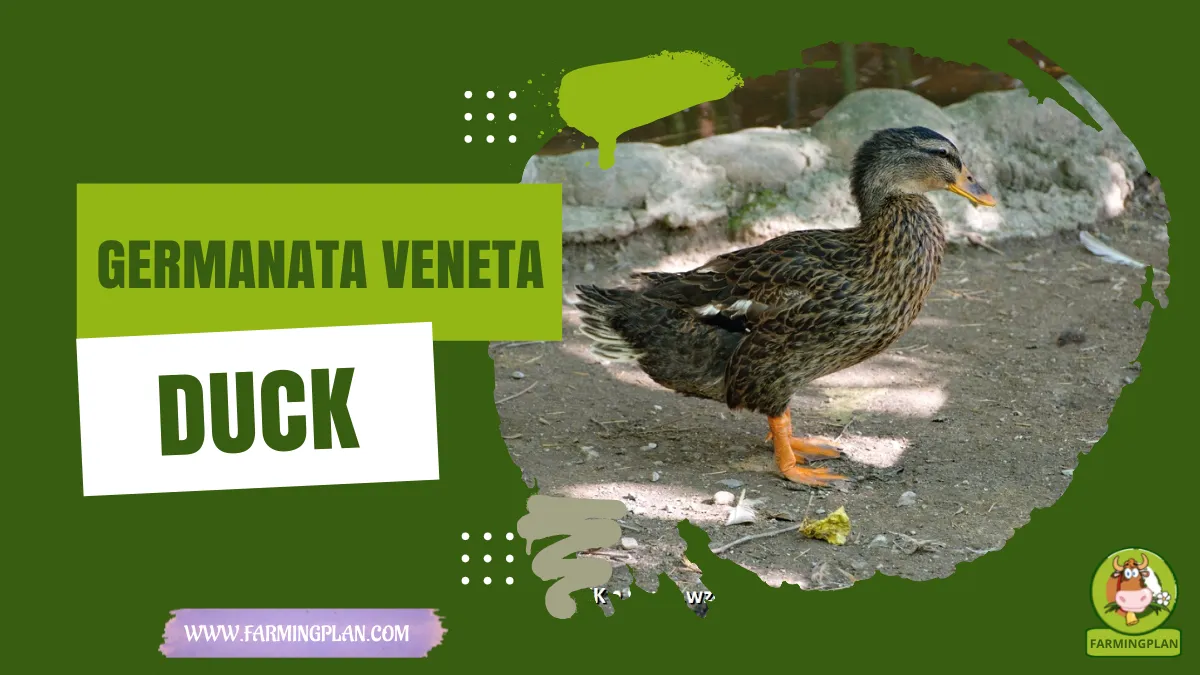
The Germanata Veneta Duck is an incredible dual-purpose breed originating from the historic Veneto region of Northern Italy. I have raised many poultry varieties over my career as a farming specialist, but this dual-purpose breed (Anas platyrhynchos) truly stands out for its hardiness, incredible meat quality, and rustic charm. Farmers originally developed this bird by crossing wild Mallard ducks (germano reale) with domestic farm ducks like the Pekin duck and Barberia duck. Germanata Veneta Duck is a rustic Italian breed valued for meat, eggs, calm nature, and easy outdoor farming. Learn care, feeding, breeding, and health tips.
These birds feature striking physical traits like a metallic blue speculum (specchio alare blu metallico) on their wings, orange webbed feet, and distinct seasonal molting (muta stagionale) patterns. Male drakes show off a brilliant green head (colore verde) with a green beak, while the female duck displays subtle, beautiful brown Gefieder (piumaggio) tones. They grow fast, thrive on extensive farming setups (allevamento estensivo), and supply both high-quality meat and exceptional eggs for traditional cooking like pate and fat liver dishes.
History & Origins of Germanata Veneta Duck
The history of this historic poultry breed goes back deep into the rural traditions of Northern Italy. Local farmers and hunter-farmers (cacciatori-agricoltori) in the Veneto region created these birds during the early 20th century (XX secolo). They carefully selected strong farm ducks and crossed them with wild mallards to produce a rustic, highly adaptable bird. This local Italian breed (razza autoctonia italiana) quickly became a vital part of regional farm life across the countryside. Official standards established by poultry associations like the Entente Européenne d’Aviculture recognized its status alongside other regional poultry breeds (razze avicole venete).
Regional agricultural groups like Veneto Agricoltura launched targeted conservation efforts (Progetto di conservazione razze avicole) to protect this unique genetic line. Organizations such as the Food and Agriculture Organization of the United Nations (FAO) also cataloged these birds to help preserve native domestic biodiversity. Dedicated breeders like Gianni Uliana played an important role in preserving these heritage lines across local farms. Today, this landrace retains its recognition as a Traditional Agricultural Product of Veneto (Prodotto Agroalimentare Tradizionale del Veneto). Farmers love how these birds preserve authentic heritage genetic traits while thriving on open pastures without requiring expensive complex housing setups.
Read More: Carmagnola Grey Rabbit: Essential Care Guide
Characteristics of Germanata Veneta Duck
These ducks exhibit strong sexual dimorphism (dimorphismo sessuale) in their plumage colors and weight. Drakes reach an adult body weight (peso maschio) of around 3.0 to 3.2 kilograms, displaying a glossy green head, a dark brown breast, and a yellowish-green beak (becco verdastro). Females weigh slightly less (peso femmina) at roughly 2.6 to 2.8 kilograms, sporting warm chocolate brown feathers, dark streaks, and an orange-brown bill with a dark bean or nail (nagel). Both sexes feature bright webbed orange feet (beine) and a brilliant metallic blue wing mirror bordered by white stripes on their primary flight feathers.
Ducklings (küken) hatch with soft down feathers and yellow-and-brown markings that shield them inside the nest during early life. As young birds mature toward full sexual maturity, drakes undergo a distinct seasonal molt into eclipse plumage (muta stagionale). Their sturdy wing bone structure and muscular frame give them a plump, rounded breast (brust) and a long, broad back (rücken). These birds adapt smoothly to cold Italian winters and hot summer climates without losing condition or productivity. Their thick feathering repels water effectively, keeping them warm while swimming through fresh ponds, streams, or artificial farm water setups.
Temperament and Social Behavior of Germanata Veneta Duck
I love working with these birds because they display a wonderfully calm and social personality on the farm. They interact peacefully with other backyard poultry, including small chickens (polli nani) and domestic geese. Unlike nervous wild waterfowl or noisy commercial lines, these birds stay relaxed around humans once you build a simple daily feeding routine. They enjoy foraging across open grassy pastures, splashing in shallow ponds, and resting peacefully in shaded areas under grapevine cuttings (talea di vite) during hot afternoons.
Female ducks make attentive, natural brooders when given a quiet space to construct a nest. They guard their clutches carefully without showing unnecessary aggression toward their handlers. Drakes protect their flock unit responsibly, keeping watch for aerial predators while females forage nearby. Their gentle nature makes them an outstanding choice for small-scale homesteaders, hobby farmers, and family farms. You will find that these friendly birds quickly recognize your voice and walk over calmly during morning feeding times.
Optimal Nutrition and Feeding Guidelines of Germanata Veneta Duck
Proper nutrition keeps your flock energetic, healthy, and productive throughout the year. I always feed my flock a balanced mixture of high-quality grains, including cracked corn, wheat, barley, and fresh pasture forage. During their active growth and egg-laying stages, these birds need balanced feed rations containing sixteen to eighteen percent crude protein. Access to fresh green grass, leafy vegetables, and aquatic plants provides essential minerals that maintain bright feather colors and strong eggshells.
Always supply plenty of clean, fresh drinking water right next to their feeding troughs. Ducks require water to swallow dry feed safely and clean their nostrils regularly. Never feed your flock moldy grains, processed human snacks, or sugary treats, as these items cause severe digestive issues. Provide crushed oyster shells in separate pans to supply extra calcium for laying females. Adding grit to their daily diet helps their gizzards grind down coarse grains, seeds, and forage materials smoothly.
Farming Purpose and Economic Value of Germanata Veneta Duck
Farmers raise this dual-purpose breed primarily for top-tier meat production and steady egg laying. Their rich, tender meat features excellent muscle structure and healthy fat layers without developing muscle loss conditions like sarcopenia. Home cooks and professional chefs prize their meat for traditional Italian recipes, rich stew preparations, and specialty liver pate dishes. Their natural foraging habits reduce feed costs significantly, making them a cost-effective choice for sustainable pasture systems.
Female ducks lay between 100 and 120 medium-to-large eggs each year. Their strong eggs usually feature smooth white to light green eggshell colors (colore uovo). Farmers can process young ducklings for meat at sixteen to twenty weeks of age when their body weight reaches maximum density. Choosing this heritage dual-purpose breed supports sustainable agriculture while producing clean, natural food for your family or local farmers’ market customers.
Special Features of Germanata Veneta Duck
The most remarkable trait of this bird is its incredible natural hardiness in open outdoor environments. These birds possess strong immune systems that resist common duck diseases and environmental stresses very effectively. They forage aggressively for snails, slugs, bugs, and wild grass seeds, which keeps local pest populations low across your garden pastures. Their thick layer of body fat and dense down feathers shield them from freezing winter winds and heavy rains.
Another unique feature is their brilliant speculum feather pattern, which shines with a bright metallic blue sheen in direct sunlight. Their ability to thrive on minimal commercial feed while maintaining strong body weight sets them apart from delicate commercial duck breeds. They combine the growth capabilities of domestic heavy ducks with the alert instincts of wild mallards. This balance creates an adaptable bird that flourishes on homesteads across diverse geographic regions.
Health Issues and Preventive Care of Germanata Veneta Duck
Although this heritage breed possesses strong natural immunity, proper health management keeps your flock thriving. Common duck ailments include duck viral hepatitis, bumblefoot, duck plague, and internal parasites like worms. Wet litter inside dirty coops causes bumblefoot infections on their soft webbed feet, leading to painful swelling and lameness. You can easily spot health problems early by checking for pale bills, dirty vent feathers, watery eyes, or sudden weight loss.
Prevent disease outbreaks by maintaining clean, dry bedding inside their night shelter at all times. Disinfect water troughs weekly and drain standing mud puddles around the main feeding area. Quarantine any new birds for three weeks before introducing them to your established resident flock. Administer routine deworming treatments twice a year, preferably during spring and autumn transitions. Providing continuous access to clean bathing water allows ducks to groom their plumage and keep external parasites away naturally.
A Healthy Duck Does Not Need A Fancy Farm—It Needs Clean Water, Good Feed, Space, And Consistent Care.
Step-by-Step Farming Guide of Germanata Veneta Duck
Raising a healthy flock requires thoughtful preparation, reliable equipment, and consistent daily care practices. Follow these proven steps to set up and manage your farming operation successfully.
Step 1: Setting Up Proper Housing and Fencing
Construct a sturdy, predator-proof shelter that provides at least four square feet of floor space per adult bird. Use wire mesh fencing buried six inches into the ground to protect your flock from foxes, raccoons, and stray dogs. Ensure the duck house features good high-level ventilation openings to prevent moisture buildup while keeping floor drafts away during cold winter months. Cover the dirt or wooden floor with a deep six-inch layer of clean wood shavings, dry straw, or coarse sawdust. Provide easy access ramps with gentle slopes so heavy adult ducks enter and leave the coop safely without injuring their legs or joints.
Step 2: Incubation and Hatching Management
Select clean, uniform eggs from healthy mature females for your hatching program. Store fertile eggs at fifty-five degrees Fahrenheit for up to seven days before placing them inside your incubator setup. You can use a reliable digital incubator like the Covatutto 16 incubator to maintain precise environmental conditions throughout the twenty-eight-day incubation period. Set the incubator temperature to 99.5 degrees Fahrenheit with a relative humidity level of fifty-five percent for the first twenty-five days. Turn the eggs three times daily until day twenty-five, then increase humidity to seventy percent for the final hatching phase. Allow newly hatched ducklings to dry completely inside the incubator before transferring them to your warm brooder box setup.
Step 3: Brooding and Young Duckling Care
Place young ducklings inside a clean brooder box equipped with a reliable heat lamp or radiant heat plate. Maintain a brooder floor temperature of ninety degrees Fahrenheit during their first week, lowering the temperature by five degrees each week until they grow full adult feathers. Fill shallow chick waterers with clean, room-temperature water and insert small marbles into the tray to prevent tiny ducklings from drowning. Feed your ducklings an unmedicated waterfowl starter mash containing twenty percent protein for the first three weeks of life. Ensure their bedding stays dry by removing damp spot areas daily and adding fresh wood shavings regularly.
Step 4: Pasture Management and Open Rearing
Move young birds outdoors to secure pasture enclosures once they reach six weeks of age and possess full body feathers. Provide simple open water basins or shallow ponds where they can submerge their heads and groom their plumage daily. Rotate their grazing paddocks every two weeks to keep pasture grass healthy and prevent heavy manure accumulation in single areas. Supply plenty of natural shade using simple wooden shelters, low tree canopies, or grapevine arbors during hot summer days. Monitor your pasture perimeters daily to catch fence damage early and keep free-ranging birds safe from roaming wild predators.
Step 5: Adult Flock Care and Processing
Provide adult birds with a high-quality grower feed balanced with fresh farm grains and free-choice grit. Collect fresh eggs daily from clean ground nesting boxes lined with fresh oat straw or dry wood shavings. Clean all water containers every morning to prevent bacterial growth and maintain clear drinking supplies. Schedule processing for meat birds between sixteen and twenty weeks of age when their body frames reach full size. Pluck and clean processed birds carefully, chilling the meat promptly to preserve maximum flavor and tenderness for cooking.
Read More: Border Leicester Sheep Bring Amazing Joy
Expert Tips for Success for Germanata Veneta Duck
- Build shallow gravel drainage aprons around all water troughs to prevent muddy ground conditions.
- Mix fresh chopped greens like kale or spinach into duckling water dishes to encourage natural foraging behaviors.
- Add a splash of raw apple cider vinegar to drinking water twice weekly to support healthy gut digestion.
- Keep extra dry bedding stored inside sealed plastic drums to prevent mold spores and rodent infestation.
- Collect eggs early every morning before ducks step on them or hide them out in open pastures.
- Provide clean sand baths near the shelter so birds can dust and dry clean their under-feathers easily.
- Install solar lighting inside the night coop to extend lay cycles safely during dark winter months.
FAQs
What is the average lifespan of a Germanata Veneta Duck?
These hardy ducks live between seven and twelve years when raised with good food, clean water, and secure housing setups. Proper shelter protects them from predators and extreme winter weather conditions, allowing them to remain healthy throughout their adult lives.
How many eggs do female ducks lay per year?
A healthy female lays between 100 and 120 medium-to-large eggs annually under standard pasture farming conditions. Their production peaks during spring and early summer months when natural daylight hours increase significantly across the farm.
Can these ducks fly away from open farm pastures?
Because these heavy birds possess sturdy, muscular bodies, they cannot achieve high altitude or long-distance flight. They occasionally flap their wings to hop over low barriers, but a standard four-foot perimeter fence keeps them contained safely.
Are these ducks suitable for beginner homesteaders?
Yes, their calm disposition, strong disease resistance, and straightforward dietary needs make them ideal for beginner duck keepers. They adapt quickly to basic housing setups and forage efficiently across open grass yards or farm pastures.
What do ducklings eat during their first few weeks?
Ducklings require an unmedicated duckling starter mash containing twenty percent protein for their first three weeks of growth. Always provide clean drinking water right alongside their food dish so they can swallow their mash safely.
Conclusion
Raising the Germanata Veneta Duck brings incredible rewards, high-quality traditional food, and genuine satisfaction to any backyard homestead or commercial farm setup. Their combination of calm temperaments, beautiful plumage, fast growth rates, and exceptional hardiness makes them a standout choice for poultry enthusiasts everywhere. Whether you want to produce clean heritage meat, gather fresh farm eggs, or maintain a peaceful flock of beautiful yard birds, this Italian landrace delivers outstanding performance. Start building your secure shelter, set up your foraging pasture, and order your first heritage ducklings today to experience the simple joy of raising these wonderful Italian birds!