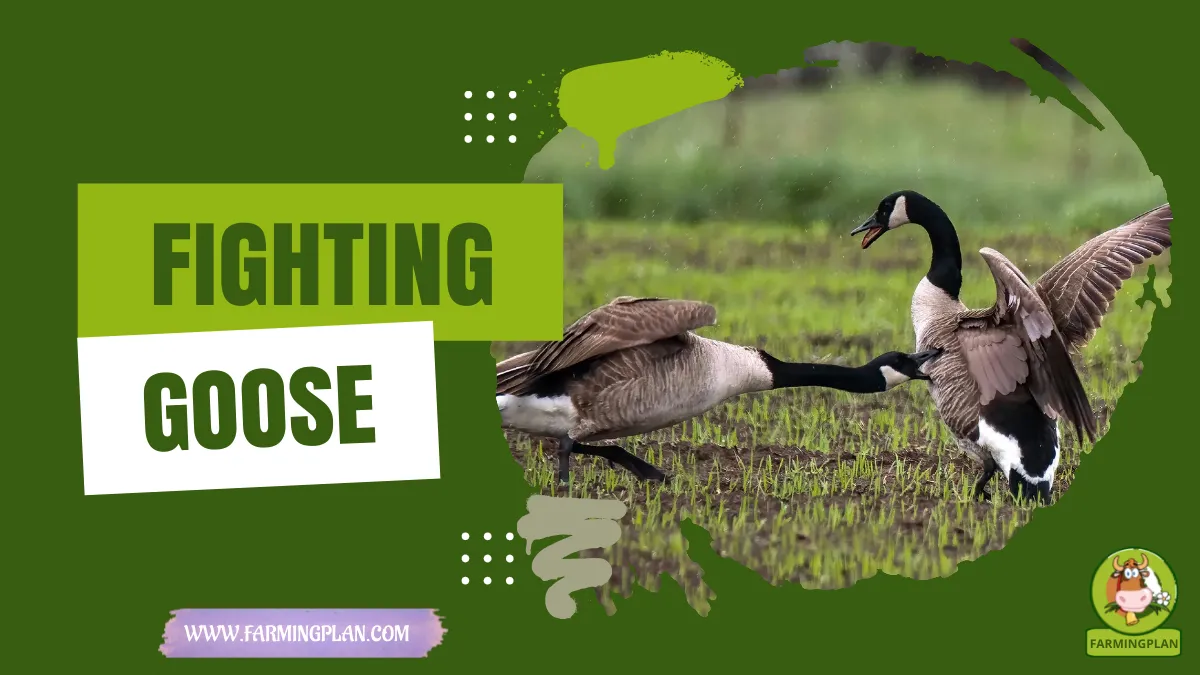
Welcome to my farm, where I raise one of the most remarkable birds you will ever meet: the Fighting Goose. I have spent years working with these powerful birds, and I love sharing my real experience with you. Many folks feel nervous around a heavy goose, but understanding their true nature changes everything. During the spring nesting season, you might see them flare their bird wings, flare their necks, or listen to them honking while chasing away intruders.
While wild birds like Canadian geese can cause real trouble on property, domestic guardian breeds act with purposeful loyalty. The United States Department of Agriculture and state groups like the Ohio Division of Wildlife often share guidelines on wild bird management, but raising your own domesticated flock is a different journey. In this guide, I will teach you how to handle a fighting goose bite risk, avoid gees attacks, and build a strong bond with your flock.
History & Origin of Fighting Goose
My journey with these unique birds started when I first learned about the famous Tula fighting goose. Russian breeders developed this ancient landrace centuries ago specifically for strength, endurance, and cold hardiness. Farmers in historical Russian towns bred them for traditional spring goose fighting contests, which were popular community events. Unlike blood sports involving other animals, these spectacles focused on raw strength, territory defense, and natural drive without causing severe attack-related injuries. Breeders selected birds with short, strong beaks, heavy bones, and massive muscular chests.
Over the decades, the cultural focus shifted away from these traditional contests, but the magnificent Tula goose survived thanks to dedicated homesteaders. Breeders in the United States and Europe began importing them to preserve their rare genetics and historic value. Today, groups like the Utah State University extension offices celebrate heritage breeds for their historical importance and self-sufficient traits. When you own a Tula goose, you hold a living piece of agricultural history right on your pasture.
Read More: Gimbsheimer Duck Raising Brings Incredible Backyard Joy
Characteristics of Fighting Goose
You can spot a true Tula fighting goose from across the pasture by its compact, solid frame. They do not look like your typical long-necked farm goose. Instead, they sport a short, thick neck and a very powerful, stout head. Their beak is notably short and curved, which gave them a distinct advantage in historical matches by preventing beak fractures.
Their powerful wings span wide, giving them impressive leverage when they stand their ground. When a stranger steps near, the bird spreads its strong bird wings to look twice its actual size. Their thick legs and large feet give them complete stability on muddy farm ground. I always admire how solidly built they are compared to lighter commercial breeds. Every inch of their body reflects strength, resilience, and functional beauty.
Nature & Temperament Essentials
People often ask me if a fighting goose attack is something to fear on a daily basis. In my experience, these birds display incredible intelligence rather than random aggression. They are deeply devoted to their flock mates and human keepers. During the annual nesting season, their territorial instincts rise to peak levels. A gander will stand guard near the goose egg nest, hissing loudly and flaring his body to warn off any potential threat.
If you understand bird behaviorist principles, you realize their dramatic threats are mostly grand posturing to keep their family safe. They rarely strike out without giving clear warnings first. If a stray dog or intruder approaches, the gander will charge while honking fiercely to protect the young goslings. Once they learn to trust you as their caretaker, they become surprisingly calm, clear-headed companions that follow you around the yard.
Food & Diet Requirements of Fighting Goose
Feeding your flock properly keeps them active, healthy, and manageable. I base their daily diet on high-quality pasture grass, as geese are natural grazers that love fresh greens. During spring and summer, my birds get most of their vitamins directly from clean clover and mixed forage. I supplement their grazing with a balanced waterfowl pellet to ensure they get essential minerals and niacin for strong leg development.
Never give your birds moldy grain, processed bread, or salty snack foods. Bread offers zero real nutritional value and leads to wing deformities like angel wing. Always supply plenty of clean, fresh water right next to their feeding stations. Geese need water to wash down their food and keep their nasal passages clear. I also keep a bucket of poultry grit nearby so they can grind up coarse grasses in their gizzard without digestive trouble.
Usage & Purpose on the Homestead of Fighting Goose
I use my flock for multiple practical purposes around the farm, making them invaluable partners in homestead management. Their primary role is acting as natural homestead guardians. Their sharp eyesight and booming alarm calls alert me to foxes, stray dogs, or unexpected visitors long before my farm dogs even notice. They provide far better property perimeter defense than many electric alarm systems ever could.
Beyond farm security, these heritage birds make excellent weed controllers in vineyards and orchards. They feast on tough weeds while leaving mature fruit trees completely unbothered. Breeders also value them for genetic preservation, as true Tula stock remains rare worldwide. Their high ratio of lean muscle makes them historically valuable for homestead meat production, though most keepers prefer preserving them as active breeding stock and reliable farm guardians.
“Always Respect The Wings Of A Goose When You Walk Through The Farmyard Gate.”
Special Features of Fighting Goose
What sets this breed apart from standard domestic geese is their incredible mental toughness and physical stamina. They possess weather resistance that allows them to thrive in freezing blizzards where other poultry struggle. Their thick feathering and dense down keep them completely dry and warm even during icy rainstorms. I rarely have to worry about cold stress affecting my flock during tough winter spells.
Highlighting Incredible Resilience and Protective Instincts
Their intense parental instinct is another standout feature that impresses every visitor to my farm. A mother goose will fiercely defend her goose egg clutch against any predator, while the gander patrols the outer perimeter like a soldier. Their natural threat-detection skills rival any trained animal. They process changes in their environment instantly, making them the ultimate low-maintenance watchdogs for remote acreage.
Health Issues & Prevention of Fighting Goose
Keeping your heavy geese healthy requires simple preventative care and a clean environment. Parasites like worms or lice can occasionally bother pasture birds, so I run regular fecal checks and keep their bedding dry. Wet, dirty bedding invites respiratory infections and bumblefoot, which is a painful footpad infection. I clear out coops weekly and spread fresh straw to protect their webbed feet from cuts and dampness.
Protecting Your Guard Birds from Disease and Injury
You must also protect your flock from severe attack-related injuries caused by aggressive wild predators or farm machinery. Under the federal Migratory Bird Treaty Act of 1918 in the United States, wild bird management requires specific legal guidelines, but your domestic stock depends entirely on your farm fencing. Check your perimeter wire regularly to stop wild carnivores from digging into the night pen.
Pet Owner Care Guide & Daily Management of Fighting Goose
Raising these magnificent birds successfully requires a clear strategy built on hands-on farming experience. Follow these structured steps to set up your property and care for your flock safely.
Step 1: Designing Secure Housing and Shelter Space
Building a sturdy coop keeps your birds safe from nocturnal predators like raccoons and coyotes. I construct housing that allows at least ten square feet of floor space per adult bird. Use heavy hardware cloth over all ventilation windows rather than standard chicken wire, which predators can tear open. Provide thick, clean pine shavings or straw on the ground to insulate their feet from frozen earth during winter. Make sure doors latch securely with complex locks that clever raccoons cannot manipulate.
Step 2: Setting Up Clean Water and Bathing Systems
Geese do not require a massive pond, but they absolutely need clean water daily. I set up heavy-duty rubber stock tanks that are easy to dump and scrub out every single morning. The water must be deep enough for the bird to submerge its entire head past its nostrils to clean out dirt. Place your water tanks on elevated gravel pads to prevent mud puddles from forming around the drinking area. This simple setup keeps your pasture clean and reduces foot infections significantly.
Step 3: Creating Safe Pasture Fencing and Grazing Zones
A secure four-foot woven wire fence keeps your flock inside while keeping stray neighborhood dogs out. I divide my pasture into smaller rotational grazing paddocks so fresh grass can regrow regularly. Remove sharp wire, low-hanging metal, or toxic garden plants from the grazing area before letting your birds out. Provide shaded spots using low trees or shade cloths so the flock can escape harsh mid-day summer sun.
Step 4: Socializing and Managing Breeding Season Energy
Proper handling prevents fear and aggression between you and your heavy ganders. Talk quietly to your flock every day while carrying out farm chores so they get used to your voice and presence. During the spring breeding season, carry a long broom or light wooden stick held low as a peaceful spatial barrier. Never run away or scream if a gander rushes forward honking; stand your ground firmly, step forward, and guide him away gently without causing physical harm.
Read More: Bibrik Sheep: Powerful Breed
Expert Tips & Best Practices for Fighting Goose
Mastering Flock Control and Farm Safety
- Walk calmly around nesting birds and avoid making sudden jerky movements that trigger protective reflexes.
- Hold a wide wooden shield or herd board when working near nest sites to keep distance safely.
- Never grab a goose by its legs or neck; hold the wings firmly against its body while supporting its chest.
- Use commercial Wild Goose Chase tactics like moving decoys or perimeter flags if wild geese invade your domestic pasture.
- Keep children supervised around nesting pairs to avoid sudden scary encounters during peak spring defense.
- Install high-powered green laser light deterrents targeted away from human eyes to scare off wild nocturnal predators effectively.
- Keep extra bird noise deterrents handy to move wild intruders away without violating federal protection laws.
- Back away slowly while keeping eye contact if a territorial gander begins hissing and flaring his neck.
- Provide plenty of shallow water tubs so broody females can cool off and dampen their eggs for proper hatch rates.
- Separate young goslings from older aggressive ganders until the young birds reach full adult size.
FAQs
How do I prevent a fighting goose bite on the farm?
To prevent bites, always stay calm and avoid turning your back on an agitated bird during spring. Walk forward with confidence, using a lightweight board or stick as a spatial boundary to guide the gander away safely without physical contact.
Are these birds dangerous to children or small pets?
They are rarely dangerous if respected, but their powerful wings and hard beaks can bruise curious children or small dogs. Always supervise young children around nesting areas and teach them how to give territorial birds plenty of personal space.
What is the legal status of managing wild geese near my farm?
In the United States, wild birds are protected under the Migratory Bird Treaty Act of 1918, which strictly regulates wild bird management. You cannot disturb wild nests or harm wild birds without proper state and federal permits, though domestic breeds are governed by standard farm livestock laws.
How do Tula geese compare to standard domestic geese?
Tula geese feature shorter, stronger beaks, heavier neck muscles, and much stronger territorial instincts than lightweight commercial breeds. They are tougher in cold climates and act with much greater focus when guarding farm property from real threats.
Can I keep a single fighting goose alone without a flock?
Geese are deeply social herd animals that experience severe stress and anxiety when kept completely alone. You should always keep them in pairs or small flocks so they can form natural social bonds and display healthy natural behaviors.
Conclusion
Raising a strong guardian flock brings incredible security, historical beauty, and deep personal satisfaction to any active homestead setup. By understanding their rich Russian lineage, respecting their spring nesting drives, and providing clean pasture setups, you build a peaceful partnership with these loyal farm guardians. They will watch over your property with unyielding vigilance while offering years of fascinating companionship. If you are ready to take your homestead security to the next level, start planning your pasture layout today, join local heritage livestock clubs, and share your own experiences with fellow poultry lovers in your community. The legendary Fighting Goose guards your homestead with fearless loyalty and rich history.