
The Ba Xuyen pig is an impressive domestic pig breed that hails directly from southern Vietnam. I have spent years working as a swine farming specialist, and I always enjoy sharing my personal experiences with this remarkable local animal. Farmers in the Mekong Delta region love this stock because it adapts so well to tough environments, including brackish water conditions.
The breed came about through smart crossbreeding between indigenous pigs and imported European animals. It gives local smallholders a sturdy dual-purpose option for quality meat and backfat thickness. In this guide, I will share my practical insights on housing, diet, breeding, and health management to help you succeed with your own herd. Leave a comment below, share this guide with fellow farmers, and join our growing livestock community today!
History & Origin of Ba Xuyen Pig
I often tell my fellow farmers that understanding a breed starts with its historical origin. Back in the early twentieth century, French planters and Chinese traders moved throughout southern Vietnam. They brought imported animals like the Craonnais from France and various Chinese pigs into the region. Local farmers in the Mekong River delta wanted a hardy animal that could thrive in humid, tropical conditions. They crossed local Bo Xu stock with these foreign breeds. This thoughtful combination created a resilient line tailored specifically to the unique environment of the lower delta.
Development In Soc Trang Province
The heart of this breeding story lies in huyện Ba Xuyên, located in tỉnh Sóc Trăng. Farmers across the salty-water zones of South Vietnam needed pigs that could digest rough forage while handling brackish moisture. Over decades of village breeding programs, this cross settled into a distinct, recognized dual-purpose animal. Its history shows how local adaptation and traditional knowledge create strong livestock. Today, this stock represents a vital part of Vietnamese agricultural heritage and small-farm sustainability.
Modern Relevance In Local Swine Production
In modern times, large commercial breeds like the Berkshire or Landrace dominate industrial operations. However, conservation herds and small rural farms still cherish these native swine. I have seen how their genetic diversity keeps small farms resilient against harsh climate shifts. They represent a historical legacy of practical farming techniques in Southeast Asia.
Read More: Airedale Terrier Puppies bring ultimate, loyal joy to your home
Characteristics of Ba Xuyen Pig
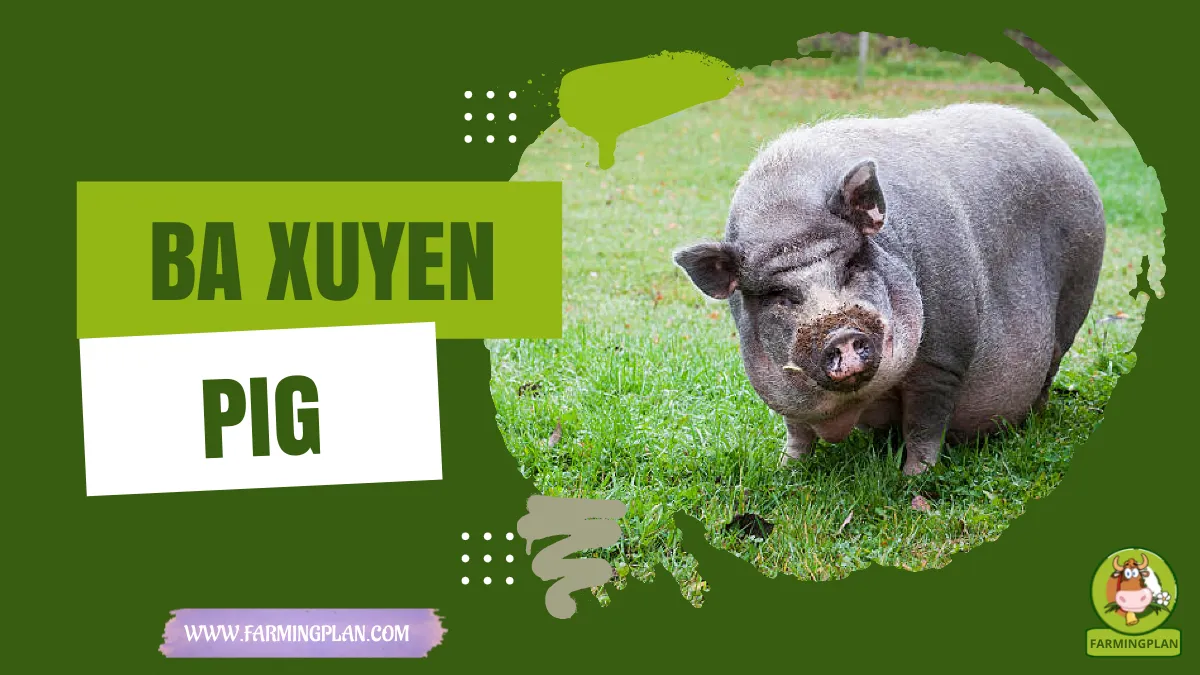
When you walk into a pen, you can instantly recognize these animals by their physical structure. They feature a short body supported by short legs, giving them a compact frame. An adult generally reaches medium weight, making them manageable for small farms without heavy equipment. Their skin color shows a striking contrast with pinkish skin underneath bold black patches. White feet are extremely common, creating a charming, piebald pattern that stands out in any yard.
Facial Structure And Teeth Features
The head of this animal has a slightly dished profile with a short snout. Like all swine, their enamel-coated teeth are strong enough to process tough roots and forage. Their ears are medium-sized and drop forward slightly over their eyes. This anatomical trait protects their eyes from dust and debris while foraging in open paddocks or farmyards.
This breed grows at a steady, moderate pace rather than a rapid industrial rate. Their pork production yields rich meat balanced with a generous backfat layer. This fat distribution makes the meat juicy and flavorful, ideal for traditional roasting or charcuterie preparations.
Nature/Temperament of Ba Xuyen Pig
In my years on the farm, I have found these animals to possess a wonderfully calm personality. They display a friendly, inquisitive nature when handlers enter their pens. They rarely show aggression toward humans, which makes daily management smooth and stress-free. Their relaxed temperament reduces overall yard anxiety, promoting better growth and happier livestock.
Social Interactions Within The Herd
These animals thrive in group settings and form clear, peaceful herd hierarchies. They enjoy wallowing together and foraging as a collective group. Sows display strong mothering instincts, taking gentle care of every piglet in their litter. Their quiet social style makes them easy to combine in shared pasture spaces. Because they lack the nervous energy of wilder breeds, they fit perfectly into small-farm systems.
Food & Diet of Ba Xuyen Pig
Feeding this breed is straightforward because they process varied feeds efficiently. I feed my herd a mix of crop residues, household byproducts, and green forage. They gladly eat Daikon radish scraps, agricultural wastes, and garden greens. Their digestive systems extract high nutritional values from simple, natural food sources. Children and novice handlers can learn animal care safely around them. Their easygoing nature means fewer barn repairs and lower stress for the farm manager.
Balancing Protein And Energy Needs
To maintain healthy weight gain, you must offer balanced protein levels throughout their growth stages. Ground grains, rice bran, and legumes like peanuts supply essential energy. Clean carbohydrates fuel their active daily foraging habits while maintaining muscle development. Always provide clean drinking water alongside every meal to support digestion. Never offer spoiled, moldy grain or salty food scraps, as salt toxicity can harm your stock. Keep feeding troughs clean to prevent bacterial build-up and disease spread.
Usage/Purpose of Ba Xuyen Pig
Farmers raise this stock primarily for high-grade pork meat that features exceptional flavor. The rich marbling and backfat thickness make the pork prized in local culinary markets. Smallholders sell fresh cuts to local butcher shops or utilize the harvest for homestead food security. Breeder farms use this native line to cross with foreign stock to boost hybrid vigor. Crossing them with faster-growing breeds produces offspring with both high growth rates and strong environmental resistance.
Lard And Traditional Byproduct Utility
Beyond lean meat, their fat yields clean lard for cooking and traditional preservation recipes. Rural households use these byproducts for domestic meals and artisanal sausage production. Every part of the animal provides genuine value to the home farm. This genetic flexibility makes them valuable assets in sustainable breeding programs.
“Raising Healthy Livestock Brings True Pride To Every Dedicated Swine Farmer.”
Special Features of Ba Xuyen Pig
One remarkable feature of this line is its adaptation to coastal salty-water zones. They thrive in coastal river deltas where freshwater supplies fluctuate throughout seasons. Their skin and digestive systems handle humid, brackish environments better than standard commercial lines. These animals possess impressive immune systems shaped by generations of local selection. They resist common tropical parasites and skin infections remarkably well. This natural toughness means lower veterinary expenses and fewer chemical interventions on your farm.
Efficient Conversion Of Roughage
Unlike high-maintenance commercial hogs, this stock converts fibrous greens into solid muscle and healthy fat. They harvest wild plants, roots, and farm surplus with great efficiency. This trait cuts total feed costs and maximizes farm profits.
Health Issues & Prevention of Ba Xuyen Pig
Even hardy animals face health challenges if hygiene standards drop. Internal worms, mange mites, and respiratory infections can affect your stock during wet seasons. Poor pen sanitation often leads to foot rot or bacterial scours in younger animals. Watch your herd daily for signs of illness like lethargy, loss of appetite, or coughing. Pink skin patches that look inflamed can signal skin parasites or fever. Early detection allows quick isolation and treatment before problems spread across the yard.
Preventive Care Strategies
Set up a regular parasite control plan using effective dewormers every six months. Keep pen bedding dry, clean water troughs daily, and maintain good airflow in housing structures. Strong biosecurity protocols shield your valuable stock from outside pathogens.
Step-by-Step Farming Guide for Ba Xuyen Pig
Building Successful Swine Operations
Raising a healthy herd requires careful planning, dedicated daily effort, and proper management routines. I have built and managed several swine setups, and following a clear step-by-step approach always yields the best results. You need solid infrastructure, balanced nutrition, careful breeding strategies, and steady health protocols to achieve lasting success. Whether you manage two animals or twenty, following these core steps will keep your herd thriving year after year.
Step 1: Setting Up Proper Housing Infrastructure
Building the right housing structure forms the foundation of your entire swine operation. You must construct a sturdy pen that protects your stock from extreme heat, heavy rain, and cold winds. I recommend concrete floors with a light slope, as this design makes daily cleaning and washing effortless. Provide at least sixteen square feet of space per adult animal to prevent overcrowding and stress.
Equip each pen with heavy, non-tip water troughs and sturdy feed stations to avoid waste. Ensure your building has open sides or high vents to encourage constant airflow, keeping humidity levels low. Proper shade is vital because these animals can suffer from heat exhaustion on sweltering summer afternoons. A well-designed pen saves you time, keeps animals comfortable, and prevents injury.
Step 2: Designing A Nutrient-Rich Feeding Routine
A well-planned dietary program drives steady growth and keeps your animals active and strong. Start your morning by offering a mixture of rice bran, crushed corn, and protein meals. Mix in fresh green forage like chopped grass or vegetable scraps to support digestion with natural fiber. I like to feed my stock twice daily at set times to establish a calm routine.
Clean water must remain available continuously; a single thirsty hog will lose appetite and stop growing. Adjust feed volumes based on the age, weight, and reproductive status of each animal. Pregnant sows require extra protein and minerals to support developing piglets. Always check feed quality before filling troughs to ensure no mold or contamination enters their daily diet.
Step 3: Implementing Breeding And Gestation Care
Managing your breeding stock carefully ensures strong litters and healthy replacement stock over time. Select healthy sows with good maternal traits and pair them with robust, well-formed boars. The gestation period lasts about 114 days, or three months, three weeks, and three days. During this time, isolate the pregnant sow in a clean, spacious farrowing pen with fresh bedding.
Keep the farrowing area quiet, warm, and free from cold drafts that could harm newborn piglets. Monitor the farrowing process closely so you can step in if the sow faces complications. After birth, ensure every piglet nurses immediately to receive vital colostrum milk for early immunity. Proper sow care during gestation produces bigger, stronger litters that grow rapidly.
Step 4: Piglet Nursery And Early Management
Nurturing young piglets through their first few weeks demands close attention and gentle handling practices. Keep the nursery area warm, using extra bedding or heat lamps if temperatures drop at night. Castrate male piglets not meant for breeding within their first two weeks to minimize physical stress. Administer iron supplements early, as sow milk contains low iron levels for fast-growing piglets.
Wean the young animals at six to eight weeks of age, transitioning them slowly onto solid starter feeds. Provide clean, easily accessible water nipples placed low enough for small piglets to reach comfortably. Keep nursery pens spotless to prevent digestive issues like scours during the delicate weaning phase. Attentive nursery care lays the ground for healthy, fast-growing adult livestock.
Step 5: Daily Hygiene And Farm Biosecurity
Maintaining high sanitation standards prevents disease outbreaks and protects your financial investment completely. Clean manure out of pens every single day and scrub down feeding troughs regularly. Apply lime or safe disinfectants to floor surfaces periodically to destroy hidden bacteria and virus spores. Limit external visitors from entering your animal pens without proper boot disinfection steps.
Quarantine any new livestock brought onto your farm for thirty days before joining the main herd. Keep wild birds, rodents, and stray animals away from feed storage bins using sealed containers. Burn or bury old bedding far away from living quarters to destroy parasite eggs. Rigorous daily biosecurity keeps your farm safe, clean, and highly profitable long-term.
Read More: Honey Bee Farming: Ultimate Guide to Pure Success
Expert Tips & Best Practices for Ba Xuyen Pig
- Create an outdoor mud wallow so your animals can cool down naturally during hot afternoons.
- Mix fresh agricultural byproducts like peanut vines into daily feed to lower overall feeding costs.
- Rotate pasture zones regularly to break internal parasite cycles in your soil naturally.
- Provide clean, dry straw bedding inside sleeping areas to protect joints and keep skin dry.
- Keep a detailed farm logbook tracking breeding dates, vaccinations, and individual weight gains.
- Establish a firm relationship with a local veterinarian for emergency care and health advice.
FAQs
What are five types of Ba Xuyen Pigs?
Five common types of pigs include the Yorkshire, Berkshire, Duroc, Hampshire, and Landrace breeds. Each type offers unique traits for meat production, growth rates, and maternal instincts.
How long do Vietnamese mini Ba Xuyen Pigs live?
Vietnamese mini pigs generally live between 12 to 15 years when provided with proper nutritional care, shelter, and routine veterinary checkups. With exceptional care, some individuals can even reach 18 years of age.
What is the 333 rule for Ba Xuyen Pigs?
The 333 rule refers to the gestation period of a sow, which lasts 3 months, 3 weeks, and 3 days (114 days total). Farmers use this simple memory rule to calculate expected farrowing dates accurately.
What is the price of a 100 kg Ba Xuyen Pig?
The price of a 100 kg pig varies by local market demand, live-weight market rates, and meat quality, usually ranging between $150 and $300 USD. Regional supply shifts and seasonal demand also influence the final market price significantly.
Can the Ba Xuyen pig adapt to wet climates?
Yes, this breed adapts exceptionally well to wet, warm, and coastal environments. Their origin in river deltas makes them highly resilient against high humidity and brackish water conditions.
Conclusion
The Ba Xuyen pig remains an outstanding choice for farmers who want hardy, adaptable, and highly efficient livestock in their pens. Throughout my years in agriculture, I have seen how native breeds offer incredible advantages through their natural disease resistance and low-cost feeding habits. By following proper housing construction, feeding balanced rations, and maintaining strict biosecurity, you can build a thriving, productive swine operation on your property. These animals bring real value, rich meat quality, and long-term sustainability to small-scale homesteads and commercial farms alike. Now it is your turn to take the next step in your agricultural journey! What strategies do you use on your farm?


