Duck diseases are a serious concern for both backyard duck keepers and commercial farmers. These diseases can spread quickly and affect your ducks’ health, egg production, and overall performance. Understanding duck diseases early helps you take fast action before the situation becomes worse. Many duck diseases are caused by viruses, bacteria, parasites, or poor nutrition. Without proper care, even a small issue can turn into a major outbreak. Learning about duck diseases and symptoms allows you to identify problems quickly and apply the right treatment. In this guide, you’ll learn everything from common duck diseases to prevention and safety tips.
Common Duck Diseases Every Owner Should Know
Knowing the most common duck diseases helps you stay prepared and protect your flock from sudden outbreaks. Ducks can suffer from viral, bacterial, parasitic, and nutritional disorders, each affecting them in different ways. Viral diseases spread fast, while bacterial infections are often linked to poor hygiene. Common duck diseases include avian influenza, duck viral hepatitis, duck plague, and Newcastle disease. Bacterial infections like fowl cholera and Escherichia coli are also widespread. Nutritional problems such as Angel Wing and wet feather are often caused by improper feeding. Understanding these conditions helps you take preventive steps and improve overall flock health.
Viral Duck Diseases
Viral duck diseases are highly contagious and can spread quickly within a flock. These diseases are often difficult to treat and may lead to high mortality rates. Common viral infections include avian influenza, duck viral enteritis (duck plague), and duck virus hepatitis. These viruses usually attack the respiratory or digestive system, causing severe symptoms. Preventing viral diseases requires strong biosecurity measures, proper sanitation, and minimizing contact with wild birds.
Bacterial Duck Diseases
Bacterial infections are among the most common duck diseases and can usually be treated if detected early. These infections often occur due to dirty water, poor housing conditions, or contaminated feed. Diseases like fowl cholera, Riemerella anatipestifer infection, and E. coli can cause serious health problems. Early diagnosis and antibiotic treatment are essential. Maintaining cleanliness and proper hygiene greatly reduces the risk of bacterial infections.
Duck Diseases and Symptoms
Understanding duck diseases and symptoms is essential for early detection and treatment. Most diseases show warning signs that should not be ignored. Ducks may become weak, stop eating, or behave differently when they are sick. Recognizing these changes can help you act quickly. Common symptoms include diarrhea, reduced egg production, and breathing difficulties. Some ducks may also show neurological signs like tremors or wry neck. Physical changes such as swollen joints or dirty feathers are also warning signs. Monitoring your ducks daily is the best way to catch diseases early and prevent serious outbreaks.
General Symptoms
General symptoms of duck diseases are often the first signs something is wrong. These include loss of appetite, lethargy, and reduced activity levels. Ducks may also show signs of dehydration or weight loss. In many cases, egg production drops significantly. These symptoms may seem mild at first but can quickly become serious if ignored. Regular observation helps you detect these early warning signs and take timely action.
Respiratory and Neurological Symptoms
Respiratory and neurological symptoms are more serious and usually indicate advanced disease. Ducks may cough, sneeze, or have nasal discharge. Difficulty breathing is also common in respiratory infections. Neurological signs include wry neck, tremors, and loss of balance. These symptoms often point to viral infections like Newcastle disease. Immediate isolation and proper treatment are necessary to prevent the disease from spreading further.
Read more: Duck Farming: How to Raise Ducks
Viral Duck Diseases Explained
Viral duck diseases are among the most dangerous because they spread rapidly and often have no direct cure. These diseases can wipe out an entire flock if not controlled early. They are usually transmitted through contaminated water, feed, or contact with infected birds. Common viral diseases include avian influenza, duck viral enteritis (duck plague), and duck virus hepatitis. Young ducklings are especially vulnerable. While treatment options are limited, supportive care and strong biosecurity practices can help reduce losses. Vaccination, where available, is also an effective way to protect your ducks from viral outbreaks.
Duck Viral Enteritis (Duck Plague)
Duck viral enteritis, also known as duck plague, is caused by a herpes virus and is highly contagious. It affects the digestive system and causes internal bleeding, diarrhea, and sudden death. Infected ducks may appear weak and dehydrated. This disease spreads quickly through contaminated water sources. Prevention includes strict hygiene, quarantine procedures, and avoiding contact with infected birds.
Duck Virus Hepatitis
Duck virus hepatitis mainly affects young ducklings and can lead to rapid death if untreated. It attacks the liver and causes severe weakness and loss of coordination. Ducklings may suddenly collapse or show spasms. This disease spreads quickly in crowded conditions. Providing proper care, clean housing, and early vaccination can help reduce the risk of infection.
Bacterial Infections in Ducks
Bacterial infections are very common in ducks and are often linked to poor hygiene or contaminated environments. Unlike viral diseases, bacterial infections can usually be treated with antibiotics if detected early. However, delayed treatment can lead to serious complications. Common bacterial infections include fowl cholera, Riemerella anatipestifer infection, and Escherichia coli. These diseases can cause symptoms like swelling, diarrhea, and respiratory issues. Regular cleaning, proper feeding, and access to clean water are essential in preventing bacterial infections. Early diagnosis and proper medication play a key role in recovery.
Fowl Cholera
Fowl cholera is a serious bacterial disease caused by Pasteurella multocida. It can lead to sudden death, fever, and swelling in ducks. Infected birds may appear weak and stop eating. This disease spreads through contaminated water, feed, or direct contact. Quick treatment with antibiotics can help control the infection. Maintaining clean living conditions is essential to prevent outbreaks.
Riemerella Anatipestifer Infection
Riemerella anatipestifer infection mainly affects young ducks and causes respiratory and neurological symptoms. Ducks may show signs like coughing, diarrhea, and loss of balance. This disease spreads rapidly in crowded environments. Early diagnosis and proper antibiotic treatment are important for recovery. Good hygiene and proper ventilation can significantly reduce the risk of infection.
Parasitic, Fungal, and Nutritional Disorders
Not all duck diseases are caused by infections. Some are related to parasites, fungi, or poor nutrition. These conditions can weaken ducks and make them more vulnerable to other diseases. Proper care and feeding play a major role in preventing these problems. Parasitic worms can affect digestion and growth, while fungal infections often result from moldy food. Nutritional disorders like Angel Wing and wet feather are caused by improper diets. Providing balanced nutrition, clean feed, and fresh water is essential. Regular monitoring helps identify these issues early and prevents long-term damage.
Angel Wing and Wet Feather
Angel Wing is a condition where a duck’s wing grows abnormally due to poor nutrition, especially high-protein diets. Wet feather occurs when ducks lose their waterproofing ability, often due to poor diet or dirty water. Both conditions can affect a duck’s mobility and health. Providing a balanced diet and clean water helps prevent these issues and keeps ducks healthy.
Crop Impaction and Feeding Issues
Crop impaction happens when food gets stuck in a duck’s crop, usually due to dry feed or lack of water. Ducks may stop eating and appear uncomfortable. In mild cases, gentle massage or olive oil can help relieve the blockage. Proper feeding practices, including access to fresh water and balanced feed, are essential to prevent this condition.
Duck Diseases and Treatment
Treating duck diseases requires proper diagnosis and timely action. The treatment depends on the type of disease, whether it is viral, bacterial, or nutritional. Early intervention increases the chances of recovery and prevents the disease from spreading. Isolation is the first step when a duck shows symptoms. Veterinary diagnosis, including fecal sample testing, helps identify the exact problem. Antibiotics are used for bacterial infections, while supportive care is provided for viral diseases. Maintaining a clean environment and providing proper nutrition are essential parts of treatment.
Home Care and Supportive Treatment
Supportive care plays a crucial role in treating duck diseases. Keeping sick ducks warm, hydrated, and well-fed helps them recover faster. Clean water and a stress-free environment are important. Natural remedies like olive oil can help in minor conditions like crop impaction. However, serious cases require professional veterinary care.
Veterinary Care and Diagnosis
Veterinary care is essential for accurate diagnosis and treatment of duck diseases. Tests like fecal analysis and antimicrobial sensitivity testing help identify the cause of illness. A proper veterinary review ensures the right medication is used. This is especially important in cases involving multidrug-resistant strains. Early consultation with a vet can save your ducks’ lives.
Read more: Raising Ducks with Chickens: The Best Way to Raising
Duck Diseases Pictures & Identification
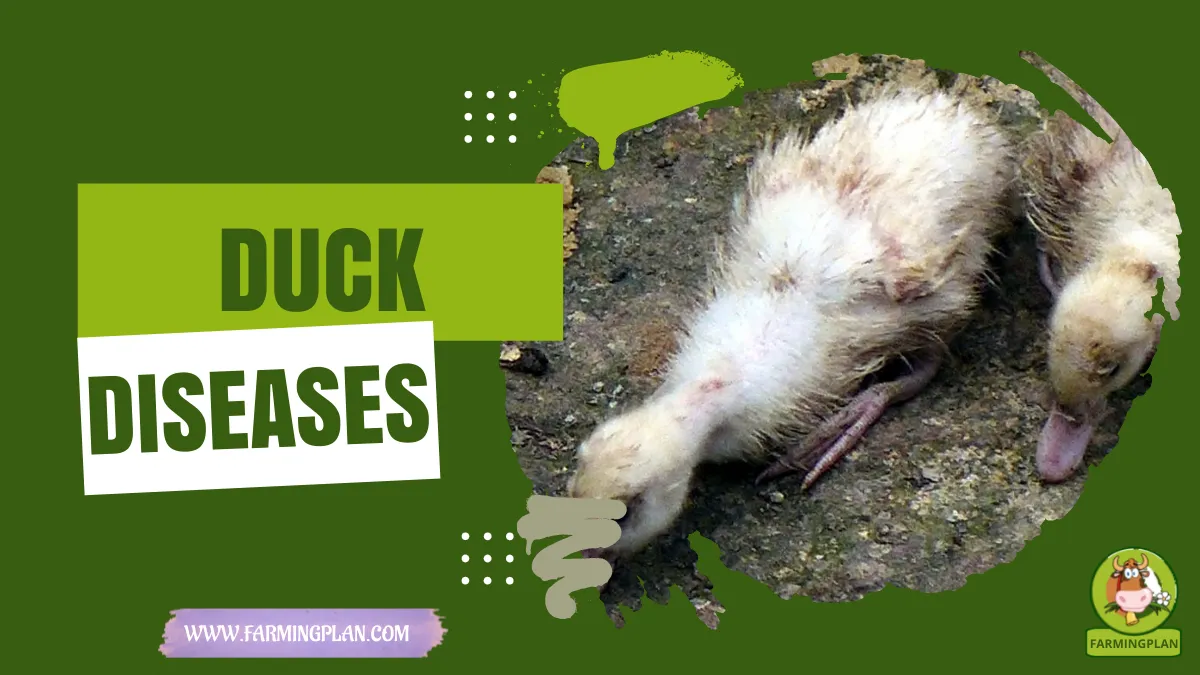
Using duck diseases pictures is one of the easiest ways to identify health problems. Visual signs can help you compare symptoms and understand what your duck may be suffering from. This is especially helpful for beginners who are not familiar with different diseases. Look for changes in feathers, posture, eyes, and overall appearance. Swelling, discoloration, and unusual behavior are clear warning signs. Comparing these symptoms with reliable duck diseases and symptoms pictures helps confirm your observations. Always combine visual checks with proper diagnosis for accurate results.
Visual Signs to Watch
Visual signs include swollen joints, dirty feathers, and unusual posture. Ducks may also show discharge from eyes or nose. Changes in movement or behavior can also indicate illness. Regularly observing your ducks helps you notice these signs early. Quick action can prevent minor issues from becoming serious diseases.
What Diseases Do Ducks Carry to Humans
Many people wonder what diseases do ducks carry to humans. While the risk is generally low, some duck diseases can be transmitted to humans, especially with poor hygiene. Understanding these risks helps you stay safe while handling your ducks. Diseases like avian influenza and certain bacterial infections can affect humans. These infections usually spread through direct contact with infected birds or contaminated surfaces. Practicing good hygiene, such as washing hands and wearing protective gear, greatly reduces the risk. Keeping your ducks healthy also protects you and your family.
Zoonotic Disease Risks
Zoonotic diseases are those that can spread from animals to humans. In ducks, avian influenza is the most well-known example. Bacterial infections like E. coli can also pose a risk. These diseases are rare but can occur with close contact. Proper hygiene and safe handling practices are essential to minimize risk.
Prevention and Biosecurity
Preventing duck diseases is always better than treating them. A strong biosecurity program helps protect your flock from infections and reduces the risk of disease outbreaks. Simple steps can make a big difference in maintaining duck health. Provide clean water, fresh feed, and a dry living environment. Avoid feeding mouldy food or exposing ducks to toxins like rodent poisons or castor beans. Regular health checks and proper nutrition are essential. Limiting contact with wild birds and maintaining cleanliness will help keep your ducks safe and healthy.
Biosecurity Best Practices
Biosecurity includes controlling access to your ducks, disinfecting equipment, and maintaining clean surroundings. Quarantine new ducks before adding them to your flock. These practices reduce the risk of introducing diseases. A well-planned biosecurity program is one of the most effective ways to prevent duck diseases.
Extra Tips for Managing Duck Diseases
- Always observe your ducks daily for early signs of illness
- Keep drinking water clean and change it regularly
- Avoid feeding mouldy or spoiled food at all costs
- Provide a balanced diet with proper nutrients and minerals
- Isolate sick ducks immediately to stop disease spread
- Clean and disinfect housing, feeders, and waterers often
- Do not overcrowd your ducks—give them enough space
- Quarantine new ducks before adding them to your flock
- Protect ducks from wild birds, which can carry diseases
- Use proper bedding and keep it dry to prevent infections
- Monitor egg production changes as a sign of health issues
- Avoid sudden changes in feed or environment
- Provide access to clean swimming water when possible
- Consult a veterinarian for serious or unusual symptoms
- Maintain a strong biosecurity program at all times
“Healthy ducks start with careful eyes—notice the small signs today, and you’ll prevent big problems tomorrow.”
FAQ
What are the most common duck diseases?
Ducks commonly get viral infections like Duck virus enteritis (Duck plague), Newcastle Disease, and Duck viral hepatitis, as well as bacterial infections like Riemer Ella antipeptide, E. coli infections, and fowl cholera. Parasites like Northern and Tropical Fowl Mites can also affect duck health.
How can I prevent duck diseases in my flock?
Preventive measures include following a strict biosecurity program, feeding a balanced diet (Pelleted Duck Feed, leafy greens, calcium supplements), proper vaccination, clean housing, and regular health monitoring, including fecal testing.
Can duck diseases affect egg production?
Yes, infections and nutritional disorders can reduce egg production. Diseases like Duck viral enteritis, Duck viral hepatitis, and poor nutrition leading to angel wing or shell gland issues can significantly impact laying performance.
How do I know if a duck is sick?
Watch for signs like lethargy, reduced appetite, drooping wings, swollen joints, abnormal posture, feather problems (angel wing, wet feather), and irregular egg-laying. Early detection is key to effective treatment.
Are duck diseases contagious to humans?
Most duck diseases are not zoonotic, but some, like avian influenza, can occasionally infect humans. Proper hygiene, vaccination, and biosecurity are essential to minimize risks.
Conclusion
Maintaining a healthy flock starts with knowledge and proactive management. Duck diseases can be viral, bacterial, parasitic, or nutritional, and each has a significant impact on your flock’s egg production, growth, and overall health. Early detection, regular health checks, proper nutrition, vaccination, and a strict biosecurity program are your best defenses. By understanding the signs, implementing preventive measures, and consulting a veterinarian when needed, you can reduce disease outbreaks and keep your ducks thriving. Healthy ducks mean happier flocks, consistent egg production, and peace of mind for every farmer, breeder, and hobbyist. Protecting your flock today ensures a productive and sustainable future.