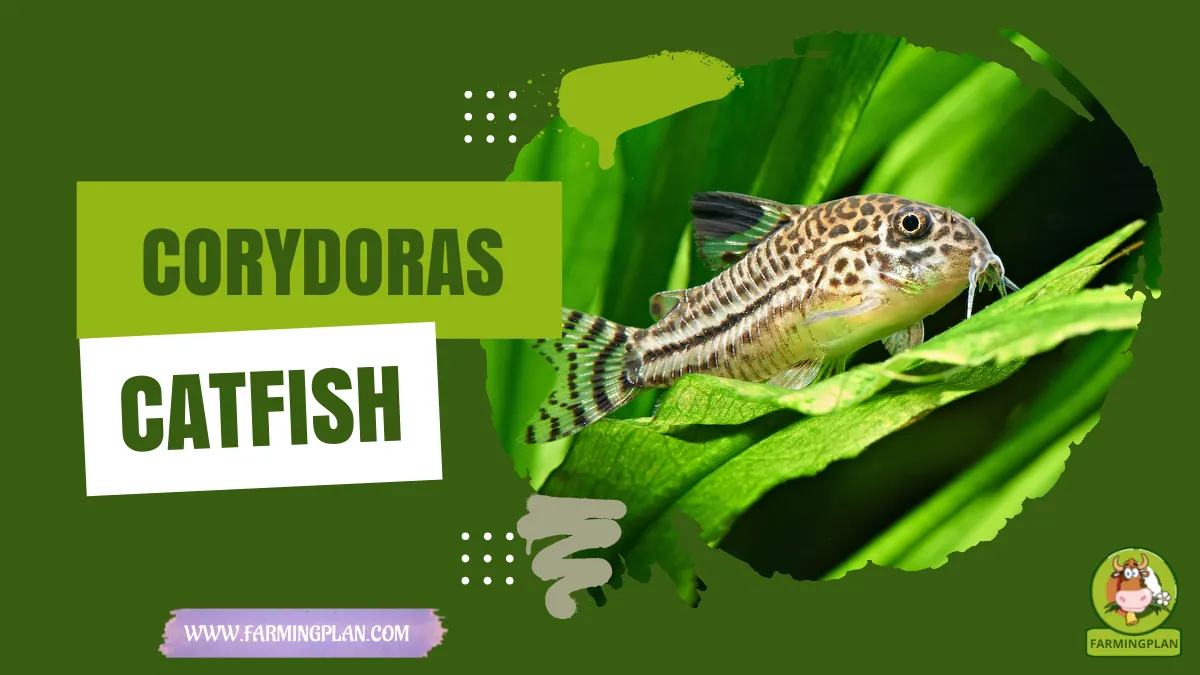
Corydoras Catfish are some of the most peaceful and entertaining freshwater fish I have ever raised. I started keeping Cory Catfish years ago when I built my first South American community aquarium, and they quickly became my favorite bottom dwelling fish. These tiny armored catfishes stay active all day, swim in shoals, and constantly search the substrate for food. Their playful behavior makes any aquarium feel alive.
Many aquarists love Corydoras because they suit beginner and intermediate level aquarists alike. You can find dozens of species with different colorations and patterns, including Corydoras aeneus, Corydoras paleatus, Corydoras pygmaeus, Sterbai Corys, Panda Corys, Emerald Catfish, and Green Lasers. Some hobbyists even collect rare C-numbers and exotic Rio Negro species from South American river systems.
In this guide, I’ll share my practical experience with Corydoras catfish size, feeding, tank mates, breeding, water parameters, and daily husbandry. I’ll also explain how to prevent Ich infection, protect sensitive barbels, and create the perfect aquarium hobby setup for these amazing fish species. If you’re planning your next aquarium project, I strongly recommend adding a school of Corydoras to your setup.
History & Origin
Corydoras belong to the family Callichthyidae, a group of armored South American catfish known for their bony plates of armor and peaceful nature. Scientists believe these fish evolved millions of years ago in Neotropical fishes habitats across the Amazonas basin, Rio Negro, Upper Rio Negro, Brazil, and many other South American river systems.
I always find their evolution fascinating because Corydoras adapted perfectly to shallow streams, flooded forests, and slow-moving tributaries. Their armor protects them from predators, while their sharp spines help defend against attacks. Some researchers even discovered mild venomous properties in certain species. Those spines can hurt predators and careless fish keepers alike, so I always handle them carefully during tank maintenance.
Ancient South American Catfish Evolution
Wild Corydoras often live near aquatic plants, leaf litter, and soft sandy bottoms. They spend their days digging through substrate in search of algae, worms, insect larvae, and tiny crustaceans. Their whisker-like barbels help them locate food in murky water. Clean substrate matters because rough gravel damages these barbels quickly.
Popular Species And Aquarium Expansion
The aquarium hobby introduced Corydoras catfish to global fishkeepers decades ago. Today, ornamental fish exports from South America supply many beautiful species to stores worldwide. Hobbyist Bred and Raised in the USA and Aquarium Bred and Raised populations also became very common.
Some of the most popular species include:
- Corydoras aeneus
- Corydoras paleatus
- Corydoras trilineatus
- Corydoras arcuatus
- Corydoras elegans
- Corydoras duplicareus
- Corydoras hastatus
- Sterbai Cory
- Peppered Cory Catfish
- Panda Cory
- False Julii Cory
- Emerald Catfish
- Orange Venezuelan Cory
- Albino Pygmy Cory
- Flag Tailed Panda Cory
- Green Lasers
- Rio Sarare Cory
- Brochis splendens
- Brochis pantanalensis
- C005 Corydoras pantanalensis
These species now appear in fish tanks around the world because they stay peaceful, hardy, and social.
Reads More: Indian Runner Duck Charming Care Guide
Characteristics
One reason I enjoy Corydoras so much is their incredible variety. Some species display metallic green bodies, while others show spotted, striped, bronze, albino, or panda-like patterns. Corydoras paleatus has a peppered appearance, while Sterbai Corys feature bright white spots with orange fins.
Armored Bodies And Beautiful Colorations
Most Corydoras catfish size ranges from 1 to 4 inches depending on species. Corydoras pygmaeus stays tiny, while Brochis splendens grows much larger. Their compact body shape helps them move easily along the aquarium bottom. Their bony armor plates make them look very different from scaleless catfish. These protective plates evolved to help survival in predator-rich habitats. Their downward-facing mouths and sensitive barbels make feeding efficient in sandy stream beds.
Special Physical Features
I often notice new hobbyists get surprised when Corys rush to the water surface. These fish can gulp atmospheric oxygen because they evolved in low-oxygen habitats. That behavior stays perfectly normal unless it becomes excessive.
Corydoras also possess:
- Sharp defensive spines
- Sensitive barbels
- Schooling instincts
- Fast darting behavior
- Strong substrate digging habits
- T-position breeding posture
- Mild venomous spine secretions in some species
Their ability to adapt to many aquarium conditions explains why aquarists worldwide love them.
Nature & Temperament
Corydoras catfish thrive in shoals. I never keep fewer than six because isolated fish become shy and stressed. In larger schools, they show playful swimming behavior, synchronized movement, and active exploration. Unlike aggressive bottom-dwellers, Corys peacefully share space with many species. They rarely bother tank mates and spend most of their time searching the substrate for leftover food. I often compare them to tiny underwater vacuum cleaners, but they need proper feeding too. Many beginners mistakenly assume Cory Catfish survive only on scraps. That causes weak immune systems and poor health.
Best Tank Mates For Corydoras
Corydoras catfish tank mates should remain peaceful and non-aggressive. I’ve had excellent success with:
- Tetras
- Rasboras
- Guppies
- Mollies
- Platies
- Discus
- Angelfish
- Bristle noses
- Whiptails
- Plecos
- Hemilocarina
- Rineloricaria
Small South American species work especially well because they prefer similar pH levels and temperatures. I avoid keeping Corys with aggressive cichlids or large predators. Big fish may injure them despite their armor.
Food & Diet
Feeding Corydoras correctly makes a huge difference in growth, coloration, and breeding success. I always use high-quality sinking pellets because these fish feed near the bottom.
Good foods include:
- Sinking pellets
- Fish food wafers
- Frozen bloodworms
- Brine shrimp
- Daphnia
- Blackworms
- Algae wafers
- Live foods
Corys stay active when they receive varied nutrition. I feed small amounts twice daily to avoid excess waste buildup.
Foods To Avoid
I avoid oily human foods and oversized pellets because Corys struggle to eat them. Sharp substrate combined with poor diet often causes barbel damage and infections. Overfeeding creates dangerous water quality issues, especially high ammonia and nitrate levels. Corydoras remain sensitive to dirty tanks, so clean feeding practices matter greatly. I also recommend occasional live foods during conditioning for breeding. Protein-rich foods help females produce healthy eggs.
Usage & Purpose
Most people keep Corydoras as peaceful aquarium pets. Their social behavior and nonstop activity make them entertaining additions to community fish tanks. They help consume uneaten food on the substrate, though I never rely on them as cleanup crews alone. Proper tank maintenance still matters. Many aquarists also breed Corydoras commercially because demand stays high. Popular species like Panda Corys, Albino Corys, and Sterbai Corys sell quickly in aquatic live fish markets.
Scientific And Educational Importance
Researchers use Corydoras in behavioral tests and ecology studies because these fish respond clearly to environmental changes. Scientists examine their mimicry ring patterns, salinity stress responses, physiology, and pigment-patterns. Some studies even explore their role as model systems for evolutionary biology in Neotropical fishes.
Special Features
Corydoras possess many unusual abilities that impress me every time I watch them. Their armored plates protect against predators. Their barbels detect hidden food in dark streams. Their ability to gulp air helps survival in oxygen-poor habitats.
Many species also display:
- Schooling intelligence
- Peaceful compatibility
- Easy breeding behavior
- Attractive patterns
- Long lifespan
- Gentle personalities
Rare And Exotic Varieties
Collectors often search for unusual species from the Rio Negro and Amazonas regions. Rare Green Lasers, Orange Venezuelan Corys, and Corydoras duplicareus attract serious hobbyists worldwide. Some fishkeepers even collect special C-number Corydoras varieties discovered in remote South American waters near Pico Neblina and other isolated habitats. Their diversity keeps the aquarium hobby exciting.
Health Issues & Prevention
Corydoras stay hardy when water quality remains stable. Poor husbandry usually causes most health problems.
Common diseases include:
- Ich infection
- Fungal infections
- Myxosporean infection
- Fin rot
- Barbel erosion
- Bacterial infections
Ich appears as tiny white spots across the body. Fish may scratch against substrate or breathe rapidly. Barbel damage happens when rough gravel injures sensitive whiskers. Dirty substrate worsens infections quickly.
Prevention And Treatment Tips
I maintain stable temperature, gentle filtration, and regular water changes to prevent disease outbreaks. Most Corydoras species prefer temperatures between 72°F and 79°F.
Ideal conditions include:
- pH levels around 6.5–7.5
- Soft to moderate hardness
- Low ammonia
- Low nitrate
- Stable total dissolved solids
I often use reverse osmosis water mixed carefully with mineralized water for sensitive species from soft-water habitats. Quarantining new fish also prevents disease spread. Healthy husbandry always beats emergency medication.
“Healthy Corydoras Catfish Always Thrive In Clean Water, Soft Substrate, And Friendly Shoals — A Happy Cory Is Always Busy Exploring The Bottom Of The Tank!”
Step-By-Step Corydoras Catfish Care Guide
When I help beginners set up Corydoras aquariums, I focus on stability, cleanliness, and comfort. These fish adapt well, but they still need proper care to thrive long term. A successful setup starts before you even bring the fish home. Corydoras catfish live near the bottom, so substrate selection matters more than many people realize. Their sensitive barbels can suffer from rough gravel. I always recommend smooth sand or rounded substrate. Clean water also plays a huge role because waste settles directly where these fish live and feed.
Complete Beginner-Friendly Aquarium Setup Guide
A properly designed tank creates a safe environment where Corys can shoal naturally, explore peacefully, and breed successfully. Aquatic plants, driftwood, caves, and shaded areas help reduce stress. Good filtration keeps the aquarium stable without producing excessive current. The following step-by-step guide explains exactly how I care for Corydoras in my own fish room.
Step 1 – Choose The Right Aquarium And Equipment
I recommend starting with at least a 20-gallon aquarium for a proper school of Corydoras. Small species like Corydoras pygmaeus can live in slightly smaller tanks, but larger species need more swimming room.
Essential equipment includes:
- Gentle filter
- Aquarium heater
- Thermometer
- Air pump
- LED lighting
- Fine sand substrate
I always cycle the aquarium fully before adding fish. New tanks often contain dangerous ammonia spikes that kill sensitive catfishes quickly. Live aquatic plants improve water quality and provide security. I commonly use:
- Java fern
- Amazon sword
- Anubias
- Saggitaria lancifola
These plants survive well in Corydoras aquariums.
Step 2 – Create Safe Water Conditions
Stable water conditions matter more than chasing perfect numbers. I test pH measurements, nitrate, ammonia, and temperature every week.
Most Corydoras species thrive with:
- Temperature: 72–79°F
- pH: 6.5–7.5
- Soft substrate
- Low nitrate levels
- Moderate filtration
I perform weekly water changes of 25–30%. Clean water protects sensitive barbels and prevents disease outbreaks. I also avoid sudden salinity changes because Corys react poorly to salinity stress. Slow adjustments always work better.
Step 3 – Introduce Fish Slowly And Properly
I never rush acclimation. Corydoras stress easily during transport.
When bringing home new fish, I:
- Float the bag for temperature adjustment
- Slowly add aquarium water
- Wait 30–45 minutes
- Release fish gently
I always keep Corydoras in groups of at least six. Shoals reduce stress and encourage natural behavior. Watching them explore together remains one of my favorite parts of fishkeeping.
Step 4 – Feed And Maintain Daily
Daily care stays simple once the aquarium stabilizes. I feed quality sinking pellets and occasional frozen foods. I remove uneaten food quickly because waste buildup harms bottom-dwellers first.
Weekly maintenance includes:
- Gravel vacuuming
- Water testing
- Glass cleaning
- Filter inspection
- Plant trimming
Healthy Corys stay active, social, and curious. They constantly search the bottom while interacting with tank mates.
Step 5 – Breed Corydoras Successfully
Breeding Corydoras becomes surprisingly easy with good care. Mature females appear rounder than males. I condition breeding groups with live foods and cooler water changes. Spawning often begins after simulated rainfall conditions. The famous T-position appears during breeding. Females hold eggs while males fertilize them.
Females attach eggs to:
- Aquarium glass
- Plants
- Decorations
- Filter tubes
I usually separate eggs into breeding containers because adults may eat them. Fry hatch within several days depending on temperature. Newly hatched babies eat infusoria and powdered foods before graduating to baby brine shrimp.
Reads More: Cinnamon Rabbit Charming Care Guide
Expert Tips & Best Practices
Practical Corydoras Success Strategies
Here are my best personal tips after years of keeping Cory Catfish:
- Always keep Corydoras in shoals
- Use soft sand substrate
- Avoid sharp gravel
- Feed sinking foods daily
- Maintain stable temperature
- Perform regular water changes
- Quarantine new fish
- Add hiding places
- Avoid aggressive tank mates
- Use gentle filtration
- Watch barbels closely
- Never overcrowd the tank
Smart Advice For Long-Term Success
I’ve learned that simple husbandry usually beats expensive equipment. Clean water, quality food, and stress-free conditions create healthier fish than fancy gadgets ever will. Patience also matters. Corydoras become more confident over time, especially in mature aquariums with stable ecosystems.
FAQs
What Size Do Corydoras Catfish Reach?
Most Corydoras catfish size ranges between 1 and 4 inches depending on species. Pygmy Corys stay tiny, while Emerald Catfish and Brochis splendens grow much larger.
Are Corydoras Catfish Good For Beginners?
Yes, Corydoras make excellent beginner fish because they stay peaceful, hardy, and easy to care for. Beginners simply need clean water, soft substrate, and proper feeding.
How Many Corydoras Should I Keep Together?
I recommend keeping at least six Corydoras together. These fish naturally form shoals, and larger groups reduce stress while improving behavior.
Can Corydoras Live With Bettas?
Peaceful Bettas usually coexist well with Corydoras. I still monitor behavior carefully because aggressive Bettas may harass bottom-dwellers.
How Long Do Corydoras Catfish Live?
Healthy Corydoras often live 5–10 years with proper husbandry. Stable water quality and good nutrition greatly improve lifespan.
Conclusion
Corydoras Catfish remain one of the best freshwater fish choices for community aquariums. Their peaceful nature, playful shoaling behavior, beautiful colorations, and simple care requirements make them ideal for beginners and experienced aquarists alike. I’ve raised many species over the years, from Panda Corys to Sterbai Corys, and they always bring energy and life to my tanks. When you provide soft substrate, stable water conditions, quality food, and friendly tank mates, these amazing South American catfishes reward you with years of healthy activity and fascinating behavior. Share your favorite Cory species, breeding experiences, or aquarium tips in the comments and help fellow fishkeepers learn more about these incredible bottom-dwellers!