The Chara Chemballi duck holds a special place in my heart because this bird changed how I look at backyard poultry farming. When I first started working with waterfowl years ago, I noticed how well these indigenous ducks adapted to tough waterlogged areas and paddy fields. These birds come directly from the scenic region of Kuttanad in Kerala, where local farmers have raised them for generations.
Many people ask about the Chara chemballi duck difference, and I love explaining how these two local varieties work together to give you great egg production and tasty duck meat. In this comprehensive guide, I will share my personal hands-on experience so you can raise these hardy birds in a sustainable manner while boosting your rural livelihoods.
History & Origin of Chara Chemballi Duck
I still remember my first trip to Kuttanad in Kerala to study these remarkable birds. The local farmers showed me how Chara-Chemballi ducks evolved alongside traditional rice cultivation. These indigenous ducks thrived in vast paddy fields and shallow waterlogged areas where other poultry breeds struggled to survive. Over decades, local communities selected birds that could forage efficiently and resist harsh weather.
Scientific studies supported by Kerala Agricultural University and the Centre for Advance Studies in Poultry Science have documented their rich genetic lineage. The Indian Journal of Poultry Science and publications from ICAR and NBAGR highlight how these Kuttanad ducks form a crucial part of our national livestock germplasm. Whether you look at farms in Chenganacherry, Niranam Duck Farm, or small homesteads in Kadavakathi Village in Tenkasi, these ducks have provided steady economic security to smallholders and self help groups for generations.
Expanding Across Regions for Sustainable Farming
As word spread about their resilience, farmers outside Kerala took notice. I have seen agricultural institutes, including Assam Agricultural University and the Livestock Research Station, compare them with North–East varieties like the DEKA and Pati breed. Through institutional support from the State Institute of Rural Development and the Animal Husbandry Department, these ducks have traveled to diverse agro-climatic conditions across India.
Their rich history reflects strong socio-cultural dimensions. Raising these birds is not just about farming; it is an age-old tradition that connects people to the land and water. Today, preserving this native germplasm helps us maintain biodiversity while giving small farmers a reliable source of income year after year.
Read More: Crimean Honey Bee Secrets Revealed
Characteristics of Chara Chemballi Duck
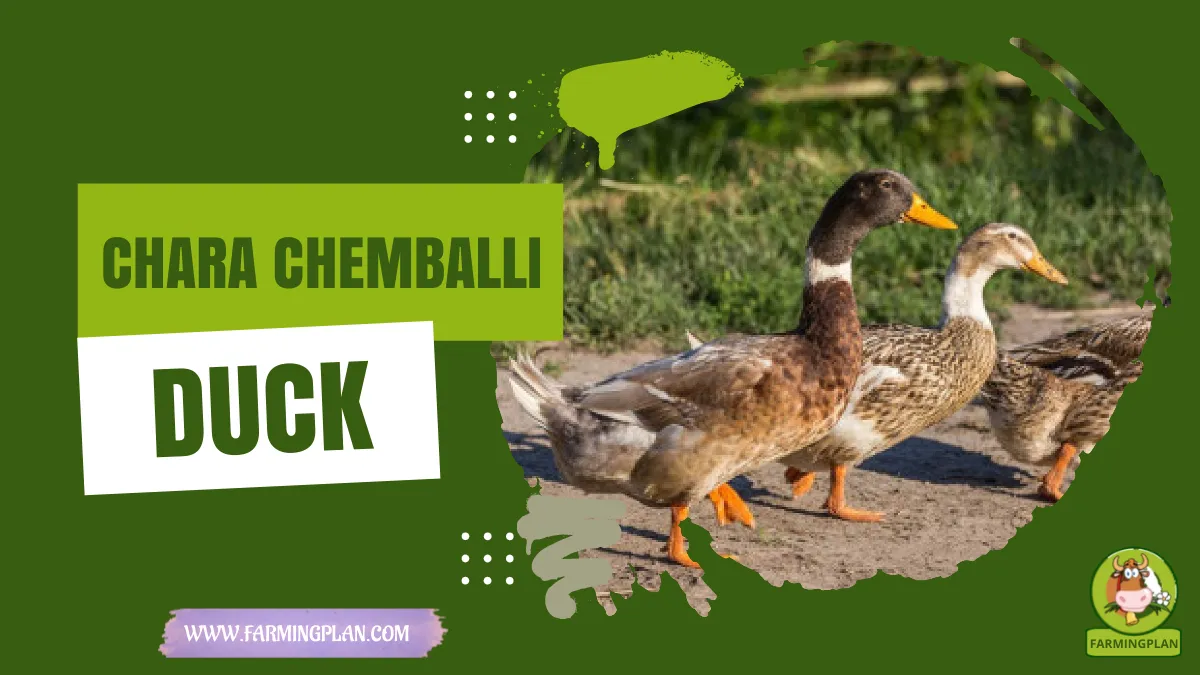
When you look at a flock in your yard, you can easily spot the physical variations between these two Kuttanad duck varieties. The Chara Duck features striking brownish-gray plumage with subtle speckles that blend perfectly into natural surroundings. On the other hand, Chemballi ducks display a rich, reddish-brown feather coat that glows beautifully under direct sunlight.
Their morphometry reveals strong body structure built for active foraging. Both varieties feature a stout body weight, strong shank length, deep breast bone, and broad chest girth. When I perform phenotypic characterisation in the field, I measure their neck length, wing span, and overall frame. Their legs and webbed feet are extremely tough, allowing them to swim gracefully and walk long distances across muddy paddy fields without fatigue.
Body Traits and Growth Performance
From my field measurements, an adult drake usually achieves a solid body weight that makes it valuable for meat production. Their growth performance traits rely on natural hormonal activity, like growth hormone regulation, which supports steady body weight gain without requiring expensive synthetic feeds.
Wing banded research flocks show remarkable consistency in carcass traits, dressing per cent, and giblets yield. The females start laying eggs around five to six months of age. Their average egg weight is impressive, and the eggs carry thick shells that protect them from damage during handling. These physical traits make both varieties ideal for sustainable backyard duck farming.
Nature/Temperament of Chara Chemballi Duck
I love spending my early mornings watching my flock roam around the farm pond. These ducks possess a lively, active, and curious nature that keeps your farm feeling vibrant and energetic. They are not sluggish birds; they prefer walking, swimming, and exploring every corner of your pasture in search of natural snacks. Despite their active nature, they are remarkably gentle and non-aggressive. They mix very well with other farm animals and quickly get used to their human caretakers. When I walk into the yard with a bucket of feed, they gather around with friendly quacks, making daily chores a genuine pleasure for any duck keeper.
Social Dynamics and Flocking Behavior
These waterfowl have a very strong flocking instinct. They always stick together while grazing, resting, or swimming, which makes flock management surprisingly easy for beginners. You do not have to worry about individual birds wandering off into danger because the group stays close. Their calm disposition makes them suitable for small yards, suburban homesteads, or large commercial setups. They handle handling well as long as you treat them gently. Their social behavior also extends to their own group, as drakes rarely display extreme aggression when you maintain a proper male-to-female ratio.
“Raising Indigenous Ducks Brings Pure Joy And Lasting Wealth To Your Backyard Farm.”
Food & Diet of Chara Chemballi Duck
One major advantage of raising these local birds is their ability to find their own food. In paddy fields and natural streams, they feast on snails, small fish, aquatic insects, tadpoles, weeds, and fallen grains. This natural diet reduces your commercial feed bills significantly while providing high-protein nutrients. I always encourage flock owners to let their birds range freely during the daytime. Foraging gives them exercise and improves the rich yellow color of their egg yolks. Their natural digestion handles coarse aquatic plants easily, turning wild greens into high-value food products for your family.
Balanced Feed Formulations and Dietary Rules
While foraging provides great nutrition, you should supplement their diet with balanced grains for consistent egg production. I offer my laying flock a mix of crushed corn, rice bran, wheat bran, and protein supplements. Always ensure your birds have continuous access to fresh, clean drinking water, especially while eating dry feed. Never feed your flock moldy grains, stale food, or toxic plants like nightshades. Keep their feeding troughs clean to prevent bacterial growth and maintain optimal health throughout the year.
Duck Care Tip: Always provide coarse sand or fine granite grit in a separate bowl. Ducks do not have teeth, so they need grit in their gizzard to grind up tough grains and insect shells smoothly.
Usage/Purpose of Chara Chemballi Duck
I always recommend these native birds to farmers who want a reliable egg stream. The females are brilliant layers, producing high quantities of large, nutrient-dense eggs every year. Their laying cycle remains consistent even during seasonal weather changes that typically stress foreign commercial breeds. Local markets love these eggs because of their strong shells and rich taste. Selling fresh duck eggs provides a steady daily cash flow for rural households, supporting family finances and rural livelihoods in a very practical way.
Quality Duck Meat and Integrated Farming
Beyond laying, these birds yield excellent duck meat that local consumers highly prize. Their carcass characteristics show lean muscle distribution with great flavor, making cull birds and extra drakes valuable in the market. Their meat holds authentic taste profiles that commercial broiler ducks simply cannot match. These birds fit perfectly into integrated duck-cum-fish farming or rice-duck farming systems. Their droppings naturally fertilize fish ponds and rice paddies, while their foraging habits control harmful insects and weeds. This creates a zero-waste, sustainable loop on your farm.
Special Features of Chara Chemballi Duck
What makes these Kuttanad ducks stand out from exotic breeds is their unbelievable hardiness. They comfortably endure high humidity, heavy monsoon rains, and hot summer sun without dropping their egg output. Their dense plumage acts as a natural waterproof barrier, keeping their skin dry and warm even in waterlogged areas. Their strong feet and legs let them navigate rough terrain, deep mud, and thick swamp grass with ease. They rarely suffer from bumblefoot or leg weakness when given natural range, proving their superior genetic adaptability across diverse regions.
Strong Disease Resistance and High Efficiency
These indigenous ducks carry natural resistance against many common avian illnesses that wipe out sensitive commercial poultry. Their immune systems handle local environmental pathogens remarkably well, lowering your veterinary expenses and mortality rates significantly. They also show superior feed conversion efficiency when raised on mixed foraging diets. They turn low-cost farm waste and wild organisms into premium protein, giving you maximum returns with minimal capital investment.
Health Issues & Prevention of Chara Chemballi Duck
Even though these birds are tough, they can still fall ill if management drops. The biggest threat to any duck farm is duck plague, also known as duck viral enteritis. This nasty illness is caused by a virus belonging to the Herpesviridae family, specifically from the Alphaherpesvirinae subfamily (Mardi virus). It spreads rapidly and causes high mortality with severe internal lesions and a distinct diphtheritic membrane in the digestive tract.
Another serious concern is bird flu (avian influenza), which can devastate entire regions. Farmers must also watch out for duck cholera, botulism from stagnant toxic water, and internal parasites that reduce egg production and cause slow body weight gain.
Practical Disease Prevention and Biosecurity
Prevention is always cheaper and easier than treatment. I strict biosecurity rules on my farm to keep diseases away from my flock. Modern diagnostic tools, like Polymerase chain reaction assays targeting the viral DNA polymerase gene, help laboratories confirm infections quickly, but your daily habits remain your first line of defense.
Vaccinate your ducklings against duck plague and duck cholera according to your local veterinary schedule. Keep their night shelters dry, well-ventilated, and clean. Never allow your ducks to drink from stagnant, smelly pools of toxic water.
Step-by-Step Farming Guide of Chara Chemballi Duck
Raising a healthy flock requires a solid plan right from day one. I have built this step-by-step care system over years of field testing to help you avoid common mistakes and achieve high profits.
Step 1: Planning and Setting Up Your Duck Housing
Setting up a comfortable house is your very first step toward duck farming success. Chara Chemballi Ducks do not need fancy buildings, but they require a safe, dry, and predator-proof shelter for night confinement. Build a sturdy shed using locally available materials like bamboo, wooden poles, or tin sheets. Allow at least three square feet of floor space per adult bird inside the night shelter so they do not feel overcrowded.
Ensure the shelter has excellent cross-ventilation to carry away ammonia fumes from their droppings. Cover all air vents with fine wire mesh to keep out rats, snakes, foxes, and stray dogs. Spread a thick four-inch layer of clean wood shavings, rice husk, or dry straw on the floor to absorb moisture and keep their feet dry. Always build the shelter on elevated ground so rainwater drains away quickly without flooding their living space during heavy monsoons.
Step 2: Selecting Healthy Ducklings and Brooding Setup
Starting with high-quality stock sets the foundation for your entire farming operation. Purchase your day-old ducklings from certified breeding farms, government hatcheries, or reputable local breeders. Look for active, alert ducklings with bright eyes, soft dry down feathers, and strong legs. Avoid ducklings that appear lethargic, have pasted vents, or show obvious physical deformities.
Set up your brooding area two days before the ducklings arrive at your farm. Place a heat lamp or electric bulb above the brooding ring to maintain a warm temperature around 90°F (32°C) during their first week. Reduce the temperature by 5°F each week as their true feathers begin to grow. Keep the brooding floor covered with clean paper towels or coarse cloth for the first three days so the young ducklings do not eat the litter material by mistake.
Step 3: Feeding Management from Brooder to Maturity
Proper nutrition during the growing phase determines your flock’s future egg production and overall health. Feed your young ducklings a starter crumble containing around 20% crude protein for their first three weeks. Place the feed in shallow trays so they can find it easily. Never offer dry, fine powder feed because it can clog their nostrils and cause choking issues.
Transition your birds to a grower feed containing 16% protein from week four through week twenty. Once they reach twenty weeks or start laying their first eggs, switch them over to a layer ration rich in calcium and essential minerals. Always place water containers right next to their feeding troughs. Ducks must dip their entire bill into water while eating to wash down their food and clear their nasal passages properly.
Step 4: Range Management and Water Access Setup
Once your ducklings reach four weeks of age and grow adult feathers, you can introduce them to outdoor range areas. Provide a safe fenced pasture or open paddy area where they can walk around freely during daytime hours. If you have a natural pond, lake, or stream, let them swim for a few hours every day. Swimming keeps their feathers clean, improves muscle tone, and stimulates their natural oil glands.
If you do not have a natural water body on your land, build a shallow concrete water trough or plastic pool. Make sure the water depth is at least six to eight inches so they can submerge their heads fully. Change the pool water regularly to prevent mud build-up and bacterial growth. Shade trees or simple thatched shelters in the range area protect your birds from scorching sun and aerial predators like hawks.
Step 5: Daily Care Routine and Flock Maintenance
Maintaining a consistent daily care schedule keeps your flock happy, healthy, and productive. Open the shelter doors early in the morning to release your ducks into the range or feeding area. Inspect every bird as it walks out, watching closely for signs of limping, drooping wings, or unusual tiredness. Collect fresh eggs from the shelter nesting boxes first thing in the morning before the birds head outside.
Clean and refill all water troughs with fresh water before offering their morning feed mix. In the late afternoon, herd your ducks back toward their night shelter using gentle movements and familiar call sounds. Give them a light evening feed inside or near the shelter to encourage them to enter smoothly. Lock the doors securely before sunset to protect your investment from nocturnal predators.
Read More: Canary Island Goat Secrets for Happy Farmers
Expert Tips & Best Practices for Chara Chemballi Duck
- Keep a strict ratio of one drake for every six to eight females to ensure high egg fertility without over-stressing your ducks.
- Place low nesting boxes filled with soft, dry straw in dark corners of your shelter to prevent egg breakage.
- Add fresh probiotic culture or a splash of apple cider vinegar to their drinking water twice a week to boost gut health naturally.
- Provide an artificial light source inside the duck house during winter months to maintain fourteen hours of total light for steady egg laying.
- Rotate your pasture grazing areas every few weeks to break parasite lifecycles and let the green vegetation recover.
- Keep a small quarantine pen far away from your main shelter to isolate any sick or injured bird immediately.
- Sprinkle agricultural lime powder on damp soil around water troughs to eliminate odor and kill bacteria naturally.
FAQs
How many eggs does a Chara Chemballi duck lay in a year?
A healthy female can lay between 200 to 250 large eggs annually under good management practices. Their laying performance remains steady when you provide balanced layer feed alongside daily natural foraging opportunities in paddy fields or ponds.
What is the main difference between Chara Chemballi Ducks?
The main difference lies in their feather coloration and subtle body markings. Chara ducks display a brownish-gray speckled feather coat, while Chemballi ducks feature a distinct, deep reddish-brown plumage across their body.
Can I raise these ducks without a natural pond on my farm?
Yes, you can easily raise them without a natural pond as long as you provide fresh drinking water in deep troughs. A simple shallow plastic pool or concrete tank allows them to dip their heads and wash their feathers comfortably every day.
What do I feed young ducklings during their first month?
Feed young ducklings a commercial chick starter or duck starter crumble containing roughly 20% protein for their first three weeks. Always provide fresh, clean water right beside their feed so they can wash down their meals safely.
How do I protect my flock from fatal viral diseases like duck plague?
You can protect your flock by getting them vaccinated against duck plague starting at six to eight weeks of age. Maintaining strict sanitation, keeping bedding dry, and stopping wild waterfowl from accessing your farm pond will further protect your birds.
Conclusion
Raising the Chara Chemballi duck offers a rewarding pathway to sustainable egg production and resilient backyard farming. These native waterfowl bring together exceptional climate hardiness, low maintenance costs, and impressive productivity that commercial breeds simply cannot match. By following proper housing guidelines, providing clean water, and maintaining a balanced feeding routine, you can build a thriving flock that supports your household and local community. I encourage you to take the next step in your poultry journey today by exploring local hatcheries, sharing this guide with fellow farming enthusiasts, and starting your own flock of these magnificent Kuttanad ducks!