I always love sharing my personal experience with the resilient Chamba goat because this mountain animal brings real joy to livestock farming. Born and raised in the high-altitude Himalayan region of Himachal Pradesh, India, these goats possess remarkable endurance that makes them stand out from standard dairy or meat breeds. As a farming specialist, I have worked alongside nomadic pastoralists who rely on this distinct Capra species for their livelihoods.
These mountain ruminants thrive in tough weather, producing soft hair fiber, milk, and high-quality meat even on sparse grazing pastures. Whether you want to expand your livestock herds, venture into cashmere and pashmina fiber production, or simply raise hardy animals, learning about this breed gives you a massive advantage. Let us explore everything you need to know about this fantastic animal and how you can raise a healthy herd.
History and Origin of Chamba Goat
The historical roots of these animals tie deeply into the high Himalayan mountain ranges of northern India. Traditional livestock keepers across Himachal Pradesh and neighboring Kashmir have bred these animals for generations to survive harsh climates. These hardy ruminants share close ties with other famous mountain livestock like the Changthangi goat, Chegu goat, and Kel goat. Nomadic pastoralists originally bred them for seasonal movement, driving large herds across steep mountain passes to find fresh grazing lands. Their genetic heritage traces back to resilient wild goat ancestors like Capra aegagrus, giving them unique survival traits.
Over centuries, local village and pastoral families depended on these animals for their basic daily survival needs. Their thick coat color and dense soft hair protected them from freezing cold rains and mountain winds. Beyond providing vital household milk and rich meat, these goats produced valuable pashmina and cashmere fiber for local textile markets. Their historical role as dual-purpose livestock made them essential to the local rural economy. Today, conservation of the breed remains vital as climate change and changing land use impact traditional migratory routes.
Read More: Gascon Pig : The Secrets of Successful
Characteristics of Chamba Goat
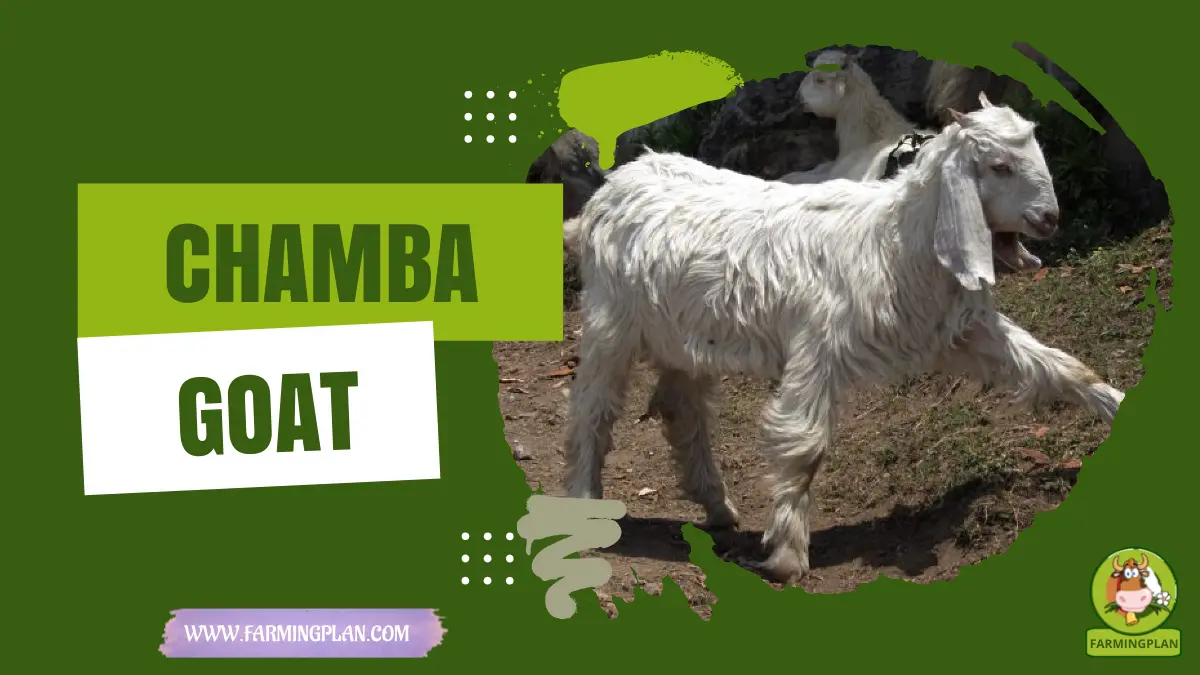
When you observe these mountain goats up close, their striking physical appearance immediately catches your eye. They display a medium-to-large body frame built with strong, lean muscles that help them navigate steep, rocky slopes. Their coat color typically features clean white or light shades, although you will occasionally see mixed tones in certain herds. The animals grow a dense outer coat of straight hair along with a fine, soft undercoat of pashmina fiber. This double-layer coat insulates their bodies against freezing mountain temperatures during long winter months.
Both male and female goats feature impressive, sweeping horns that curve backward over their heads. Their sturdy legs and tough hooves allow them to climb jagged terrain without slipping or hurting themselves. Their broad heads, erect ears, and alert eyes give them a very sharp and attentive expression. A mature buck carries a larger frame with a thick neck and heavy horns, while does maintain a more compact, athletic shape. Their overall phenotype clearly reflects centuries of adaptation to high-altitude living, making them visually distinct from lowland commercial breeds like Boer or Saanen.
Behavioral Traits and Mountain Temperament of Chamba Goat
Working with these animals in the pasture is always an enjoyable experience because of their unique temperament. They display a very curious, active, and independent personality that reflects their historic free-ranging lifestyle. These diurnal creatures wake up early, eager to start browsing across pastures, bushes, and steep hillsides. While they can act a bit cautious around strangers, they quickly bond with attentive handlers who treat them gently. They form tight social structures within their herds, usually following a dominant leader during daily grazing routines.
Their active nature means they love to explore their surroundings and need plenty of space to move around freely. Unlike calm barn-raised dairy breeds, these mountain goats possess strong foraging instincts and sharp survival skills. They stay alert to spot potential predators and show remarkable intelligence when navigating difficult obstacles in the field. When you establish a daily routine with proper feed and calm handling, they become cooperative, manageable, and friendly. Their confident personality makes them a real pleasure to manage for patient livestock owners who respect their energetic spirit.
Feeding Guidelines and Digestive Health of Chamba Goat
Proper nutrition keeps your mountain livestock healthy, strong, and productive throughout the entire year. As herbivorous ruminants, these goats possess a four-chambered stomach consisting of the rumen, reticulum, omasum, and abomasum. This complex digestive system allows them to digest fibrous plants, wild grasses, shrubs, and coarse mountain vegetation easily. During warm months, allow your herd to spend several hours daily browsing on open pastures to gather natural minerals. Supplement their natural foraging with high-quality dry forage, natural hay, and clean grazing grasses to support steady digestion.
During winter months or breeding seasons, you must provide extra nutritional support to keep energy levels high. Feed them a balanced grain mixture containing barley, maize, crushed oats, and wheat bran for essential carbohydrates. Always supply clean mineral blocks rich in calcium, phosphorus, and trace minerals to support bone health and fiber growth. Avoid sudden changes in their diet, as quick shifts can disturb their rumen microbes and cause severe bloat. Ensure your herd has continuous access to fresh, clean water, especially after long hours of active foraging.
Agricultural Value and Commercial Purpose of Chamba Goat
Raising these goats offers multiple income streams for modern smallholder farming systems and homesteaders alike. Farmers primarily raise them for their dual-purpose yield of fine cashmere fiber and nutrient-dense meat. Each spring, farmers collect fine pashmina fiber by carefully combing out the soft undercoat before natural shedding occurs. This raw, high-value fiber reaches specialized textile markets, where artisans spin it into luxury shawls, scarves, and garments. Their hair length and low micron count make their fiber highly prized in the global textile industry.
In addition to valuable fiber, these goats produce lean, flavorful meat that sells well in regional livestock markets. Local families also rely on does for fresh household milk, which provides vital nutrients for rural homesteads. Their nutrient-rich manure serves as an exceptional organic fertilizer for agricultural crops and vegetable gardens. Their ability to clear invasive brush and thorny weeds makes them great natural land managers for rocky properties. Investing in this versatile breed allows you to diversify your farm products while utilizing low-cost natural grazing lands.
Adaptation Secrets and Unique Qualities of Chamba Goat
What makes these animals truly extraordinary is their astonishing genetic resistance to extreme weather conditions. They thrive at high altitudes where oxygen levels drop and cold winds blow continuously across open plains. Their thick double coat keeps them warm in sub-zero winters, yet they adapt surprisingly well to warmer seasonal transitions. Their efficient digestive system extracts maximum nutrients from low-quality shrubs and dry forage that other livestock cannot digest. This natural efficiency keeps feed costs remarkably low compared to delicate commercial dairy breeds like Saanen or Alpine.
Another rare trait is their incredible physical agility and sure-footed movement across treacherous terrain. Their tough hooves resist foot rot and wear down naturally as they walk across rocky mountain surfaces. They possess a robust immune system that provides natural resistance against common internal parasites and seasonal respiratory illnesses. Their strong maternal instincts ensure high kid survival rates, even during sudden cold spells in open pastures. These unique biological advantages make them one of the most reliable and low-maintenance goat breeds available for hardy environments.
Every Great Livestock Journey Begins With A Single Healthy Kid In Your Pasture.
Common Diseases and Disease Prevention of Chamba Goat
Keeping your herd healthy requires proactive care and a clear understanding of potential health issues. Common challenges include internal parasite infestations, such as stomach worms, acquired during communal pasture grazing. Watch for warning signs like sudden weight loss, pale gums, dull coats, diarrhea, or sluggish behavior in your animals. External parasites like lice and mites can also damage their valuable fleece and cause severe skin irritation. Regular health inspections help you spot these early problems before they spread through your entire livestock herd.
Respiratory infections, such as pneumonia, can occur if goats stay in damp, drafty quarters during cold rains. Enterotoxemia, or overeating disease, poses another risk if goats consume excess grain or lush green pasture too quickly. Prevent these health issues by maintaining a strict vaccination schedule for enterotoxemia and tetanus twice each year. Deworm your herd regularly based on fecal tests, and keep your shelter clean, dry, and well-ventilated at all times. Provide immediate shelter from cold rains and quarantine any sick animals right away to protect the rest of your healthy herd.
Pet Owner and Farming Care Guide for Chamba Goat
Building a safe shelter forms the critical first phase of your herd management plan. Design a well-ventilated barn that provides at least fifteen square feet of floor space per adult animal. Ensure the roof prevents rainwater leakage, while raised wooden sleeping platforms keep your goats dry and warm off the cold ground. Install sturdy perimeter fencing at least four to five feet tall to prevent these agile jumpers from escaping your pasture. Secure all fence lines against local predators like wild dogs or coyotes to keep your herd safe overnight.
Establishing Feeding Routines and Pasture Access
Creating a daily feeding schedule ensures consistent digestive health and steady growth across all life stages. Turn your goats out to pasture after the morning dew dries to reduce internal parasite consumption from wet grass. Provide free-choice grass hay in raised feeders inside the barn to minimize feed waste and soil contamination. Supply clean water troughs and keep mineral blocks elevated off the ground near their main feeding stations. Monitor individual feed intake carefully, giving lactating does and growing kids extra grain supplements to support higher energy demands.
Managing Shearing and Pashmina Fiber Harvesting
Harvesting fine fiber requires proper timing and gentle handling techniques every spring season. Watch for natural shedding cues as spring temperatures rise and the fine undercoat starts separating from the skin. Use specialized metal shedding combs to gently comb out the soft pashmina fiber without pulling the outer guard hair. Store the collected raw fleece in clean, breathable cotton bags to prevent moisture buildup and fiber damage. Carefully sort and clean the harvested fiber by removing twigs, dirt, and coarse hair to maximize its market value.
Executing Breeding Programs and Kidding Management
Managing your breeding practices carefully maintains high genetic quality and prevents unwanted inbreeding within your herd. Select strong, well-formed bucks and healthy does that exhibit superior body conformation and dense fiber growth. The gestation period lasts roughly 150 days, requiring extra nutritional support during the final six weeks of pregnancy. Prepare clean, deeply bedded kidding stalls inside your main barn before dates approach to ensure safe births. Assist newborn kids by clearing airway mucus immediately, drying their coats, and ensuring they nurse vital colostrum within two hours.
Maintaining Daily Herd Hygiene and Hoof Care
Maintaining daily hygiene standards protects your animals from preventable infections and hoof diseases. Make out wet bedding daily and replace it with fresh, dry straw or wood shavings to keep ammonia levels low. Inspect and trim their hooves every six to eight weeks using sharp hoof shears to prevent painful rot. Keep feeding troughs, water buckets, and barn floors clean to break parasite breeding cycles. Schedule regular health checks to monitor weight, check coat quality, evaluate eye brightness, and confirm overall vitality across your entire goat herd.
Read More: Carpathian Goat: The Secrets of Successful
Expert Tips and Best Practices for Chamba Goat
- Rotate your grazing pastures every two weeks to prevent parasite buildup and maintain fresh vegetation.
- Keep detailed breeding and health records to track individual lineage, birth dates, and fleece yields.
- Provide elevated rocks, wooden spools, or climbing platforms in the yard to satisfy their natural urge to climb.
- Introduce any new feed or grain concentrates gradually over ten days to protect rumen bacterial balance.
- Group your herd by age and size during feeding times so larger bucks do not bully young kids.
- Offer warm drinking water during freezing winter months to encourage proper hydration levels.
- Consult a local livestock veterinarian immediately upon noticing sudden lethargy, off-feed behavior, or abnormal coughing.
FAQs
What makes the Chamba goat unique compared to other breeds?
This Himalayan breed produces high-quality pashmina fiber while offering exceptional hardiness in severe mountain climates. Their strong foraging instinct and disease resistance allow them to thrive on minimal commercial feed inputs.
How much pashmina fiber does one goat yield annually?
An adult animal produces between 100 to 200 grams of raw, high-value fine fiber during the spring combing season. Production varies based on the individual animal’s overall health, age, nutrition, and specific genetic traits.
What is the ideal climate for raising these mountain goats?
They thrive best in cool, dry regions with low humidity and ample open pasture space for daily exercise. While they handle winter cold effortlessly, they require shaded shelters and clean water in warm, humid climates.
Are these goats suitable for commercial meat and dairy farming?
Yes, they serve as excellent dual-purpose livestock, producing lean meat along with rich milk for farm households. Their low maintenance costs make them cost-effective choices for small-scale and semi-intensive farming systems.
How do I prevent common health issues in my goat herd?
Keep your barn dry and well-ventilated, follow a strict routine deworming schedule, and maintain regular hoof trimming. Providing balanced minerals and clean water helps support a strong immune system year-round.
Conclusion
Raising the remarkable Chamba goat brings endless rewards for farmers, homesteaders, and fiber enthusiasts who value hardy livestock. Their rich Himalayan heritage, dual-purpose production of fine fleece and meat, and minimal feed requirements make them an outstanding addition to any agricultural operation. By implementing proper pasture rotation, clean shelter design, balanced nutrition, and gentle handling practices, you ensure your herd stays healthy and productive for years. Embrace these practical management steps today, share your farming experiences with fellow breeders, and join the growing community dedicated to preserving and raising these magnificent mountain animals!