The Gorkowska goose is an exceptional Central European domestic goose breed that I love raising on my farm. If you want a hardy bird for local breeding, pasture use, and fantastic meat production, this Polish regional goose label heritage stock delivers outstanding results. As a poultry specialist, I have worked with many goose breeds and Greylag goose species descendants over the years.
This breed truly stands out because of its high hatchability, fast gosling growth, and robust health. Today, I am excited to share my hands-on experience so you can raise these wonderful birds with total confidence! Organizations like the Food and Agriculture Organization of the United Nations (FAO) emphasize the importance of preserving such local heritage breeds for global agricultural diversity.
History & Origin of Gorkowska Goose
I remember when I first added these birds to my homestead years ago. The breed originated in Central Europe, where farmers selectively bred them to create high-performing poultry resources. Breeders developed these birds by crossing local Central European geese with high-yielding commercial varieties. This careful work preserved vital genetic traits while boosting mature weight and egg production. Today, conservation flocks play a massive role in maintaining these valuable genetic lines.
When you look at the FAO Animal Production and Health Paper guidelines, you quickly see why local breeding programs matter so much. Heritage birds adapt brilliantly to regional climates compared to industrial hybrids. My own flock has survived tough winters and hot summers without losing productivity. These birds carry centuries of agricultural history in their DNA. By raising them, you actively help maintain vital conservation value for future generations of smallholders, breeders, and homesteaders alike.
Read More: Chamba Goat: Farming Into A Successful
Characteristics of Gorkowska Goose
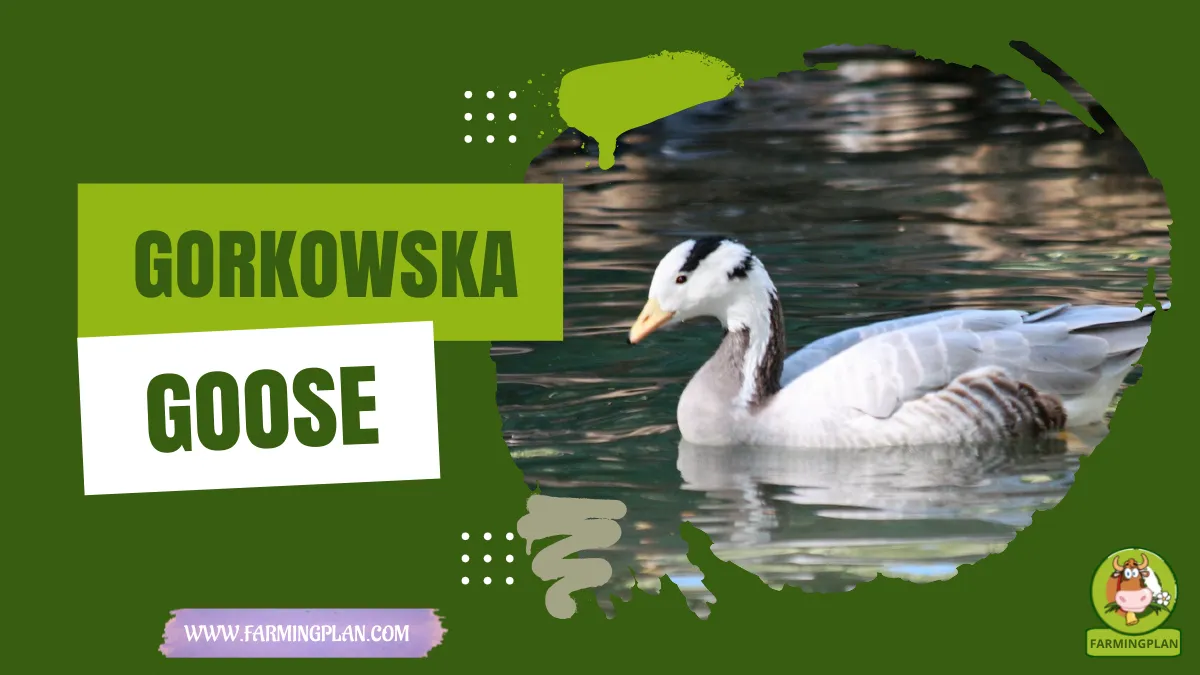
When I walk out to my pastures every morning, these birds immediately catch my eye. They feature stunning white plumage, strong wing muscles, and a powerful build designed for efficient foraging. Unlike sexually dimorphic species like the Pilgrim goose, Shetland Goose, West of England Goose, or Normandy Goose, male and female birds look quite similar in feather pattern. The ganders grow noticeably larger than the geese, showcasing a broad chest and a stocky frame. Their orange beaks and bright legs contrast beautifully against their clean white feathers.
Their physical build reflects pure functional strength. They develop excellent muscle structure, which leads to high-quality goose meat with exceptional water holding capacity and water binding capacity. These muscle traits ensure low defrosting losses and minimal cooking losses during culinary preparation. In sensory evaluation tests, their meat consistently ranks high for tenderness, rich flavor, and favorable color parameters. Whether you compare them to an African goose, Bar-headed Goose, Cackling Goose (Branta hutchinsii), or Swan goose derivative, their physical quality shines through every season.
Nature/Temperament of Gorkowska Goose
I frequently tell beginner farmers that temperament makes or breaks your daily flock management experience. Fortunately, these birds possess a calm, friendly, and curious nature that makes daily chores a total breeze. Unlike some aggressive ganders from other domestic geese breeds, these birds settle down quickly when you treat them with gentle care. They bond closely with their caretakers and form well-organized social groups within the yard.
Watching their behavioral ecology in action on open fields always brightens my day. They march around the pasture in neat formations, continuously communicating with quiet, soft calls. Their alert nature makes them great at spotting aerial predators without panicking the entire farmyard. If you have kids or other farm animals, these birds fit right into a busy homestead environment. Their steady temperament simplifies routine handling, health checks, and seasonal housing moves.
Food & Diet of Gorkowska Goose
Feeding my flock properly keeps their immune systems strong and their plumage bright. I let my birds forage freely on fresh pasture grass during the spring, summer, and fall months. They excel at converting simple pasture greens into high-value muscle mass and rich eggs. To support healthy growth, I supplement their diet with a high-quality grain blend containing corn, wheat, oats, and essential vitamins.
During breeding season, nutrition demands extra attention. I increase their calcium and protein intake to support egg shell quality and high hatchability. Always provide clean, fresh drinking water near their feed troughs at all times. Geese need water to clear their nasal passages and digest dry grains properly. Never feed them moldy hay, spoiled grain, or lawn mower clippings, as these cause severe digestive blockages and fatal fungal infections.
Usage/Purpose of Gorkowska Goose
I raise these versatile birds for multiple reasons on my property, making them true multi-purpose livestock. First, they produce superb meat that chefs and families love for special feast dinners. Their meat offers fantastic functional properties, balanced color parameters, and low drip loss during frozen storage. The raw muscle tissue holds moisture exceptionally well, resulting in juicy, tender roasts every time you cook.
Second, these birds lay a steady supply of large, rich eggs throughout the spring laying cycle. Their reliable hatchability makes them a joy to incubate if you plan to expand your flock or sell goslings to local farmers. Beyond meat and eggs, they work as fantastic natural lawnmowers. They graze down thick weeds, clean up dropped orchard fruit, and naturally fertilize pasture soils day after day without needing expensive tractor machinery.
Always Keep Fresh Water Near Your Geese To Ensure Optimal Digestion And Feather Health Every Single Day.
Special Features of Gorkowska Goose
What sets this bird apart from the American Poultry Association standard breeds like the Pilgrim Geese or Cackling Goose subspecies? The most impressive special feature is their unbelievable foraging efficiency. They turn low-input pasture forage into premium body weight faster than almost any other regional European breed. Their dense plumage also provides natural weatherproofing against freezing rain, mud, and bitter snowstorms.
Another notable feature is their excellent disease resistance and naturally calm demeanor. Researchers studying avian behavioral ecology and social organization often note how well-balanced these heritage geese remain under typical farm conditions. Their robust immune systems protect them from common backyard ailments that often strike down delicate commercial strains. Furthermore, their high water binding capacity in muscle tissue makes their meat highly prized for premium frozen storage and culinary curing.
Health Issues & Prevention of Gorkowska Goose
Keeping your homestead flock healthy requires proactive care and daily observation. While these birds are naturally hardy, they can contract common poultry diseases like bird flu, viral enteritis, or internal parasites. I inspect my flock every afternoon to check for drooping wings, cloudy eyes, or sluggish movement. Early identification prevents minor ailments from spreading through your entire farm.
- Maintain dry, clean bedding inside the coop to prevent foot sores and bumblefoot.
- Vaccinate young goslings according to local veterinary guidelines for high-risk avian viruses.
- Keep wild migratory waterfowl away from your domestic water troughs to stop disease transmission.
- De-worm your flock twice a year using broad-spectrum poultry treatments.
- Provide grit and coarse sand to ensure proper gizzard grinding action and digestive health.
Step-by-Step Farming Guide of Gorkowska Goose
Raising the Gorkowska goose on your property requires clear planning, proper shelter construction, and consistent daily care routines. I have designed this comprehensive step-by-step guide based on my personal homesteading experience to help you achieve perfect results from day one. Follow these exact steps to establish a thriving, healthy flock on your land.
Step 1: Setting Up Proper Housing And Brooding Areas
Before your young goslings arrive, you must prepare a clean, draft-free brooding area inside your barn or shed. Secure the perimeter against predators like raccoons, foxes, and neighborhood dogs using heavy-gauge hardware cloth. Spread a thick six-inch layer of dry pine shavings across the floor to absorb moisture and maintain warmth. Position infrared heat lamps or radiant brooder plates suspended safely above the floor. Set the temperature directly under the heat source to ninety degrees Fahrenheit for the first week.
As your birds mature, transition them into a ventilated adult goose house equipped with secure latching doors. Provide at least six square feet of indoor floor space per adult bird to prevent overcrowding and feather picking. Ensure the structure features elevated natural ventilation openings near the roofline to exhaust excess ammonia and moisture. Clean out wet bedding weekly and replace it with fresh straw to maintain pristine hygiene standards year-round.
Step 2: Feeding And Watering Young Goslings
During the first three weeks of life, feed your goslings a non-medicated chick starter or waterfowl starter crumb containing twenty percent protein. Avoid using medicated chick starter formulations designed for chickens, as certain additives cause severe organ damage in waterfowl. Place feed in low, open trays so young birds easily locate their food. Always position waterers immediately next to feed trays so chicks can moisten dry food as they swallow.
Water containers for young goslings must allow them to submerge their entire beak without permitting them to swim inside. Swimming in deep water bowls causes young, un-feathered goslings to become chilled, leading to fatal hypothermia. Change their water at least three times daily because goslings quickly foul their buckets with spilled mash. After four weeks, gradually transition them to a eighteen percent protein grower pellet mixed with freshly chopped pasture grass.
Step 3: Pasture Management And Rotational Grazing
Once your young birds grow their adult feathers around eight weeks of age, move them onto fresh pasture fields. Erect strong perimeter fencing using woven wire or electric poultry netting to keep predators out and geese contained. Subdivide your pasture into smaller paddocks to implement a simple rotational grazing system. Move your flock to a fresh paddock every five to seven days to keep grass palatable and prevent manure buildup.
Rotational grazing maximizes forage quality while breaking internal parasite life cycles across your land. Geese prefer short, tender grasses like clover, bluegrass, and orchard grass over tall, woody weeds. Keep pasture grass mowed to about four inches high to stimulate sweet young growth. Providing abundant shade structures or tall trees inside the paddock protects your flock from harsh midday summer sun and heat stress.
Step 4: Managing Breeding, Egg Production, And Incubation
When spring arrives, your adult birds prepare for their annual breeding cycle. Provide clean, ground-level nest boxes filled with soft straw in quiet corners of your goose house. Maintain a breeding ratio of one gander for every three to four geese to ensure high egg fertility rates. Feed your breeding stock an eighteen percent protein layer diet enriched with added calcium two weeks before expected laying starts.
Collect eggs twice daily to keep them clean and prevent thermal shock from cold morning ground temperatures. Store hatching eggs in a cool room at fifty-five degrees Fahrenheit, turning them daily for up to seven days before incubation. Incubate eggs at ninety-nine point five degrees Fahrenheit with sixty percent humidity for twenty-eight to thirty days. Turn eggs manually three times daily or use an automatic turner to achieve optimal hatchability rates.
Step 5: Daily Health Checks And Winter Care Routines
Maintaining flock health requires quick daily visual inspections during morning and evening feedings. Watch how your birds walk, eat, and interact with each other in the yard. Healthy geese display bright eyes, smooth feathers, active appetites, and energetic walking strides. Isolate any bird immediately if you notice limping, nasal discharge, lethargy, or pale comb and wattles.
Winter care demands extra preparation to keep your flock comfortable through heavy snow and freezing cold weather. Provide deep straw bedding inside the shelter to insulate their feet from frozen concrete or soil floors. Keep drinking water thawed using heated water buckets or submersible de-icers. Feed extra whole corn in the late afternoon to boost their metabolism and keep them warm throughout long winter nights.
Read More: Gascon Pig : The Secrets of Successful
Expert Tips & Best Practices for Gorkowska Goose
- Always build a small pond or install heavy-duty stock tanks to improve flock happiness and feather hygiene.
- Provide plenty of coarse granite grit in separate bins to support optimal gizzard grinding function.
- Move pasture shelters frequently to distribute rich nitrogen manure evenly across your fields.
- Hand-feed high-value treats like chopped lettuce and watermelon to build trust with your ganders.
- Keep adult ganders separated during spring breeding if you maintain multiple breeding harems in one barn.
- Install motion-sensor solar lights around pasture perimeters to deter nocturnal predators like coyotes.
- Store all feed in heavy-duty galvanized metal trash cans to keep mice and rats away.
FAQs
What makes the Gorkowska goose different from other breeds?
This breed stands out due to its high foraging efficiency, excellent mature weight, and rich meat quality. They adapt remarkably well to local breeding and smallholder pasture management systems.
How many eggs does a female lay per year?
A healthy female typically lays between thirty and fifty large white eggs during the spring laying season. Proper breeding-season nutrition helps maximize total egg yield and shell strength.
Are these geese noisy on a small farm?
They call out when strangers approach the property, making them great natural watchdogs. However, they remain much quieter than noisy African or Chinese goose varieties throughout the day.
What is the ideal mature weight for this breed?
Adult ganders usually reach twelve to fifteen pounds, while mature females weigh around ten to thirteen pounds. Their high meat yield makes them highly efficient livestock for homesteaders.
Can these birds live peacefully with other poultry?
Yes, they mix well with chickens, ducks, and turkeys when provided with sufficient pasture space. Always ensure adequate room around feed stations to prevent minor territorial scuffles.
Conclusion
Raising the Gorkowska goose on your farm offers incredible rewards, whether you want delicious farm-fresh meat, reliable egg production, or efficient pasture management. These hardy Central European birds bring massive value to any homestead through their calm nature, fast growth, and robust disease resistance. By providing clean housing, quality forage, and thoughtful daily care, you can build a thriving flock that serves your farm for many years to come. I encourage you to explore this fantastic heritage breed for your own homesteading journey! What are your thoughts on adding these amazing birds to your yard? Leave a comment below, share this guide with fellow farmers, and join our growing poultry community today!