The Australian Brown Goat has earned a respected place among Australian dairy goat breeds because of its dependable milk production, attractive brown coat, and calm personality. During my years working with dairy goats, I have learned that success comes from choosing the right breed and giving it proper care from the very beginning. The Australian Brown Goat stands alongside well-known breeds such as the Saanen Goat, British Alpine Goat, Toggenburg, Anglo Nubian, LaMancha, and Nigerian Dwarf Dairy Goat as an excellent option for both experienced breeders and beginners.
Many people also compare it with the Australian Melaan, Sable goats, Boer Goat, and even imported dairy lines developed from Swiss genetics. In this guide, I’ll explain the history, origin, characteristics, feeding, health care, farming practices, breeding, and management tips that I use on my own farm. Whether you keep goats for dairy production, meat, brush control, small-farm work, or breeding, you’ll find practical advice that helps you raise healthy, productive animals while following modern livestock management and animal welfare practices.
History & Origin of Australian Brown Goat
From my experience studying Australian livestock history, the Australian Brown Goat did not appear overnight. Instead, breeders carefully developed this dairy breed through many years of selection. Early European settlers, beginning with livestock introduced after the arrival of Captain Phillip and the First Fleet, brought domestic goats to Australia. These goats adapted well to the country’s varied climate and gradually formed the foundation for many local bloodlines.
Early Development Of A Unique Australian Dairy Breed
Australian breeders later imported high-quality dairy goats, especially Saanens, British Alpine, Toggenburg, and Anglo Nubian animals from Europe. Breeding programs combined desirable traits such as strong udders, excellent butterfat content, good protein levels, reliable lactations, and calm temperaments. Through careful selection over generations, local brown-colored dairy goats became increasingly consistent, leading to recognition of the Australian Brown as a distinct color-based type within Australian dairy breeding.
Influence Of Swiss And International Genetics
Swiss dairy goats greatly influenced the development of Australian dairy breeds. Breeds from Switzerland, including the famous Saanen breed, contributed excellent milk production and sound dairy conformation. Breeders also introduced embryos and semen from superior international bloodlines to improve disease resistance, milk yield, udder attachment, and overall productivity.
The Australian Brown shares some similarities with the Australian Melaan, another Australian-developed dairy goat distinguished primarily by coat color. Both breeds reflect decades of selective breeding rather than accidental crossbreeding. Australian breeders focused on producing animals suited to local farming conditions while maintaining strong dairy performance.
Development Through Research And Breed Organizations
Several agricultural institutions played an important role in improving Australian dairy goats. Historical breeding work at the Nyngan Experiment Farm, Condoblin Experiment Farm, and other experimental farms in New South Wales helped evaluate dairy performance, nutrition, grazing systems, and disease management. Organizations such as the Dairy Goat Society Of Australia (DGSA) and The Milch Goat Society of Australasia encouraged breeders to maintain accurate herd records, improve breed standards, and promote responsible livestock management.
Modern breeding programs also benefit from genomic tested genetics, allowing breeders to select animals with superior milk production, healthier udders, stronger feet, improved fertility, and better longevity. Today, Australian Brown goats continue to attract dairy farmers, hobby breeders, and small-scale livestock owners across Victoria, New South Wales, and other parts of Australia. Their growing popularity also reflects increasing demand for Australian goat milk, artisan dairy products, and sustainable farming systems.
Read More: Aussiedown Sheep Remarkable Prime Lamb Breed
Characteristics of Australian Brown Goat
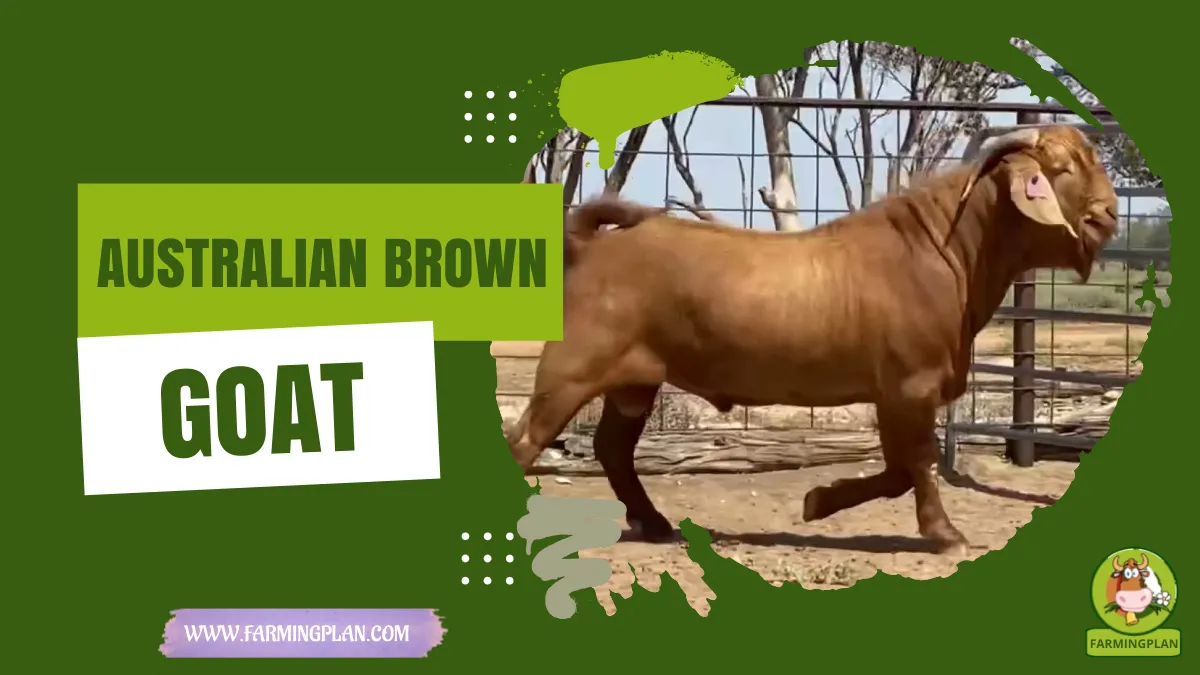
One reason I enjoy working with Australian Brown goats is their attractive appearance. As the name suggests, these goats display rich shades of brown, ranging from light caramel to deep chocolate. Many animals also carry a distinctive dorsal stripe, darker legs, or subtle facial markings. Their skin colour generally matches the darker pigmentation of the coat, helping protect against Australia’s strong sunlight.
Attractive Appearance And Breed Standard
The Australian Brown usually has a refined dairy body rather than the heavier muscular frame seen in the Boer Goat, which breeders mainly raise for meat. Mature does show excellent dairy character with a long neck, deep barrel, strong topline, and well-sprung ribs. Bucks develop powerful yet balanced frames with a masculine appearance while maintaining good mobility. A quality animal should have sound feet, strong legs, correctly placed teats, and a well-attached udder that supports multiple productive lactations. Most breeders avoid faults such as poorly attached udders, weak pasterns, extra teats, or structural defects that reduce productivity.
Dairy Performance And Milk Quality
In my experience, milk production makes this breed especially valuable. Healthy Australian Brown does can produce generous litres of milk during a normal dairy goat lactation when farmers provide proper nutrition and management. Their milk contains desirable butterfat content and protein levels, making it suitable for drinking as well as producing yoghurt, butter, and exotic cheeses. Compared with cows’ milk, many people find goat milk easier to digest because of its different fat structure. This growing demand has encouraged many Australian dairy farms to expand their breeding populations and invest in improved genetics.
Physical Traits And Adaptability
Australian Brown goats adapt well to diverse farming environments. Their medium-sized body allows them to handle grazing on improved pasture as well as rougher country used for brush control. Their alert ears, bright eyes, and active movement make it easy to identify healthy animals. Unlike some breeds that become nervous, I find these goats relatively calm and easy to handle. Their manageable size also makes routine tasks such as hoof trimming, milking, vaccination, pregnancy checks, and general health inspections much easier.
Although breeders primarily value them as a dairy breed, Australian Brown goats also contribute to mixed farming systems by producing healthy kids, maintaining pasture quality, and supporting sustainable livestock enterprises. With careful breeding, proper management, and attention to animal welfare, this Australian-developed dairy goat continues to earn respect among farmers looking for productive, adaptable, and reliable animals.
Nature & Temperament of Australian Brown Goat
One reason I enjoy raising the Australian Brown Goat is its calm and friendly temperament. Over the years, I’ve worked with several dairy goat breeds, including Saanens, British Alpine, Toggenburg, Anglo Nubian, LaMancha, and Nigerian Dwarf Dairy Goat, and I can confidently say that Australian Brown goats are among the easiest animals to handle. They quickly recognize their owners and respond well to gentle, consistent handling.
These goats are naturally curious. Whenever I enter the paddock, they often walk over to investigate what I’m doing. This behavior makes routine farm work much easier because they rarely become difficult during feeding, health inspections, or milking. I always encourage new goat keepers to spend a few minutes interacting with their animals every day. That small investment builds trust and reduces stress for both the goats and the farmer.
A Friendly Personality That Makes Daily Farming Easier
Australian Brown goats also adapt well to different farming systems. Whether I keep them on a small family farm or a larger commercial dairy operation, they remain active without becoming overly aggressive. Bucks can become more dominant during the breeding season, but proper management keeps them under control.
Excellent Animals For Families And Beginner Breeders
From my experience, this dairy breed suits beginners as well as experienced breeders. Their steady temperament makes daily chores easier, especially for people learning how to milk goats or care for newborn kids. I also appreciate how well they fit into mixed livestock farms. Australian Brown goats usually coexist peacefully with sheep, dairy sheep, cattle, horses, and even poultry when each species has enough space. They enjoy grazing with other goats while maintaining a clear social order within the herd.
Young goat kids are playful and energetic. They love climbing logs, rocks, and small platforms, so I always provide safe enrichment inside the paddock. This natural curiosity keeps them active and supports healthy muscle development. Because goats are herd animals, I never recommend keeping only one. A companion reduces loneliness and encourages normal social behavior. Happy goats usually eat better, grow faster, and produce more milk during future lactations.
Intelligence And Trainability
Australian Brown goats learn routines surprisingly fast. Mine know exactly when it’s time for milking, feeding concentrates, or moving between paddocks. With patient handling, they become comfortable with hoof trimming, udder checks, vaccinations, and veterinary examinations. Good management begins with calm handling rather than force.
I avoid shouting or chasing my goats because unnecessary stress affects milk production and overall health. Instead, I reward calm behavior with fresh forage or a small amount of grain after handling sessions. Their intelligence also helps when rotational grazing. Once they understand the farm routine, they move willingly between paddocks, making pasture management much more efficient.
Food & Diet of Australian Brown Goat
Good nutrition forms the foundation of every successful goat farm. I always remind new farmers that no breed can reach its full potential without a balanced diet. The Australian Brown Goat performs best when it receives high-quality pasture, clean water, and carefully balanced concentrates during periods of heavy milk production. Fresh grazing should provide most of the daily diet whenever possible. I prefer mixed pastures containing grasses, legumes, and browse plants because goats naturally enjoy eating a wide variety of vegetation. Unlike sheep, goats often select leaves, shrubs, and young branches before eating grass.
Build Every Feeding Program Around Quality Nutrition
This browsing behavior also makes them valuable for brush control on many farms. During dry seasons, I supplement grazing with premium hay. Lucerne (alfalfa) hay provides valuable protein, while grass hay helps maintain healthy digestion. Dairy does producing large litres of milk require extra energy, so I gradually increase concentrates without overfeeding.
Important Nutrients Every Goat Needs
Every ration should contain the right balance of energy, protein, vitamins, and minerals. Dairy goats lose significant nutrients through milk production, so I pay close attention to their body condition throughout lactation.
Essential nutrients include:
- High-quality forage
- Clean drinking water available at all times
- Calcium and phosphorus for strong bones
- Salt and mineral supplements
- Protein-rich concentrates during peak lactation
- Fresh browse whenever available
Proper nutrition supports healthy udders, strong immune systems, improved butterfat content, and better protein levels in milk. Pregnant does also need careful feeding during the final weeks of gestation. Their growing kids require extra nutrients, but sudden dietary changes can upset digestion. I introduce any feed changes gradually to avoid digestive problems.
Foods I Avoid Feeding
Some plants and foods can seriously harm goats. I never allow my herd access to moldy hay, spoiled grain, or contaminated water because these increase the risk of illness.
I also avoid feeding:
- Chocolate
- Onion
- Garlic in large amounts
- Rhododendron
- Azalea
- Oleander
- Excess grain
- Lawn clippings that have started fermenting
Overfeeding concentrates may cause digestive disorders, including enterotoxaemia. I always balance grain with plenty of roughage to maintain healthy rumen function. A simple feeding routine, combined with rotational grazing and regular body condition scoring, produces healthier goats and better dairy performance throughout the year.
Usage & Purpose of Australian Brown Goat
The Australian Brown Goat primarily serves as a dairy breed. From my experience, farmers appreciate its consistent milk yield, manageable size, and efficient feed conversion. Many commercial and family farms raise these goats to supply fresh Australian goat milk for drinking, yogurt, butter, ice cream, and specialty dairy products.
A Reliable Dairy Goat For Modern Farming
Goat milk continues to grow in popularity because many people prefer its flavor and digestibility over cows’ milk. Its balanced butterfat content and protein levels also make it an excellent choice for producing high-quality cheeses and other dairy products. Breeders focus heavily on selecting animals with strong udders, well-placed teats, excellent milk records, and long productive lactations. Careful selection improves each new generation while maintaining the breed standard.
More Than A Dairy Animal
Although dairy production remains the primary purpose, Australian Brown goats contribute in several other ways. Healthy breeding stock attracts strong demand from new farmers, hobby breeders, and educational farms.
These goats also assist with:
- Brush control
- Weed management
- Small-farm vegetation control
- Youth livestock programs
- Agricultural exhibitions
- Genetic improvement programs
- Sustainable mixed farming
Unlike the Boer Goat, which specializes in meat production, the Australian Brown focuses mainly on dairy performance. Even so, surplus male goat kids may contribute to goat meat production depending on local farming goals and market demand.
Contribution To Australian Agriculture
Australian dairy goats support an expanding agricultural industry. Farmers continue investing in better breeding populations through genomic tested genetics, imported embryos and semen, and responsible herd selection. Organizations such as the Dairy Goat Society of Australia encourage careful breeding records, while agriculture departments promote high-quality disease-free farming practices.
Strong animal welfare standards, proper livestock management, and responsible breeding continue improving the long-term future of Australian dairy goats. Many farms also participate in export markets involving genetics, breeding animals, and dairy products, demonstrating the growing international reputation of Australian livestock.
Special Features of Australian Brown Goat
The Australian Brown Goat combines reliable milk production with excellent adaptability. I appreciate how efficiently these goats convert forage into quality milk without demanding excessive feed compared with some larger dairy breeds. Well-managed does often remain productive through multiple lactations while maintaining healthy body condition. Strong udder attachment, balanced conformation, and durable feet contribute to long working lives.
Adaptability To Australian Conditions
One feature that impresses me most is this breed’s ability to adapt to different climates. From cooler regions of Victoria to warmer parts of New South Wales, Australian Brown goats perform well when farmers provide suitable shelter, clean water, and balanced nutrition. Their short-to-medium coat requires relatively little maintenance. Routine grooming removes loose hair, allows early detection of skin problems, and strengthens the bond between farmer and animal.
Excellent Breeding Potential
Australian Brown goats respond well to selective breeding programs. Responsible breeders choose bucks with sound feet, healthy scrotums, strong dairy genetics, and proven milk-producing daughters. Does should display excellent udders, correct teat placement, and consistent reproductive performance. By carefully selecting breeding animals each year, I improve milk production, fertility, disease resistance, and structural soundness throughout my herd. These qualities make the Australian Brown Goat a valuable choice for hobby farmers, commercial dairy producers, and livestock enthusiasts who want a dependable, productive, and easy-to-manage dairy breed.
Tip: “The Best Goat Isn’t Always The One That Produces The Most Milk—It’s The One That Stays Healthy, Breeds Consistently, And Fits Your Farm For Many Years.”
Health Issues & Prevention of Australian Brown Goat
Over the years, I’ve learned that preventing disease always costs less than treating it. The Australian Brown Goat is generally a hardy and productive dairy breed, but like all livestock, it needs regular health checks, proper nutrition, and good management. I never wait until a goat looks sick before taking action. Instead, I follow a routine health program that keeps my herd healthy throughout the year.
Every morning, I spend a few minutes watching my goats before feeding them. Healthy goats move around with confidence, eat eagerly, chew their cud, and interact with the rest of the herd. If I notice a goat standing alone, refusing feed, limping, or acting unusually quiet, I inspect it immediately. Early detection often prevents minor problems from becoming serious illnesses.
Build A Healthy Herd With Preventive Care
Clean housing also plays a major role in disease prevention. I remove wet bedding, manure, and leftover feed every day because dirty conditions encourage bacteria, parasites, and flies. Good ventilation keeps the shelter dry while reducing harmful moisture that can lead to respiratory problems. Fresh water remains available at all times. Dirty water quickly spreads disease, especially during hot weather. I also disinfect feeding troughs and water containers regularly to reduce the risk of bacterial infections.
Common Health Problems Every Farmer Should Watch
Although Australian Brown goats are known for their adaptability, several diseases can still affect them if management slips. I pay close attention to these common health concerns. If you found this guide helpful, share it with fellow goat enthusiasts, leave a comment with your own farming experiences, and help more people discover the benefits of raising Australian Brown Goats.
Mastitis
Mastitis is one of the biggest concerns for dairy goats. It causes inflammation of the udder and reduces milk production. A doe with mastitis may have a swollen, hot, painful udder or milk that appears watery, clotted, or discolored. I always wash my hands before milking, clean the teats thoroughly, and use sanitized equipment. These simple habits greatly reduce the chance of infection.
Internal Worms
Worms remain one of the most common health problems in grazing goats. Heavy parasite loads cause weight loss, pale eyelids, poor growth, rough coats, diarrhea, and reduced milk production. To control worms, I rotate grazing paddocks, avoid overcrowding, and perform regular fecal testing when recommended by my veterinarian. I only use dewormers when necessary to slow the development of drug resistance.
Enterotoxaemia
Enterotoxaemia develops when goats consume too much grain or experience sudden dietary changes. This disease progresses rapidly and can become fatal if left untreated. I introduce concentrates slowly and always balance grain with plenty of roughage. Vaccination provides one of the best forms of protection.
Foot Problems for Australian Brown Goat
Healthy feet support healthy goats. Overgrown hooves trap mud and bacteria, increasing the risk of foot rot and lameness. I trim hooves every few months and inspect them regularly for cracks, foul odor, swelling, or injury.
Respiratory Illness
Poor ventilation allows moisture and ammonia to build inside barns. This creates an environment where respiratory infections spread easily. I keep shelters clean, dry, and well ventilated while protecting goats from strong winds and heavy rain.
Reproductive Problems
Breeding animals require extra attention. During gestation, pregnant does need balanced nutrition, adequate minerals, and regular observation. Difficult births are uncommon but can happen, so I monitor pregnant does closely as kidding approaches. Bucks should also receive routine breeding examinations. I check body condition, sound feet, and the scrotum before each breeding season to ensure good fertility.
Vaccination, Biosecurity, And Daily Prevention
A strong preventive program keeps my herd productive year after year. I work closely with my veterinarian to develop a vaccination schedule suited to my region.
Important preventive practices include:
- Vaccinate against enterotoxaemia and other locally recommended diseases.
- Quarantine newly purchased goats for at least 30 days.
- Inspect animals daily.
- Keep shelters clean and dry.
- Provide balanced nutrition and clean water.
- Rotate grazing paddocks.
- Trim hooves regularly.
- Record illnesses, treatments, breeding dates, and kidding records.
- Cull animals with chronic health problems when necessary.
- Follow good Animal Welfare practices during handling and transportation.
Disease prevention begins with good management rather than expensive medicine. Healthy goats reward good care with stronger kids, better milk production, and longer productive lives.
Step-By-Step Farming Guide of Australian Brown Goat
Whenever someone asks me how to succeed with Australian Brown goats, I always give the same answer—start with a plan instead of buying goats first. A successful dairy goat farm depends on preparation, not luck. Before I purchased my first breeding animals, I spent time learning about housing, fencing, nutrition, breeding, health care, and daily management. That preparation saved me countless mistakes later.
Australian Brown goats thrive when farmers create an environment that matches their natural behavior. They enjoy browsing, climbing, exploring, and living with companions. If you understand these basic needs from the beginning, daily management becomes much easier.
Start With A Strong Plan Before Buying Your First Australian Brown Goat
I also encourage every beginner to join local goat breeder associations, attend livestock workshops, and learn from experienced farmers. Organizations such as the Dairy Goat Society of Australia provide valuable educational resources and breed information that help new owners build healthy, productive herds. The following steps describe the practical system that I follow on my own farm.
Step 1 – Choose Healthy Breeding Stock Carefully
The first decision often becomes the most important one. Healthy breeding animals form the foundation of every successful herd. I always buy goats from reputable breeders who maintain detailed breeding records and practice responsible herd management. I ask about milk production, butterfat content, kidding history, vaccinations, disease testing, and overall herd health before making a purchase.
When examining a doe, I look for:
- Bright, alert eyes
- A smooth brown coat
- Healthy skin colour
- Strong legs and sound feet
- A deep, well-shaped body
- Correct teat placement
- A well-attached udder
- Calm temperament
When selecting a breeding buck, I also inspect body condition, movement, scrotum development, and overall structural soundness. Good bucks contribute half the genetics of every kid born on the farm. Whenever possible, I choose animals from disease-free herds with proven dairy performance instead of buying based only on appearance or low price.
Step 2 – Build Safe Housing And Secure Fencing
Once I select quality goats, I prepare their new home before bringing them onto the farm. Australian Brown goats dislike damp conditions, so I build shelters that stay dry throughout the year. A simple shed with a waterproof roof, dry bedding, and excellent ventilation works much better than an expensive building with poor airflow. Inside the shelter, every goat needs enough space to rest comfortably without overcrowding.
Good ventilation removes excess moisture while helping prevent respiratory disease. Outside, I install strong fencing because goats are intelligent escape artists. Woven wire fencing usually works well, especially when supported by sturdy posts. Gates should close securely because curious goats quickly learn how to open weak latches. I also divide my grazing area into several paddocks. Rotational grazing allows grass to recover, reduces parasite problems, and provides cleaner forage throughout the year. Fresh water remains available in every paddock, while shade trees or shelters protect goats during hot Australian summers.
Step 3 – Introduce Goats Slowly And Establish A Daily Routine
The first few weeks after arrival greatly influence how well goats settle into their new environment. I always quarantine new animals for at least one month before introducing them to my existing herd. During this period, I monitor their health, check for parasites, complete vaccinations if necessary, and observe their eating habits. After quarantine, introductions happen gradually. I allow goats to see and smell each other through a fence before mixing them together. This method reduces fighting and stress.
Once the herd settles, I establish a consistent daily routine. Every morning I provide fresh water, inspect each goat, feed concentrates when needed, and check fences, shelters, and pasture conditions. Goats thrive on consistency. Feeding, milking, and health checks at the same time each day reduce stress and improve milk production. I also spend a few minutes handling young kids so they become comfortable around people from an early age.
Step 4 – Develop A Balanced Feeding And Grazing Program
Good feeding management supports every aspect of goat farming, from growth and reproduction to milk production and disease resistance. I allow my Australian Brown goats to graze diverse pastures whenever possible. Mixed grasses, legumes, shrubs, and browse provide a balanced natural diet while encouraging normal browsing behavior. During periods of heavy lactation, I supplement pasture with quality hay and carefully measured concentrates.
Pregnant does, growing kids, and breeding bucks each receive slightly different feeding programs based on their nutritional requirements. Mineral supplements remain available year-round because deficiencies can reduce fertility, weaken immune function, and affect milk quality. Rotational grazing also protects pasture health. I move goats between paddocks before vegetation becomes overgrazed, allowing grass to recover while reducing worm contamination. By combining good nutrition, clean water, careful observation, and consistent management, I create an environment where Australian Brown goats remain productive, healthy, and easy to manage throughout the year.
Step 5 – Manage Breeding And Prepare For Kidding
Once my herd reaches breeding age, I focus on selecting only the healthiest animals. I never breed goats simply to increase numbers. Instead, I choose does with strong udders, good milk records, sound feet, and excellent temperament. I also select bucks with proven genetics, healthy scrotums, and strong body condition. Using genomic tested genetics, when available, helps improve future generations.
The breeding season requires careful planning. I record every mating date so I can estimate the gestation period, which averages about 150 days. Keeping accurate records helps me prepare for kidding and monitor the health of pregnant does. During the last six weeks of pregnancy, I gradually increase feed quality to support the growing kids while avoiding overfeeding.
As kidding time approaches, I prepare a clean, dry kidding pen with fresh bedding. I keep clean towels, iodine for the umbilical cord, and emergency veterinary contact information nearby. Most does kid without assistance, but I stay close enough to help if complications arise. After birth, I ensure each kid nurses colostrum within the first few hours because it provides essential antibodies for disease protection.
Step 6 – Raise Healthy Goat Kids From Day One
Healthy goat kids become productive adults, so I pay close attention during their first weeks of life. I check that each kid stands quickly, nurses well, and stays warm. Weak kids receive extra attention immediately because early intervention greatly improves survival. I monitor both male goat kids and female goat kids for healthy growth. Kids should gain weight steadily and remain active. Fresh water, high-quality hay, and a small amount of starter feed become available as they begin exploring solid food.
Many breeders choose disbudding during the first week or two of life to prevent horn growth. I always ask an experienced veterinarian or trained professional to perform this procedure using approved animal welfare practices. Young goats also need routine vaccinations, parasite monitoring, and regular health checks. I handle kids gently every day so they become comfortable around people. Friendly, well-socialized goats are much easier to manage as adults, whether they become dairy animals, breeding stock, or companions on small farms.
Step 7 – Maintain Daily Health And Farm Management
Daily management determines whether a farm succeeds over the long term. Every morning, I walk through my herd before feeding. I look for signs of illness, injuries, poor appetite, limping, coughing, or unusual behavior. Catching problems early often prevents expensive treatments later. Milking hygiene remains one of my highest priorities. I wash the udder, clean the teats, and sanitize equipment before every milking session. This routine reduces the risk of mastitis and helps produce clean, high-quality Australian goat milk.
Hoof trimming becomes part of my regular maintenance schedule because healthy feet support healthy goats. I also rotate grazing paddocks, clean shelters frequently, and remove spoiled feed before it attracts pests. Record keeping is another habit I never skip. I maintain detailed notes about breeding dates, milk production, vaccinations, worm treatments, kidding records, and veterinary visits. These records help me make better breeding decisions and identify problems before they affect the entire herd.
Step 8 – Improve Your Herd Year After Year
Successful goat farming never stops evolving. Every breeding season gives me an opportunity to improve my herd through careful selection. I evaluate milk yield, butterfat content, temperament, fertility, structural soundness, and overall health before choosing replacement animals. Occasionally, I make the difficult decision to practice culling. Removing goats with chronic illness, poor production, or serious structural faults strengthens the overall breeding population. Although culling is never enjoyable, it supports long-term herd quality and animal welfare.
I also continue learning by attending workshops, reading research, and talking with experienced breeders. Agriculture changes every year, and good farmers stay open to new ideas about nutrition, disease prevention, genetics, and pasture management. With patience, careful planning, and consistent care, an Australian Brown Goat herd can remain productive for many years while supplying excellent dairy animals for future generations.
Read More: Beige Rabbit Amazing Beauty and Gentle Charm
Expert Tips & Best Practices
After years of raising dairy goats, I’ve developed several habits that consistently improve herd performance.
- Buy breeding stock only from reputable breeders with strong health records.
- Follow the official breed standard whenever selecting replacement animals.
- Never sacrifice health for appearance alone.
- Provide unlimited access to clean drinking water every day.
- Rotate grazing paddocks to reduce parasite pressure.
- Feed quality forage before increasing concentrates.
- Keep accurate breeding and milk production records.
- Inspect udders and teats during every milking session.
- Trim hooves regularly to maintain sound feet.
- Vaccinate according to your veterinarian’s recommendations.
- Quarantine new animals before introducing them to the herd.
- Avoid overcrowding in shelters and paddocks.
- Give goats access to shade and weather protection.
- Observe each goat daily because small changes often signal early illness.
- Practice excellent Animal Welfare standards during handling, transport, and breeding.
- Continue improving your local line through careful selection instead of breeding every animal.
- Learn from experienced farmers and breeder organizations whenever possible.
- Stay patient. Healthy, productive herds develop over time rather than overnight.
“Healthy Goats Don’t Happen By Chance. They Grow From Good Decisions Made Every Single Day.”
FAQs
Is the Australian Brown Goat a recognized dairy breed?
Yes. The Australian Brown Goat is recognized within Australian dairy goat breeding programs as a color-based dairy type developed through careful selection. It is valued for reliable milk production, calm temperament, and adaptability to Australian farming conditions.
How much milk does an Australian Brown Goat produce?
Milk production varies with genetics, nutrition, and management. Well-managed does can produce generous quantities of milk during each lactation while maintaining good butterfat and protein levels suitable for drinking and cheese making.
Is the Australian Brown Goat suitable for beginners?
Yes. I often recommend this breed to new farmers because it has a calm nature, manageable size, and responds well to regular handling. Beginners who provide proper housing, nutrition, and health care usually find it easy to manage.
What is the biggest health concern for Australian Brown goats?
Internal worms, mastitis, hoof problems, and enterotoxaemia are among the most common concerns. Regular vaccinations, good nutrition, clean housing, rotational grazing, and routine veterinary care greatly reduce these risks.
Can Australian Brown goats live with other livestock?
Yes. They usually live peacefully alongside sheep, cattle, and other goats when farmers provide enough space, proper fencing, and adequate feed. Careful introductions help reduce stress and encourage a stable herd.
Conclusion
The Australian Brown Goat combines dependable milk production, a calm temperament, and excellent adaptability, making it a valuable choice for dairy farmers, hobby breeders, and small-scale livestock owners. Throughout my farming experience, I’ve found that success comes from selecting quality breeding stock, providing balanced nutrition, maintaining strong health programs, and following consistent daily management. When these goats receive proper care, they reward their owners with healthy kids, productive lactations, and years of reliable performance. Whether you’re starting your first herd or improving an established breeding program, this remarkable dairy breed offers plenty of opportunities for success.