
I always love sharing my direct experience with the beautiful American Eskimo Dog because these white beauties truly capture your heart immediately. As an expert who spent decades raising various Nordic dogs, I find this specific spitz-type dog breed completely magical. You get a combination of sharp intelligence, stunning looks, and an incredibly alert watchdog nature all packed into one radiant white coat. In this complete guide, I will share my personal insights on their care, nutrition, historical background, and training needs so you can give your dog the best possible life. Let us dive into what makes these dogs so outstanding.
History & Origin of American Eskimo Dog
I trace the origin of this marvelous breed back to the ancient German Spitz breeds brought over by European immigrants. These hard-working people arrived in the United States with their beloved farm dogs, which shared roots with the Keeshond, Volpino Italiano, and the tiny Pomeranian. Many people mistakenly connect them to Siberia or think they worked as heavy sled dogs alongside Siberian Huskies and Alaskan Malamutes. However, these versatile dogs actually served as brilliant all-around farm helpers who guarded property and herded small livestock with great dedication.
From European Farms to Brilliant American Circus Stars
During the early twentieth century, these bright dogs achieved massive popularity across America as incredible circus dogs. Their immense agility and quick learning allowed them to perform complex tricks on tightropes, which amazed crowds everywhere. The American Kennel Club eventually recognized them, shifting their official name away from their German origins during wartime. I always remind people that this breed represents true American history mixed with deep European canine heritage.
Reads More: Rangeland Goat Success Secrets Revealed
Characteristics of American Eskimo Dog
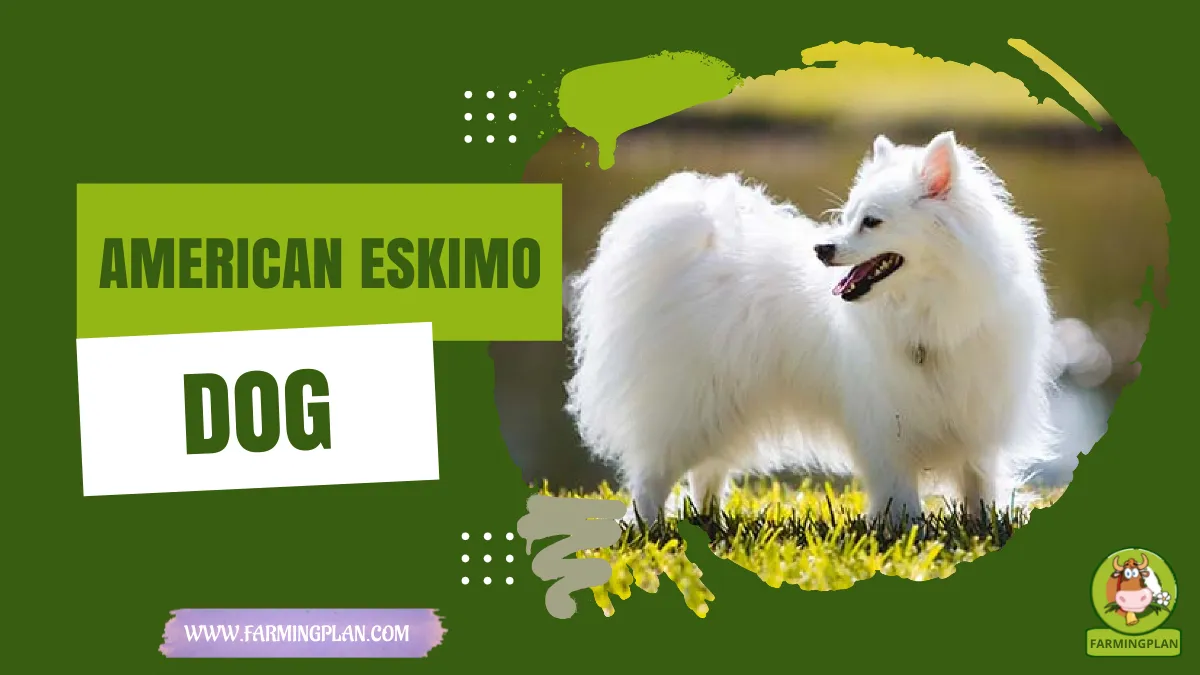
When you look at this breed, you immediately notice the striking, pure white double coat that shines like freshly fallen snow. The official AKC Breed Standards recognize three distinct size varieties, which includes the toy, miniature, and standard size. This variation means the American Eskimo Dog size can fit perfectly into a cozy apartment or a sprawling country farm. They usually display a solid white or white-and-biscuit color profile, though some historical lines carried different traits.
The Truth About the Iconic Fluffy White Double Coat
People often ask me about alternative colors, searching for an American Eskimo Dog black variety, but true breed standards only accept the white or biscuit shades. This dense coat features a soft undercoat and a longer, weather-resistant feathery topcoat that keeps them safe from harsh outdoor elements. You must prepare for regular shedding because this majestic coat of his drops old fur throughout the entire year. I always enjoy watching them run because their fluffy tails curl beautifully over their backs, creating a classic Nordic silhouette.
Nature/Temperament of American Eskimo Dog
The actual American Eskimo dog temperament balances intense loyalty with a highly playful sense of mischievousness. I love how these dogs interact with every single family member, showing immense affection and creating strong emotional bonds. They possess an innate desire to please their owners, which makes daily training a highly rewarding experience for both parties. However, their sharp intelligence means they can easily outsmart you if you do not stay consistent with your house rules.
Managing the Vocal Instincts and Social Interaction
These dogs take their jobs as watchdogs very seriously, so they will naturally bark whenever strangers approach your home territory. This territorial behavior requires early socialization so your puppy learns the difference between a real threat and a friendly visitor. I always tell new owners that proper mental stimulation prevents unwanted barking and keeps their minds perfectly sharp. They thrive on human companionship, so you should never leave them alone in a backyard for long periods.
Food & Diet of American Eskimo Dog
Proper nutrition forms the foundation of a healthy life, so I always recommend high-quality dry food formulated for active breeds. You must select a formula that matches your dog’s specific age, weight, and daily energy output to avoid unwanted weight gain. I feed my dogs measured meals twice a day rather than leaving food out all the time, which helps maintain their perfect body shape. Look for real meat sources as the primary ingredient to support their lean muscle mass and thick fur.
Essential Dietary Additions and Oral Health Support
A great diet does more than just fill their bellies; it keeps their glorious coats glowing and supports their overall vitality. I incorporate fresh water and specific omega fatty acid supplements to keep that double coat incredibly soft and shiny. You should also introduce crunchy kibble or safe dental chews as part of a comprehensive dental hygiene program. Combining a smart diet with routine teeth cleaning prevents dangerous plaque buildup and ensures fresh breath during your daily cuddle sessions.
Usage/Purpose of American Eskimo Dog
Historically, owners relied on these dogs for general-purpose farm work because they possessed the stamina to work long hours outdoors. Today, I see them excel magnificently in various modern dog sports, including agility, obedience, and complex tracking trials. Their rapid learning speed and nimble bodies allow them to navigate tough obstacle courses faster than many other popular breeds. They truly love having a specific job to perform, which keeps their active minds happy and content.
Engaging Your Pet in Fun and Rewarding Activities
If you do not live on a farm, you can easily enroll your dog in local agility training classes or exciting barn hunt events. These structured activities provide the perfect outlet for their natural hunting instincts and boundless physical energy. I notice that dogs who participate regularly in sports develop a much deeper bond with their human handlers. Keeping them busy prevents destructive behaviors around the house, turning your dog into a perfectly mannered household companion.
Special Features of American Eskimo Dog
When you compare the American Eskimo Dog vs Pomeranian, you immediately notice the larger bone structure and higher working endurance of the Eskie. While both belong to the proud lineage of Nordic dogs, our white companions retain a much stronger working drive and ranch utility. They belong to the elite category of snow dog breeds, meaning their bodies naturally resist freezing temperatures with absolute ease. Their unique black nose, lips, and eye rims create a gorgeous, stark contrast against their pure white fur.
The Incredible Smiling Expression and Watchdog Alertness
One of my favorite special features is the famous “Eskie smile” that warms your heart on even the coldest winter days. Their alert, dark eyes constantly scan the environment, picking up on minor changes that human eyes completely miss. They possess a remarkable ability to read human emotions, adapting their behavior to match your current mood perfectly. This rare combination of empathy, alertness, and physical beauty makes them stand out completely in the canine world.
Health Issues & Prevention of American Eskimo Dog
Like any purebred animal, these dogs carry certain genetic predispositions that every responsible owner must understand clearly. I frequently check my breeding lines for conditions like hip dysplasia and patellar luxation, which can severely impact their joint mobility. They can also face complex eye issues such as progressive Retinal Atrophy, alongside metabolic disorders like hypothyroidism or Addison’s Disease. Early screening through modern DNA testing allows veterinary practitioners to catch these genetic diseases before they cause severe pain.
Preventive Care and Protecting Against Routine Health Risks
To protect your beloved companion from harmful bacterial and viral infections, you must maintain a strict, up-to-date vaccination schedule. I highly recommend investing in comprehensive pet health insurance early in your dog’s life to cover unexpected medical emergencies easily. Regular checkups help monitor for rare issues like Pyruvate kinase deficiency, Legg-Calve-Perthes Disease, or sudden neurological seizures. Keeping your dog at a healthy weight relieves pressure on their joints and dramatically extends their overall lifespan.
Reads More: Estaires Duck Breeds Deliver Incredible Joy
Pet Owner Care Guide of American Eskimo Dog
Bringing a new puppy into your home requires careful planning, dedicated time, and a deep understanding of their unique breed requirements. As an experienced canine specialist, I developed this systematic approach to help you navigate the rewarding journey of raising a healthy, happy companion from day one. You must establish clear boundaries, purchase high-quality supplies, and create a predictable routine that helps your new animal feel completely safe and secure. This guide covers everything from preparing your secure physical property to mastering advanced behavioral training techniques out in public spaces.
Comprehensive Step-by-Step Guide for New Pet Owners
By following these practical steps, you will prevent common behavioral issues like excessive barking, separation anxiety, and destructive chewing around your house. Remember that consistency forms the ultimate key to success when handling an exceptionally intelligent breed like this one. Your efforts during the first year of your dog’s life will lay a strong foundation for over a decade of wonderful companionship. Let us begin with the essential physical preparations you need to complete before your new fluffy family member arrives at your front door.
Step 1: Securing Your Home Environment and Fencing Yard
Before you bring your American Eskimo puppy home, you must thoroughly secure your entire living space and outdoor property. I always inspect my perimeter fences carefully because these clever dogs possess an amazing talent for collar-slipping and finding tiny escape routes. You must invest in a high-quality, professional fencing yard setup that stands high enough to prevent any athletic jumping attempts.
Remove all toxic household plants, store dangerous cleaning chemicals in locked cabinets, and hide exposed electrical cords away from curious chewing teeth. Designate a specific, quiet corner of your house for their sleeping crate, filling it with soft, washable bedding and safe chew toys. This preparation ensures your puppy stays completely out of harm’s way during their first critical weeks in an unfamiliar environment.
Step 2: Mastering the Art of Grooming the Dense Double Coat
Grooming your dog requires a consistent, dedicated routine to keep that magnificent double-coated fur from matting or tangling. I brush my dogs at least three times a week using a high-quality slicker brush and a long-toothed metal undercoat rake. During the heavy spring and fall shedding seasons, you must increase this routine to a daily practice to manage the massive volume of loose hair.
Avoid shaving their coat completely because their fur protects them from both freezing winter cold and blazing summer heat waves. Give them a bath only when necessary using a mild, moisture-rich dog shampoo that preserves the natural oils in their skin. Regular brushing removes dirt automatically, distributes skin oils evenly, and keeps that stunning white coat looking completely pristine without constant bathing.
Step 3: Early Socialization and Effective Distraction Training
You must introduce your puppy to a wide variety of people, sights, sounds, and other animals during their early development phase. I start systematic distraction training in controlled environments to teach my dogs how to focus on me despite exciting outdoor activities around them. Take your puppy to busy parks, quiet neighborhood streets, and friendly local pet stores to build their confidence around strange environments.
This early exposure directly reduces their natural territorial instincts and stops unwanted defensive barking behaviors before they become deeply ingrained habits. Always use positive reinforcement techniques, offering tasty high-value treats and enthusiastic praise whenever your dog displays calm, relaxed behavior around new stimuli. Consistent training sessions build a reliable companion who behaves perfectly in any public or private setting.
Step 4: Structuring Daily Exercise Inside Safe Fenced Areas
These high-energy dogs require ample physical exercise and mental stimulation every single day to maintain their optimal health. I provide at least an hour of vigorous activity, combining brisk neighborhood walks with intense fetching games inside securely fenced areas. Never allow your dog to run off-leash in unsecured locations because their high prey drive might cause them to chase small local wildlife. Use a secure, properly fitted harness during walks to completely eliminate the risk of accidental collar-slipping during sudden movements. Interactive puzzle toys and hidden treat games inside the house provide excellent mental workouts that tire out their active brains beautifully. A tired dog always translates to a calm, well-behaved household companion who sleeps peacefully throughout the night.
Step 5: Establishing a Comprehensive Dental Hygiene Program and Health Routine
Maintaining your dog’s internal and oral health requires a proactive, daily commitment from the very beginning of your journey together. I introduce a strict dental hygiene program during puppyhood, brushing their teeth multiple times each week with dog-safe enzymatic toothpaste. Schedule regular teeth cleaning appointments with your trusted veterinary practitioners to remove stubborn tartar buildup that home brushing misses.
Stay completely on top of their routine health exams, parasite preventions, and annual booster vaccinations to guard against common infectious diseases. Track their growth milestones carefully and adjust their daily food portions to keep them in peak physical condition. This comprehensive wellness routine protects your financial investment and ensures your beautiful companion enjoys a long, vibrant life by your side.
A Clean Fluffy Dog Brings Endless Happiness And Absolute Warmth To Every Loving Family Home.
Expert Tips & Best Practices of American Eskimo Dog
When you look for an American Eskimo dog for sale, always research the breeder thoroughly to ensure they perform comprehensive genetic health clearances. The average American Eskimo dog price reflects the deep care, DNA testing, and veterinary attention that responsible breeders invest in their litters. If you prefer adoption, I highly recommend checking dedicated rescue organizations like eskierescuers.org or heartbandits.com for wonderful dogs needing loving homes.
Pro Secrets for Finding and Raising a Healthy Dog
A healthy dog enjoys an impressive American Eskimo dog lifespan of twelve to fifteen years when you provide excellent care and nutrition.
- Always use a high-quality harness instead of a standard collar to prevent tracheal injuries during leash training.
- Keep a consistent training schedule consisting of short, five-minute sessions throughout the day to match their attention span.
- Avoid feeding your dog table scraps to prevent dangerous pancreatitis and unwanted begging behaviors at mealtime.
- Provide plenty of durable chew toys to keep their active jaws busy and protect your household furniture.
- Establish yourself as a calm, consistent leader early on to guide their intelligent and sometimes stubborn nature.
FAQs
How much does an American Eskimo Dog shed throughout the year?
This breed sheds continuously throughout the entire year due to their dense, protective double coat. They experience major coat blows twice a year during seasonal changes, requiring daily brushing to manage the loose fur.
Are American Eskimo Dogs good with young children and families?
Yes, these affectionate dogs make outstanding family companions and get along wonderfully with well-behaved children. Proper socialization ensures they remain gentle, playful, and patient during family activities.
How long do American Eskimo Dogs typically live?
A healthy individual enjoys a long lifespan ranging between twelve and fifteen years. Providing excellent nutrition, routine veterinary care, and regular exercise helps them reach their maximum life expectancy.
Do American Eskimo Dogs bark excessively in the home?
These dogs possess a strong watchdog instinct and will naturally bark to alert you of approaching visitors. Consistent training and early socialization help manage this vocal trait, preventing it from becoming a nuisance.
Can American Eskimo Dogs live comfortably in small apartments?
Yes, the smaller toy and miniature size varieties adapt beautifully to apartment living if you fulfill their daily exercise needs. Regular outdoor walks and mental stimulation keep them calm and content indoors.
Conclusion
Raising an American Eskimo Dog brings boundless energy, deep loyalty, and brilliant intelligence into your daily life. From their historic roots as European farm helpers and circus performers to their modern role as loving family pets, these beautiful spitz-type dogs never fail to amaze their owners. By providing high-quality nutrition, consistent positive training, regular grooming, and proactive veterinary care, you ensure your fluffy companion stays healthy and vibrant for many years. Do you have experience with these incredible white beauties, or are you looking to welcome one into your home soon? Please leave a comment below to share your stories, ask your questions, or connect with our wonderful community of passionate dog lovers today!