Artificial Insemination has completely changed the way I manage breeding on farms. Over the years, I have watched this reproductive technique improve livestock genetics, increase fertility, reduce disease transmission, and help farmers produce healthier animals without relying solely on natural mating. Whether someone raises dairy cattle, beef cattle, horses, sheep, goats, pigs, poultry, or even works with birds, reptiles, amphibians, fish, or valuable breeding programs, artificial insemination offers practical solutions that save both time and money.
Artificial insemination simply means placing collected semen into the female reproductive tract without natural mating. Depending on the species, I may use Intrauterine Insemination (IUI), Intracervical Insemination (ICI), or other specialized reproductive techniques. The goal always stays the same—allow healthy spermatozoa to reach the egg so fertilization can occur naturally inside the body, also known as in vivo fertilization. Success depends on proper ovulation, accurate timing, healthy sperm motility, excellent semen preparation, and careful handling throughout the insemination process.
Artificial insemination is equally important in human fertility care. Fertility specialists use procedures such as Intrauterine Insemination, donor insemination, ovarian stimulation, fertility medications like Clomid, sperm washing procedures, semen analysis, ultrasound monitoring, blood testing, ovulation induction, and ovulation predictor kits to help couples facing fertility challenges.
While in vitro fertilization (IVF) and ICSI serve more complex situations, artificial insemination often becomes the first assisted reproductive technology many fertility clinics recommend. Throughout this guide, I’ll explain the fascinating history, different techniques, artificial insemination in cattle and other animals, benefits, risks, costs, farming practices, health considerations, expert tips, and frequently asked questions using simple language based on my own practical experience.
History & Origin
Artificial insemination may sound like modern science, but its history reaches back hundreds of years. As someone who has worked with breeding animals for many years, I always enjoy explaining how today’s technology developed through generations of experimentation and scientific discovery. If you found this guide helpful, please share it with others, leave a comment with your questions or experiences, and help more people learn about the benefits of Artificial Insemination.
The first major breakthrough came during the late 1700s when the Italian scientist Lazzaro Spallanzani successfully performed artificial insemination in dogs. His work proved that pregnancy could occur without natural mating. This remarkable experiment changed the scientific understanding of reproduction forever and laid the foundation for modern assisted reproduction.
Early Discoveries That Changed Animal Breeding Forever
Only a few years later, Scottish surgeon John Hunter successfully carried out one of the earliest documented artificial insemination procedures in humans. His work showed that carefully collected semen could produce pregnancy when placed correctly inside the female reproductive system. Although medical knowledge remained limited at the time, his success inspired future reproductive researchers.
During the nineteenth century, American physician William H. Pancoast expanded human fertility treatments by using donor sperm in selected infertility cases. While his methods sparked ethical debates, they also encouraged scientists to study fertility treatments more seriously. These early discoveries eventually contributed to today’s sophisticated reproductive endocrinology and fertility medicine.
Scientific Progress During the Twentieth Century
The twentieth century transformed artificial insemination from an experimental procedure into a worldwide agricultural practice. Researchers discovered methods for proper semen collection, semen analysis, density gradient centrifugation, flow cytometry, sperm washing procedures, and cryopreservation using liquid nitrogen. These improvements allowed breeding centers to preserve frozen semen for months or even years while maintaining excellent fertility.
As dairy farming expanded, artificial insemination quickly became the preferred breeding method for cattle. Farmers realized they could use semen from genetically superior bulls across thousands of farms instead of transporting expensive breeding animals. Organizations developed national breeding programs, improving milk production, meat quality, disease resistance, and overall herd performance.
The horse industry soon followed. Many AQHA warmblood registries accepted artificial insemination, allowing breeders to improve bloodlines while protecting valuable stallions from injuries during natural breeding. Breeders also began using frozen semen internationally, making elite genetics available across continents.
Modern veterinary medicine now applies artificial insemination to goats, sheep, pigs, rabbits, poultry, exotic birds, endangered wildlife, zoo animals, and marine mammals. Researchers have even developed specialized reproductive techniques for macaws, reptiles, amphibians, fish, and conservation breeding programs that help preserve rare species.
Modern Artificial Insemination Around the World
Today, artificial insemination supports both agriculture and healthcare worldwide. Modern fertility clinics, Center for Reproductive Medicine Andrology Laboratories, sperm banks, cryobanks, and veterinary reproductive centers use highly advanced equipment to maximize pregnancy success.
Every semen sample undergoes strict laboratory testing. Specialists evaluate sperm concentration, morphology, motility, contamination, and viability before approving samples for insemination. In humans, laboratories carefully perform sperm washing to remove unwanted materials, improve sperm quality, and prepare healthy sperm for placement inside the uterine cavity.
Governments and organizations also regulate donor semen, sperm banks, and fertility clinics. In many countries, FDA-approved facilities follow strict quality standards for semen storage, donor screening, infectious disease testing, genetic disorder screening, and traceability. These regulations protect both patients and future offspring while improving confidence in assisted reproductive technology.
Read More: Saltwater Fish: Amazing Guide for Healthy Marine Aquariums
Characteristics of Artificial Insemination
From my experience, successful artificial insemination depends on much more than simply placing semen inside the female reproductive tract. Every stage requires careful planning, healthy breeding animals, proper equipment, and precise timing. The process begins with semen collection from a healthy male.
Veterinarians evaluate the semen through semen analysis, measuring sperm concentration, sperm motility, morphology, viability, and overall fertility potential. High-quality semen then undergoes semen preparation using specialized laboratory methods such as density gradient centrifugation or sperm wash medium to separate the healthiest sperm cells.
The Basic Principles Behind Successful Insemination
After preparation, technicians package semen into sterile straws for immediate use or long-term cryopreservation in liquid nitrogen. Frozen semen can remain viable for many years when stored correctly inside professional cryobanks or sperm banks. Timing plays an equally important role.
I always monitor the female’s reproductive cycle carefully because insemination must occur close to ovulation. Some breeding programs rely on natural heat detection, while others use ovulation induction, hormone treatments such as hCG hormone, follicle stimulation, ovarian stimulation, ultrasound examinations, blood testing, or ovulation predictor kits to identify the perfect breeding window.
Different Types of Artificial Insemination
Artificial insemination includes several different techniques depending on the species and reproductive goals. The most common human procedure is Intrauterine Insemination (IUI). During IUI, washed sperm enters the uterine cavity through a thin catheter that passes gently through the cervix. This technique bypasses cervical mucus and places sperm closer to the fallopian tubes, where fertilization normally occurs.
Another technique, Intracervical Insemination (ICI), deposits semen near the cervix. While simpler and less expensive, ICI generally produces slightly lower pregnancy rates than IUI. Veterinary medicine includes additional techniques designed specifically for cattle, horses, sheep, pigs, goats, rabbits, poultry, and wildlife.
Each species requires different catheter sizes, semen volumes, insemination depths, and breeding protocols because reproductive anatomy varies considerably. Some advanced reproductive programs use Fallopian Tube Sperm Perfusion (FSP), placing larger volumes of prepared sperm closer to the fallopian tubes. Although less common, this approach may improve success in selected fertility cases.
Key Components That Influence Success Rates
Artificial insemination succeeds only when every factor works together. Healthy females need normal ovaries, functioning fallopian tubes, healthy uterine tissue, balanced hormones, and regular ovulation. Problems such as endometriosis, severe uterine disease, menopause, significant vaginal atrophy, previous hysterectomy, or damaged fallopian tubes often reduce pregnancy chances and may require IVF instead.
Male fertility also matters greatly. Good sperm concentration, strong sperm motility, normal morphology, healthy DNA, and proper semen preparation significantly improve conception rates. Men with retrograde ejaculation or low sperm counts sometimes benefit from specialized sperm retrieval and laboratory preparation before insemination.
Experienced fertility specialists also evaluate reproductive history, genetic disorders, ovarian follicle development, cervical mucus quality, hormone levels, uterine health, and overall reproductive function before recommending artificial insemination. Careful planning consistently produces higher pregnancy rates than rushing the process. By understanding these core characteristics, I have consistently achieved better breeding outcomes in livestock while also appreciating how similar biological principles guide successful human fertility treatments.
Nature & Temperament of Artificial Insemination
One lesson I have learned over the years is that successful Artificial Insemination starts long before I pick up an insemination catheter. It begins with understanding the natural behavior and temperament of every animal in the breeding program. Calm, healthy, and well-managed animals almost always respond better during handling, heat detection, and the insemination process than stressed or aggressive ones.
Every species behaves differently during its reproductive cycle. Dairy cows often become restless, mount other cows, stand to be mounted, bellow more frequently, and show clear signs of ovulation. Beef cattle may display subtler heat signs, so I pay close attention to changes in appetite, movement, and social behavior. Horses often become more receptive to stallions, while sheep, goats, and pigs each have their own unique breeding signals. Learning these behaviors has helped me improve conception rates because I can schedule insemination closer to the ideal breeding window.
Understanding Animal Behavior Before Breeding
Stress remains one of the biggest enemies of fertility. Loud noises, overcrowding, rough handling, transportation, poor housing, or sudden changes in routine can interfere with hormone production and reproductive performance. Elevated stress hormones may delay ovulation, reduce the quality of cervical mucus, and decrease the chances of fertilization. I always keep animals in a quiet, familiar environment before and after insemination to encourage normal reproductive function.
Good temperament also makes the insemination appointment safer for both the animal and the technician. Calm animals allow accurate placement of semen into the reproductive tract, reducing the risk of injury or contamination. This careful handling supports higher pregnancy rates and better animal welfare.
Behavior During the Estrus Cycle
Heat detection forms the foundation of every successful breeding program. I spend time observing animals at least two or three times each day because missing the correct breeding window often means waiting for another cycle. Modern farms also use activity monitors, pedometers, and heat detection collars, but I still trust careful observation combined with technology.
During estrus, females often display physical and behavioral changes. They may become more active, seek contact with other animals, show mounting behavior, or produce clear mucus around the vulva. These signs help me determine the best time for insemination. Proper timing allows healthy spermatozoa to reach the egg shortly after ovulation, increasing the likelihood of successful conception.
Nutrition, age, previous reproductive history, and overall health also influence behavior. Animals suffering from illness, mineral deficiencies, or reproductive disorders may show weak or silent heat, making accurate breeding more difficult. In those cases, I work closely with a veterinarian to evaluate hormone levels, perform reproductive examinations, and develop a breeding plan.
In human fertility care, behavior plays a different but equally important role. Patients undergoing assisted reproduction often experience emotional stress, anxiety, or frustration due to fertility challenges. Fertility specialists and support teams encourage open communication, counseling, and realistic expectations throughout treatment.
A calm and informed patient usually feels more confident during procedures such as Intrauterine Insemination (IUI) or Intracervical Insemination (ICI). By respecting natural behavior and reducing stress, I consistently create better breeding conditions. Whether I work with livestock or study human reproductive medicine, I see the same principle repeated time after time—healthy minds and healthy bodies support healthy reproduction.
Food & Diet of Artificial Insemination
Nutrition has a direct impact on fertility, and I never overlook its importance when preparing animals for Artificial Insemination. Even the best-quality semen and the most skilled insemination technique cannot overcome poor nutrition. Healthy reproductive organs, balanced hormones, and strong embryos all depend on a well-managed feeding program.
For breeding cattle, I provide a balanced diet containing high-quality forage, clean water, energy-rich grains when needed, and adequate protein. I also make sure animals receive essential vitamins and minerals, including vitamins A, D, and E, along with calcium, phosphorus, selenium, zinc, copper, and magnesium. These nutrients support ovarian function, sperm production, embryo development, and immune health.
Building Strong Reproductive Health Through Proper Feeding
Body condition scoring helps me monitor nutritional status before breeding. Animals that are too thin often experience delayed ovulation or poor conception, while overweight animals may develop metabolic disorders that reduce fertility. I aim for a moderate body condition because it provides the best reproductive performance. Bulls, rams, boars, and breeding males also require excellent nutrition. Healthy semen production depends on balanced protein, antioxidants, essential fatty acids, and trace minerals. Poor diets may reduce sperm motility, sperm concentration, and overall semen quality, leading to lower pregnancy rates.
Nutrition During Human Fertility Treatments
Although my primary experience comes from livestock production, the same nutritional principles appear in human fertility medicine. Fertility specialists often recommend balanced diets rich in fruits, vegetables, lean protein, healthy fats, whole grains, and adequate hydration before procedures like Intrauterine Insemination. Good nutrition supports hormone balance, ovarian follicle development, and overall reproductive health.
Some patients undergoing ovarian stimulation, ovulation induction, or fertility medications such as Clomid also receive individualized dietary advice. Maintaining a healthy body weight improves treatment outcomes while reducing pregnancy complications. Smoking, excessive alcohol consumption, poor sleep, and chronic stress can negatively affect both male and female fertility. Healthy lifestyle choices improve reproductive health and complement medical treatments.
Foods and Management Practices I Recommend
When preparing animals for breeding, I focus on consistency rather than sudden dietary changes. Abrupt feed changes can upset digestion and interfere with hormone balance. Fresh, clean water remains available at all times because dehydration can affect overall health and reproductive performance. I also avoid moldy feed, spoiled silage, toxic plants, and contaminated water sources. Mycotoxins and certain plant toxins may reduce fertility, increase early embryo loss, or cause reproductive disorders. Routine feed testing helps identify nutritional deficiencies before they become serious problems.
Regular mineral supplementation supports breeding success in regions where soils lack essential nutrients. I also schedule parasite control and vaccination programs before breeding season because healthy animals utilize nutrients more efficiently than animals fighting disease. By combining excellent nutrition with careful reproductive management, I create the strongest possible foundation for successful artificial insemination and long-term herd improvement.
Usage & Purpose
I have seen Artificial Insemination transform livestock farming in ways that traditional breeding alone could never achieve. Farmers around the world rely on this reproductive technique to improve genetics, increase productivity, reduce disease transmission, and build healthier herds without transporting breeding males from farm to farm.
In dairy cattle, artificial insemination allows farmers to use semen from genetically superior bulls that produce daughters with higher milk yields, better udder structure, stronger feet and legs, and improved longevity. Beef producers select sires known for rapid growth, excellent feed efficiency, superior carcass quality, and easier calving.
Improving Agriculture Through Modern Breeding
Horse breeders use frozen semen to preserve valuable bloodlines while reducing the risk of injury during natural mating. Sheep, goats, pigs, rabbits, poultry, and many other domestic species also benefit from planned breeding programs using carefully selected sires.
Artificial insemination also supports conservation efforts. Wildlife specialists use assisted reproduction to protect endangered species, increase genetic diversity, and manage captive breeding populations. Researchers have successfully applied reproductive technologies to birds, reptiles, amphibians, fish, marine mammals, and rare zoo animals.
Human Fertility Treatments and Assisted Reproduction
Artificial insemination also plays an important role in human medicine. Fertility clinics recommend Intrauterine Insemination for couples experiencing unexplained infertility, mild male-factor infertility, cervical mucus problems, ovulation disorders, or the need for donor sperm. During treatment, specialists perform semen analysis, sperm washing, semen preparation, ultrasound monitoring, hormone testing, and careful timing of ovulation.
A thin catheter places prepared sperm into the uterine cavity, giving sperm a shorter distance to travel toward the fallopian tubes. When artificial insemination does not achieve pregnancy, doctors may recommend more advanced assisted reproductive technologies such as in vitro fertilization (IVF) or ICSI, especially when severe male infertility, blocked fallopian tubes, or advanced reproductive disorders are present.
Economic and Practical Advantages
Artificial insemination reduces many of the costs associated with maintaining breeding males. Farmers spend less on housing, feeding, transportation, and injury prevention while still accessing elite genetics from around the world. Frozen semen stored through cryopreservation and liquid nitrogen makes international breeding possible without moving live animals across borders.
This approach lowers disease risks and improves biosecurity on commercial farms. The technology also supports selective breeding programs that strengthen disease resistance, productivity, fertility, temperament, and overall herd quality. Over time, these improvements increase profitability while promoting responsible animal breeding practices.
Special Features
One reason I continue recommending Artificial Insemination is its remarkable flexibility. Unlike natural mating, artificial insemination gives breeders complete control over sire selection, breeding schedules, health screening, and long-term genetic improvement. One of its greatest strengths is cryopreservation. By freezing semen in liquid nitrogen, breeding centers preserve valuable genetics for many years. Farmers can use semen collected decades earlier if it remains properly stored, allowing exceptional bloodlines to continue improving future generations.
Powerful Advantages Beyond Natural Breeding
Modern laboratories also use advanced semen preparation techniques, including density gradient centrifugation, flow cytometry, sperm wash medium, and strict quality control. These procedures improve semen quality before insemination while removing unwanted cells and contaminants. Another unique feature is the availability of donor semen from professionally screened sperm donors. Human sperm banks and animal breeding centers carefully evaluate donors for health, fertility, infectious diseases, inherited conditions, and genetic disorders before approving samples.
Technology That Continues to Improve
Today’s reproductive medicine combines laboratory science with advanced diagnostic equipment. Ultrasound examinations monitor ovarian follicles, while blood testing tracks hormone levels throughout the reproductive cycle. Ovulation predictor kits, fertility drugs, and hormone therapies help synchronize breeding for better success rates. Artificial insemination also integrates with other reproductive technologies such as embryo transfer, embryo freezing, genetic testing, and IVF. Together, these tools give breeders and fertility specialists more options than ever before.
Regulatory oversight continues to strengthen quality and safety. Professional sperm banks, cryobanks, fertility clinics, and veterinary laboratories follow strict standards for semen storage, infectious disease screening, record keeping, and traceability. Many facilities operate under government regulations and quality assurance programs to protect patients, breeders, and future offspring. These special features explain why artificial insemination remains one of the most valuable advances in both modern agriculture and assisted reproductive medicine.
Health Issues & Prevention
Over the years, I have learned that successful Artificial Insemination depends heavily on the health of both the male and the female. Even when I use high-quality semen, perfect timing, and proper insemination techniques, hidden health problems can still reduce conception rates. That is why I always treat reproductive health as a top priority before starting any breeding program.
In cattle and other livestock, I watch for common reproductive diseases such as uterine infections, metritis, retained placenta, brucellosis, leptospirosis, and sexually transmitted infections that can affect fertility. Symptoms may include abnormal discharge, fever, poor appetite, irregular heat cycles, repeat breeding, or failure to conceive after multiple inseminations. I also pay close attention to body condition because animals that are too thin or too overweight often show poor reproductive performance.
Male fertility matters just as much. Bulls with low sperm motility, poor semen quality, infections, injuries, or nutritional deficiencies may produce semen with reduced fertility. That is why professional breeding centers perform semen analysis, evaluate sperm concentration and morphology, and screen for infectious diseases before distributing semen.
In human fertility care, doctors investigate conditions such as endometriosis, blocked fallopian tubes, ovulation disorders, hormonal imbalances, retrograde ejaculation, and other fertility challenges. Specialists may recommend ultrasound exams, blood testing, hysterosalpingography, or semen analysis before proceeding with Intrauterine Insemination (IUI).
I prevent many problems by following a simple routine: vaccinate animals on schedule, provide balanced nutrition, control parasites, maintain clean housing, quarantine new animals, and work closely with a veterinarian. Good hygiene during semen handling and insemination also reduces the risk of introducing infections into the reproductive tract. Healthy animals and careful management consistently produce better pregnancy rates than any shortcut ever will.
Step-by-Step Artificial Insemination Guide
When I train new farmers or breeding technicians, I always explain that Artificial Insemination is both a science and a skill. The science helps us understand ovulation, sperm survival, fertilization, and reproductive anatomy. The skill comes from handling animals calmly, preparing equipment correctly, and placing the semen in the right location at the right time.
For livestock, I focus on three major goals: improve genetics, increase conception rates, and protect animal health. I start by selecting healthy females with regular heat cycles and healthy males with proven fertility. Then I use proper semen preparation, careful heat detection, and hygienic insemination techniques. Small mistakes—such as thawing frozen semen incorrectly or breeding at the wrong time—can significantly reduce pregnancy rates.
My Practical Approach to Artificial Insemination
In human fertility clinics, the same principles apply. Specialists monitor ovulation, prepare the sperm sample, and place washed sperm into the uterine cavity using a thin catheter. Whether I work with cattle or study human assisted reproduction, I see the same pattern: preparation and timing determine success. Below is the step-by-step method I use and teach most often for livestock breeding programs.
Step 1: Select Healthy Breeding Animals
Choosing the Right Female
I begin by selecting females that are healthy, active, and free from obvious reproductive problems. I look for normal appetite, good body condition, clean eyes and nose, healthy hooves, and regular heat cycles. Animals with chronic illness, severe weight loss, or repeated reproductive problems usually produce lower conception rates. For cattle, I prefer females that have recovered fully from calving and show clear signs of estrus. I also review their reproductive history because cows that conceive easily often continue to perform well in future breeding seasons.
Choosing the Right Male or Semen Source
Next, I evaluate the semen source. If I use fresh semen, I make sure the bull or breeding male has passed a fertility examination. If I use frozen semen from a breeding center, I choose semen from genetically superior sires with strong fertility records. Professional semen suppliers usually provide information about milk production, growth traits, calving ease, disease resistance, and fertility performance. I use these records to match the sire to the goals of the farm.
My Checklist Before Breeding
- Healthy female with normal heat cycles
- Good body condition
- Vaccinations up to date
- No active infections
- High-quality semen with proven fertility
Step 2: Detect Heat and Time Ovulation Correctly
Recognizing Estrus
Heat detection is the most important skill in artificial insemination. I spend time observing animals early in the morning and late in the evening because many females show stronger heat signs during cooler hours. In cattle, I watch for standing to be mounted, mounting other cows, increased activity, restlessness, bellowing, reduced feed intake, and clear mucus discharge. These signs tell me that ovulation is approaching.
The Best Time to Inseminate
I generally follow the “AM-PM rule” for cattle. If I detect standing heat in the morning, I inseminate in the evening. If I detect heat in the evening, I inseminate the next morning. This timing allows healthy spermatozoa to be present in the reproductive tract before the egg is released. For other species, the timing may differ, so I always adjust the schedule based on veterinary recommendations and species-specific breeding knowledge.
Using Modern Tools
Many farms now use activity monitors, heat detection collars, hormone programs, and ovulation induction protocols. These tools help identify females that show weak or silent heat, improving breeding accuracy.
Step 3: Prepare the Semen and Equipment Carefully
From my experience, I can confidently say that even the best genetics become useless if I handle the semen incorrectly. Every semen sample contains delicate spermatozoa that react quickly to temperature changes, contamination, sunlight, and rough handling. I always treat every semen straw as a valuable investment because one mistake can lower fertility before the insemination even begins.
When I use frozen semen, I remove only the straw I need from the liquid nitrogen storage tank. I never leave the tank open longer than necessary because warm air can damage the remaining semen. Following the breeding center’s instructions, I thaw the semen at the recommended temperature and for the recommended amount of time. Proper thawing protects sperm motility and keeps as many healthy sperm cells alive as possible.
Handle Every Semen Sample with Precision
In commercial breeding centers and fertility laboratories, professionals perform semen preparation before insemination. They may use density gradient centrifugation, sperm wash medium, or other sperm washing procedures to separate healthy sperm from debris, damaged cells, and unwanted materials. Human fertility clinics also complete a semen analysis before preparing the sample for Intrauterine Insemination (IUI). This process helps improve the quality of the final sperm sample that enters the reproductive tract.
Prepare Clean Equipment Before Every Procedure
I never begin an insemination until every tool is clean and ready. My insemination kit usually includes:
- AI gun or insemination catheter
- Sterile sheath
- Disposable gloves
- Lubricant
- Clean paper towels
- Thermometer for thawing water
- Straw cutter
- Protective clothing
- Record book or digital breeding software
Clean equipment reduces the risk of introducing bacteria into the reproductive tract. I avoid touching the exposed end of the semen straw, and I keep the insemination gun clean throughout the procedure. Good hygiene protects both fertility and animal health. Before inserting the catheter, I double-check that the semen straw sits correctly inside the insemination gun and that the plunger moves smoothly.
A quick inspection prevents accidental semen loss during the procedure. Over the years, I have found that careful preparation creates confidence. Instead of rushing, I slow down, organize my equipment, and focus on accuracy. Those extra few minutes often make the difference between a successful pregnancy and an unsuccessful breeding attempt.
Step 4: Perform Artificial Insemination Correctly
Once everything is prepared, I move the animal into a secure and comfortable handling area. Calm handling remains extremely important because excessive stress can interfere with normal reproductive function. I avoid shouting, rough movements, or unnecessary delays that could make the animal nervous.
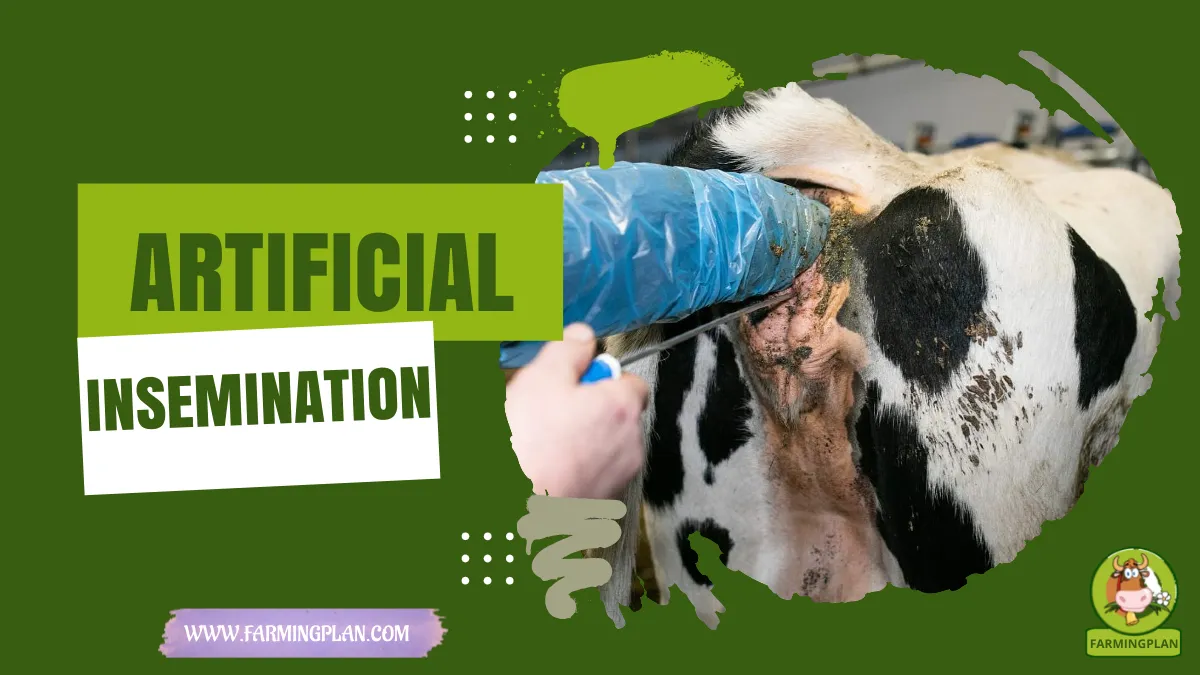
For cattle, I gently clean the vulva using a clean disposable towel before beginning the procedure. Wearing a long veterinary glove, I carefully insert one hand into the rectum to guide the reproductive tract while introducing the insemination gun through the vagina. This technique allows me to locate the cervix accurately without causing unnecessary discomfort.
Follow Proper Technique for Maximum Success
I slowly guide the insemination catheter through the folds of the cervix until the tip reaches the entrance of the uterine body. Once I confirm the correct position, I slowly deposit the semen into the uterine cavity. Depositing semen too quickly may reduce distribution, so I always apply steady, gentle pressure to the plunger.
Avoid Common Mistakes During Insemination
Experience has taught me that patience matters far more than speed. Common mistakes include:
- Depositing semen inside the cervix instead of the uterus.
- Allowing the semen straw to become too warm.
- Contaminating the insemination gun.
- Using excessive force while passing through the cervix.
- Waiting too long after thawing frozen semen.
- Breeding outside the ideal ovulation period.
Human fertility specialists follow similar principles during Intrauterine Insemination. After completing sperm washing, they insert a thin catheter through the cervix and gently place the prepared sperm inside the uterine cavity. The procedure usually takes only a few minutes and does not require surgery. Careful placement shortens the distance that sperm must travel toward the fallopian tubes, where fertilization naturally occurs. Regardless of the species, proper technique protects reproductive tissues while giving healthy sperm the best opportunity to reach the egg.
Step 5: Monitor Pregnancy and Provide Aftercare
My work does not end when the insemination is complete. Good aftercare plays an important role in achieving a healthy pregnancy. Immediately after the procedure, I allow the animal to return calmly to its normal environment. I avoid unnecessary stress, rough transportation, or major management changes during the following days. I continue providing balanced nutrition, unlimited clean water, mineral supplementation, and comfortable housing. Healthy animals recover quickly from the insemination procedure and maintain normal hormone production during the early stages of pregnancy.
Support the Female After Insemination
I also keep detailed breeding records. I record:
- Date and time of insemination
- Animal identification
- Semen batch number
- Bull or donor information
- Technician performing the insemination
- Heat observations
- Expected pregnancy diagnosis date
These records help me evaluate breeding performance over time and identify areas that need improvement.
Read More: Beveren Rabbit: Amazing Heritage Breed Guide
Confirm Pregnancy and Plan Future Management
About one month after insemination, I arrange pregnancy diagnosis through ultrasound or veterinary examination. Early pregnancy confirmation allows me to separate pregnant females from open females and adjust feeding programs accordingly. If pregnancy does not occur, I review every part of the breeding process. I ask myself several important questions:
- Was heat detected correctly?
- Did I inseminate at the proper time?
- Was the semen stored and thawed correctly?
- Was the female healthy?
- Could there be a reproductive disorder requiring veterinary attention?
In human fertility care, patients usually undergo pregnancy testing about two weeks after Intrauterine Insemination. Doctors may recommend luteal phase support, additional hormone monitoring, or repeat treatment if pregnancy does not occur. If several insemination cycles fail, fertility specialists may discuss in vitro fertilization (IVF), ICSI, or other assisted reproductive technology options.
One of the biggest lessons I have learned throughout my career is that breeding success comes from continuous improvement. Every breeding season teaches me something new. By keeping accurate records, learning from each outcome, and working closely with veterinarians or fertility specialists, I steadily improve conception rates and build healthier, more productive breeding programs.
Artificial Insemination rewards careful preparation, accurate timing, and consistent management. When I focus on those three principles, successful pregnancies become much more predictable and repeatable.
Expert Tips & Best Practices
After many years of working with livestock breeding programs and studying assisted reproduction, I have found that successful Artificial Insemination depends on preparation, patience, and continuous learning. Technology continues to improve, but the basic principles remain the same. Every breeding season teaches me something new, and I use those lessons to improve future conception rates.
My Proven Tips for Consistent Success
Here are the best practices I follow and recommend:
- Choose healthy breeding animals. Only breed females and males that have passed health and fertility examinations.
- Use high-quality semen. Purchase frozen semen or donor semen from reputable breeding centers, cryobanks, or sperm banks that maintain strict quality standards.
- Store semen properly. Keep frozen semen in liquid nitrogen tanks and avoid unnecessary exposure to warm temperatures.
- Practice excellent hygiene. Clean equipment, sterile gloves, and proper sanitation reduce infection risks during insemination.
- Master heat detection. Accurate observation of estrus and ovulation greatly improves conception rates.
- Keep detailed breeding records. Track insemination dates, semen batches, pregnancy results, and reproductive history to improve future breeding decisions.
- Provide balanced nutrition. Healthy animals with proper body condition usually conceive more easily than animals with nutritional deficiencies.
- Work with experienced professionals. Veterinarians, reproductive specialists, and trained AI technicians can help solve fertility challenges before they become costly problems.
- Avoid unnecessary stress. Calm handling before and after insemination supports normal hormone function and embryo development.
- Use modern reproductive tools wisely. Ultrasound, ovulation induction, hormone synchronization, semen analysis, and fertility monitoring help increase breeding efficiency.
Common Mistakes I Always Avoid
Even experienced breeders can make mistakes. I constantly remind myself to avoid these common problems:
- Inseminating too early or too late.
- Poor thawing of frozen semen.
- Using contaminated equipment.
- Ignoring reproductive diseases.
- Breeding animals in poor body condition.
- Failing to confirm pregnancy.
- Keeping incomplete breeding records.
- Choosing genetics based only on appearance instead of performance.
My Final Professional Advice
Artificial insemination is much more than placing semen inside the reproductive tract. It combines genetics, nutrition, reproductive physiology, animal welfare, disease prevention, and good management. Every successful pregnancy starts with careful planning long before the insemination appointment.
I also encourage breeders to continue learning. New reproductive technologies such as embryo transfer, embryo freezing, ICSI, advanced assisted reproductive technology, genomic testing, and improved sperm preparation techniques continue to make breeding programs even more successful. Staying informed allows me to make better decisions for both my animals and my farm.
FAQs
What is Artificial Insemination?
Artificial Insemination is a reproductive technique in which semen is collected and placed into the female reproductive tract without natural mating. It is widely used in livestock breeding and human fertility treatments to improve conception and genetic quality.
What is the difference between Artificial Insemination and IVF?
Artificial Insemination allows fertilization to occur naturally inside the body after sperm is placed in the uterus or cervix. In vitro fertilization (IVF) removes eggs from the ovaries, fertilizes them in a laboratory, and then transfers the embryo back into the uterus.
How successful is Artificial Insemination in cattle?
Success depends on proper heat detection, semen quality, animal health, technician skill, and nutrition. Under good management, many cattle breeding programs achieve conception rates between 50% and 70% per insemination, although results vary by herd and management practices.
Is Artificial Insemination painful?
For livestock, artificial insemination causes minimal discomfort when performed correctly by trained professionals. In humans, Intrauterine Insemination (IUI) is generally a quick procedure that may cause mild cramping but usually does not require anesthesia.
Why do farmers prefer Artificial Insemination instead of natural breeding?
Farmers use Artificial Insemination because it improves genetics, reduces disease transmission, lowers the cost of maintaining breeding males, increases safety, and gives access to elite sires from around the world through frozen semen and cryopreservation.
Conclusion
Artificial Insemination has become one of the most valuable advances in modern agriculture and assisted reproduction. From improving livestock genetics and increasing farm productivity to helping individuals overcome fertility challenges, this technique offers reliable, safe, and scientifically proven benefits when performed correctly. Throughout my experience, I have found that healthy breeding animals, quality semen, accurate timing, proper nutrition, excellent hygiene, and careful record-keeping consistently produce the best results. Whether you are a farmer, breeder, veterinarian, or someone interested in reproductive technology, understanding the principles behind artificial insemination can help you make informed decisions and achieve greater success.