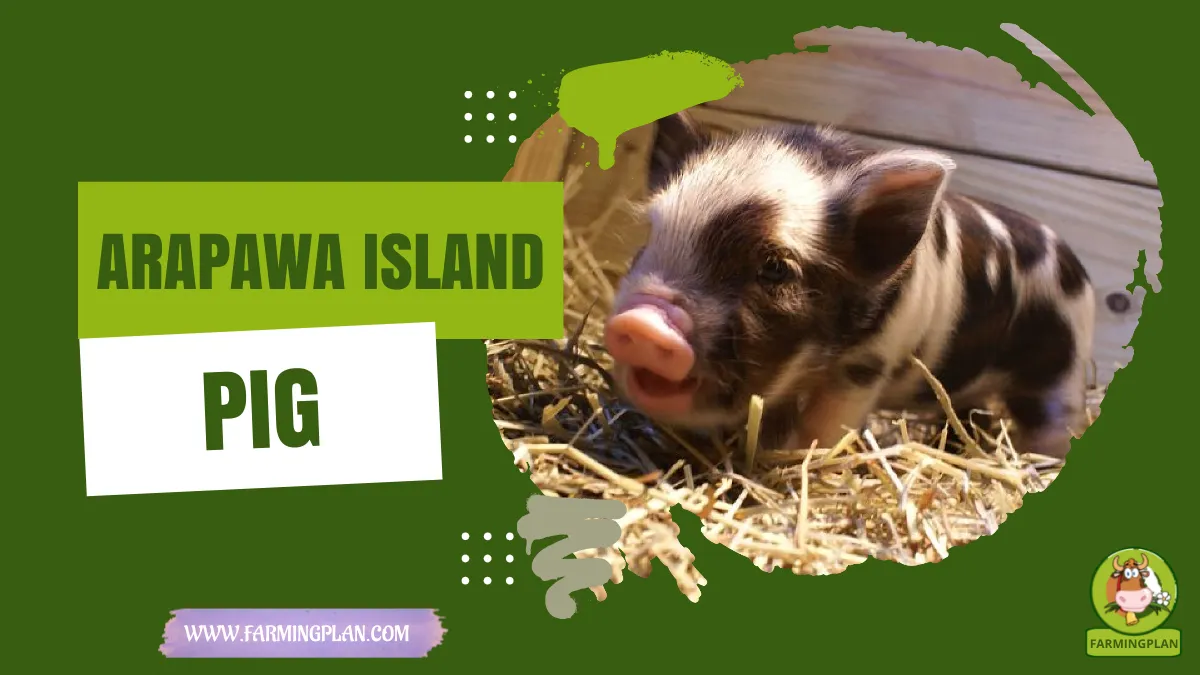
The Arapawa Island Pig holds a truly special place in my heart as a dedicated farming specialist. I first encountered this legendary heritage feral breed years ago in New Zealand, and their incredible resilience blew me away. Scientists believe these unique swine descended from early domestic stock left in the picturesque Marlborough Sounds region centuries ago. Some folklore claims famous explorers like Captain James Cook or early whalers released them onto Arapaoa Island.
Over generations of insular isolation in rugged terrain, these animals transformed into a exceptionally hardy wild type animal. They share historical ties with other rare regional stock, such as Auckland Island Pigs, Kunekune swine, and even native Arapawa sheep and goats. Today, groups like the Rare Breeds Conservation Society of New Zealand work tirelessly to protect their unique genetic variety. If you love livestock preservation as much as I do, you will find these animals endlessly fascinating!
History & Origin of Arapawa Island Pig
I always tell new farmers that understanding the history of the Arapawa Island Pig helps you manage them much better. Historical records suggest European settlement and maritime activity introduced domesticated pigs to the Marlborough region during the late eighteenth century. Maritime trade routes brought various landraces and old European breeds across the ocean. Over time, these released animals adapted to the thick forest cover and steep terrain of the island. They developed into a distinct population of feral pigs through pure natural selection.
Isolation kept their gene pool free from modern industrial crossbreeding. While modern pig breeding created commercial strains like the Landrace, this isolated breed preserved ancient traits. Genetic analysis shows they maintain a unique genetic link to early European pigs and wild boar populations. Some researchers even compare their historical journey to other traditional breeds like the Ba Xuyen pig, Bazna pig, and Polynesian pigs. The Rare Breeds Conservation of New Zealand stepped in decades ago to rescue small groups from extinction. Today, dedicated sanctuaries and private farms work together to protect their long-term survival.
Read More: Pond Management Secrets for Amazing Fishing
Characteristics of Arapawa Island Pig
When you look at an Arapawa Island Pig, you immediately notice their striking, rustic appearance. These medium-sized animals feature a long, sloping snout and a lean, athletic frame built for foraging. Their thick coat often displays classic reddish-brown tones mixed with dark black patches, giving them a very distinct look. Unlike wide commercial bacon pigs, their bodies stay narrow, which allows them to move swiftly through dense brush and forest trails.
Their strong legs and heavy hooves make them incredible jumpers and skilled climbers on steep slopes. Boars typically grow impressive tusks, which they use to dig for roots and clear dense underbrush on the farm. Their ears usually stay small to medium, standing somewhat prick-eared to catch subtle sounds in their surroundings. I always admire how their dense hair coat thickens during cold winter months to provide natural weather protection. This ancient physical build reflects true survival genetics, making them far tougher than standard domestic breeds.
Nature and Herd Temperament of Arapawa Island Pig
Working directly with the Arapawa Island Pig taught me that their temperament reflects their wild heritage and sharp intelligence. They remain far more alert and cautious than lazy barnyard breeds like the gentle Kunekune. When you interact with them calmly every day, they become wonderfully friendly, curious, and manageable companions. They form tight social hierarchies within their herd, working together to raise piglets and guard their foraging areas.
Boars display strong protective instincts, while sows make exceptionally attentive and fiercely defensive mothers. If you treat them with patience, they quickly learn routine feeding times and respond well to gentle vocal cues. I always recommend spending quiet time near their pasture so they get used to your presence and scent. They possess an inquisitive nature, often inspecting fence lines, farm tools, and new environmental enrichment toys. Their sharp mind makes farm management fun, though you must respect their quick reflexes and independent mindset.
Food and Daily Diet Requirements of Arapawa Island Pig
Tips: “Feed Your Heritage Pigs High-Fiber Pasture Produce To Maintain Natural Digestion And Prevent Unhealthy Weight Gain.”
Feeding an Arapawa Island Pig requires a thoughtful balance that mimics their natural foraging diet. In the wild, these resourceful foragers eat wild roots, fallen fruits, native vegetation, tubers, and small invertebrates. On my farm, I let them graze freely on high-quality pasture filled with mixed grasses, clover, and herbal forage. Grazing satisfies their deep psychological instinct to root while keeping their digestive system balanced and active.
I supplement their daily pasture diet with a balanced swine ration low in high-calorie commercial concentrates. Overfeeding concentrates leads to excessive fat deposits, which ruins their natural athletic frame and health. I love tossing them fresh garden scraps like squash, apples, leafy greens, and root vegetables as healthy treats. Never feed them spoiled food, raw meat, or salty leftovers, as these cause severe digestive troubles. Always supply clean, fresh water in heavy troughs because these active animals drink plenty of water every single day.
Usage and Conservation Purpose of Arapawa Island Pig
The Arapawa Island Pig serves several important roles for heritage livestock enthusiasts, smallholder farmers, and conservationists today. Their primary value lies in rare breed preservation, protecting irreplaceable genetic variety for future agricultural generations. Groups like the American Livestock Breeds Conservancy and local societies rate them high on critical conservation lists. Preserving their DNA helps scientists study disease resistance and rustic traits lost in commercial factory farming.
Beyond conservation, these swine excel in land management and low-input homestead farming setups. Their natural rooting behavior helps clear tough weeds, turn over topsoil, and renovate old pastures effectively. Sustainable meat producers also value them because they yield dark, flavorful red bacon with rich traditional flavor. Organizations like Slow Food feature traditional rare breeds on their Ark of Taste to promote sustainable culinary heritage. Whether you raise them for conservation, land clearance, or specialty meat, they offer exceptional value to small farms.
Special Features of Arapawa Island Pig
The Arapawa Island Pig possesses extraordinary special features that set them apart from standard domestic swine breeds. Their extreme hardiness enables them to thrive in harsh climates, ranging from freezing winter rains to hot summers. Their dense coat shields their skin from harsh sun and thick brush, preventing sunburn and painful scratches. They also display strong natural immunity against common farm parasites and respiratory issues that plague delicate commercial breeds.
Another remarkable trait involves their exceptional mothering ability and high piglet survival rates without human intervention. Sows build elaborate, well-insulated nests using branches, leaves, and long grasses to keep their newborn piglets safe. Their keen sense of smell and agile bodies allow them to locate hidden food sources deep underground effortlessly. They also retain incredible spatial memory, easily navigating complex pasture rotations and terrain. These unique evolutionary adaptations make them ideal candidates for low-maintenance, pastured pork production systems.
Health Issues, Prevention, and Care of Arapawa Island Pig
Maintaining the health of your Arapawa Island Pig requires active observation and consistent basic preventive care routines. Thankfully, their ancient genetics make them far less vulnerable to common diseases than highly bred commercial swine. However, external parasites like lice or mange mites can occasionally affect their dense hair coat during wet seasons. I control these issues by providing mud wallows and applying approved antiparasitic treatments whenever necessary.
Internal worms can affect pastured swine, so I implement a strategic pasture rotation plan every few weeks. Rotating pastures breaks parasite lifecycles naturally without relying entirely on chemical dewormers. Make sure to schedule regular checkups with a livestock veterinarian to maintain proper vaccination schedules for regional diseases. Keep their living spaces dry and well-ventilated to prevent rare respiratory infections during damp winter weather. Proper dietary management prevents obesity, keeping your herd active, fertile, and thriving for many years.
“Preserving Rare Heritage Animal Breeds Secures Our Rich Agricultural Future.”
Step-by-Step Farming Guide for Arapawa Island Pig
Setting up a successful breeding or farming operation for the Arapawa Island Pig requires detailed planning, proper infrastructure, and steady management. These intelligent animals need strong fencing, clean housing, proper nutrition, and routine care to reach their full potential. Follow these detailed steps to build a safe, productive, and happy environment for your heritage herd.
Step 1: Planning and Fencing Setup
Before bringing your new swine home, construct extremely durable perimeter fencing around your pasture areas. These active jumpers and powerful diggers easily breach weak wire or loose boards. I recommend installing heavy-duty woven wire fencing reinforced with a strong electric wire running along the bottom. The bottom electric wire prevents them from rooting under the fence line and escaping into neighbor properties.
Ensure your post spacing stays tight, using heavy wooden fence posts anchored deep into the ground. Set up multiple rotational paddocks so you can move your herd around and rest pasture grasses regularly. Secure all gate latches with strong carabiners or padlocks because these smart pigs quickly learn to open simple latches. Inspect your entire fence line weekly to repair any loose wires or dug-out spots immediately.
Step 2: Shelter and Bedding Preparation
Provide a dry, draft-free shelter that protects your herd from harsh winds, heavy rain, and blazing summer sun. Simple three-sided run-in sheds work wonderfully for pastured heritage swine because they allow easy entry and exit. Make sure the shelter roof slopes away from the entrance to prevent rainwater from pooling inside the sleeping area. Elevate the floor slightly or use well-drained gravel bases to keep the interior ground completely dry.
Fill the interior with deep, clean straw or wood shavings to create a warm bedding layer for sleeping. During cold winter nights, pigs huddle together in deep straw to generate natural body heat efficiently. Clean out soiled bedding regularly to maintain fresh air quality and discourage flies and bacteria. In hot summer months, provide ample shade structures alongside a clean mud wallow for natural cooling.
Step 3: Feeding and Water Station Design
Set up sturdy feeding and watering systems that can withstand heavy abuse from strong, active swine. Use heavy rubber tubs or concrete troughs for water, and anchor them securely so pigs cannot tip them over. Check and refill water stations twice daily to guarantee constant access to clean, fresh drinking water. In freezing climates, install submersible trough heaters to keep drinking water liquid and accessible all winter.
Position feed troughs on concrete pads or well-drained ground outside the main bedding shelter to keep sleeping areas clean. Separate feeding bowls during meal times so dominant pigs do not bully timid herd members away from food. Store extra commercial feed in airtight, metal containers to keep hungry rodents and wild birds away from farm supplies. Clean feed troughs regularly to eliminate moldy grain residues that cause digestive sickness.
Step 4: Daily Care and Management Routines
Establish a predictable daily care routine to build trust and keep your herd calm and manageable. Visit your pigs at the same time every morning to check their overall health, eye clarity, and movement. Feed them their designated rations while observing their appetite and social interactions within the group. Spend a few minutes talking softly to them and offering gentle scratches to reinforce positive human bonding.
Move your herd to fresh pasture paddocks every few weeks to promote rotational grazing and soil health. Clean out dirty bedding, inspect shelter roofs for leaks, and ensure all water troughs remain completely clean. Keep detailed record logs tracking feeding amounts, weight changes, breeding dates, and any health treatments given. A steady daily routine reduces stress levels, making your animals much easier to handle during health checks.
Read More: Forest Mountain Pig Secrets Every Farmer Must Know
Expert Tips and Best Practices for Arapawa Island Pig
- Install a clean mud wallow in summer because wallowing cools pigs down and protects their skin from insects and sunburn.
- Use heavy-duty rubber feed bowls instead of thin plastic containers that shatter easily under strong pig hooves.
- Spend fifteen minutes every day interacting with young piglets so they grow up calm and easy to handle as adults.
- Rotate your pastures regularly to disrupt internal parasite life cycles and keep your fields growing lush, green forage.
- Mix fresh agricultural lime into damp barn floor areas to reduce odors and neutralize harmful bacteria naturally.
- Keep detailed genetic records for every breeding pair to maintain strong genetic diversity within your rare herd.
- Offer seasonal treats like fresh pumpkins, apples, and leafy greens to provide rich environmental enrichment and fun.
FAQs
Are Arapawa Island pigs extinct?
No, these pigs are not extinct, but they remain extremely rare worldwide. Dedicated conservation societies and private breeders work hard to preserve their remaining numbers.
Where did Arapawa Island pigs come from?
They originated on Arapaoa Island in New Zealand’s Marlborough Sounds. Historians believe early explorers, whalers, or European settlers left their ancestors on the island centuries ago.
How big do Arapawa Island pigs get?
They are medium-sized swine with a lean, athletic build. Mature adults usually weigh between 150 to 250 pounds, depending on their diet and farm environment.
What do Arapawa Island Pigs eat on a farm?
They thrive on a natural pastured diet of fresh grasses, roots, vegetables, and low-calorie swine feeds. Farmers should avoid overfeeding them rich grain concentrates to prevent obesity.
Are Arapawa pigs good for small homesteads?
Yes, they make excellent homestead pigs because of their extreme hardiness, foraging skill, and unique genetic history. Their smart, alert nature requires secure fencing and patient human handling.
Conclusion
The Arapawa Island Pig represents a living piece of agricultural history that truly deserves our protection and appreciation. Raising these hardy, intelligent animals on my farm has been one of the most rewarding experiences of my agricultural career. Their rich survival history, striking appearance, and pastured foraging abilities make them ideal for sustainable farming setups. By choosing to breed or host these rare heritage swine, you help safeguard irreplaceable genetic diversity for future generations. If you want to make a real difference in livestock preservation, start your own heritage breeding project or support local conservation societies today! Discover how the rare Arapawa Island Pig thrives on farms today! Learn top expert tips for raising this remarkable heritage feral breed.